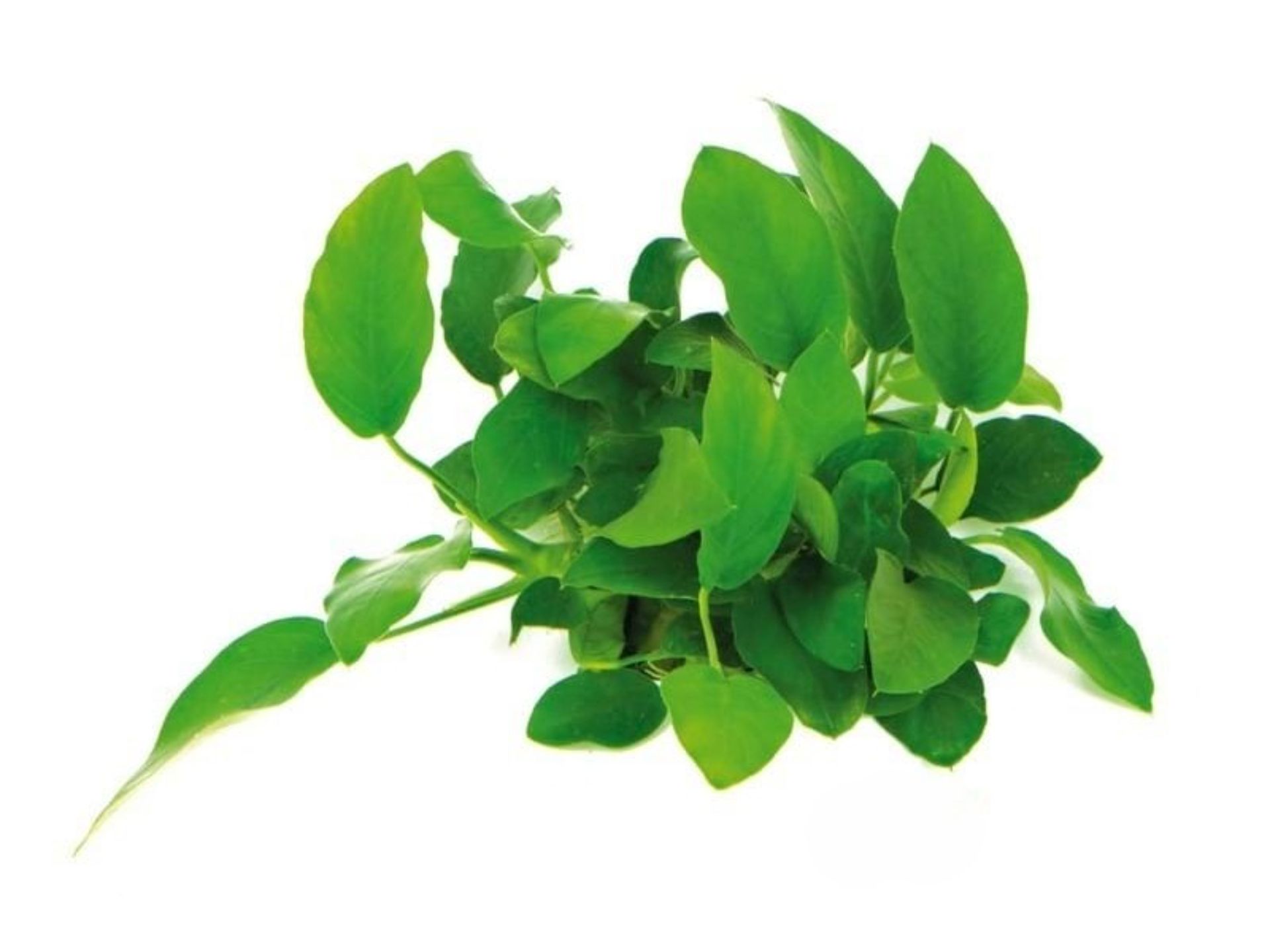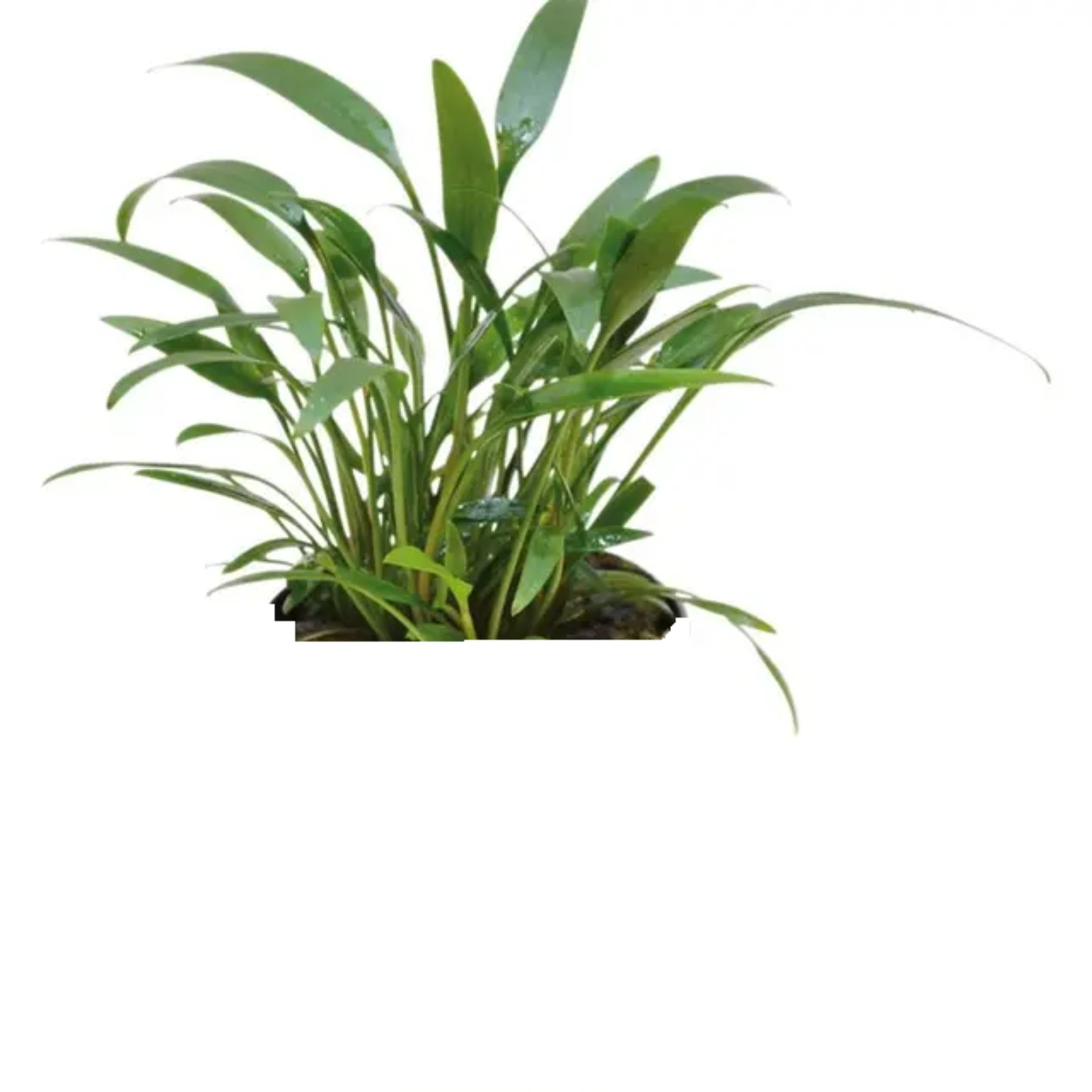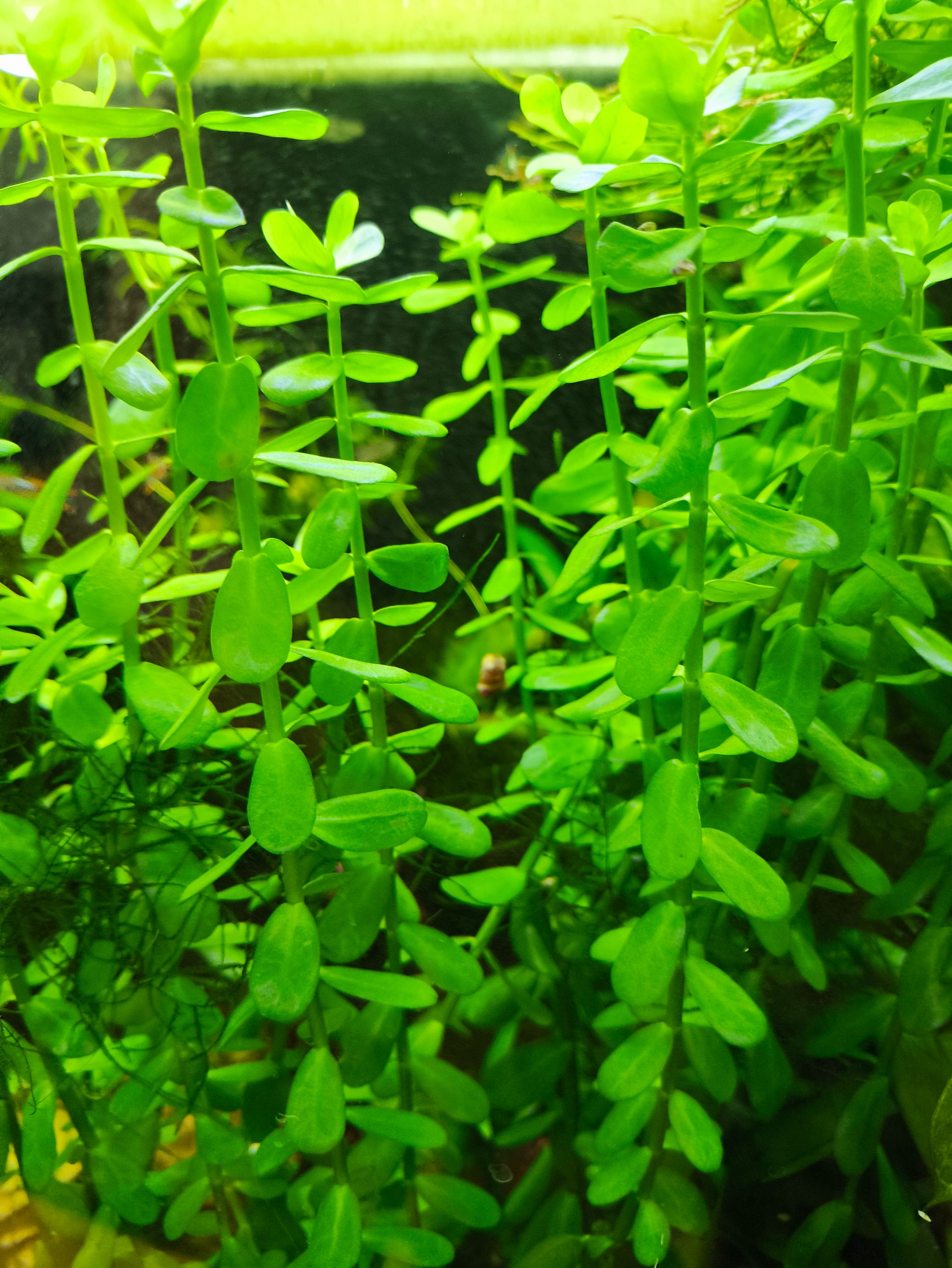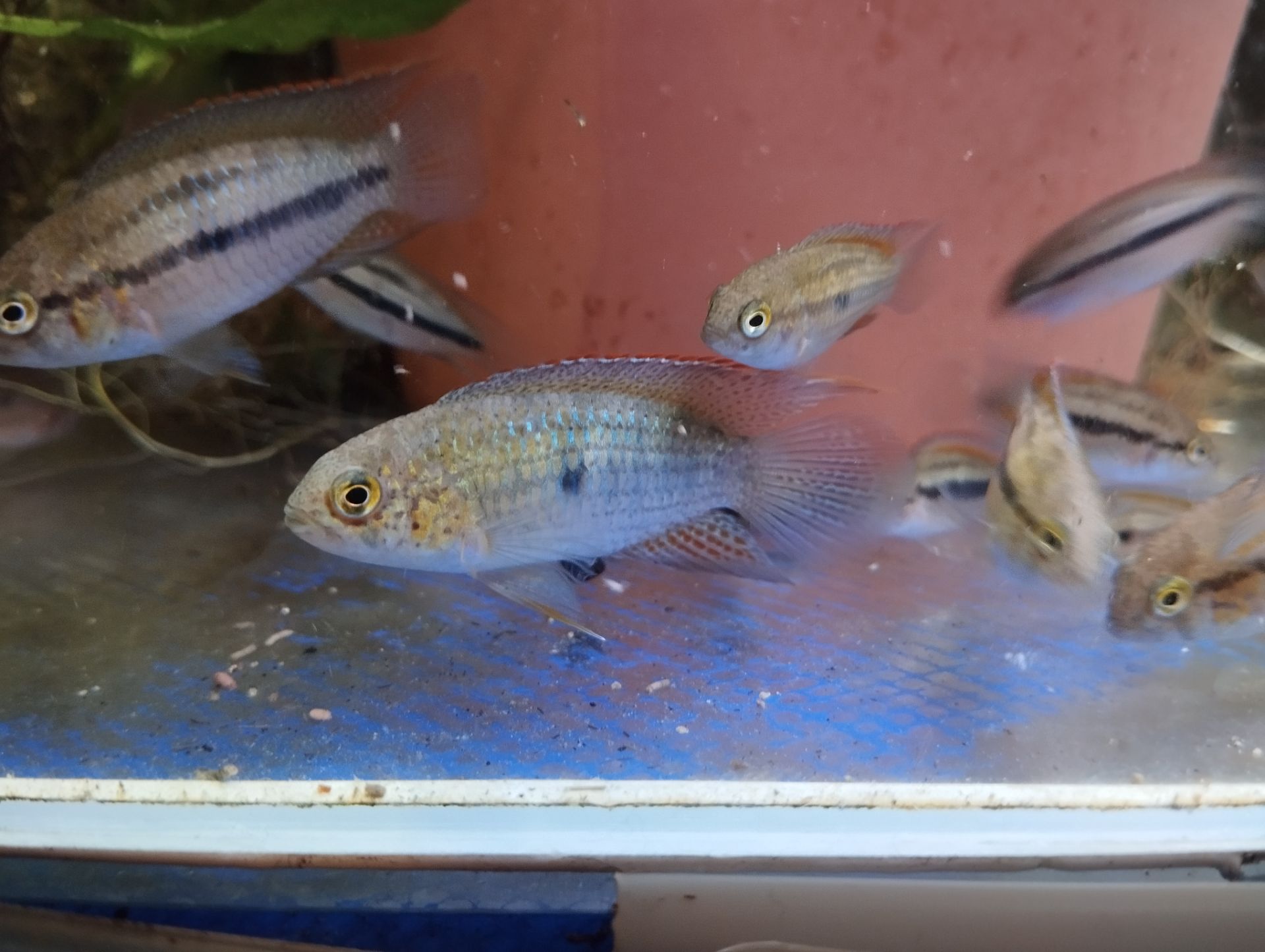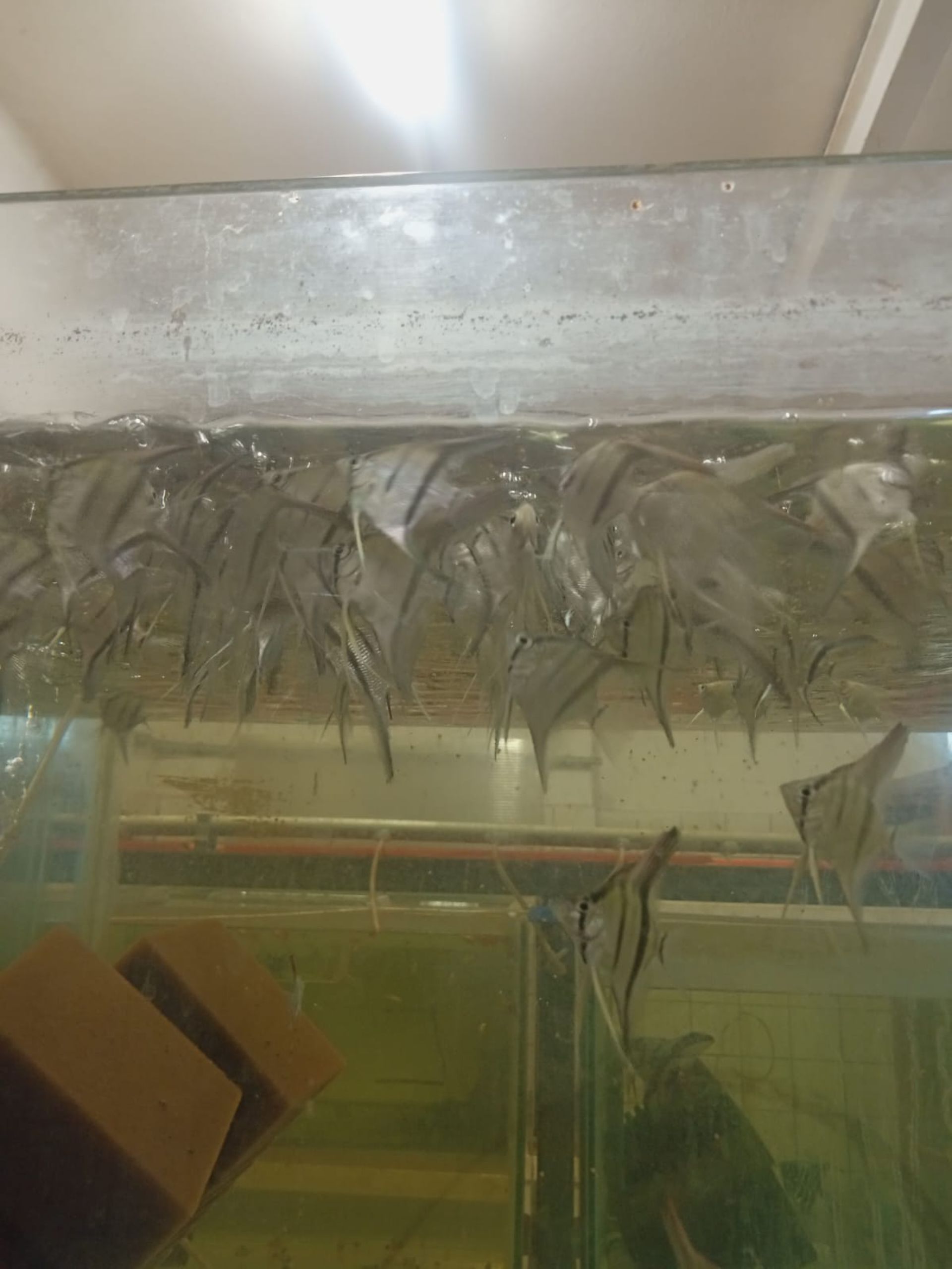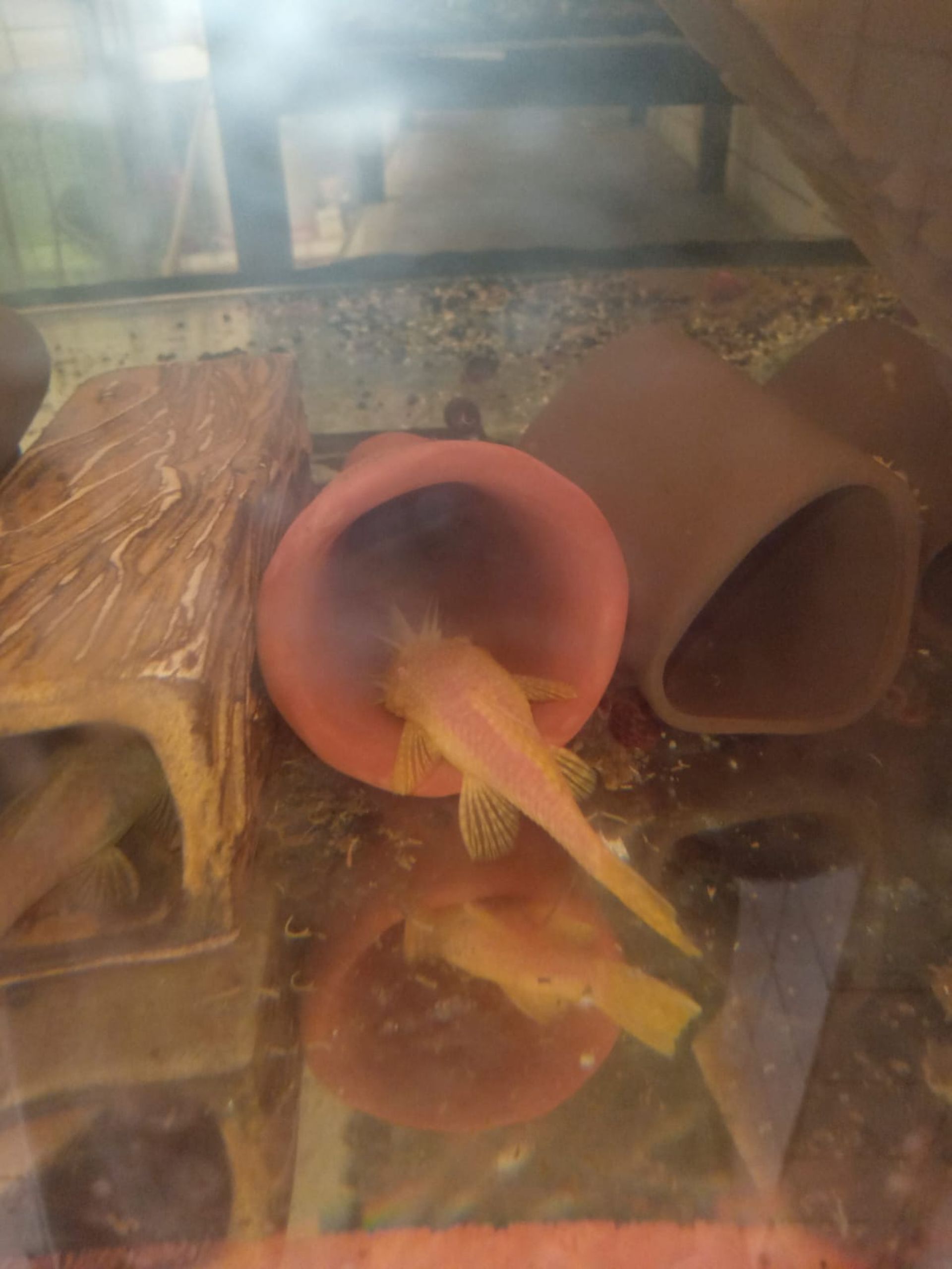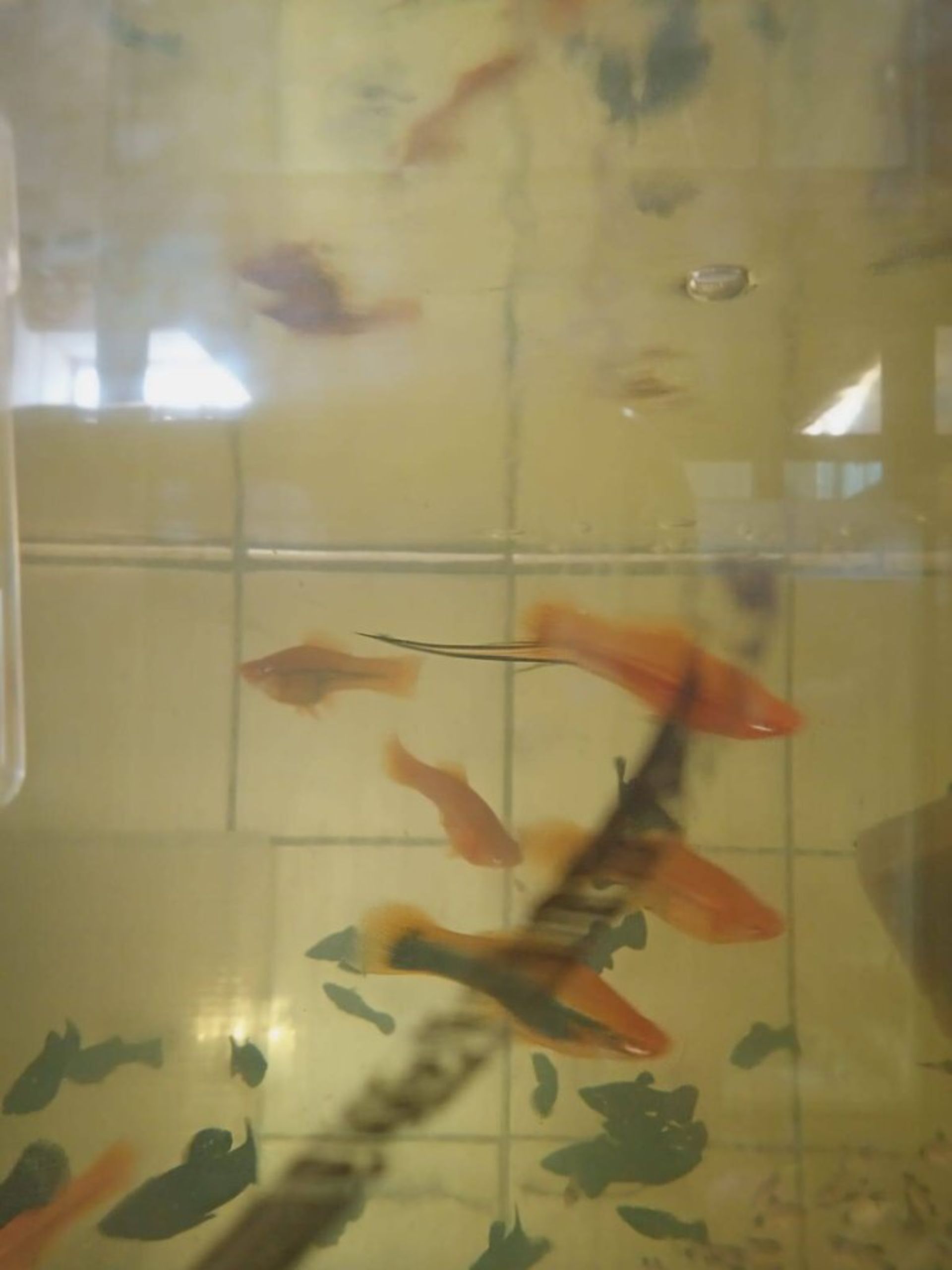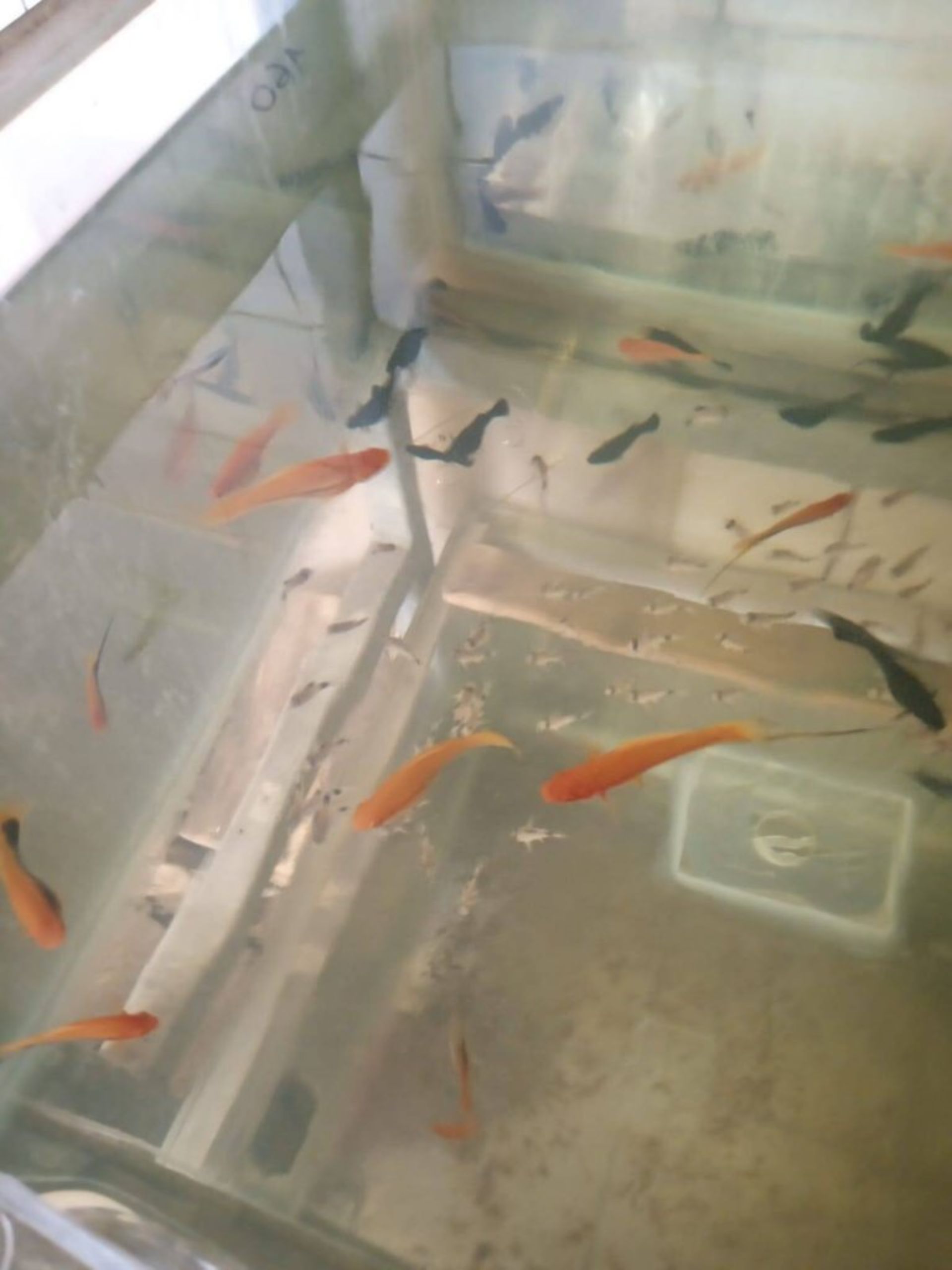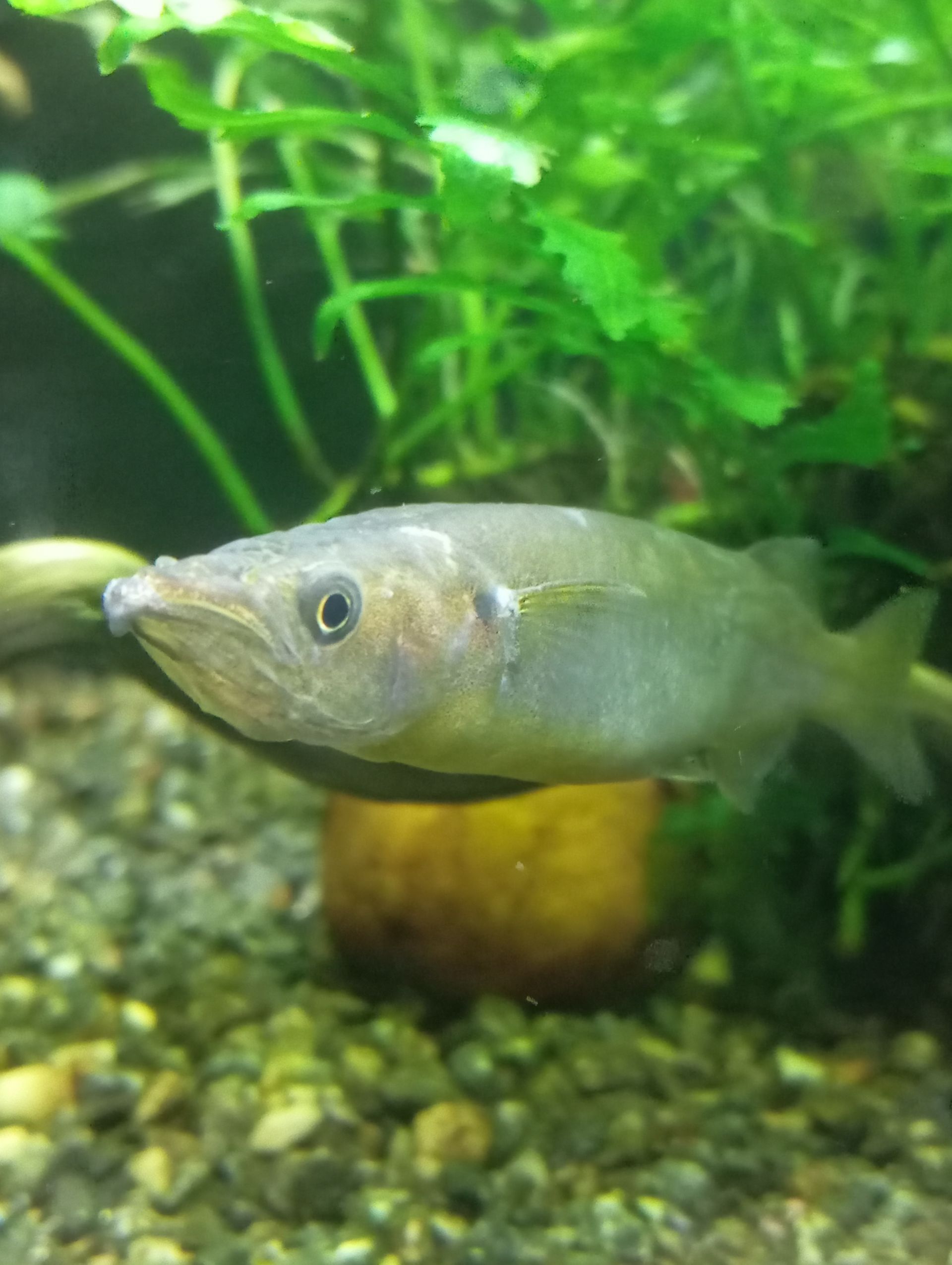
L-sumps, armored catfish - breeding
14 hours ago • Pustiměř, ? km • Offer


Dear aquarium friends,
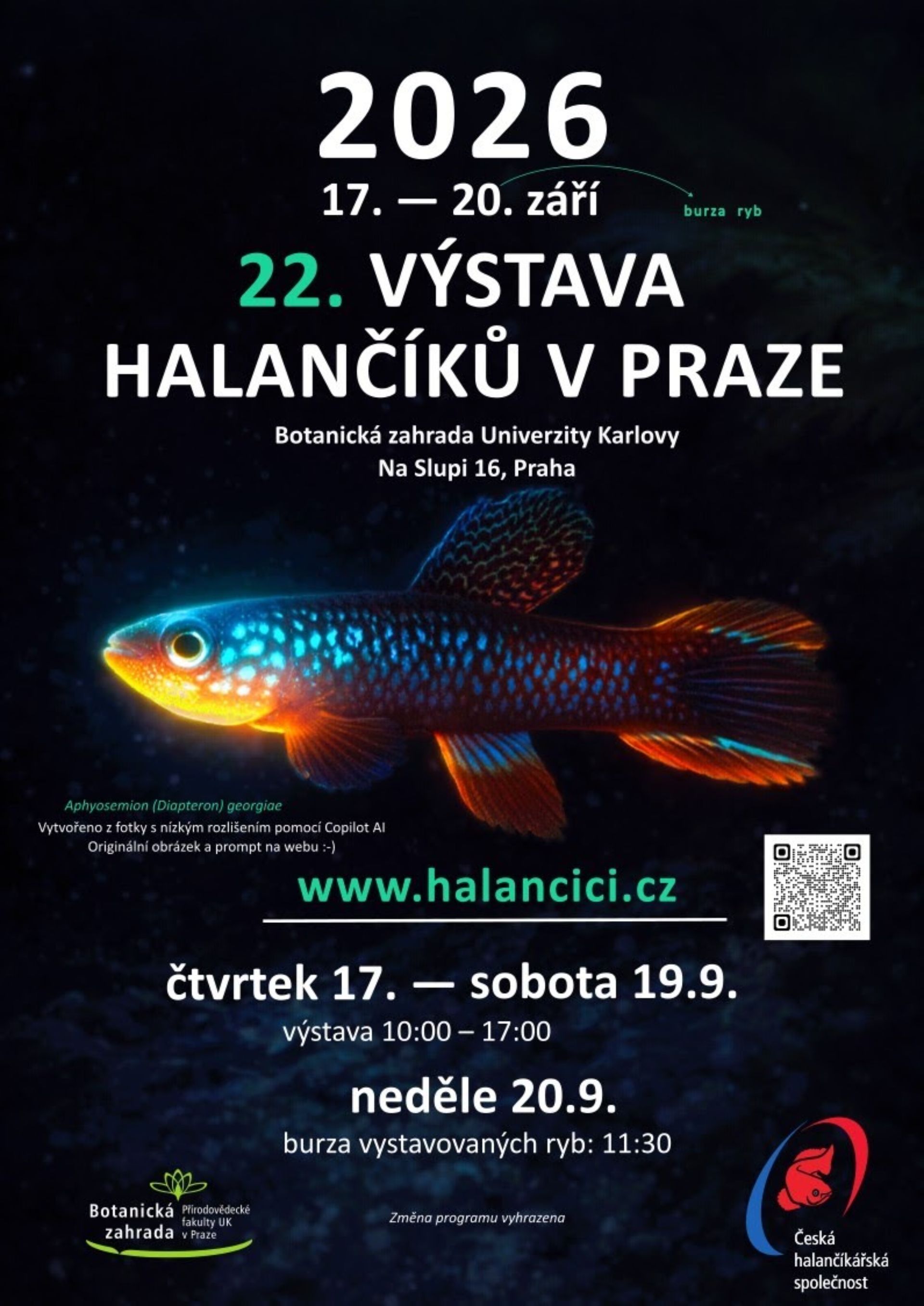
I would like to invite you to our international killifish exhibition, which will take place from Thursday, September 17th to Sunday, September 20th. On Saturday at 2 PM, there will be a lecture on the genus Nothobranchius. Starting Sunday morning, there will be an auction of the exhibited fish, and anyone interested can bid. Over 250 collections of fish from Europe and Asia have been registered for the exhibition. You will be able to see interesting and rare species of killifish, including species that are extinct in the wild, and you will also have the opportunity to learn more about their life, breeding, and reproduction, as well as talk to the breeders of these beautiful and overlooked aquarium fish.
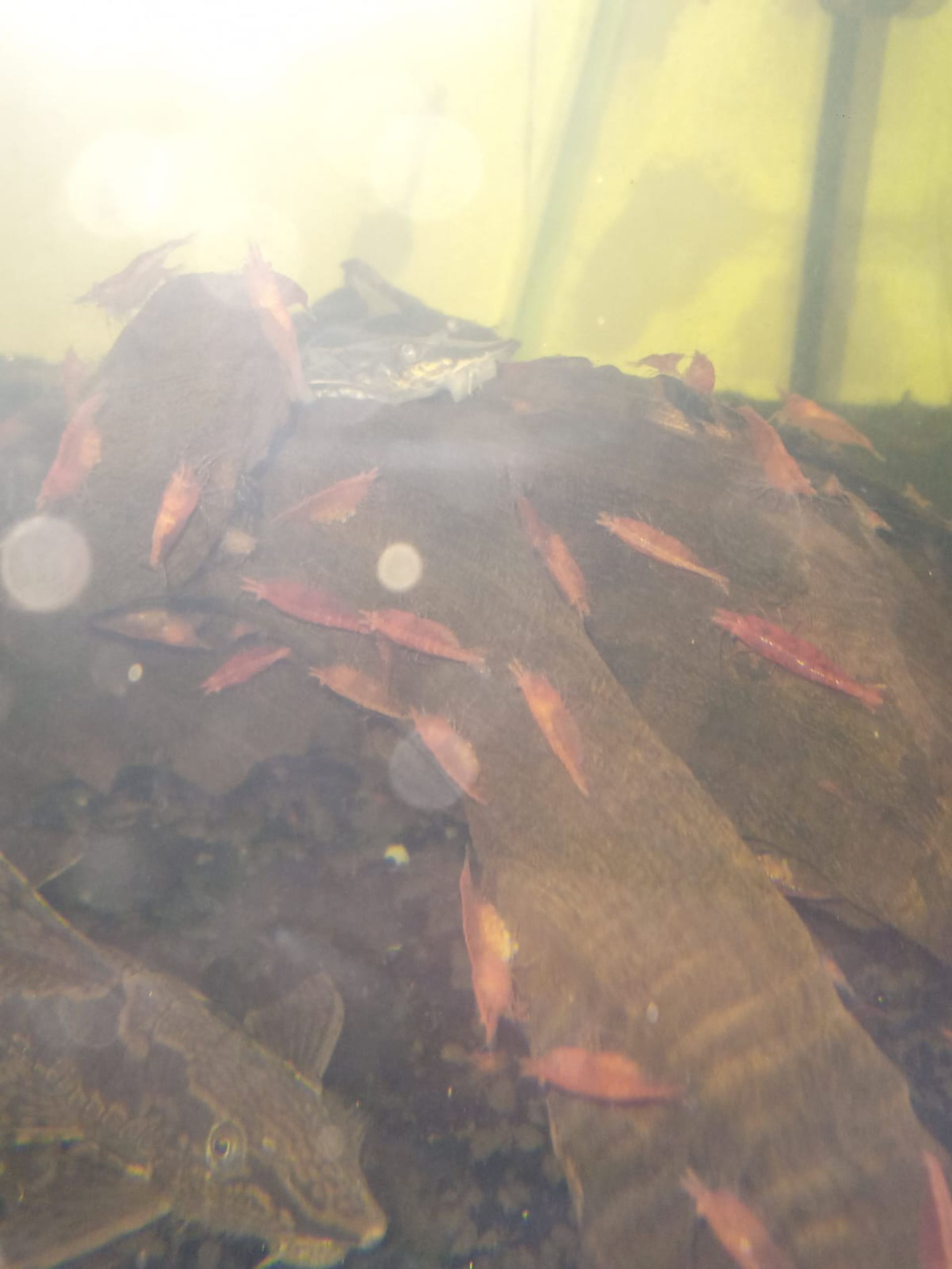
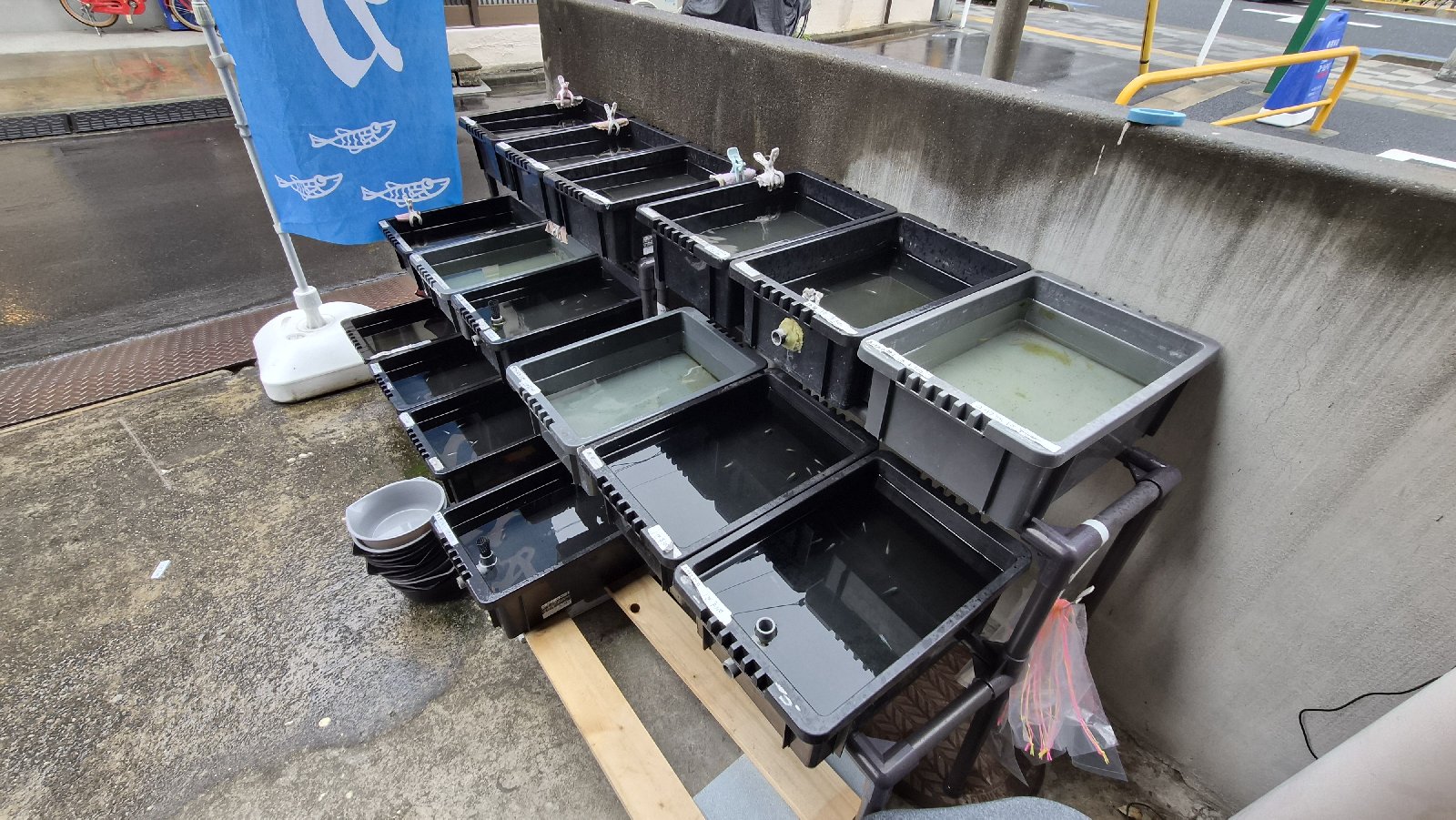
Again, the shrimp are released outside in the yard. Since April, when I introduced about 40 of them into the outdoor tank. Today, around 800 were harvested. Photos from the beginning gradually up to the harvesting and moving to the indoor aquariums.
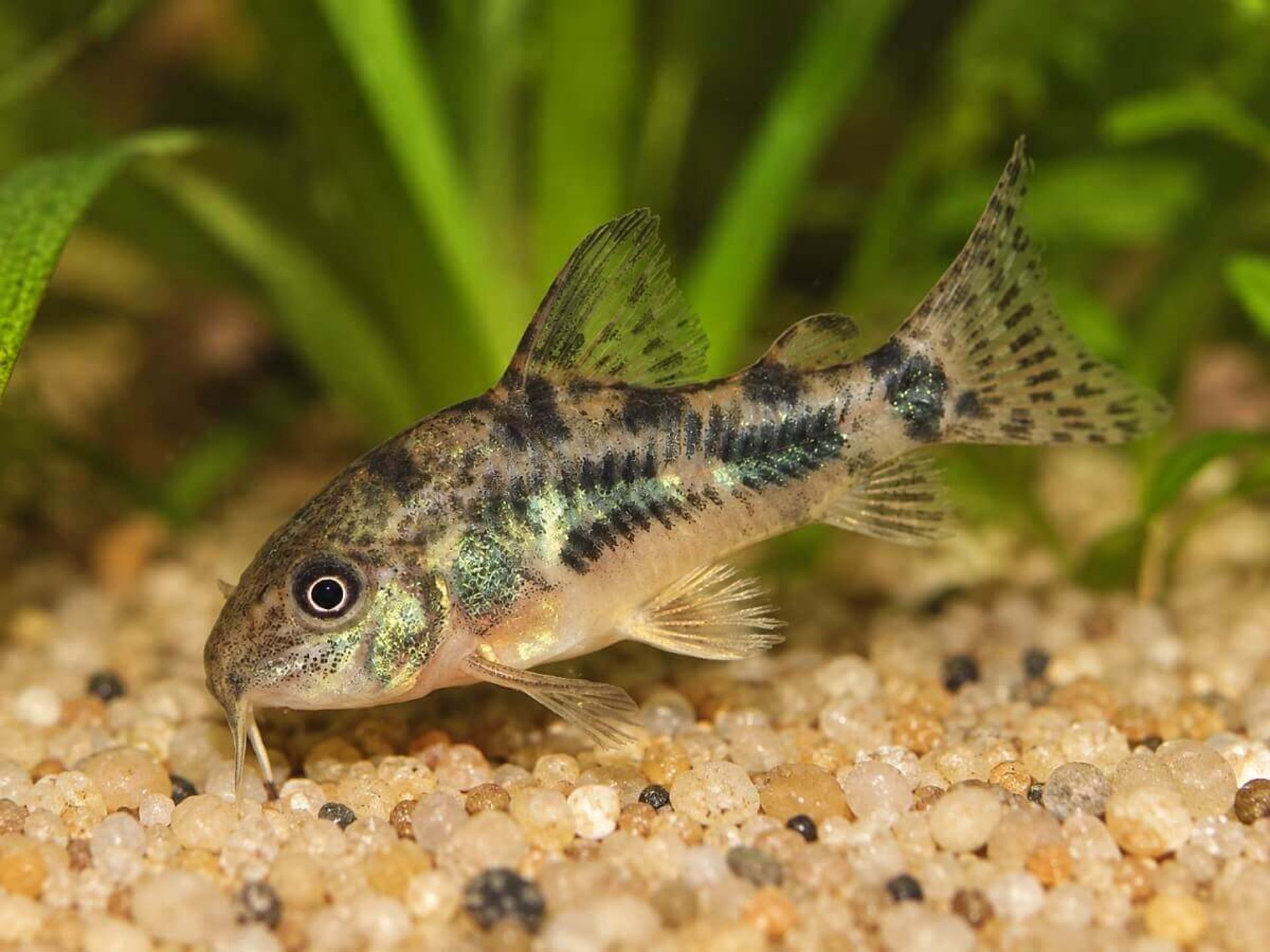
Spotted Corydoras: An Undemanding and Social Bottom Dweller
The Spotted Corydoras (Corydoras paleatus, more recently Hoplisoma paleatum) is one of the most popular aquarium fish that inhabit the bottom. It is peaceful, social, interesting to observe, and under the right conditions, also relatively easy to care for. Although it is often referred to as an "aquarium cleaner," it requires its own quality food and definitely does not replace regular maintenance of the tank's substrate.
Spotted Corydoras at a Glance
- Czech name: pancéřníček skvrnitý
- Traditional scientific name: Corydoras paleatus
- Newer scientific classification: Hoplisoma paleatum
- Origin: southeastern part of South America
- Size: approximately 6–7 cm
- Behavior: peaceful, social
- Recommended number: at least 5–6 individuals
- Place in the aquarium: primarily the bottom
- Diet: omnivore
- Suitable substrate: fine sand or smooth fine gravel
- Suitable for beginners: yes
What Does the Spotted Corydoras Look Like?
The Spotted Corydoras is easily recognizable by its grayish to silvery body with irregular dark spots. The coloration of individual fish may vary slightly.
A characteristic feature of corydoras is the two rows of hard bony plates along the sides of their body. These provide them with protection and gave the entire group the Czech name "pancéřníčci" (armored fish).
Around their mouths, they have sensitive whiskers that they use to search the substrate for food. This is why it is important to choose a suitable bottom without sharp edges.
Is the Spotted Corydoras Suitable for Beginners?
Yes. The Spotted Corydoras is generally considered a fairly hardy fish that is well-suited for a first community aquarium.
However, this does not mean that it can live in any conditions. Like other fish, it requires stable water quality, appropriate feeding, enough space, and, above all, the company of its own kind.
One of the most common mistakes beginners make is acquiring a single corydoras as a "bottom cleaning fish." Corydoras are social fish and thrive significantly better in groups.
How Many Corydoras Should Be Kept Together?
The Spotted Corydoras should not be kept alone. An ideal group consists of at least 5 to 6 individuals, and more if the aquarium is large enough.
In a group, corydoras are:
- more active,
- less shy,
- more mobile throughout the tank,
- exhibit more natural social behavior.
It is very interesting to observe several corydoras searching the bottom together or resting side by side under a root or among plants.
What Size Aquarium Does the Spotted Corydoras Need?
For a small group of corydoras, an aquarium with a length of at least around 60 cm is suitable.
For these fish, the height of the tank is not the most important factor, but rather a sufficiently large bottom area. They spend most of their time on it.
A suitable aquarium should offer a combination of:
- open areas for searching for food,
- fine substrate,
- plants,
- roots,
- stones without sharp edges,
- quieter places for resting.
Corydoras are well-suited for a classic community aquarium with peaceful species of similar requirements.
What Type of Bottom is Best for Corydoras?
The ideal substrate is fine aquarium sand.
Corydoras bury their mouths and whiskers into the substrate while searching for food. Fine sand allows them to exhibit their natural behavior and minimizes the risk of injury to their sensitive whiskers.
A fine smooth substrate without sharp edges can also be used.
On the other hand, very coarse or sharp gravel is unsuitable.
The cleanliness of the bottom is also important. A long-neglected substrate can contribute to damage or infections of the whiskers, especially in unsuitable conditions.
Is the Corydoras Really an "Aquarium Cleaner"?
Only partially. Corydoras constantly search the bottom and can find small food remnants that other fish have overlooked. This allows them to help utilize some of the food that has fallen to the bottom. However, they are not a substitute for aquarium maintenance.
Corydoras do not eat feces or debris, and they will not do the siphoning for you.
What to Feed the Spotted Corydoras?
The Spotted Corydoras is an omnivore and requires its own regular and varied diet.
The basis can be high-quality:
- sinking pellets,
- tablets for bottom-dwelling fish,
- quality wafers,
- frozen food,
- live food.
As a treat, you can use, for example, brine shrimp, daphnia, or other small animal food suitable for aquarium fish. It cannot be assumed that corydoras will be satisfied with just the leftovers of other fish's food.
In an aquarium with very active fish, it is even advisable to monitor whether a sufficient amount of food actually reaches the bottom.
Why Does the Corydoras Swim to the Surface?
One of the most interesting behaviors of corydoras is their quick trips from the bottom to the surface. The fish swims up, takes in air, and immediately returns back down. This is not necessarily a sign of oxygen deficiency.
Corydoras have the ability to utilize oxygen from atmospheric air as well. The swallowed air passes through their digestive tract, and they can absorb some of the oxygen through a specialized part of their intestine. Occasional trips to the surface are therefore completely normal.
However, if corydoras start surfacing very frequently and their behavior suddenly changes, it is advisable to check:
- water quality,
- temperature,
- filtration,
- water flow,
- oxygenation of the tank.
How Does the Spotted Corydoras Behave?
Corydoras are among very peaceful fish. They spend most of the day searching the bottom. They alternate between actively searching for food and short rests on the substrate, under roots, or among plants.
In a larger group, it is often possible to observe several individuals moving together. Although they are considered bottom-dwelling fish, they are not strictly bound to the bottom. Occasionally, they make quick trips to higher layers of water or even to the surface.
With Which Fish Can Corydoras Be Kept?
The Spotted Corydoras is particularly suitable for a calm community aquarium.
It can work well with, for example:
- smaller tetras,
- rasboras,
- some livebearers,
- calm barbs,
- other peaceful fish of similar size.
It is important to choose species with similar environmental and water temperature requirements.
Inappropriate companions are primarily significantly aggressive or very territorial fish that could attack corydoras or prevent them from accessing food.
The Spotted Corydoras is Not a Catfish
Corydoras are sometimes incorrectly referred to as catfish. However, they belong to a different group of catfish.
The Spotted Corydoras belongs to the family Callichthyidae, while the well-known catfish, such as ancistrus, belong to the family Loricariidae. Although both groups often inhabit the bottom areas of the aquarium, their way of life, body structure, and diet differ.
Corydoras paleatus or Hoplisoma paleatum?
Experienced aquarists primarily know the Spotted Corydoras by the name Corydoras paleatus. However, after a recent taxonomic revision of corydoras, this species has been reclassified into the genus Hoplisoma. Therefore, the current scientific designation is Hoplisoma paleatum.
In aquarium shops, literature, and on the internet, we will still encounter the older designation Corydoras paleatus for a long time. For breeders, of course, nothing changes – it is still the same Spotted Corydoras.
Why Should You Get a Spotted Corydoras?
The Spotted Corydoras offers a combination of traits that have made it one of the classics of freshwater aquaristics.
It is peaceful, active, social, and well-suited for a variety of common community aquariums. While searching for food, it constantly explores the bottom, making it very interesting to observe.
If you provide it with fine substrate, clean water, enough space, and a varied diet, it can be a long-term attractive inhabitant of the aquarium.
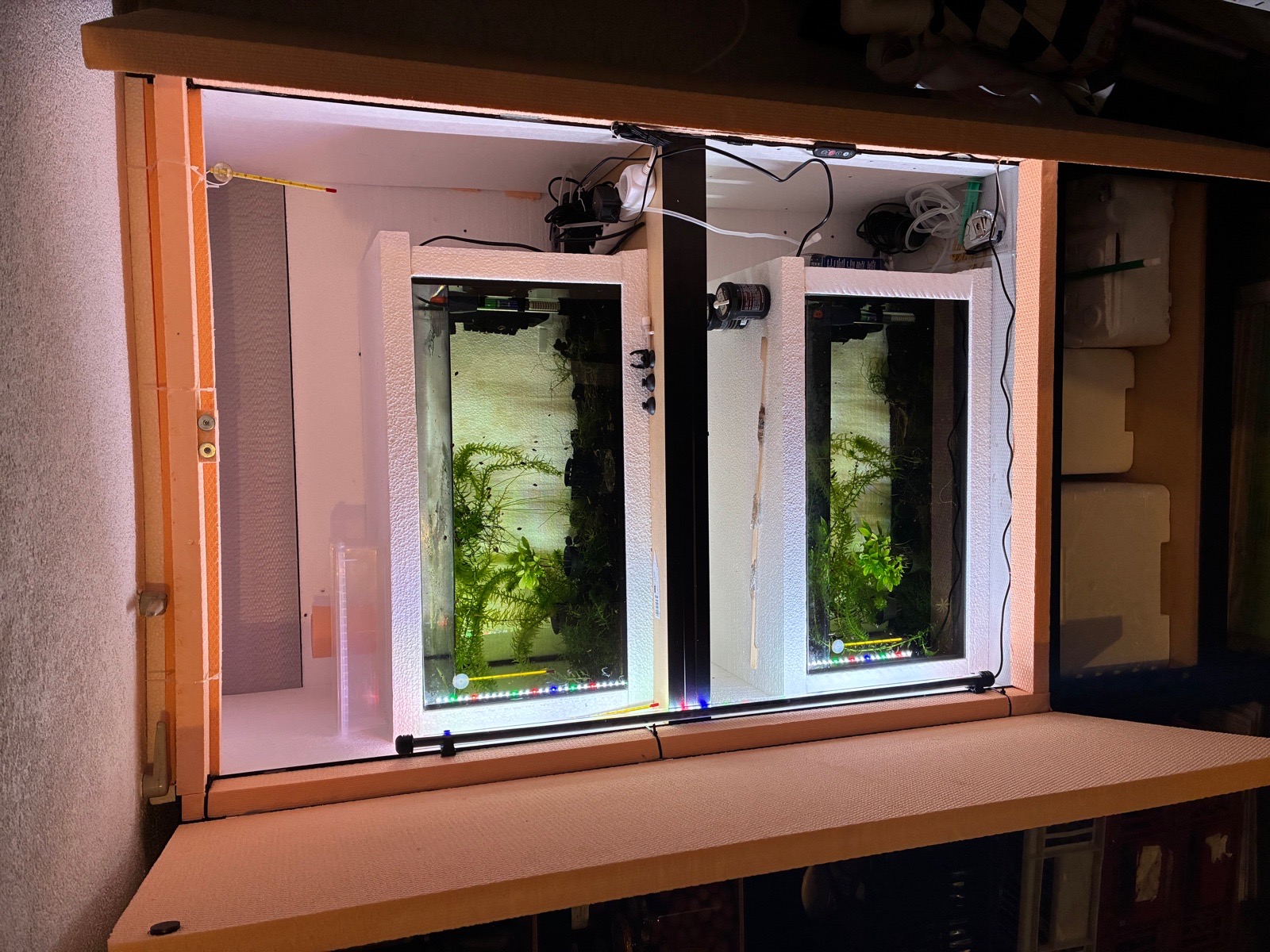
Insulated aquarium in the basement. Due to the fact that the basement is not heated at all and temperatures in winter are around 3 degrees, I have completely insulated it. The shelf is insulated on all sides with 3cm polystyrene, including the doors. Surrounding the aquarium is an additional 5cm of polystyrene. Each aquarium has a heater. Inside, there is an LED light + an air compressor - the heat generated from the LED light and the compressor is utilized inside and heats the space around the aquariums.
You are invited to the traditional autumn congress of the Czech Cichlid Club, which will take place on Saturday, November 14, 2026, in Žďár nad Sázavou at Hotel Hajčman. Look forward to lectures by Mgr. Zuzana Musilová, Ph.D. and Ing. Miloš Kroupa. The members' assembly, a rich raffle, and an evening social event full of inspiring discussions. Don't miss this opportunity to meet enthusiasts and gain new knowledge!
You are invited to the traditional autumn 29th Congress of the Czech Cichlid Club held in Žďár nad Sázavou at Hotel Hajčman.
Program of the day:
10:00 - 12:00 members' assembly of the Czech Cichlid Club - for members of ČCK, non-members, and those interested in membership
13:30 - approx. 16:30 lecture afternoon:
Mgr. Zuzana Musilová Ph.D. – Cichlids in the crater lakes of Cameroon
Ing. Miloš Kroupa – Diseases of aquarium fish with an emphasis on cichlids
&
juicy RAFFLE for those who endure… and for those who endure even longer, a social buffet and party
Everyone is warmly invited. Raffle and pleasant atmosphere guaranteed.
VENUE OF THE CONGRESS:
Hotel Hajčman, Strojírenská 372/11, 591 01 Žďár nad Sázavou
https://maps.app.goo.gl/umippwXKAgkZMkEF7
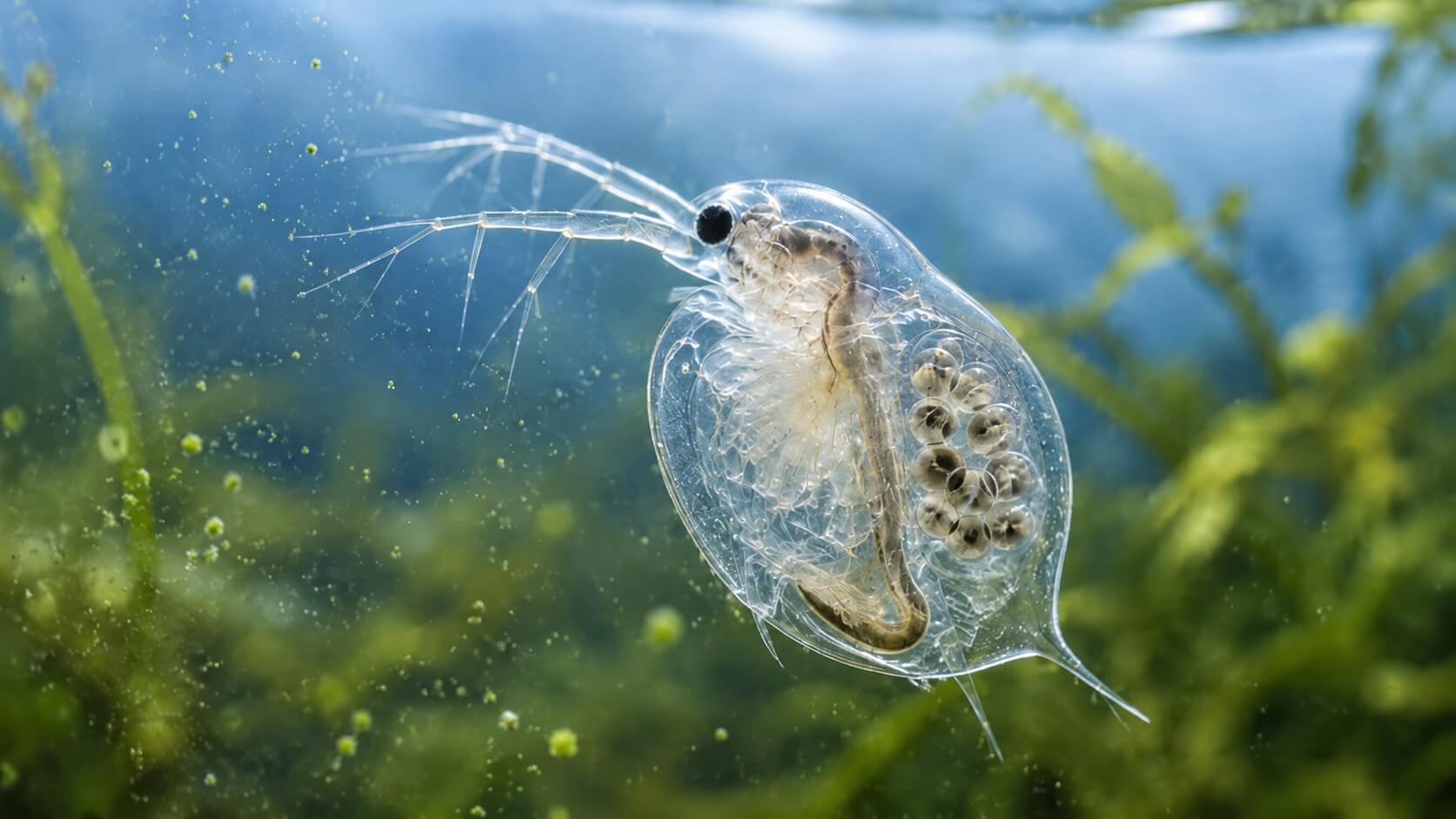
Daphnia (Daphnia, Water Flea) is among the most interesting small organisms in freshwater ecosystems. Aquarists primarily know them as quality live food for fish, but their significance is much broader. Daphnia can filter water, consume microscopic algae, and help maintain biological balance in aquariums, natural bodies of water, and especially in garden ponds.
💧 In a well-functioning pond, Daphnia can significantly contribute to reducing green turbidity. Each Daphnia is a small living filter that moves through the water column, capturing algae, bacteria, and fine organic particles.
You can easily order Daphnia for your pond or as food for aquarium fish here.
- What are Daphnia?
- How do Daphnia clean water?
- The importance of Daphnia for garden ponds
- Why do fish limit Daphnia populations?
- Daphnia as live food for fish
- How to breed Daphnia?
- Frequently asked questions about Daphnia
Daphnia are small freshwater crustaceans belonging to the Cladocera. They typically measure only a few millimeters and their bodies are partially transparent. They move in the water with characteristic jerky movements, which is why they are colloquially called water fleas. However, they have nothing in common with actual fleas.
In nature, they live in ponds, pools, lakes, flooded quarries, retention basins, and other stagnant or slowly flowing waters.
They primarily feed on:
- unicellular planktonic algae,
- bacteria,
- microorganisms,
- fine organic particles dispersed in the water.
Daphnia obtain food through filtration. By moving their limbs, they create a current in the water and capture particles of suitable size. This ability makes them an important part of natural water purification.
The greatest ecological significance of Daphnia lies in their ability to remove microscopic algae and other small particles from the water column. Daphnia do not clean the bottom of the pond, do not collect fallen leaves, and do not consume long strands of algae.
A typical example is green water in a pond. The green coloration is often caused by unicellular planktonic algae, which are so small that regular mechanical filtration may not capture them. However, they represent a natural food source for Daphnia.
If a sufficiently large population of Daphnia is established in the pond, they can gradually reduce the amount of algae. The water then becomes clearer, allowing more light to penetrate to submerged aquatic plants.
🌿 Healthy aquatic plants further consume nutrients, produce oxygen, provide shelter for small organisms, and help stabilize the entire pond ecosystem.
In a garden pond, Daphnia represent a natural part of biological filtration and can reproduce on their own under suitable conditions. Their effect is based on a simple principle: they remove phytoplankton from the water that causes green turbidity.
A sufficient number of Daphnia can contribute to:
- reducing the green coloration of the water,
- increasing the transparency of the pond,
- decreasing the amount of algae,
- supporting the growth of submerged plants,
- stabilizing the food chain,
- creating a more natural environment for other aquatic organisms.
Daphnia are most effective in natural and swimming ponds without fish or with a low fish population. They can also work very well in a separate regeneration zone that fish cannot access. They are a significant part of the biological balance, but not a universal solution to every water problem.
For most fish, Daphnia represent an attractive and easily accessible food source. They are consumed by small fish, fry, goldfish, and koi carp. If there are many fish in the pond, newly introduced Daphnia may be consumed before they can reproduce.
A simple food chain operates in the pond:
fish → Daphnia → algae
If there are too many fish, the Daphnia population declines. Algae are then not sufficiently grazed, and the water may remain green. To support Daphnia, it is therefore advisable to create places where they can hide from fish.
- dense growths of submerged aquatic plants,
- shallow coastal areas of the pond,
- root zones of plants,
- a regeneration area separated from fish,
- a separate container connected to the pond.
The presence of Daphnia can significantly help, but if too many nutrients are continuously entering the pond, algae will still have good conditions for growth.
The most common sources of excess nutrients include:
- overfeeding fish,
- too high a number of fish,
- fish waste,
- decaying leaves,
- dead plant parts,
- mud and organic sediments at the bottom,
- runoff of fertilizers from the garden,
- lack of aquatic plants.
Daphnia consume some of the already formed phytoplankton, but they do not remove the cause of excess nitrogen and phosphorus. Therefore, the best results come from a combination of Daphnia, aquatic plants, a reasonable number of fish, and limited input of organic impurities.
In aquaristics, Daphnia are valued primarily as natural live food for fish. Their movement in the water stimulates the hunting instinct and encourages fish to exhibit natural behavior. Daphnia are accepted even by fish that sometimes refuse flake or pellet food.
Daphnia are suitable for example for:
- livebearers,
- tetras,
- rasboras,
- labyrinth fish,
- smaller cichlids,
- goldfish,
- pond fish,
- older fry.
Young Daphnia are suitable for smaller fish, while adults serve as food for larger species. Their nutritional value depends on the species, age, and especially on what the Daphnia themselves were fed before being given to the fish.
✅ The advantage of live Daphnia is that if fish do not consume them immediately, they do not start to decompose quickly in freshwater like excess dry food. They remain alive for a while and continue to filter the water.
Daphnia have a tougher outer shell containing chitin. This can support the natural passage of food through the digestive tract of fish. However, Daphnia should not be the only type of food. A varied diet appropriate to the specific species of fish is best.
Breeding Daphnia is not very demanding. You can use a plastic container, barrel, smaller outdoor tank, or a separate pond without fish. The container should be placed in a bright location, but in summer, direct sunlight all day is not suitable as it can overheat the water.
- dechlorinated standing water,
- sufficient microalgae and microorganisms,
- stable water temperature,
- no fish or other significant predators,
- gentle harvesting of only part of the population,
- regular monitoring of water quality.
Daphnia can be supplemented with a very small amount of suitable food, such as green water, finely dosed yeast, or special food for zooplankton. However, overfeeding is dangerous. Excess food will start to decompose, consume oxygen, and can cause the collapse of the entire culture.
When harvesting, it is advisable to always leave a sufficiently large base population. Some Daphnia can be fed to fish, and some can be kept for further reproduction.
1. Check the number of fish. In a heavily stocked pond, Daphnia will likely be quickly consumed.
2. Create shelters. Dense aquatic plants, shallow zones, or a separate regeneration area can help.
3. Do not use aggressive algae treatments. Some may harm or kill Daphnia as well.
4. Do not introduce Daphnia into freshly chlorinated water. The water should be dechlorinated and the pond biologically stable.
5. Limit nutrient input. Do not overfeed fish and regularly remove leaves and dead plants.
6. Use a healthy culture. Obtain Daphnia from a trusted source to avoid introducing parasites or unwanted organisms into the pond.
A UV lamp helps eliminate free-floating algae and microorganisms passing through the device. However, these organisms also serve as food for Daphnia. In a pond with a permanently strong UV lamp, Daphnia may have less food, and their population may not grow significantly.
Daphnia themselves are usually not directly affected by the UV lamp unless they pass through the pump and UV unit. Strong flow through technical filtration can, however, capture or damage some of the small zooplankton.
For natural ponds, it is therefore advisable to seek a balance between technical filtration and biological processes. In a heavily stocked pond, technical filtration is usually necessary, while in a natural pond without fish, a larger part of the work can be done by zooplankton and aquatic plants.
Under suitable conditions, Daphnia can significantly reduce green turbidity. However, there must be a sufficient number of them, and they must not be immediately eaten by fish. They are most effective in a biologically balanced pond with a low fish population, plenty of plants, and limited nutrient input.
It is also important to determine what is causing the turbidity. Daphnia primarily help against green water caused by unicellular algae. They will not help directly against:
- filamentous algae attached to stones,
- algal films on liners,
- mud at the bottom,
- clay or mineral turbidity,
- debris stirred up by fish.
Daphnia represent a clear example of how important a seemingly insignificant organism can be. For fish, they are a natural food source, for water, a living filter, and for the entire pond, an important link in the food chain.
The presence of Daphnia is not a miraculous solution that replaces filtration, aquatic plants, or regular maintenance. They provide the greatest benefit where a balanced environment with a reasonable number of fish and low nutrient input can be created.
In such a pond, clean water does not have to be the result of just pumps, filters, and UV lamps. A significant part of the work can be done every day by thousands of small Daphnia – inconspicuous living filters that are almost invisible to the naked eye. 💧🌿
Daphnia are small freshwater crustaceans also known as water fleas. They feed on planktonic algae, bacteria, and fine organic particles. In aquaristics, they are used as live food for fish.
In Czech, the term Daphnia is commonly used, while the correct Czech term is Water Flea. The word Daphnia often appears in searches, food offers, or as a Czech variant of the Latin genus name Daphnia. All terms usually refer to the same aquatic crustaceans.
Yes. Daphnia are natural live food suitable for many aquarium and pond fish. They stimulate the hunting instinct and can be part of a varied diet. The size of Daphnia must be adapted to the size of the fish.
Daphnia can significantly reduce the amount of planktonic algae that cause green water. Success depends on the size of their population, the number of fish, the availability of shelters, and the overall nutrient levels in the pond.
They were most likely eaten by fish. Other possible causes include unsuitable water quality, lack of food, use of chemical algae treatments, sudden temperature changes, or strong technical filtration.
Not directly. Daphnia primarily filter small algae freely dispersed in the water column. They do not typically consume long strands of algae attached to stones, liners, or plants.
They can, but most fish will quickly consume them. They can be maintained long-term primarily in an aquarium without fish, in a densely planted tank, or in a separate breeding container.
The frequency depends on the species and size of the fish. Daphnia can be regularly provided as part of a varied diet, but they should not be the only food. The amount should correspond to what the fish actually consume.
Yes. Daphnia can be bred in a container with dechlorinated standing water. They need sufficient fine food, stable conditions, and protection from overheating; it is important not to overfeed the culture.
Koi carp actively consume Daphnia, so they usually do not remain in large numbers in the main part of the pond. A separate regeneration zone or a separate tank where Daphnia can reproduce without access to fish can help.
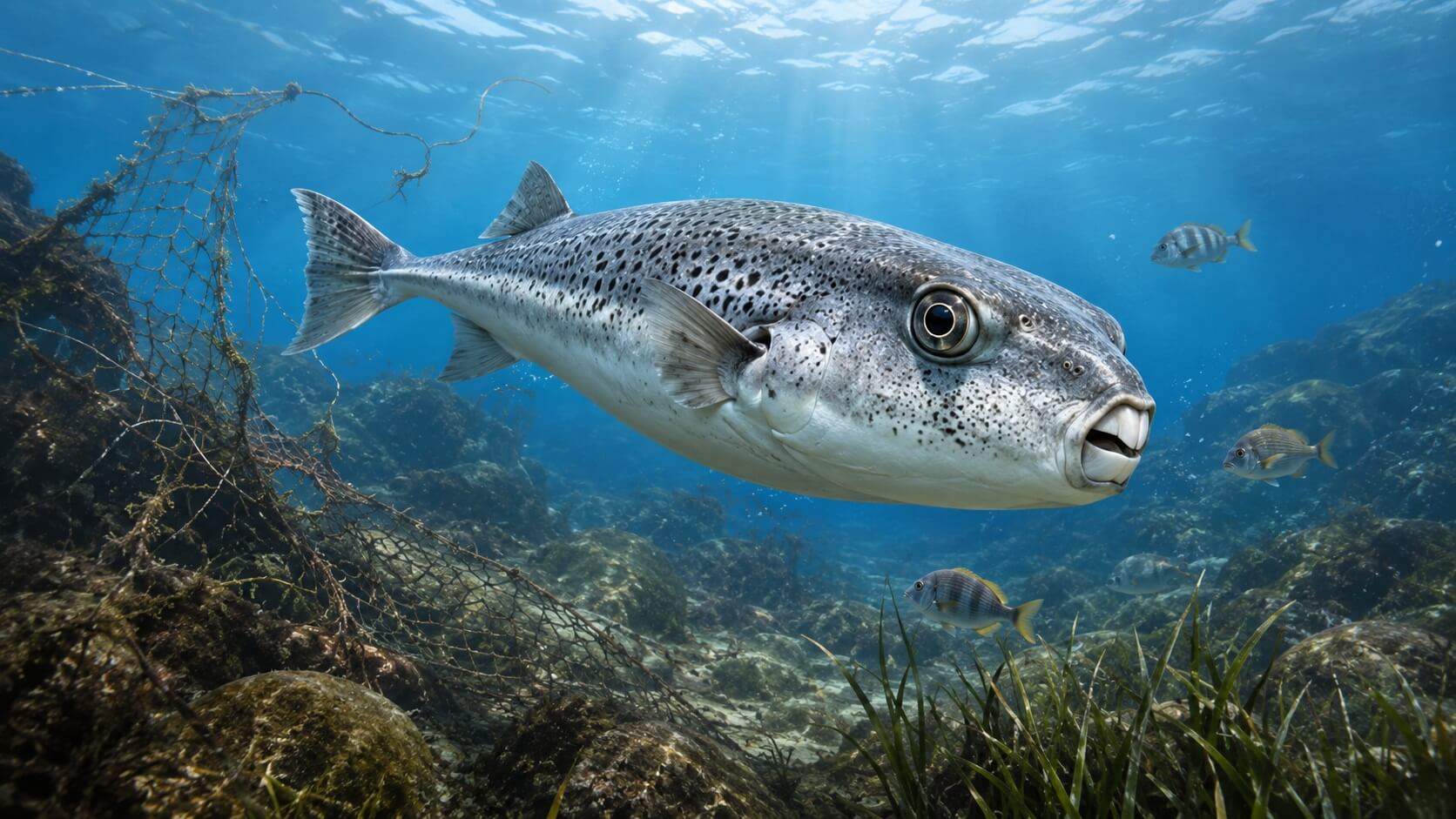
Note: The image is for illustrative purposes only.
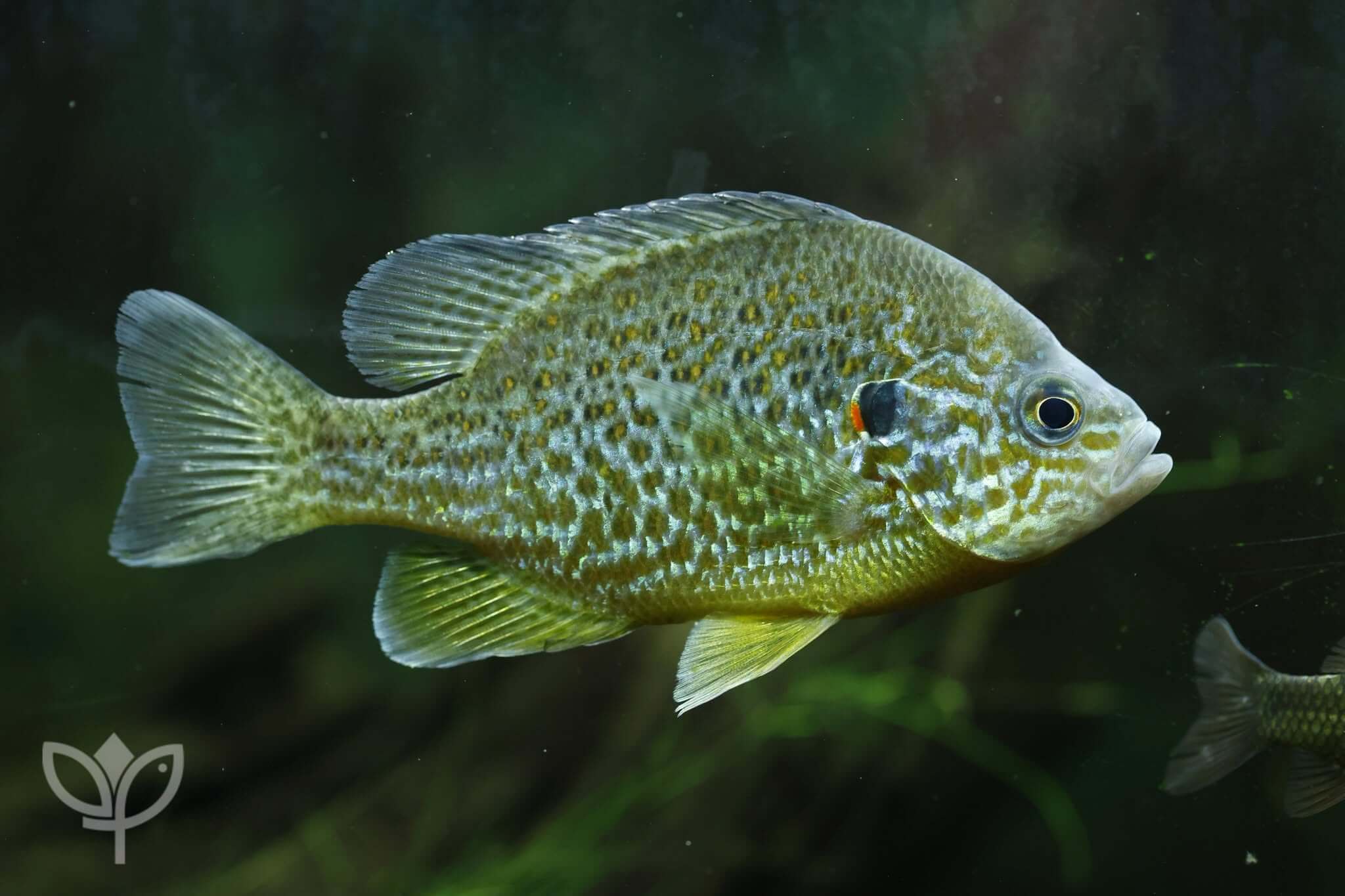
At first glance, it resembles an exotic aquarium fish. Its sides are adorned with greenish-blue stripes, orange spots, and a conspicuous red-edged spot on the gill covers. Pumpkinseed Sunfish (Lepomis gibbosus) unfortunately represents a non-native invasive species in the Czech Republic, which can compete with native fish, consume their eggs, and affect the communities of aquatic invertebrates.
The native home of the pumpkinseed sunfish is the eastern part of North America, including the Great Lakes region. It was introduced to Europe in the second half of the 19th century. The first known European occurrence dates back to 1877, when it was kept in garden ponds at the Palace of Versailles. It later spread to Germany, the Netherlands, and other countries.
Its spread was facilitated by intentional stocking for sport fishing, cultivation in ornamental ponds, and the release of aquarium fish into the wild. Some populations also arose unintentionally, for example, during the transport of fry of economically significant fish species. Currently, the pumpkinseed sunfish is found in dozens of European countries.
The first documented records from the territory of the Czech Republic date back to 1929 from the Třeboň region. The fish likely arrived here unintentionally along with carp fry imported from then Yugoslavia.
It has gradually been recorded in the areas of Lužnice, lower Povltaví, central Polabí, Orlice, and southern Moravia, especially in the Morava and Dyje river basins. Its distribution in the Czech Republic is not continuous. It tends to form local populations in places that provide suitable conditions for reproduction and sufficient food. The current occurrences are recorded in the Nature Conservation Database managed by the Agency for Nature Conservation and Landscape Protection of the Czech Republic.
The pumpkinseed sunfish has a high, distinctly flattened body. In its native area, it can exceptionally grow up to approximately 40 centimeters, but in Czech conditions, it usually does not exceed 15 centimeters and weighs around 200 grams.
The coloration is highly variable. The back is usually olive green to yellow-brown, while the belly can range from bronze to yellow or orange. Wavy greenish-blue stripes are noticeable on the head, and small colored spots are found on the sides.
The most distinctive identifying feature is a dark spot on the elongated part of the gill covers. In the pumpkinseed sunfish, it is complemented on the rear edge by an orange to red crescent-shaped spot. Males acquire even more intense colors during the breeding season.
The pumpkinseed sunfish primarily seeks still or slow-flowing waters at lower altitudes. Suitable environments for it include:
- backwaters and ponds,
- smaller fish ponds and garden reservoirs,
- sand pits and flooded quarries,
- irrigation and drainage canals,
- calm sections of smaller rivers.
It thrives best in warm waters with soft bottoms, intricate shorelines, and abundant submerged plant growth. It usually avoids strong currents. Young fish form larger schools in shallow water near the shores, while adults are more often found alone or in small groups among vegetation.
The diet of the pumpkinseed sunfish changes according to its size and the offerings of specific locations. It preys on larvae of aquatic insects, crustaceans, mollusks, and other invertebrates. Larger individuals also consume eggs, fish fry, and small fish.
This broad dietary spectrum is one of the reasons for its success. It can utilize various food sources while competing with native species that have similar ecological requirements. In smaller ponds or isolated pools, it can significantly alter the abundance of aquatic invertebrates and worsen conditions for the reproduction of native fish when present in high numbers.
However, its impact is not the same across all locations. Monitoring in southern Moravia, for example, has pointed out a possible correlation between the abundant occurrence of the pumpkinseed sunfish and the decline of the rainbow trout in some arms of the Kněžpolský forest. In the area of the confluence of the Morava and Dyje rivers, both species are found together at times, and the population of the rainbow trout remains stable. The actual influence therefore depends on the characteristics of the location, population density, and the state of the entire aquatic ecosystem.
The pumpkinseed sunfish typically matures within one to two years. The male digs a circular nest in shallow water, usually in the form of a depression several dozen centimeters in diameter. Different females can lay eggs in the same nest.
The male then vigorously guards the eggs and freshly hatched fry. He drives away other fish, sometimes even significantly larger ones, and can transport escaping fry back with his mouth. This parental care increases the likelihood of offspring survival and helps the species colonize new locations.
The pumpkinseed sunfish is listed on the EU list of invasive non-native species with significant impacts on the European Union. Restrictions apply to species on this list regarding possession, breeding, reproduction, transport, sale, and release into the wild. Therefore, it cannot be acquired as an aquarium or pond fish or relocated between locations without the appropriate permit.
Czech fishing law also stipulates that an invasive non-native species from the EU list must not be returned to the water after being caught. The pumpkinseed sunfish also cannot be used as bait fish. Caught individuals must be handled in accordance with animal protection rules and the fishing regulations of the respective area.
Complete removal of an established population is practically impossible. Regular fishing may temporarily reduce the number of fish, but it usually cannot catch all individuals. A few surviving fish can repopulate the area.
In small and technically manageable ponds, complete drainage and leaving the bottom to dry for a sufficiently long time can be effective. However, such an intervention must be professionally planned, as it can also affect native fish, amphibians, and aquatic invertebrates. Therefore, the most important measure remains the prevention of further spread.
Never transfer the pumpkinseed sunfish to another water body or release it from an aquarium or garden pond. It is advisable to document a new or unusual occurrence with a photograph and record the exact location and date.
Observations can be submitted via the BioLog app or iNaturalist. The Agency for Nature Conservation and Landscape Protection of the Czech Republic also accepts reports via email. It is helpful to attach a photograph, coordinates, or a marked location on a map, along with the date of observation. The data is subsequently stored in the Nature Conservation Database and helps in monitoring the spread and planning potential interventions.
The pumpkinseed sunfish is undoubtedly one of the most colorful fish that can be seen in Czech waters. However, its appearance and interesting breeding behavior must not overshadow the fact that it is a non-native species capable of influencing local aquatic communities.
Its story also serves as a reminder that releasing a single ornamental fish may not be a harmless act. A species that appears exotic and innocent in an aquarium can establish a viable population after escaping into a suitable environment and remain a part of our nature for many decades.
- AOPK ČR – Pumpkinseed Sunfish
- Invasive species from the EU list
- AOPK ČR – rules for handling invasive species
- AOPK ČR – reporting occurrences of invasive species
Just a few decades ago, encountering a tropical pufferfish in the Mediterranean would have seemed like a biological curiosity. Today, some species are a permanent part of its eastern region and are gradually penetrating into the Adriatic Sea and the western Mediterranean. The silverstripe pufferfish attracts the most attention, as its invasion poses ecological, economic, and health problems.
The silverstripe pufferfish (Lagocephalus sceleratus) originates from tropical and subtropical regions of the Indian and Pacific Oceans. It reached the Mediterranean from the Red Sea via the Suez Canal. The Suez Canal created a corridor between two originally separated marine areas, allowing hundreds of non-native organisms to spread into the Mediterranean. These include fish, mollusks, crustaceans, jellyfish, and algae. Not all can establish themselves permanently in the new environment, but the silverstripe pufferfish is among the exceptionally successful colonizers.
The first confirmed Mediterranean find of this species dates back to 2003 from the Turkish Gulf of Gökova. This was followed by rapid spread along the coasts of Turkey, Israel, Lebanon, Egypt, Cyprus, and Greece. Later, it was recorded in Tunisia, Malta, the Adriatic Sea, and even near Ceuta at the Strait of Gibraltar. CIESM currently assesses it as a very common species in the Mediterranean, especially in its eastern part.
A significant warning for European tourists and aquarists was the find in the Croatian bay of Medulin. A male measuring 52.2 centimeters and weighing 1.33 kilograms was caught here in May 2024. This was the northernmost confirmed find of the silverstripe pufferfish not only in the Adriatic but in the entire Mediterranean.
The Suez Canal itself opened a path for the fish, but their successful establishment also depends on conditions in the new environment. The Mediterranean is warming, and especially its eastern part increasingly resembles the subtropical regions of the Red Sea.
Higher temperatures prolong the period during which tropical species can reproduce and actively feed. At the same time, the temperature barrier that previously slowed their advance into the northern and western parts of the Mediterranean is diminishing. Rising temperatures promote the spread of non-native pufferfish and other warmth-loving fish, altering the species composition of coastal ecosystems.
The silverstripe pufferfish is also not a dietary specialist. It preys on crustaceans, mollusks, echinoderms, cephalopods, and smaller fish. It can move over sandy and rocky bottoms, around reefs, seagrass beds, and in harbor areas. Its eggs and larvae float freely in the water column, allowing ocean currents to transport them over considerable distances.
The body of this fish is elongated in a resting state and tapers towards the tail. The head is robust, with a blunt snout and prominent eyes. The upper part of the body is grayish to silvery and covered with dark spots. A distinct light, silvery stripe runs along the sides, and the belly is white.
The dorsal and anal fins are positioned far back and are almost opposite each other. The pelvic fins are completely absent. A typical feature is also the four robust dental plates – two in the upper and two in the lower jaw. They form a beak that the fish easily uses to crush the shells of mollusks, the exoskeletons of crustaceans, fishing lines, and parts of nets.
When threatened, the pufferfish can quickly gulp water and significantly increase its body volume. Common individuals measure approximately 20 to 60 centimeters, and according to the CIESM atlas, they can reach lengths of up to around 85 centimeters.
Other non-native pufferfish species also appear in the Mediterranean, such as Lagocephalus suezensis or Lagocephalus guentheri. However, the silverstripe pufferfish is considered the most problematic due to its size, rapid spread, feeding behavior, and high toxicity.
The most serious risk is tetrodotoxin, an extraordinarily potent neurotoxin that can be found in the liver, reproductive organs, intestines, skin, and muscle tissue of the fish. Its quantity varies among individual specimens, organs, seasons, and locations. Therefore, there is no part of the Mediterranean pufferfish that can be considered safe to eat.
Tetrodotoxin blocks sodium channels in nerve and muscle cells. The first symptoms of poisoning are often tingling or numbness of the lips and tongue, nausea, vomiting, dizziness, and muscle weakness. Severe poisoning progresses to total paralysis and respiratory failure, while the affected person may remain conscious.
The toxin is heat-stable. Common cooking, frying, drying, or freezing does not reliably destroy it. There is also no specific antidote for poisoning, and treatment mainly consists of intensive supportive care and artificial ventilation until the organism eliminates the toxin.
European regulations therefore prohibit the marketing of products derived from toxic fish of the Tetraodontidae family. The fish cannot be considered the Mediterranean equivalent of the Japanese fugu, which could be safely prepared merely by removing the internal organs.
A study published in 2024 collected at least 144 cases of non-fatal poisoning and 27 deaths from pufferfish consumption in the eastern Mediterranean between 2004 and 2023. The authors also recorded 28 cases of physical attacks or bites. The data comes from scientific literature, medical reports, interviews, and other records, and the actual number of incidents may vary.
The pufferfish is not poisonous in the sense of an animal that actively injects toxin through a sting or spine. Simply swimming near it generally does not pose an immediate danger. The risk arises primarily from consumption or very close contact.
However, its powerful teeth can cause deep wounds. Documented cases of bites have primarily involved fishermen, people handling catches, and bathers who approached the fish, attempted to feed it, or found themselves in its immediate vicinity. Attacks on humans remain less frequent compared to the risk of poisoning, but they cannot be entirely ignored.
An invasive species is not dangerous solely because it is toxic. What is essential is how it affects native communities. The silverstripe pufferfish is a strong and adaptable predator that consumes economically and ecologically significant crustaceans, mollusks, and fish.
It can thus reduce the abundance of certain species and alter relationships in food chains. In its new environment, it also has a limited number of natural enemies. Its toxicity, size, and ability to quickly occupy various types of habitats give it a significant advantage.
Here it is important to distinguish between non-native and invasive species. A non-native organism does not automatically cause harm. It is considered invasive when it successfully reproduces in a new environment, spreads rapidly, and has demonstrable negative impacts. The silverstripe pufferfish meets these criteria in the eastern Mediterranean.
The economic damage is very visible. Pufferfish chew through fishing lines, damage nets, and remove caught fish from them. The catch can be spoiled before the fisherman hauls it aboard. Since the pufferfish itself cannot be sold as food, its accidental catch represents additional work and costs without economic benefit.
Greek fishermen report damages to nets reaching thousands of euros per year for individual boats. Cyprus and, more recently, Greece have therefore introduced a program in which professional fishermen are financially rewarded (in Greece 5.33 euros/kg) for targeted catches and handing over pufferfish for safe disposal. European projects are also exploring the possibilities of industrial processing of the fish into feed ingredients, but only under conditions where the toxin is professionally deactivated.
When diving or snorkeling, it is advisable to observe the fish from a distance. It is not good to feed it, chase it into hiding, or attempt to catch it. Photographing from a safe distance can help document its further spread.
Fishermen should not taste, fillet, or give the catch to pets. When handling, one must primarily account for a quick and strong bite. The method of reporting, killing, or handing over the fish varies in different Mediterranean countries, so it is advisable to follow the guidelines of local fishing and veterinary authorities.
After a bite, it is necessary to stop the bleeding, clean the wound, and seek medical attention. If there is suspicion of pufferfish ingestion or the first neurological symptoms appear, emergency services should be contacted immediately. Waiting for spontaneous improvement can be life-threatening in cases of tetrodotoxin poisoning.
For aquarists, the pufferfish can be fascinating due to its anatomy, intelligence, and unusual defense mechanism. However, the silverstripe pufferfish is definitely not a suitable candidate for a typical home marine aquarium.
It grows to a considerable size, is an active predator, possesses an extraordinarily strong dentition, and can attack other organisms and the technical equipment of the tank. Handling a large specimen poses a risk of injury, and any potential death creates a problem for the safe disposal of the toxic body. Therefore, live individuals should not be caught or transported from the wild.
The complete removal of the silverstripe pufferfish from the Mediterranean is likely no longer realistic. The species is spread over too large an area and has established stable populations in many regions. However, targeted catches, monitoring of new finds, informing fishermen and the public, and strict control of fish sales make sense.
The story of the pufferfish also illustrates how quickly seemingly familiar marine ecosystems can change. The combination of artificially created migration routes, intensive shipping traffic, and warming waters allows tropical species to move further north. A fish that was almost unknown in the Mediterranean at the beginning of this century is now one of the most prominent symbols of biological invasion in European seas.
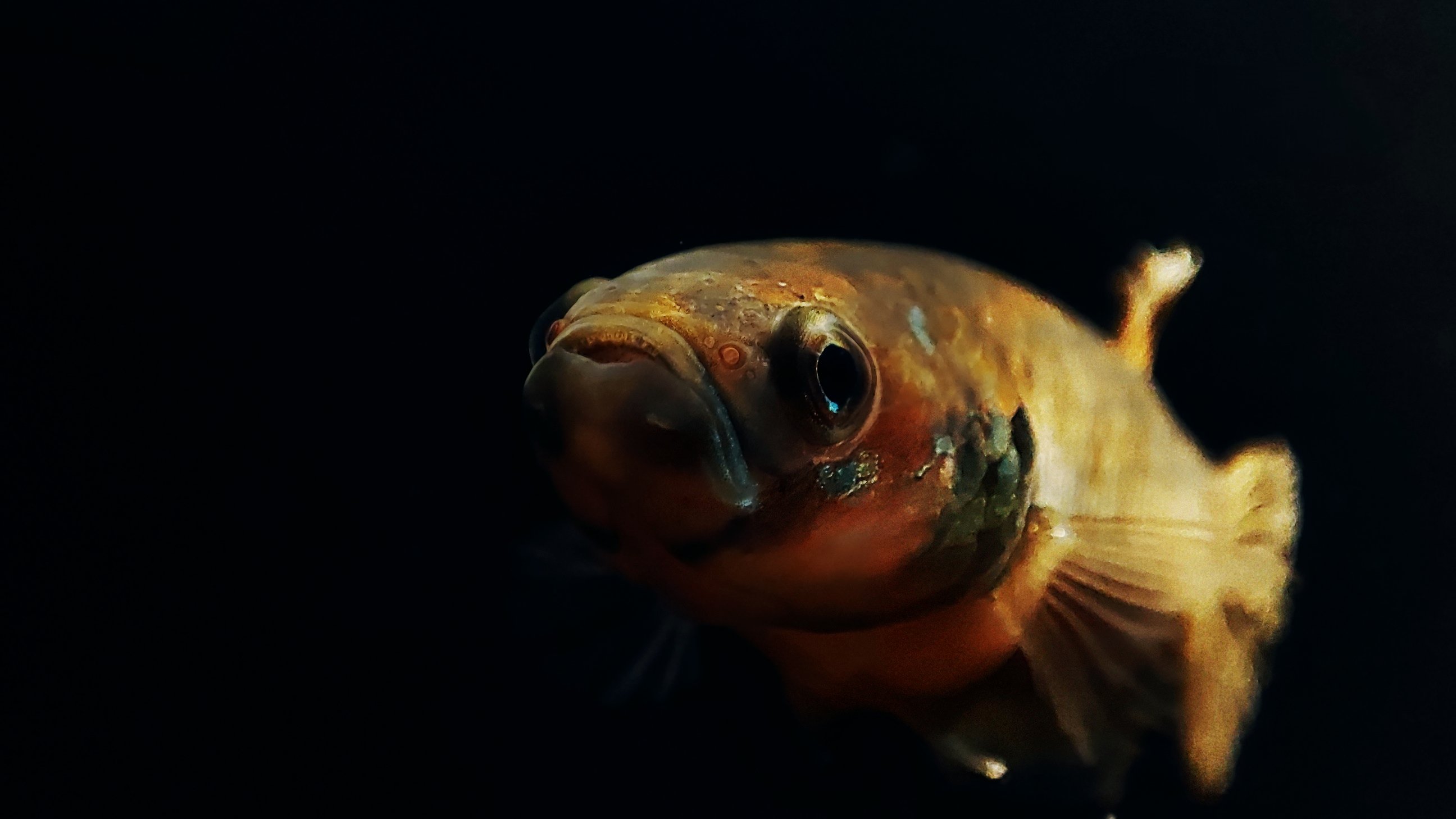
When I sit in front of the aquarium and capture the happenings within it. I notice that I am being observed. And so I sometimes wonder who is observing whom.
Hello aquarists and breeders!
Summer is in full swing, but that doesn't mean our tanks should be idle. On the contrary – the end of August will be an ideal opportunity to refresh the blood in your breeding stock, find rare strains of fish, or replenish your supplies of cuttings of aquatic plants after the summer season.
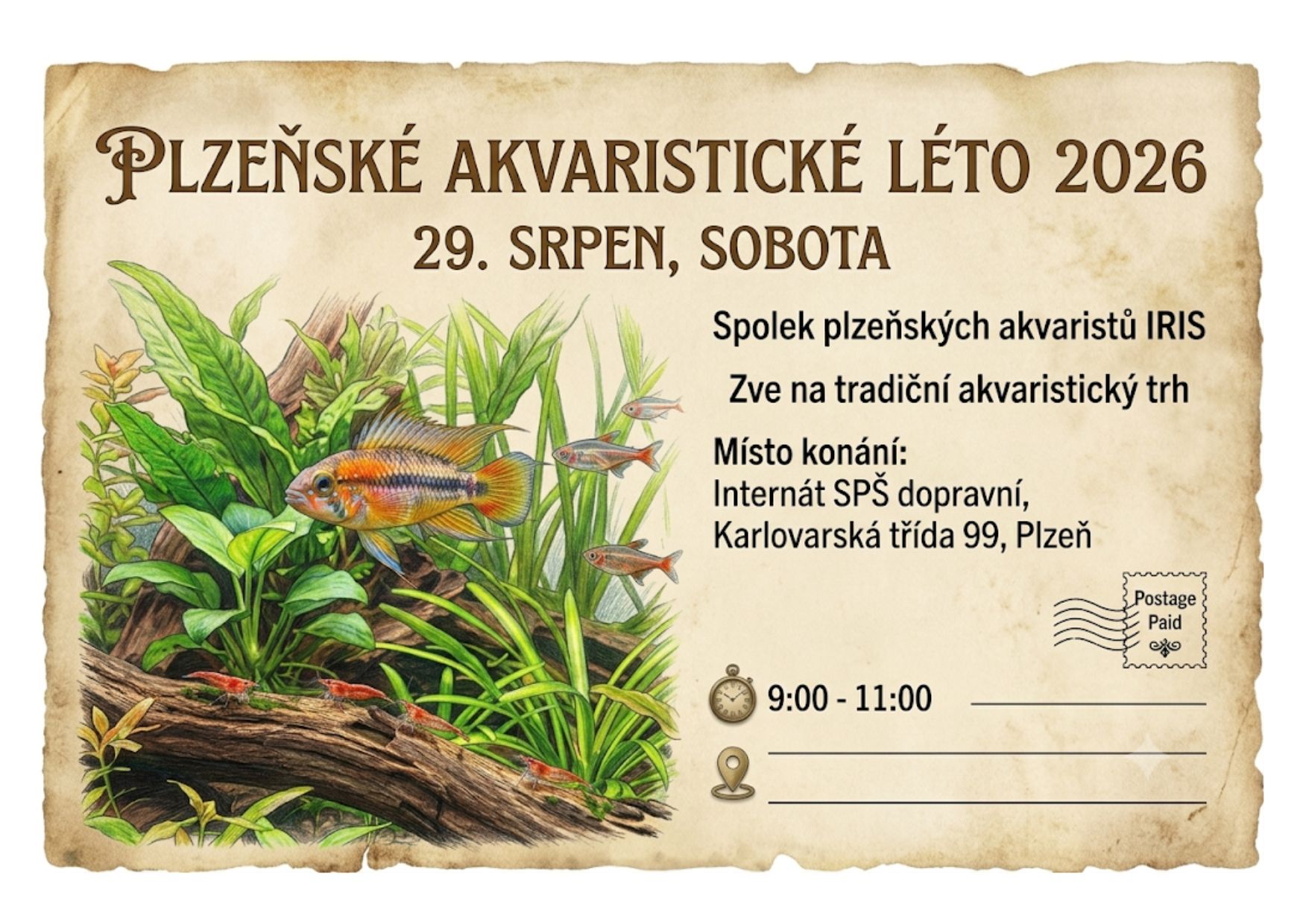
The Plzeň Aquarists Association IRIS warmly invites you to the Plzeň Aquarist Summer 2026, a traditional summer aquarist market, which will take place on Saturday, August 29, 2026.
Why shouldn't you miss this event?
- Directly from breeders: No anonymous imports from wholesalers. You will find a wide selection of aquarium fish, invertebrates, and plants directly from the breeders of local and distant aquarists.
- Complete assortment: In addition to live material, quality feeds (live, frozen, and dried specialties) and breeding supplies will be available at favorable prices.
- Expert advice: The IRIS Association is historically the second oldest aquarist association in the Czech lands. You will meet veterans of Czech aquaristics on site, with whom you can consult fish diseases, water parameters, cichlid genetics, or setups for demanding aquascaping projects.
- When: Saturday, August 29, 2026
- Time: 9:00 AM – 11:00 AM (We recommend arriving on time; the best pieces disappear within the first hour!)
- Location: Dormitory of the SPŠ Transport, Karlovarská třída 99, Plzeň
Do you have full aquariums of your own breeding or trimmed moss and lack space for new projects? Come show your breeding successes to others!
Reservation of sales spots: Table orders are accepted until August 26, 2026. Space capacity may be limited, so don't delay with your reservation.
- 📞 Phone: 603 231 494
- ✉️ Email: info@irisplzen.cz
If you miss regular contact with people who share the same passion for the underwater world, you have a unique opportunity. Those interested in membership in the IRIS Association can sign up directly at the event. By doing so, you will support organized aquaristics in the Czech Republic and gain access to club events and lectures.
Come chat about fish, shop, and meet old acquaintances from the field.
We look forward to seeing you in Plzeň!
The Team of the Plzeň Aquarists Association IRIS
Hello all aquarium enthusiasts!
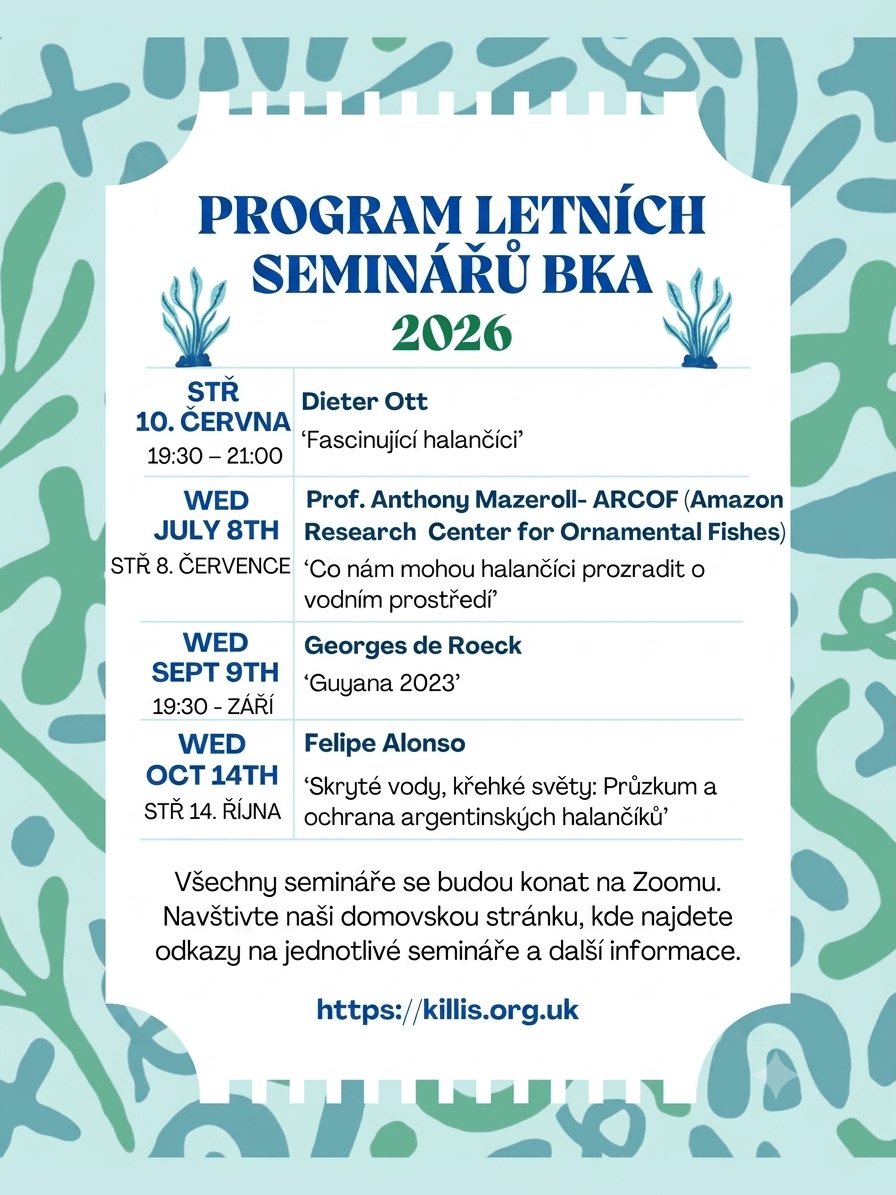
The British Killifish Association (BKA) warmly invites you to the first in a series of summer online seminars, taking place this Wednesday, June 10th. If you are interested in killifishes, their care, color forms, or just want to gain inspiration from an experienced foreign aquarist, don’t miss this lecture. Everyone is welcome!
- Speaker: Dieter Ott
- Topic: “Fascinating Killifishes” (The Fascinating World of Killifishes)
- When: Wednesday, June 10, 2026, at 20:30 CEST (19:30 BST / GMT)
- Where: Online via Zoom
You can join the lecture directly by clicking the link below or entering the details in the Zoom app:
- Join link: Enter Zoom room
- Meeting ID: 827 0388 5789
- Passcode: australe
> 📅 Tip: If you want to save the meeting directly to your calendar, you can download the iCalendar (.ics) file here.
More information about other upcoming seminars (July, September, October) can be found on the official website killis.org.uk.
We look forward to your participation! 🐠 Feel free to share the invitation with other fellow aquarists.
Akváristé a teraristé, zbystřete! Máme pro vás skvělý tip na akci, kterou byste si letos na podzim rozhodně neměli nechat ujít. Akva-tera klub ZO ČSCH Rychnov nad Kněžnou pořádá již 47. ročník legendární výstavy AkvaEXPO 2026 RK.
Přijďte načerpat inspiraci, nakoupit do svých nádrží nebo si jen užít skvělou atmosféru mezi lidmi se stejnou vášní.
- Termín: 12. – 20. září 2026
- Čas: denně od 8:30 do 18:00 (poslední den 20. 9. pouze do 16:00)
- Místo: Dům chovatelů, Trčkova 437, Rychnov nad Kněžnou
- Velká výstava: Fascinující expozice akvarijních ryb, vodních rostlin a terarijních živočichů.
- AkvaEXPO v Rychnově nad Kněžnou není jen obyčejná prodejní burza, ale kompletní zážitek pro všechny milovníky podvodního života a terarijních zvířat.
- Nádrže budou připraveny jen těmi nejlepšími a nejšikovnějšími akvaristy!
- Tradiční prodej: Bohatý výběr ryb, krevet, živých rostlin, kvalitních krmiv a dalšího akvaristického i teraristického vybavení přímo od chovatelů.
- Přímo na místě bude probíhat velký prodej akvarijních ryb, krevet, šneků a vodních rostlin. Chovatelé zde nabídnou také kvalitní krmiva, akvarijní techniku a další chovatelské potřeby. Máte tak jedinečnou šanci pořídit vše potřebné pro váš aquascaping nebo chov na jednom místě a za skvělé ceny.
- Odborné přednášky: Možnost rozšířit si obzory a pobavit se s experty z oboru.
- Součástí doprovodného programu jsou odborné přednášky. Můžete zde konzultovat své chovatelské úspěchy i starosti s předními českými akvaristy a terarity. Těšte se známá akvaristická jména!(více zveřejníme brzy)
Výstava v Rychnově má neopakovatelnou atmosféru s téměř padesátiletou tradicí. Je ideálním místem pro setkání komunity, načerpání nové inspirace a nákup zdravých živočichů přímo z českých odchovů.
Tip pro návštěvníky:
- Pokud jedete na výstavu primárně za nákupy rostlin a ryb, doporučujeme dorazit v prvních dnech konání, kdy je výběr nejširší. Pokud chcete klidnější prohlídku expozic, zvolte pracovní dny v dopoledních hodinách.
- Akce je známá také skvělým pohoštěním, takže můžete využít posezení k diskuzi a občerstvení.
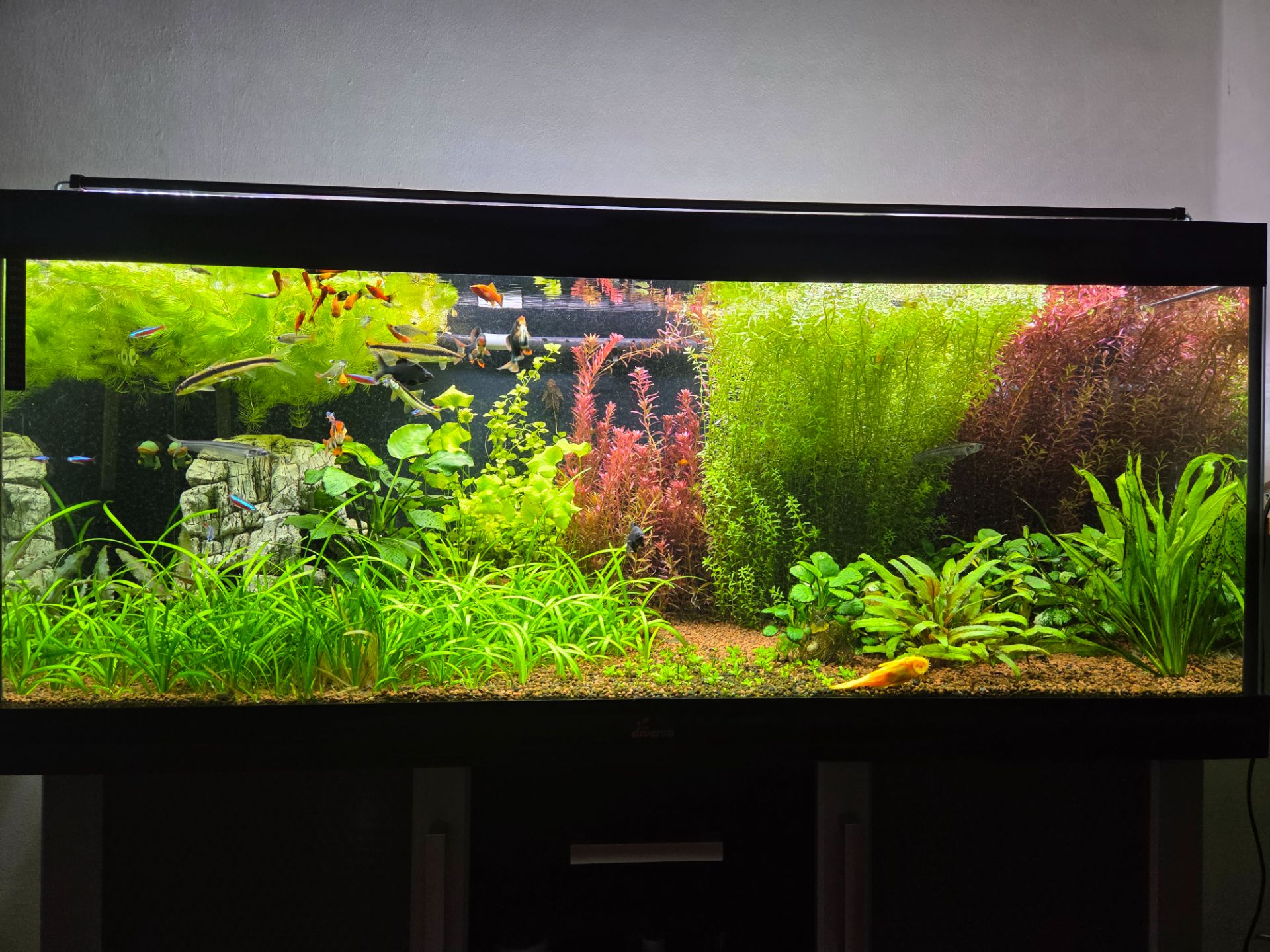
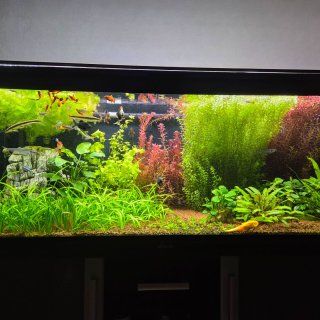
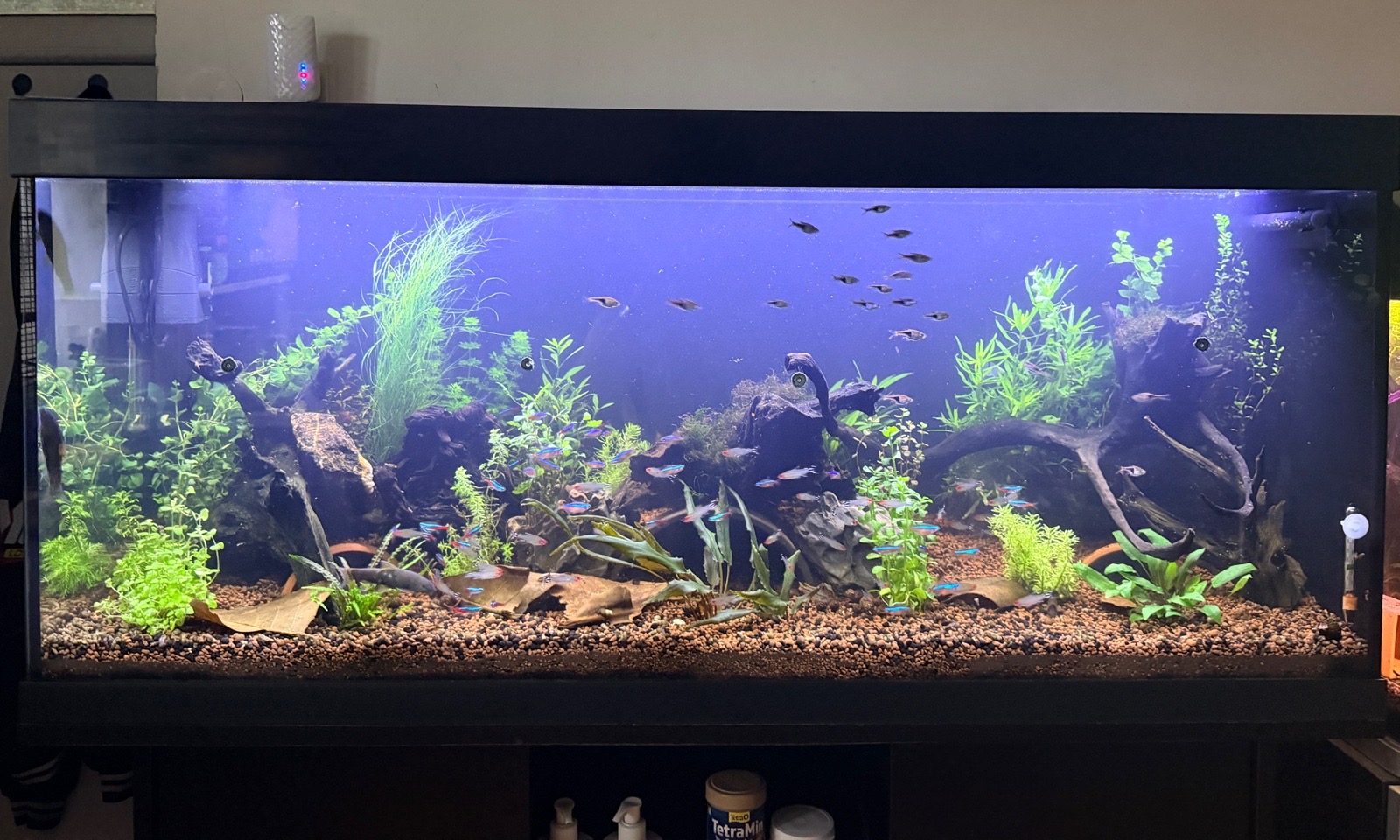
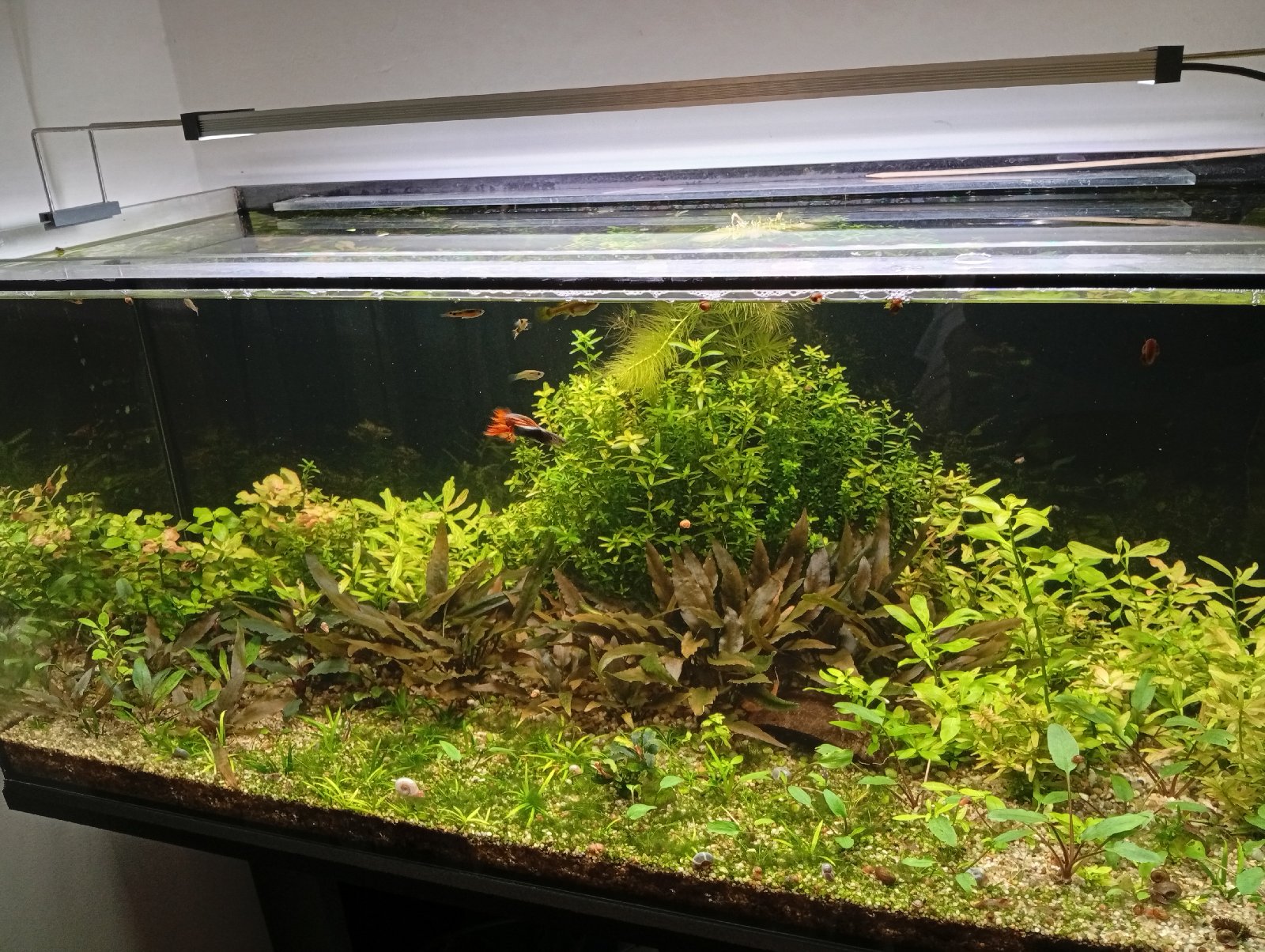
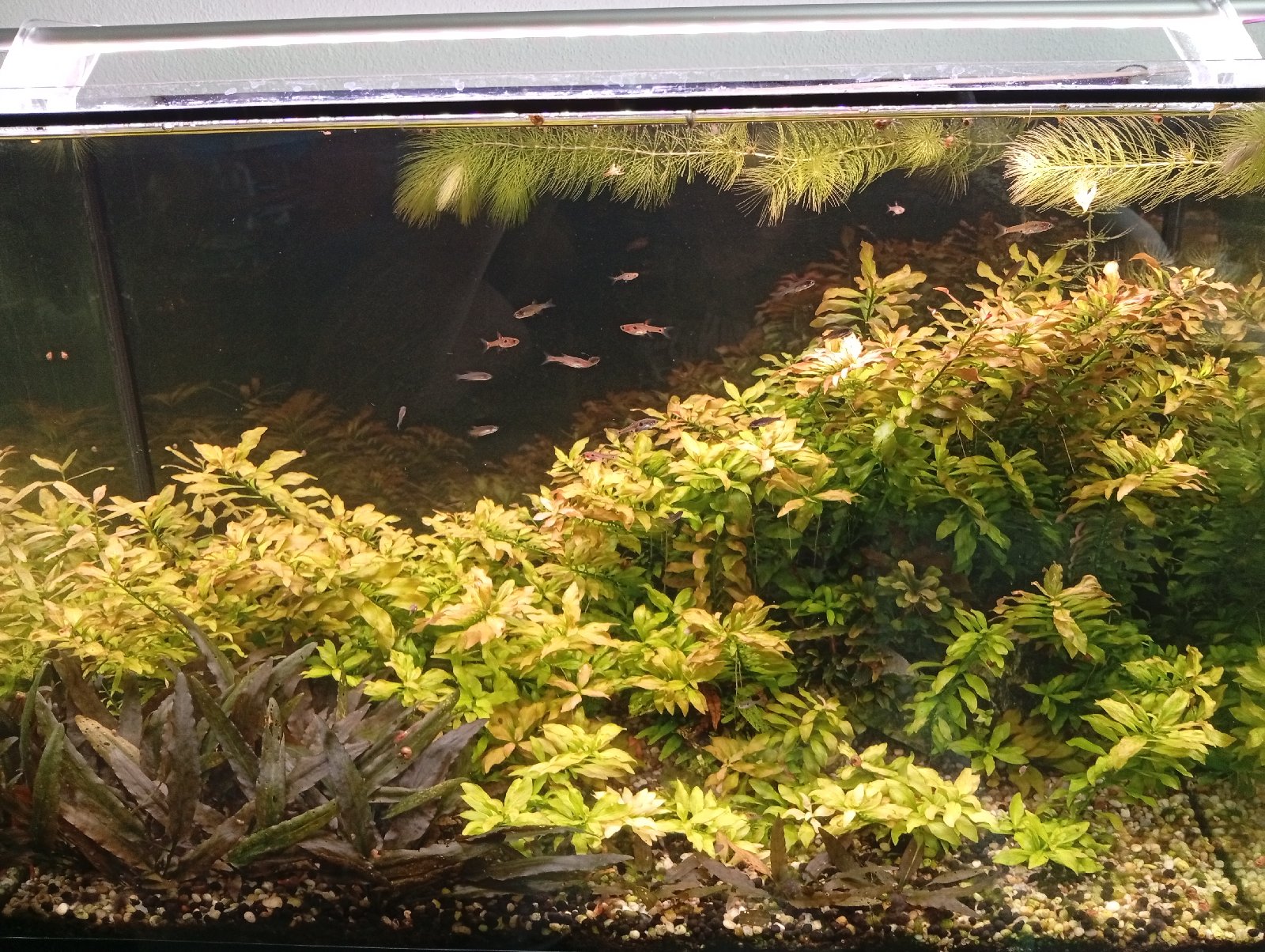
Aquarium after the renovation, how is it doing and what changes have occurred? The first photo is right after the renovation and the second one is after 1 month and 17 days. What do you think? Would you change anything?
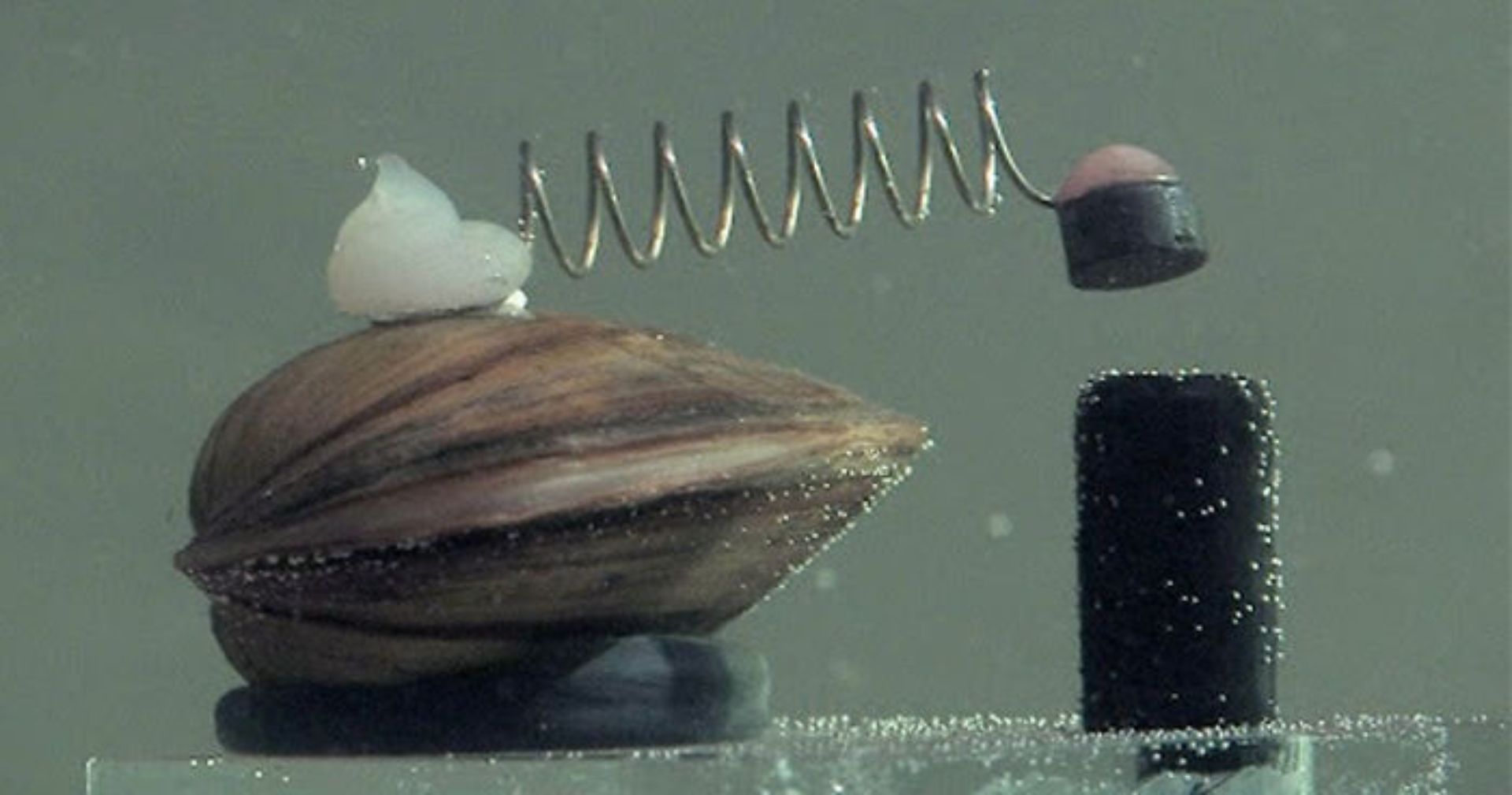
On the banks of the Vistula, a system operates that would have seemed more like an experiment than a part of urban infrastructure just a few years ago. Warsaw utilizes freshwater mussels as living sensors for water quality. This is not a curiosity, but a full-fledged layer of protection for drinking water, directly connected to the control systems of the waterworks.
The basic principle is simple: mussels filter water, and if something harmful appears in it, they immediately close their shells. This movement, which is a matter of survival for the organism, is translated into data in Warsaw using sensors attached to their shells. The system monitors group behavior and responds to synchronous changes.
Technical Solution
Small sensors are attached to the shells, measuring their opening in real-time. Data is continuously evaluated and filtered to eliminate random behavior of individual organisms, thus the behavior of the entire group is closely monitored. Once multiple mussels begin to close simultaneously within a defined time frame, the algorithm evaluates this as an anomaly and responds by issuing an alarm. This signal is connected to the waterworks control system (SCADA), which can automatically react—such as by shutting off the water supply.
The technical implementation is simple yet precise. Small sensors are attached to both halves of the mussel, capable of measuring the distance between them with high accuracy, that is, the degree of opening. Data is transmitted to the control unit at short intervals, where it is processed. Importantly, the system does not work with a single immediate impulse. It first filters out random movements and the natural behavior of individual organisms, then tracks trends over time, and primarily compares reactions among multiple mussels.
Mussels Discover More Than Classic Sensors
Unlike traditional probes that measure specific parameters such as pH, conductivity, or the presence of defined chemical substances, mussels operate differently. They respond to the overall impact of the environment on a living organism. This means they can detect situations where an unknown substance or a combination of multiple factors appears in the water, which individually might not exceed any limits from the sensors' perspective.
In the case of contamination, mussels close within seconds, and the entire system can evaluate the situation within tens of seconds to one minute. This speed makes biomonitoring an ideal "first warning layer" that complements more detailed but slower laboratory analyses.
To maintain reliability, the system works with a group of several individuals, and their behavior is continuously calibrated. Mussels are placed in a flow chamber, where they constantly filter water from the river, and after a certain period, they are replaced to prevent adaptation to the environment.
The great thing about this is that the mussels are not harmed; they live in an environment similar to their natural habitat and are returned to nature after a few months, with their place taken by their successors.
This is what aquaristics can look like in a country where theft is practically nonexistent and rules are followed. In a residential area, there is this open aquaristics where you can choose fish or accessories and pay into a donation box.
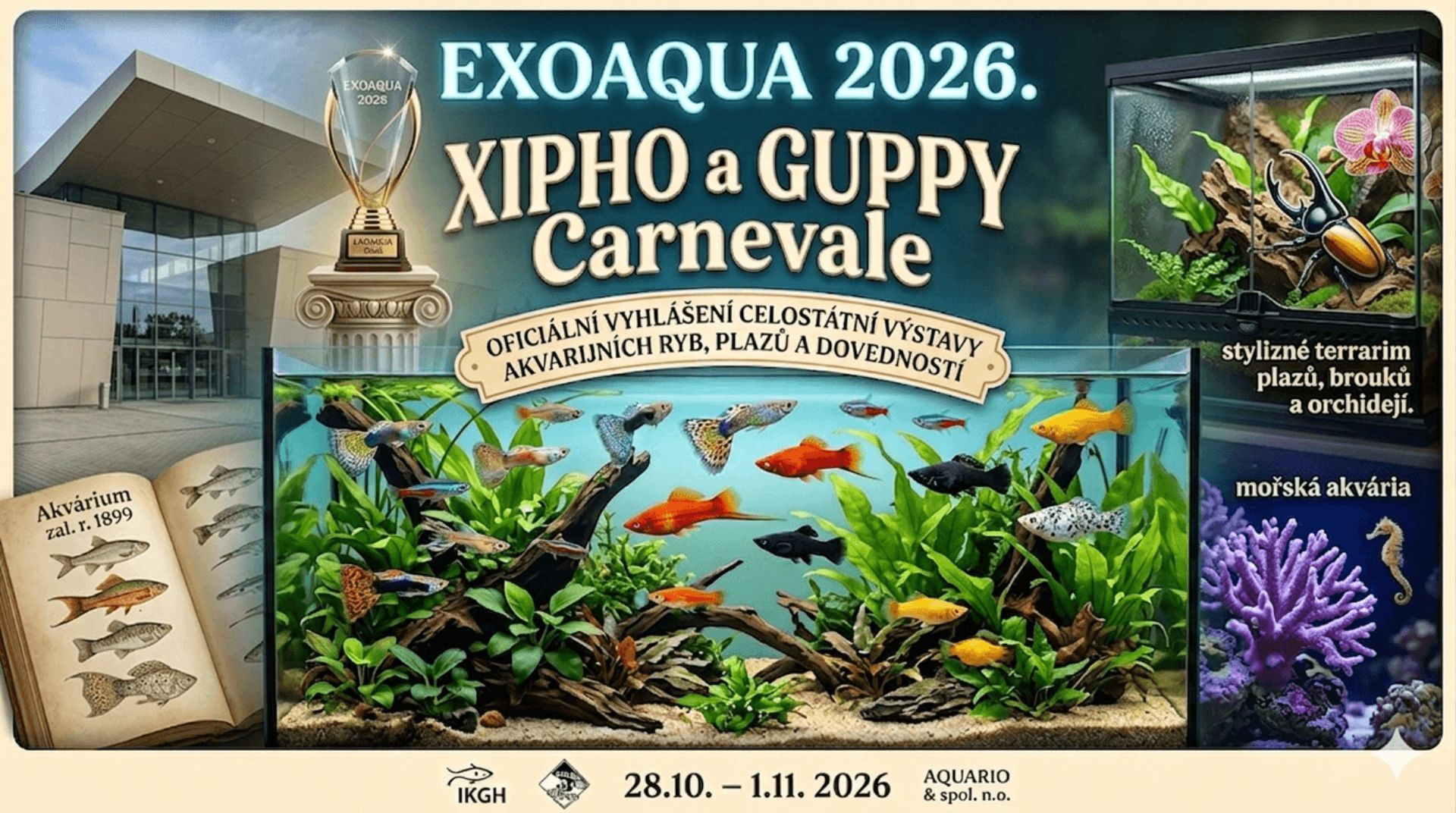
Official Announcement of the National Exhibition of Aquarium Fish, Reptiles, and Skills
Open Championship of the Czech Republic in Breeding Livebearers (Guppy, Xipho, and Molly) – Czech Open
Following the championship exhibitions organized by the former association Akvárium, established in 1899.
Organizer: AQUARIO & spol. n.o., ID: 27016439 | aquario@aquario-euro.net
Venue: Lysá nad Labem, Exhibition Grounds (Masarykova 1727, 289 22 Lysá nad Labem)
Member of IKGH – International Kuratorium Guppy High-breeding
Václav Schebelle – Associate judge for clubs for the 2026 European Championship season
Held as part of the exhibition EXOTIKA 2026
Date: October 28 to November 1, 2026 (Wednesday to Sunday)
Program 2026:
- Competitive Exhibition: Championship of the Czech Republic in Breeding Guppy, Xipho, and Molly.
- Natural Biotopes: Exhibition display – Central America, Amazon, Africa, Asia.
- Aquascaping: Exhibition of “aqua players” (tanks 0–200 l).
- Aquarium Free: Open competition creation and presentation by aquarists (tanks over 200 l).
- Marine Aquariums: Exhibition display (octopuses, seahorses, corals, etc.).
- Snails and Beetles: Bred forms from Africa.
- Orchid: Thematic flower exhibition.
- Antiquarian: Specialized literature from the respective fields.
- Lectures: Marine aquaristics, genetics, invasive species + GMOs, Czech aquarium pond, and more.
Details of the Exhibitions:
Championship Exhibition: Conducted according to the global regulations of IKGH.
Guppy: collection of 3 males + 1 female, or pairs (male + female). Evaluated based on similar traits (fin shape, color, size, vitality).
Xipho and Molly: always a pair with similar traits.
Biotope Exhibits: A glimpse into pure nature without artificial decorations and visible technology.
RETRO Exhibition: A reminder of the beginnings of aquaristics in Europe.
Aquascaping: A modern style of aquaristics emphasizing the harmony of plants, light, and decorations.
Snails and Beetles: Exhibition and sales display (African snails, terrestrial crustaceans – “pigs,” etc.).
The exhibitions will showcase both natural and highly bred forms. The event will include the sale of fish from domestic breeders and the distribution of the AQUA directory (contacts for breeders of specific species).
NEW: Open Amateur Exhibition with Sales
We invite all hobby aquarists to present their breeding stocks of GUPPY, XIPHO, and MOLLY to the wider public. Separate tanks will be prepared for registered participants (smaller exhibition tanks and larger sales tanks).
We encourage all aquarists and clubs to participate! Come compare your breeding successes and experience the prestigious atmosphere of the championship.
Further organizational information will follow, or we will provide it in person.
On behalf of AQUARIO & spol.
Václav Schebelle
The first photo is before the edit and the second one is after the edit. Which one do you like more? And what would you change or add, if anything?
Do you have a full calendar, but you only find out about the best auction or lecture the day after? The German Cichliden-Forum.de is hosting an online lecture that will delight anyone who wants to have a perfect overview of what’s happening in the world of aquaristics.
Online Lecture: Vivaristik Calendar in Practice
Manfred Dietz will introduce a revolutionary tool for all aquarists – the Vivaristik Calendar.
When: Wednesday, April 8, 2026, at 7:30 PM
Where: Online (Zoom)
Language: German with real-time Czech subtitles (over 40 languages available)
What will it be about?
The goal is to unify all dates, events, links, and locations in one place in the cloud. Manfred will show you:
✅ How to find all aquaristic events with one click.
✅ How to avoid unfortunate scheduling conflicts.
✅ How to connect the calendar with your own phone or applications.
✅ Practical demonstrations directly in the calendar interface.
At the end of the lecture, there will be plenty of time for your questions and assistance with setup.
Why join?
Vivaristics is not just about fish in the aquarium, but also about meeting and sharing experiences. This calendar is a bridge that connects us all. Guests are warmly welcomed!
Tip for Czech aquarists: Thanks to Zoom's feature, automatic Czech subtitles will be available, so you don’t have to worry about the language barrier.
Want to participate?
Follow the Cichliden-Forum.de website to get the access link to Zoom.
To join the Zoom meeting:
https://us02web.zoom.us/j/82319496616?pwd=LjA2oPUsfVaOxub63B32TB3wDvGuji.1
Meeting ID: 823 1949 6616
Passcode: 020589
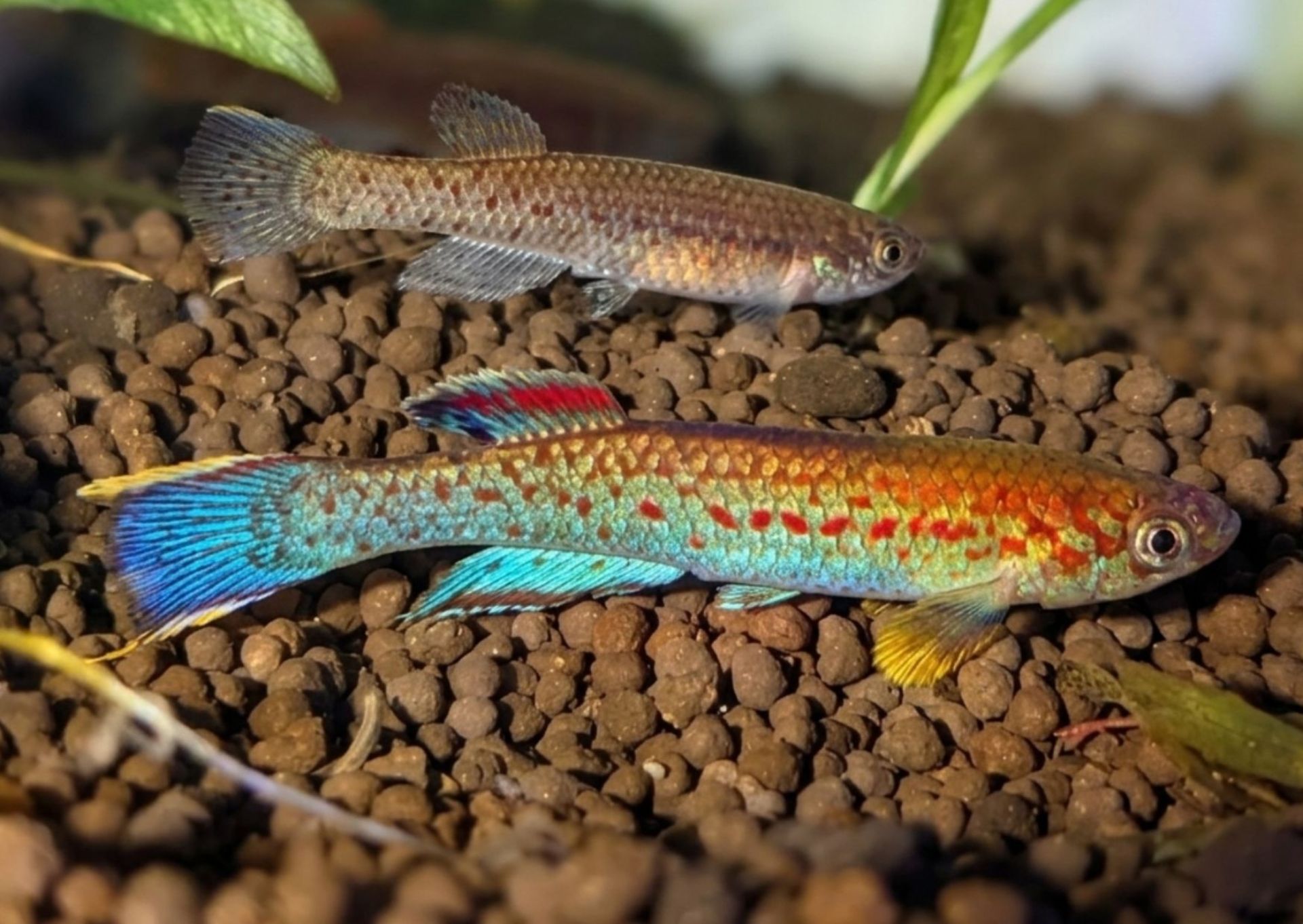
Scriptaphyosemion schmitti are beautiful lampeye killifish. My Schmitti stand out best in a dark environment. Their metallic blue and red colors literally shine when the aquarium is dim. The fish have fallen in love with the moss and enjoy resting in it. I maintain the temperature around 22°C and pH 6.8. They love to feast on Izya worms and daphnia. However, they are not very keen on Tubifex, which surprised me quite a bit. They would rather indulge in dried food instead.
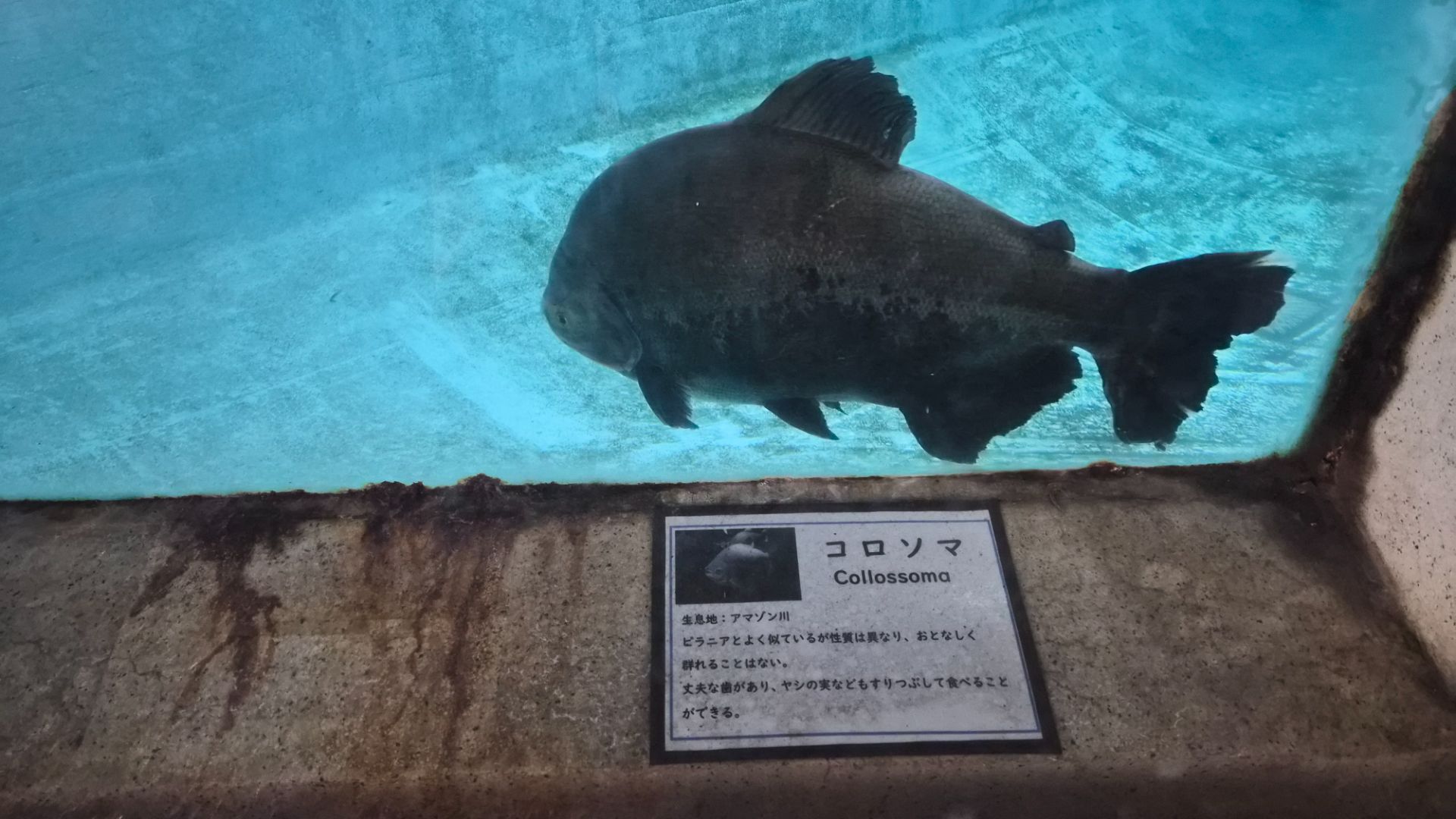
While traveling in Japan, I came across fish farming in the city of Beppu, famous for its hot springs. Unfortunately, the Japanese attitude towards animals is not ideal, and it shows... The arapaima looked completely desperate. 😤
While reading the fantastic book Ocean by David Attenborough, I came across an interesting creature that I would like to share with you.
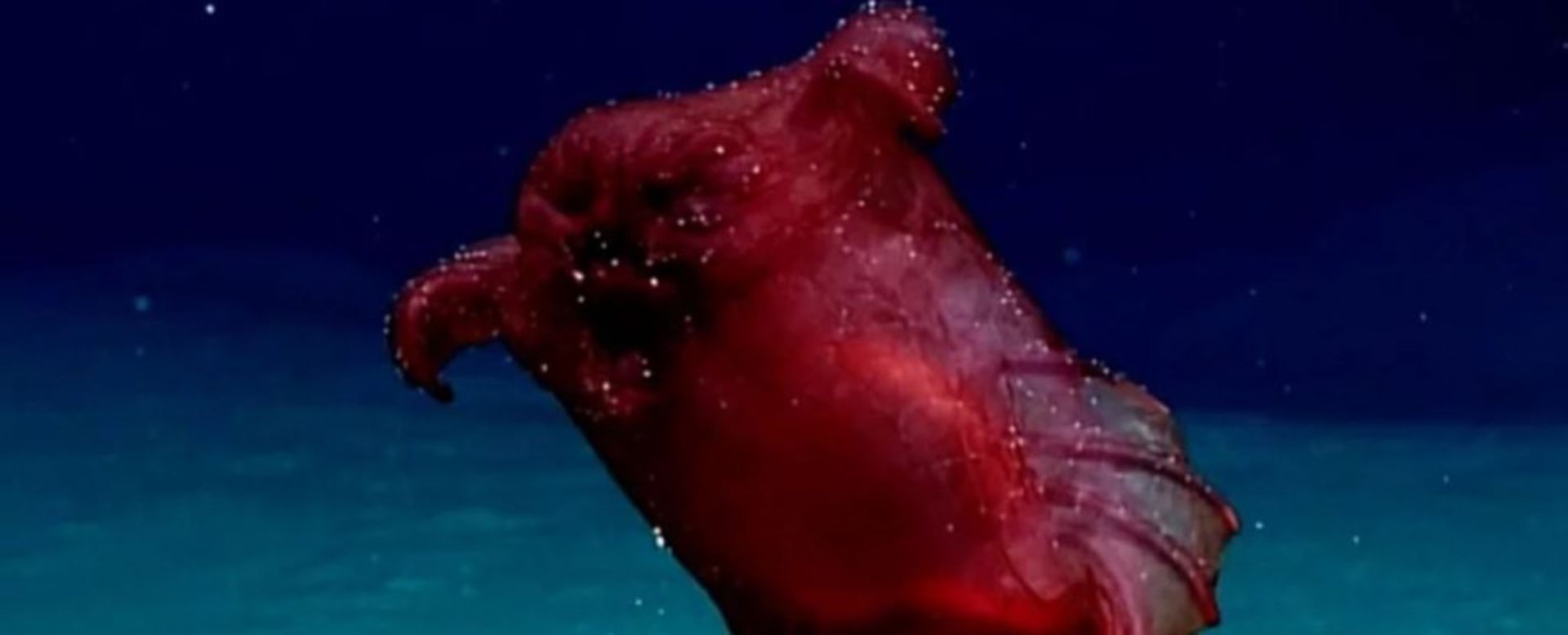
Enypniastes eximia is a dark red deep-sea sea cucumber, unflatteringly referred to as the "headless chicken monster" due to its appearance while hovering above the sea floor, although it is actually a beautiful creature. This species of sea cucumber (order Elasipodida, class Holothuroidea) is unique in that it can detach from the sea floor and "fly" in the water column. Enypniastes is a close relative of the well-known "sea cucumbers."
Enypniastes has a gelatinous, translucent body (often very transparent in younger individuals) and a wide "veil" at the front that functions as a swimming surface. It measures about 10 centimeters and its surface is sticky and stinging.
Most of the time, the sea cucumber spends on the bottom in a horizontal position, gathering food with its legs from the upper layer of sediment, but when it needs to change location quickly or escape, it hovers above the sea floor. A remarkable feature of Enypniastes is that when threatened, it can "shed" the outer layer of its surface and release it, drifting away in another direction.
Beautiful footage and many more interesting facts about this creature can be found in these videos:
https://www.youtube.com/watch?v=dJnbbt9QVtA
https://www.youtube.com/watch?v=YnR-Agj7crM
We invite you to the next Akva Tera market, which will take place at the Delta cultural center in Břeclav.