

When clams monitor water: smart biomonitoring in Warsaw
On the banks of the Vistula, a system operates that would have seemed more like an experiment than a part of urban infrastructure just a few years ago. Warsaw utilizes freshwater mussels as living sensors for water quality. This is not a curiosity, but a full-fledged layer of protection for drinking water, directly connected to the control systems of the waterworks.
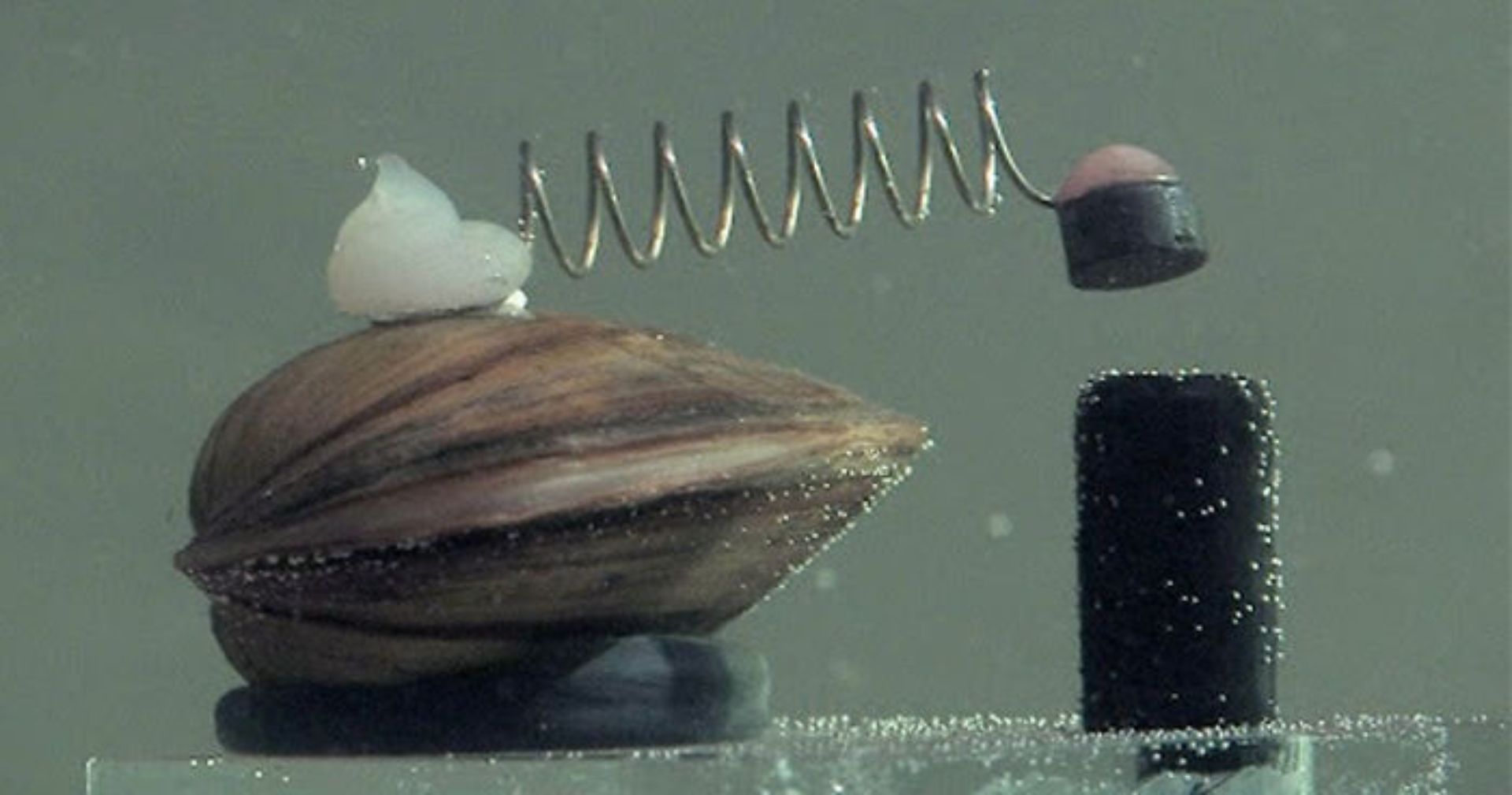
The basic principle is simple: mussels filter water, and if something harmful appears in it, they immediately close their shells. This movement, which is a matter of survival for the organism, is translated into data in Warsaw using sensors attached to their shells. The system monitors group behavior and responds to synchronous changes.
Technical Solution
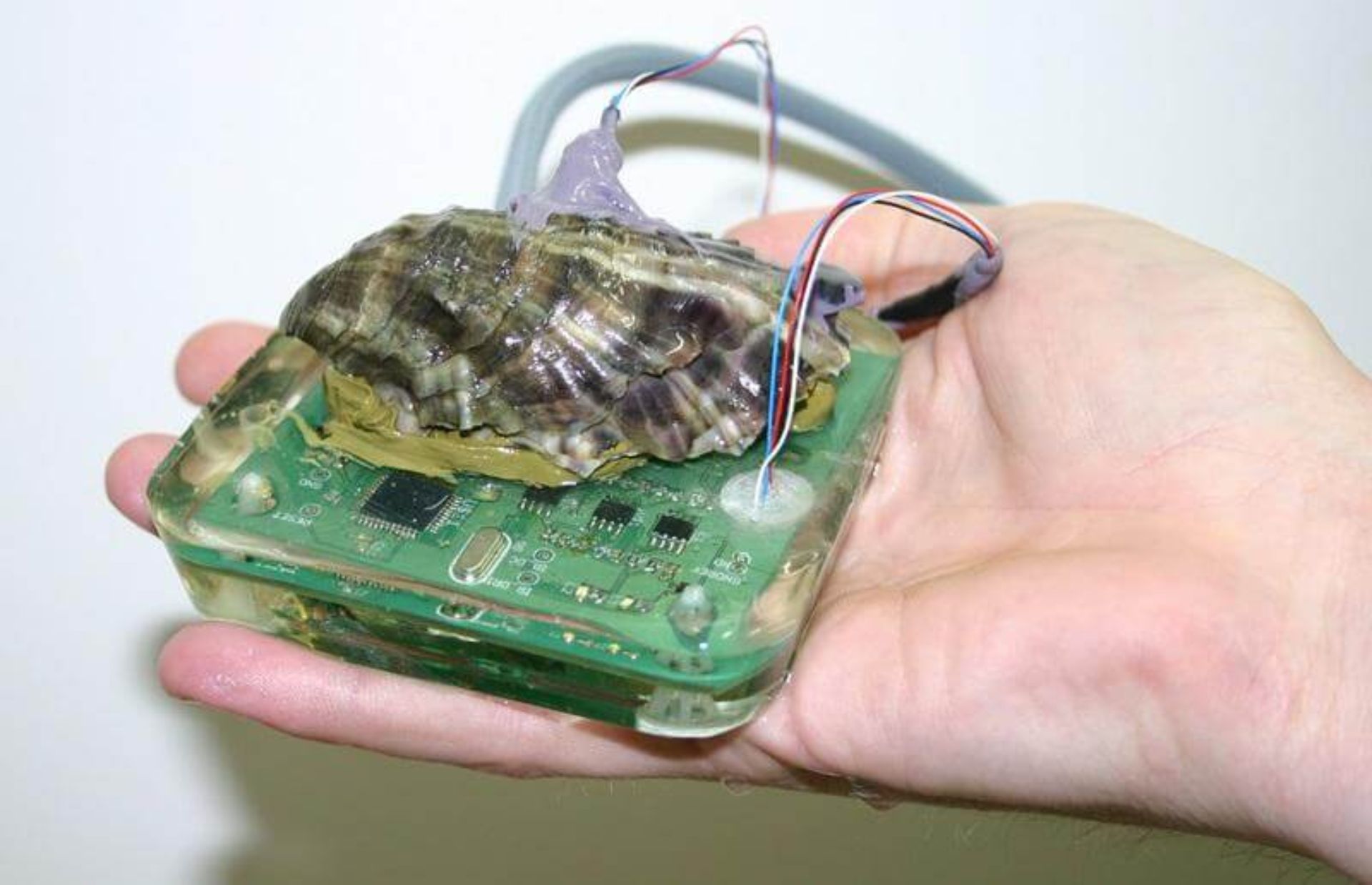
Small sensors are attached to the shells, measuring their opening in real-time. Data is continuously evaluated and filtered to eliminate random behavior of individual organisms, thus the behavior of the entire group is closely monitored. Once multiple mussels begin to close simultaneously within a defined time frame, the algorithm evaluates this as an anomaly and responds by issuing an alarm. This signal is connected to the waterworks control system (SCADA), which can automatically react—such as by shutting off the water supply.
The technical implementation is simple yet precise. Small sensors are attached to both halves of the mussel, capable of measuring the distance between them with high accuracy, that is, the degree of opening. Data is transmitted to the control unit at short intervals, where it is processed. Importantly, the system does not work with a single immediate impulse. It first filters out random movements and the natural behavior of individual organisms, then tracks trends over time, and primarily compares reactions among multiple mussels.
Mussels Discover More Than Classic Sensors
Unlike traditional probes that measure specific parameters such as pH, conductivity, or the presence of defined chemical substances, mussels operate differently. They respond to the overall impact of the environment on a living organism. This means they can detect situations where an unknown substance or a combination of multiple factors appears in the water, which individually might not exceed any limits from the sensors' perspective.
In the case of contamination, mussels close within seconds, and the entire system can evaluate the situation within tens of seconds to one minute. This speed makes biomonitoring an ideal "first warning layer" that complements more detailed but slower laboratory analyses.
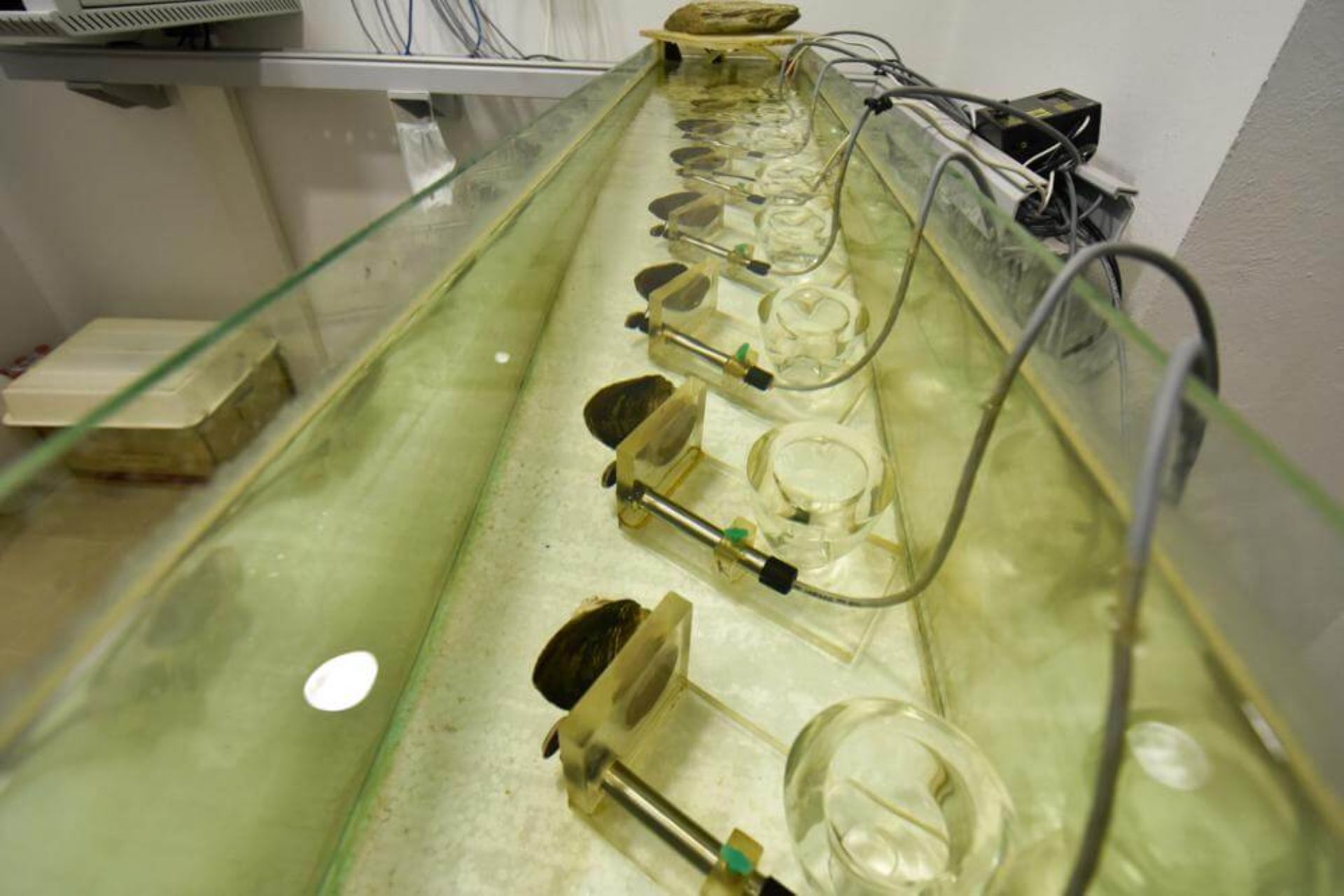
To maintain reliability, the system works with a group of several individuals, and their behavior is continuously calibrated. Mussels are placed in a flow chamber, where they constantly filter water from the river, and after a certain period, they are replaced to prevent adaptation to the environment.
The great thing about this is that the mussels are not harmed; they live in an environment similar to their natural habitat and are returned to nature after a few months, with their place taken by their successors.