
Najnovšie inzeráty

Ponorte sa do akvaristiky a pozrite sa, čo je u nás nové!

Kategória

Prečítajte si

Zaujímavosti zo sveta akvaristiky a vodných živočíchov
Obrázok
AkvaEXPO 2026 - the largest aquarium exhibition starts tomorrow, Saturday, September 12, 2026
551
2
1
AkvaEXPO 2026 - the largest aquarium exhibition starts tomorrow, Saturday, September 12, 2026
For Aquarist
, pred 1 dňom
Rychnov nad Kněžnou will again become one of the main meeting places for Czech aquarists in September. From September 12 to 20, 2026, the 47th edition of the traditional AkvaEXPO RK will take place here. Visitors can expect hundreds of aquariums, fish, plants, aquascaping, expanded terraristics, and the opportunity to purchase animals and aquarium equipment directly on site.
Obrázok
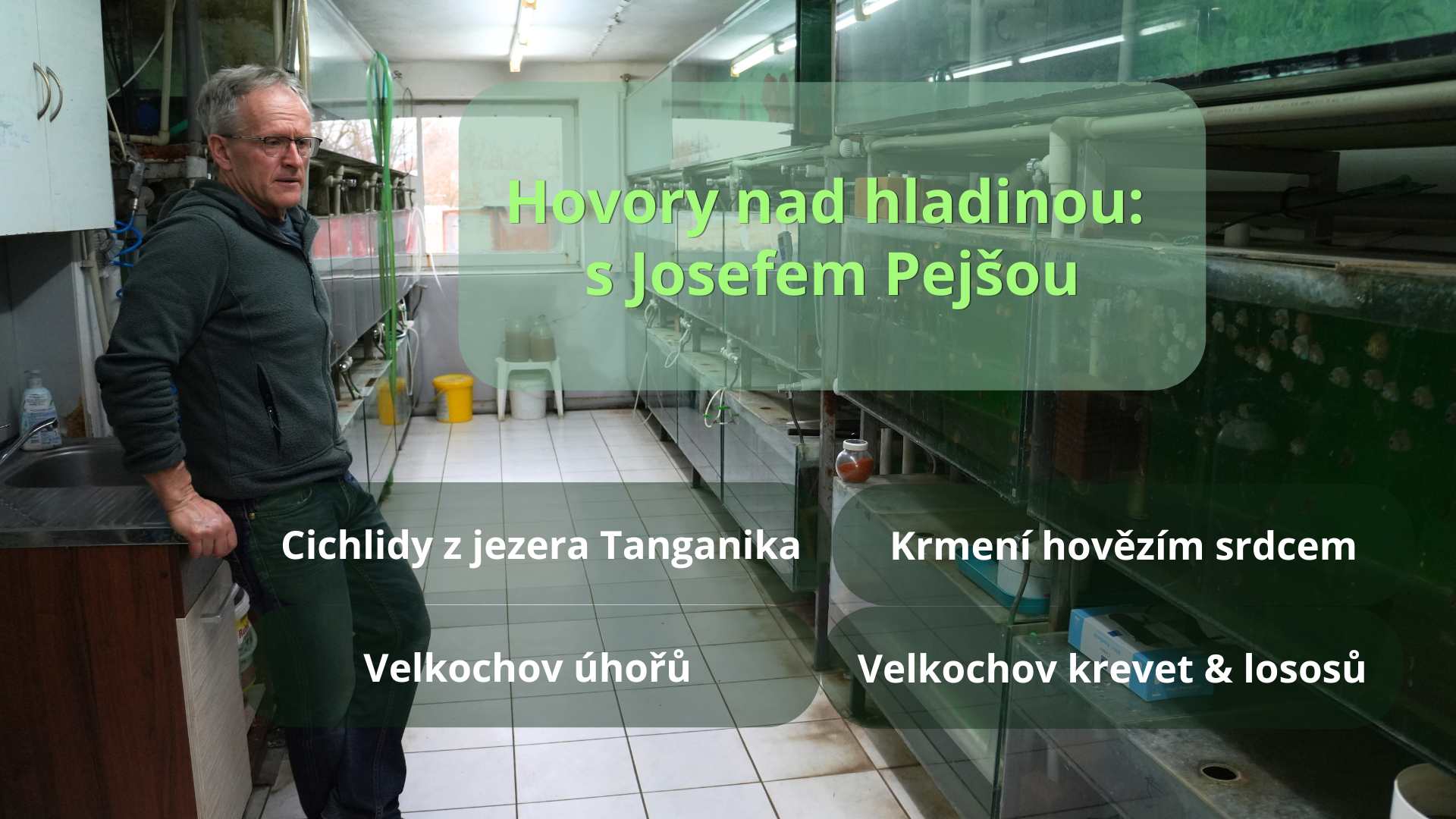
Conversations Above the Surface: On Malawi Cichlids, Homemade Fish Mixes, and Salmon "Bathing" in Antibiotics
2527
8
Conversations Above the Surface: On Malawi Cichlids, Homemade Fish Mixes, and Salmon "Bathing" in Antibiotics
For Aquarist
, pred 2 mesiacmi
Breeding aquarium fish is a lifelong passion for many, bringing constant discoveries of new insights. In the latest episode of the series Conversations Above the Surface, renowned aquarist Josef Pejša shares his rich experiences. Why does he believe that beef heart definitely belongs in the fish diet, how to successfully breed cichlids from Lake Malawi, and what is the dark side of commercial salmon or shrimp farming?
Obrázok
Heros severus – "poor man's discus" from the Amazon
2829
7
1
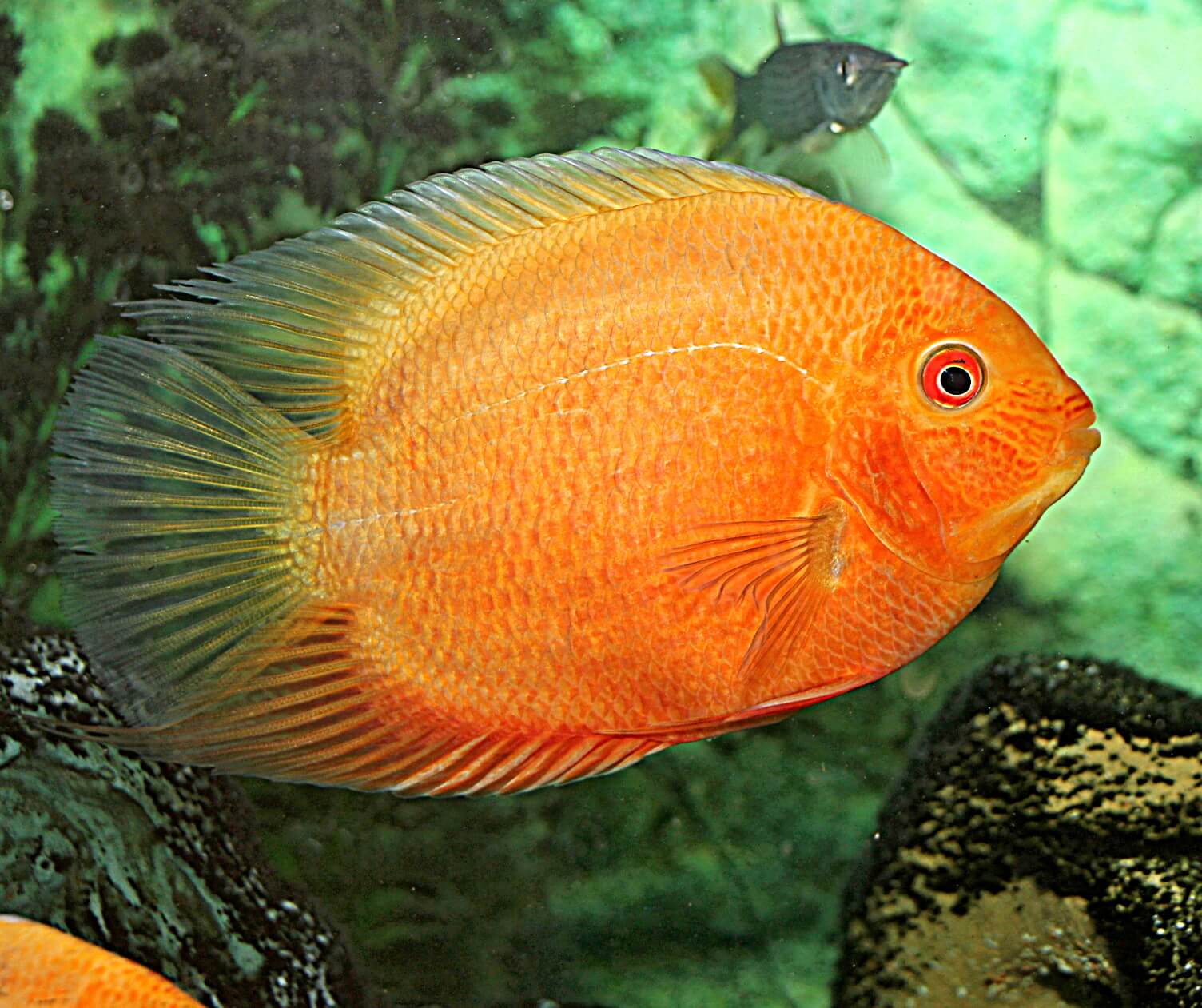
Heros severus – "poor man's discus" from the Amazon
Dr. Vladko Bydžovský
, pred 2 mesiacmi
They have the majestic appearance of discus fish but are significantly less demanding. The red-eyed cichlids, also nicknamed by aquarists as "severus cichlids" or "poor man's discus," are long-known gems of South American aquaristics. What does it take to keep these fascinating, inquisitive giants, how to set up a tank without risking destroyed plants, and what unconventional color variants currently dominate the aquarium world?
Obrázok
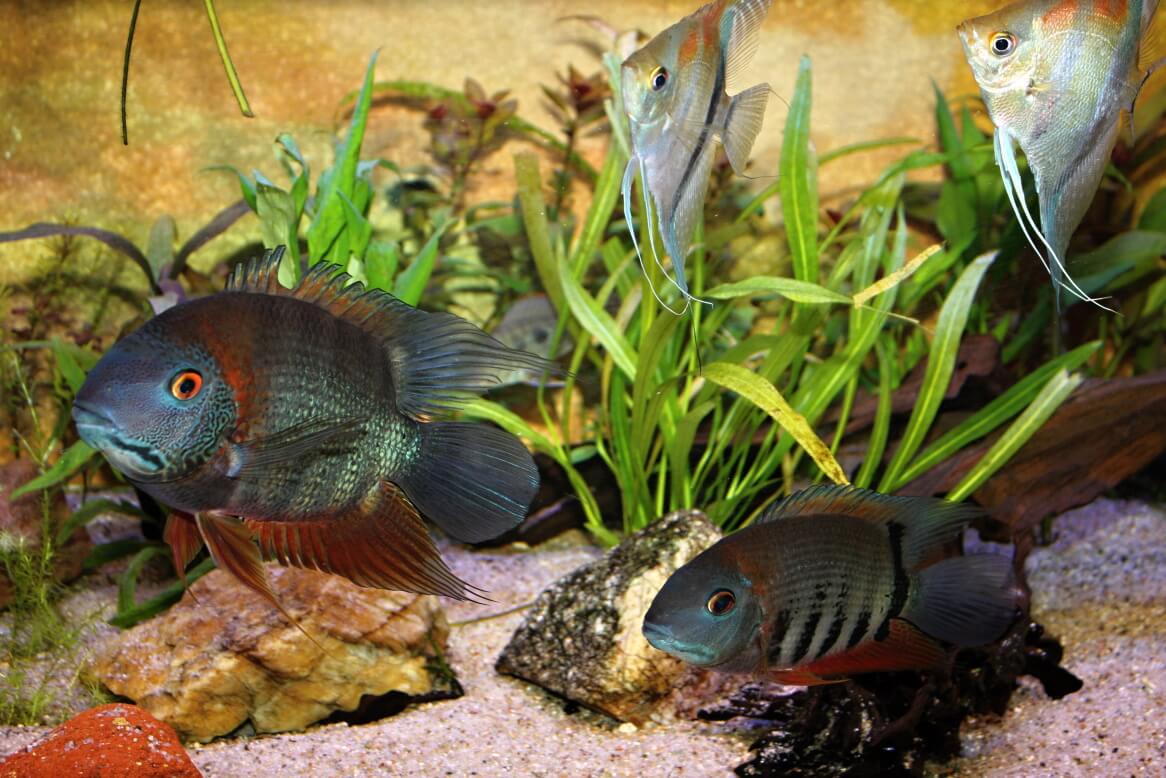
Large South American Cichlids: The Charm and Challenges of Keeping Large Cichlids
3332
8
Large South American Cichlids: The Charm and Challenges of Keeping Large Cichlids
Dr. Vladko Bydžovský
, pred 3 mesiacmi
The animal kingdom is full of surprises, and the world beneath the water's surface is no exception. Large South American cichlids fascinate aquarists not only with their majestic appearance but especially with their unexpected intelligence and complex social behavior. What does it take to keep these personalities of the fish world, how to create a piece of wilderness in your living room, and why should you avoid the feared Crenicichla?
Obrázok
Red-headed Cichlid: Majestic Giant with a Gentle Nature
3185
15
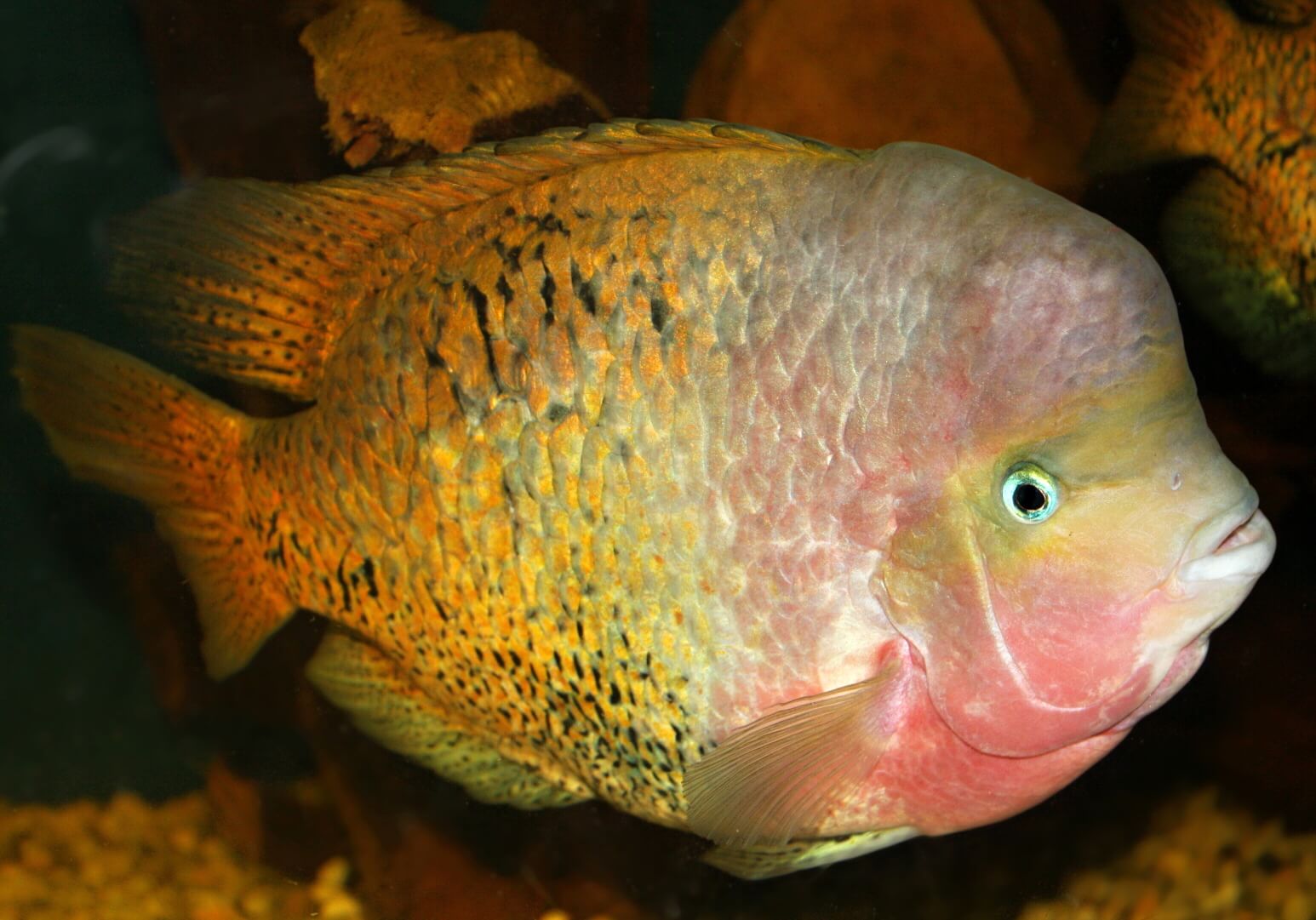
Red-headed Cichlid: Majestic Giant with a Gentle Nature
Dr. Vladko Bydžovský
, pred 3 mesiacmi
It is one of the greatest gems of Central American waters and has secured a firm position in our tanks. The red-headed cichlid, also known as the red-headed kanchik, fascinates aquarists not only with its majestic size and vibrant coloration but also with its surprisingly gentle nature. What does keeping this intelligent giant entail, and how can we create ideal conditions for successful breeding in captivity?
Obrázok
Apistogramma trifasciata: in the name of the Indian mohawk and pride
3239
16
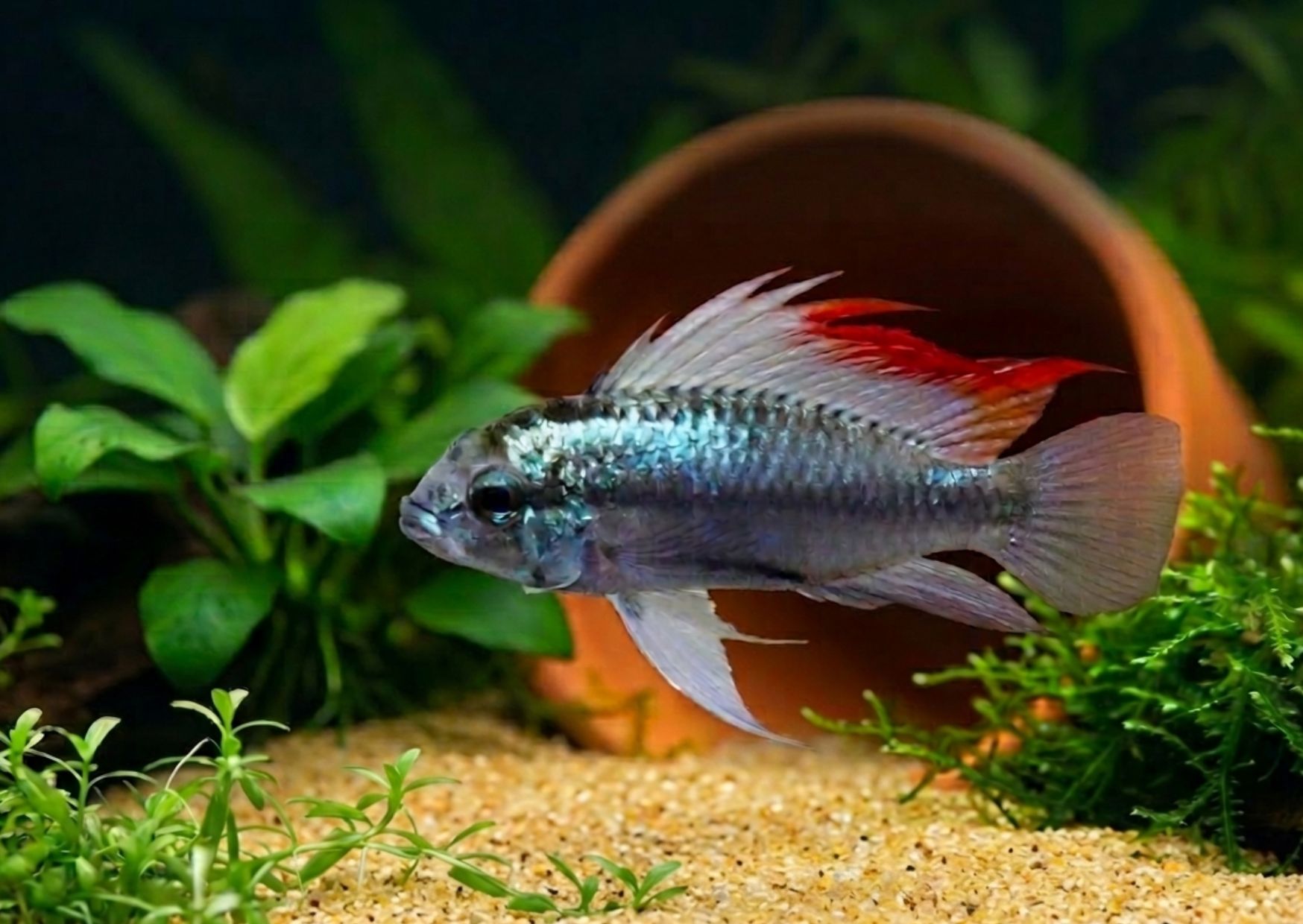
Apistogramma trifasciata: in the name of the Indian mohawk and pride
Dr. Vladko Bydžovský
, pred 4 mesiacmi
The three-striped cichlid (Apistogramma trifasciata) may not be a giant, but its dorsal fin resembling an Indian mohawk and proud nature will captivate any observer. Dive into the world of South American dwarf cichlids and discover why this gem from the Rio Paraguay basin is a challenge worth taking, despite its slower growth and specific water cleanliness requirements.

Vyskúšajte aplikáciu ForAquarist!

Moderné trhovisko na predaj, nákup a inzerciu akvaristiky vždy po ruke
Google Play
Apple Store
Mobilná aplikácia

Najnovšia inšpirácia

Poďte sa pochváliť svojimi fotkami a inšpirovať ostatných!
Výlov krevetek z letní nádrže
pred 1 dňom

Opět nasazené Krevetky venku na dvoře. Od dubna, kdy sem jich nasadil do venkovní nádrže cca 40 kusu. Dnes vyloveno kolem 800 kusu. Fotografie od začátku postupně až po vyloveni a přesunuti do vnitřních akvárií.

Obrázok
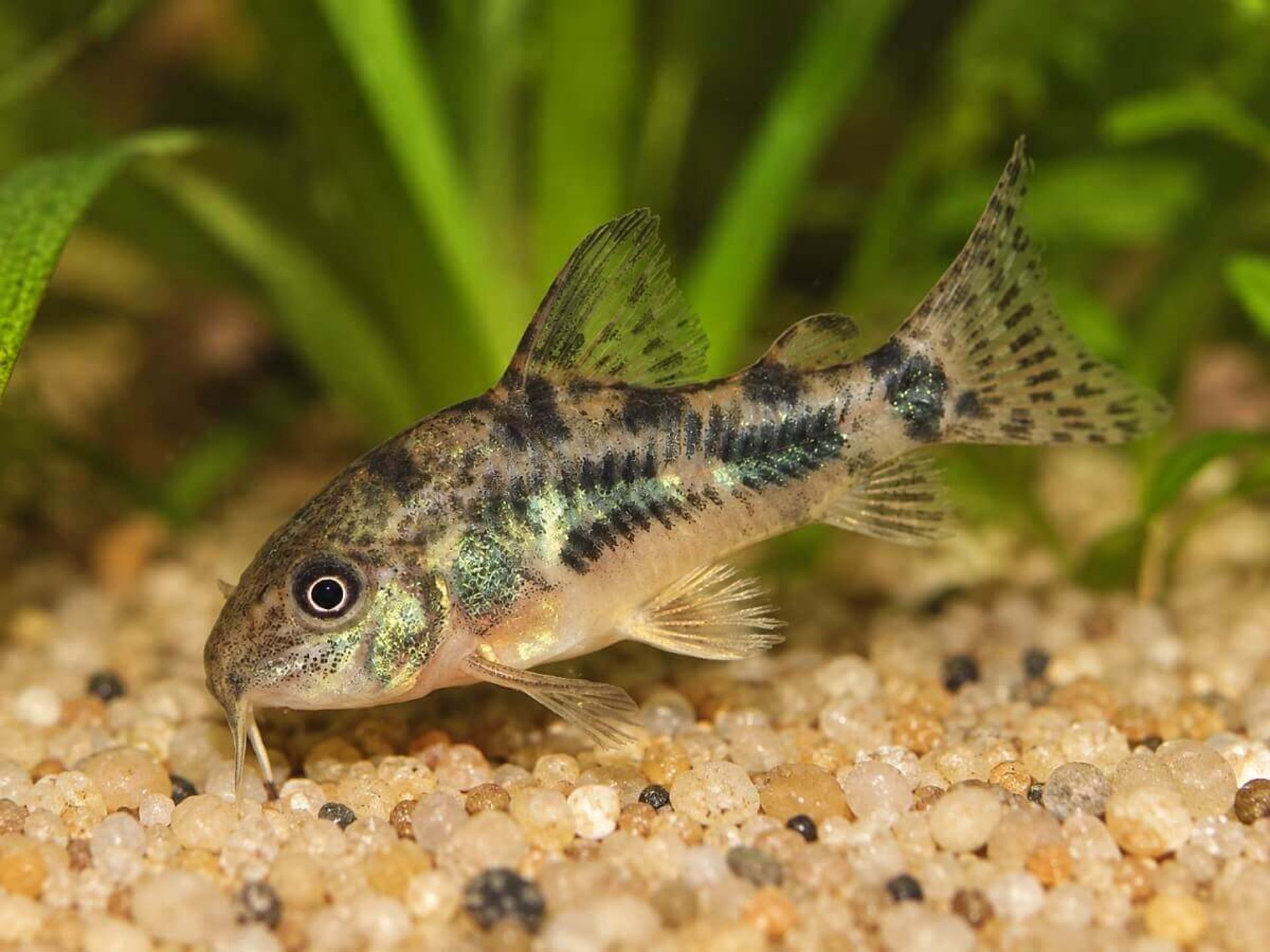
Pancéřníček skvrnitý: nenáročný a společenský obyvatel dna
99
Pancéřníček skvrnitý: nenáročný a společenský obyvatel dna
pred 2 dňami

Pancéřníček skvrnitý: nenáročný a společenský obyvatel dna

Pancéřníček skvrnitý (Corydoras paleatus, nověji Hoplisoma paleatum) patří mezi nejoblíbenější akvarijní ryby žijící u dna. Je mírumilovný, společenský, zajímavý na pozorování a při správných podmínkách také poměrně nenáročný na chov. Přestože se o něm často mluví jako o „uklízeči akvária“, potřebuje vlastní kvalitní potravu a rozhodně nenahrazuje pravidelnou péči o dno nádrže.
Pancéřníček skvrnitý v kostce

Český název: pancéřníček skvrnitý
Tradiční vědecký název: Corydoras paleatus
Novější vědecké zařazení: Hoplisoma paleatum
Původ: jihovýchodní část Jižní Ameriky
Velikost: přibližně 6–7 cm
Chování: mírumilovné, společenské
Doporučený počet: alespoň 5–6 jedinců
Místo v akváriu: především dno
Potrava: všežravec
Vhodný substrát: jemný písek nebo hladký jemný štěrk
Vhodný pro začátečníky: ano

Jak vypadá pancéřníček skvrnitý?

Pancéřníček skvrnitý je snadno rozpoznatelný podle šedavého až stříbřitého těla s nepravidelnými tmavými skvrnami. Zbarvení jednotlivých ryb se může mírně lišit.

Charakteristickým znakem pancéřníčků jsou dvě řady pevných kostěných destiček po stranách těla. Právě ty jim poskytují ochranu a daly celé skupině české označení „pancéřníčci“.

Kolem tlamky mají citlivé vousky, pomocí kterých prohledávají substrát a hledají potravu. Právě kvůli nim je důležité zvolit vhodné dno bez ostrých hran.
Je pancéřníček skvrnitý vhodný pro začátečníky?

Ano. Pancéřníček skvrnitý je obecně považován za poměrně odolnou rybu, která se dobře hodí i do prvního společenského akvária.

To ale neznamená, že může žít v jakýchkoli podmínkách. Stejně jako ostatní ryby potřebuje stabilní kvalitu vody, vhodné krmení, dostatek prostoru a především společnost vlastního druhu.

Jednou z nejčastějších chyb začátečníků je pořízení jediného pancéřníčka jako „ryby na úklid dna“. Pancéřníčci jsou společenské ryby a výrazně lépe prospívají ve skupině.
Kolik pancéřníčků chovat společně?

Pancéřníček skvrnitý by neměl být chován samotný. Ideální je skupina alespoň 5 až 6 jedinců, při dostatečně velkém akváriu klidně více.

Ve skupině jsou pancéřníčci:

aktivnější,
méně plaší,
více se pohybují po nádrži,
vykazují přirozenější sociální chování.

Velmi zajímavé je sledovat několik pancéřníčků, kteří společně prohledávají dno nebo odpočívají vedle sebe pod kořenem či mezi rostlinami.
Jak velké akvárium potřebuje pancéřníček skvrnitý?

Pro menší skupinu pancéřníčků je vhodné akvárium s délkou alespoň kolem 60 cm.

U těchto ryb není nejdůležitější výška nádrže, ale především dostatečně velká plocha dna. Právě na něm tráví většinu času.

Vhodné akvárium by mělo nabídnout kombinaci:

volných ploch pro hledání potravy,
jemného substrátu,
rostlin,
kořenů,
kamenů bez ostrých hran,
klidnějších míst k odpočinku.

Pancéřníčci se dobře hodí do klasického společenského akvária s mírumilovnými druhy podobných nároků.
Jaké dno je pro pancéřníčky nejlepší?

Ideální je jemný akvarijní písek.

Pancéřníčci při hledání potravy zabořují tlamku a vousky do substrátu. Jemný písek jim umožňuje projevit jejich přirozené chování a zároveň minimalizuje riziko poranění citlivých vousků.

Použít lze také jemný hladký substrát bez ostrých hran.

Nevhodný je naopak velmi hrubý nebo ostrý štěrk.

Důležitá je také čistota dna. Dlouhodobě zanedbaný substrát může společně s nevhodnými podmínkami přispívat k poškození nebo infekcím vousků.
Je pancéřníček skutečně „čistič akvária“?

Pouze částečně. Pancéřníčci neustále prohledávají dno a dokážou najít drobné zbytky potravy, které ostatní ryby přehlédly. Díky tomu mohou pomoci využít část krmiva, které propadlo na dno. Nejsou ale náhradou za údržbu akvária.

Pancéřníček nepožírá výkaly ani nečistoty a odkalování akvária za vás neudělá.
Čím krmit pancéřníčka skvrnitého?

Pancéřníček skvrnitý je všežravec a potřebuje vlastní pravidelnou a pestrou stravu.

Základem mohou být kvalitní:

potápivé granule,
tablety pro ryby žijící u dna,
kvalitní wafery,
mražená potrava,
živá potrava.

Jako zpestření lze použít například artemie, patentky nebo další drobnou živočišnou potravu vhodnou pro akvarijní ryby. Nelze předpokládat, že pancéřníčkům postačí pouze zbytky krmení ostatních ryb.

V akváriu s velmi aktivními rybami je dokonce vhodné sledovat, zda se dostatečné množství potravy skutečně dostane až na dno.
Proč pancéřníček plave k hladině?

Jedním z nejzajímavějších projevů pancéřníčků jsou jejich rychlé výpravy od dna k hladině. Ryba vyplave nahoru, nabere vzduch a okamžitě se vrátí zpět. Nejde nutně o známku nedostatku kyslíku.

Pancéřníčci mají schopnost využívat také kyslík z atmosférického vzduchu. Spolknutý vzduch prochází jejich trávicím traktem a část kyslíku dokážou vstřebat přes specializovanou část střeva. Občasná cesta k hladině je proto zcela normální.

Pokud však pancéřníčci začnou vyrážet k hladině velmi často a jejich chování se náhle změní, je vhodné zkontrolovat:

kvalitu vody,
teplotu,
filtraci,
proudění vody,
okysličení nádrže.

Jak se pancéřníček skvrnitý chová?

Pancéřníčci patří mezi velmi mírumilovné ryby. Většinu dne tráví prohledáváním dna. Střídají aktivní hledání potravy s krátkým odpočinkem na substrátu, pod kořeny nebo mezi rostlinami.

Ve větší skupině lze často pozorovat několik jedinců pohybujících se společně. Přestože jsou považováni za ryby dna, nejsou na dno striktně vázáni. Občas podnikají rychlé výpravy do vyšších vrstev vody nebo až k hladině.
S jakými rybami lze pancéřníčky chovat?

Pancéřníček skvrnitý se hodí především do klidného společenského akvária.

Dobře může fungovat například s:

menšími tetrami,
razborami,
některými živorodkami,
klidnými parmičkami,
dalšími mírumilovnými rybami podobné velikosti.

Důležité je vybírat druhy s podobnými nároky na prostředí a teplotu vody.

Nevhodnou společností jsou především výrazně agresivní nebo velmi teritoriální ryby, které by mohly pancéřníčky napadat nebo jim bránit v přístupu k potravě.
Pancéřníček skvrnitý není krunýřovec

Pancéřníčci bývají někdy nesprávně označováni jako krunýřovci. Jde však o jinou skupinu sumcovitých ryb.

Pancéřníček skvrnitý patří do čeledi Callichthyidae, zatímco známí krunýřovci, například ancistrusi, patří do čeledi Loricariidae. Obě skupiny sice často obývají spodní partie akvária, jejich způsob života, stavba těla i potrava se ale liší.
Corydoras paleatus, nebo Hoplisoma paleatum?

Zkušení akvaristé znají pancéřníčka skvrnitého především pod názvem Corydoras paleatus. Po novější taxonomické revizi pancéřníčků byl však tento druh přeřazen do rodu Hoplisoma. Aktuálnější vědecké označení je proto Hoplisoma paleatum.

V akvaristických obchodech, literatuře i na internetu se však ještě dlouho budeme setkávat především se starším označením Corydoras paleatus. Pro chovatele se samozřejmě nic nemění – stále jde o stejného pancéřníčka skvrnitého.
Proč si pancéřníčka skvrnitého pořídit?

Pancéřníček skvrnitý nabízí kombinaci vlastností, díky kterým se stal jednou z klasik sladkovodní akvaristiky.

Je mírumilovný, aktivní, společenský a dobře se hodí do řady běžných společenských akvárií. Při hledání potravy neustále prozkoumává dno, takže je také velmi zajímavý na pozorování.

Pokud mu dopřejete jemné dno, čistou vodu, dostatek prostoru a pestrou stravu, může být dlouhodobě atraktivním obyvatelem akvária.

Obrázok
Breeding of cradles
238
1
1
Breeding of cradles
pred 6 dňami

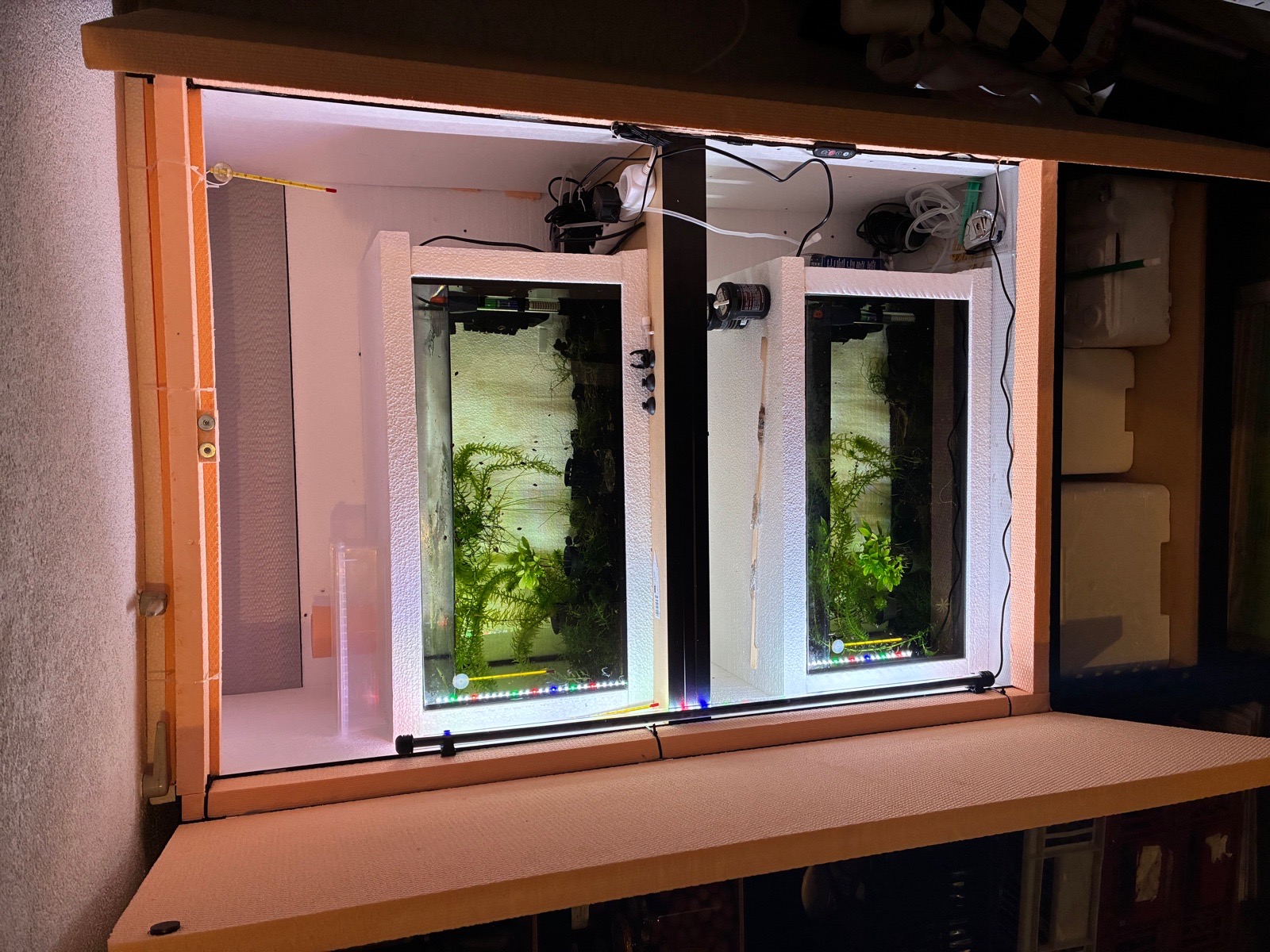
Insulated aquarium in the basement. Due to the fact that the basement is not heated at all and temperatures in winter are around 3 degrees, I have completely insulated it. The shelf is insulated on all sides with 3cm polystyrene, including the doors. Surrounding the aquarium is an additional 5cm of polystyrene. Each aquarium has a heater. Inside, there is an LED light + an air compressor - the heat generated from the LED light and the compressor is utilized inside and heats the space around the aquariums.

Obrázok
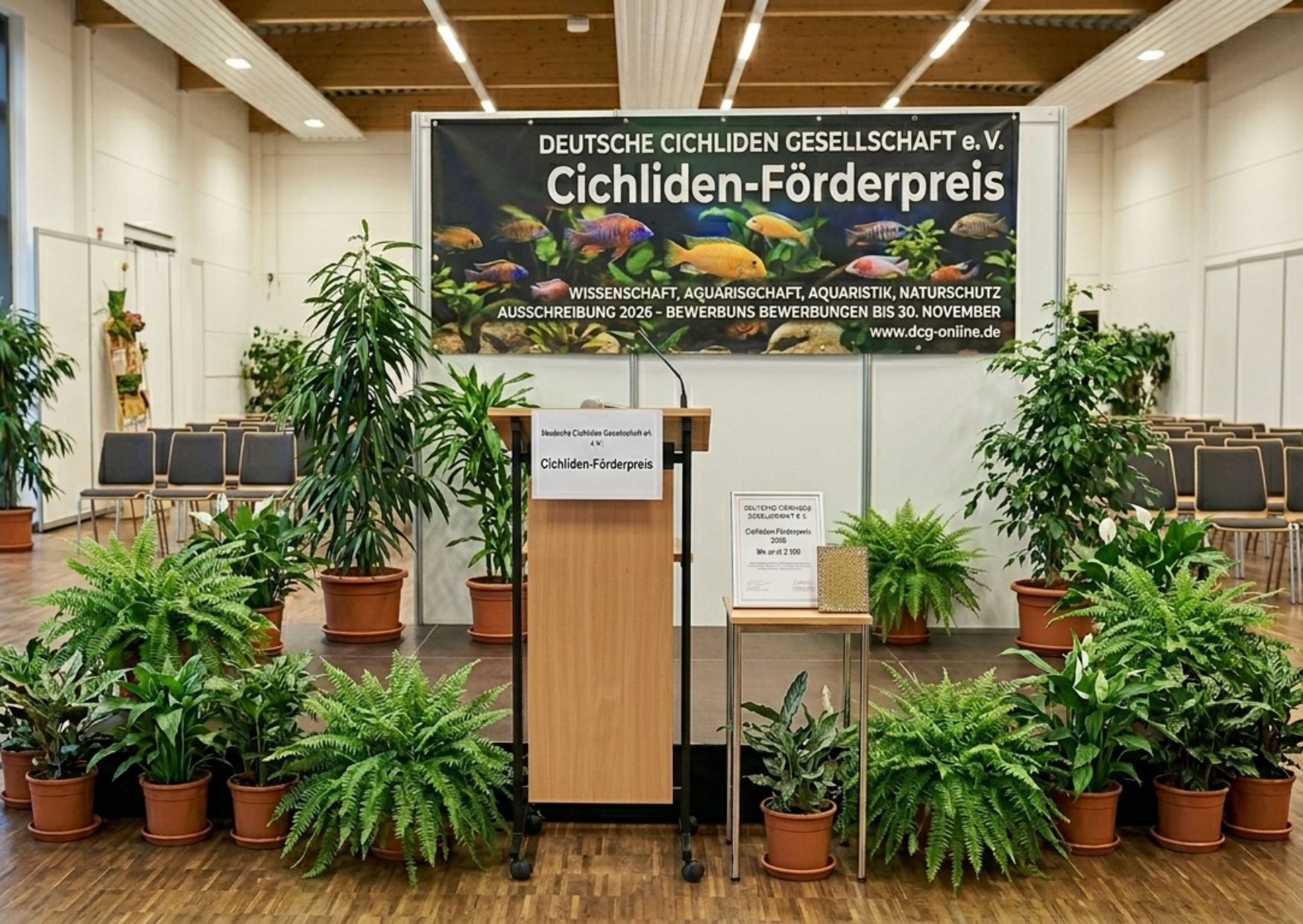
Congress of the Czech Cichlid Club
790
2
Congress of the Czech Cichlid Club
pred 19 dňami

You are invited to the traditional autumn congress of the Czech Cichlid Club, which will take place on Saturday, November 14, 2026, in Žďár nad Sázavou at Hotel Hajčman. Look forward to lectures by Mgr. Zuzana Musilová, Ph.D. and Ing. Miloš Kroupa. The members' assembly, a rich raffle, and an evening social event full of inspiring discussions. Don't miss this opportunity to meet enthusiasts and gain new knowledge!

You are invited to the traditional autumn 29th Congress of the Czech Cichlid Club held in Žďár nad Sázavou at Hotel Hajčman.

Program of the day:
10:00 - 12:00 members' assembly of the Czech Cichlid Club - for members of ČCK, non-members, and those interested in membership
13:30 - approx. 16:30 lecture afternoon:
Mgr. Zuzana Musilová Ph.D. – Cichlids in the crater lakes of Cameroon
Ing. Miloš Kroupa – Diseases of aquarium fish with an emphasis on cichlids

&
juicy RAFFLE for those who endure… and for those who endure even longer, a social buffet and party

Everyone is warmly invited. Raffle and pleasant atmosphere guaranteed.

VENUE OF THE CONGRESS:
Hotel Hajčman, Strojírenská 372/11, 591 01 Žďár nad Sázavou

https://maps.app.goo.gl/umippwXKAgkZMkEF7
Obrázok
Daphnia (Daphnia, Water Flea): live food for fish and a natural aid for clean water
3178
2
Daphnia (Daphnia, Water Flea): live food for fish and a natural aid for clean water
pred 1 mesiacom

Daphnia (Daphnia, Water Flea) is among the most interesting small organisms in freshwater ecosystems. Aquarists primarily know them as quality live food for fish, but their significance is much broader. Daphnia can filter water, consume microscopic algae, and help maintain biological balance in aquariums, natural bodies of water, and especially in garden ponds.

💧 In a well-functioning pond, Daphnia can significantly contribute to reducing green turbidity. Each Daphnia is a small living filter that moves through the water column, capturing algae, bacteria, and fine organic particles.

You can easily order Daphnia for your pond or as food for aquarium fish here.

📑 Table of Contents

- What are Daphnia?
- How do Daphnia clean water?
- The importance of Daphnia for garden ponds
- Why do fish limit Daphnia populations?
- Daphnia as live food for fish
- How to breed Daphnia?
- Frequently asked questions about Daphnia

🔬 What are Daphnia?

Daphnia are small freshwater crustaceans belonging to the Cladocera. They typically measure only a few millimeters and their bodies are partially transparent. They move in the water with characteristic jerky movements, which is why they are colloquially called water fleas. However, they have nothing in common with actual fleas.

In nature, they live in ponds, pools, lakes, flooded quarries, retention basins, and other stagnant or slowly flowing waters.

They primarily feed on:

- unicellular planktonic algae,
- bacteria,
- microorganisms,
- fine organic particles dispersed in the water.

Daphnia obtain food through filtration. By moving their limbs, they create a current in the water and capture particles of suitable size. This ability makes them an important part of natural water purification.

💧 How do Daphnia clean water?

The greatest ecological significance of Daphnia lies in their ability to remove microscopic algae and other small particles from the water column. Daphnia do not clean the bottom of the pond, do not collect fallen leaves, and do not consume long strands of algae.

A typical example is green water in a pond. The green coloration is often caused by unicellular planktonic algae, which are so small that regular mechanical filtration may not capture them. However, they represent a natural food source for Daphnia.

If a sufficiently large population of Daphnia is established in the pond, they can gradually reduce the amount of algae. The water then becomes clearer, allowing more light to penetrate to submerged aquatic plants.

🌿 Healthy aquatic plants further consume nutrients, produce oxygen, provide shelter for small organisms, and help stabilize the entire pond ecosystem.

🏞️ Why are Daphnia important for water clarity in ponds?

In a garden pond, Daphnia represent a natural part of biological filtration and can reproduce on their own under suitable conditions. Their effect is based on a simple principle: they remove phytoplankton from the water that causes green turbidity.

A sufficient number of Daphnia can contribute to:

- reducing the green coloration of the water,
- increasing the transparency of the pond,
- decreasing the amount of algae,
- supporting the growth of submerged plants,
- stabilizing the food chain,
- creating a more natural environment for other aquatic organisms.

Daphnia are most effective in natural and swimming ponds without fish or with a low fish population. They can also work very well in a separate regeneration zone that fish cannot access. They are a significant part of the biological balance, but not a universal solution to every water problem.

🐟 Why do Daphnia often struggle in ponds with fish?

For most fish, Daphnia represent an attractive and easily accessible food source. They are consumed by small fish, fry, goldfish, and koi carp. If there are many fish in the pond, newly introduced Daphnia may be consumed before they can reproduce.

A simple food chain operates in the pond:

fish → Daphnia → algae

If there are too many fish, the Daphnia population declines. Algae are then not sufficiently grazed, and the water may remain green. To support Daphnia, it is therefore advisable to create places where they can hide from fish.

Suitable shelters for Daphnia

- dense growths of submerged aquatic plants,
- shallow coastal areas of the pond,
- root zones of plants,
- a regeneration area separated from fish,
- a separate container connected to the pond.

⚠️ Daphnia will not solve all causes of green water

The presence of Daphnia can significantly help, but if too many nutrients are continuously entering the pond, algae will still have good conditions for growth.

The most common sources of excess nutrients include:

- overfeeding fish,
- too high a number of fish,
- fish waste,
- decaying leaves,
- dead plant parts,
- mud and organic sediments at the bottom,
- runoff of fertilizers from the garden,
- lack of aquatic plants.

Daphnia consume some of the already formed phytoplankton, but they do not remove the cause of excess nitrogen and phosphorus. Therefore, the best results come from a combination of Daphnia, aquatic plants, a reasonable number of fish, and limited input of organic impurities.

🍽️ Daphnia as quality live food for fish

In aquaristics, Daphnia are valued primarily as natural live food for fish. Their movement in the water stimulates the hunting instinct and encourages fish to exhibit natural behavior. Daphnia are accepted even by fish that sometimes refuse flake or pellet food.

Daphnia are suitable for example for:

- livebearers,
- tetras,
- rasboras,
- labyrinth fish,
- smaller cichlids,
- goldfish,
- pond fish,
- older fry.

Young Daphnia are suitable for smaller fish, while adults serve as food for larger species. Their nutritional value depends on the species, age, and especially on what the Daphnia themselves were fed before being given to the fish.

✅ The advantage of live Daphnia is that if fish do not consume them immediately, they do not start to decompose quickly in freshwater like excess dry food. They remain alive for a while and continue to filter the water.

Daphnia have a tougher outer shell containing chitin. This can support the natural passage of food through the digestive tract of fish. However, Daphnia should not be the only type of food. A varied diet appropriate to the specific species of fish is best.

🪣 How to breed Daphnia as live food?

Breeding Daphnia is not very demanding. You can use a plastic container, barrel, smaller outdoor tank, or a separate pond without fish. The container should be placed in a bright location, but in summer, direct sunlight all day is not suitable as it can overheat the water.

Basic conditions for breeding Daphnia

- dechlorinated standing water,
- sufficient microalgae and microorganisms,
- stable water temperature,
- no fish or other significant predators,
- gentle harvesting of only part of the population,
- regular monitoring of water quality.

Daphnia can be supplemented with a very small amount of suitable food, such as green water, finely dosed yeast, or special food for zooplankton. However, overfeeding is dangerous. Excess food will start to decompose, consume oxygen, and can cause the collapse of the entire culture.

When harvesting, it is advisable to always leave a sufficiently large base population. Some Daphnia can be fed to fish, and some can be kept for further reproduction.

🌱 How to introduce Daphnia into a garden pond?

1. Check the number of fish. In a heavily stocked pond, Daphnia will likely be quickly consumed.
2. Create shelters. Dense aquatic plants, shallow zones, or a separate regeneration area can help.
3. Do not use aggressive algae treatments. Some may harm or kill Daphnia as well.
4. Do not introduce Daphnia into freshly chlorinated water. The water should be dechlorinated and the pond biologically stable.
5. Limit nutrient input. Do not overfeed fish and regularly remove leaves and dead plants.
6. Use a healthy culture. Obtain Daphnia from a trusted source to avoid introducing parasites or unwanted organisms into the pond.

☀️ Daphnia, filtration, and UV lamp

A UV lamp helps eliminate free-floating algae and microorganisms passing through the device. However, these organisms also serve as food for Daphnia. In a pond with a permanently strong UV lamp, Daphnia may have less food, and their population may not grow significantly.

Daphnia themselves are usually not directly affected by the UV lamp unless they pass through the pump and UV unit. Strong flow through technical filtration can, however, capture or damage some of the small zooplankton.

For natural ponds, it is therefore advisable to seek a balance between technical filtration and biological processes. In a heavily stocked pond, technical filtration is usually necessary, while in a natural pond without fish, a larger part of the work can be done by zooplankton and aquatic plants.

🟢 Can Daphnia clean a completely green pond?

Under suitable conditions, Daphnia can significantly reduce green turbidity. However, there must be a sufficient number of them, and they must not be immediately eaten by fish. They are most effective in a biologically balanced pond with a low fish population, plenty of plants, and limited nutrient input.

It is also important to determine what is causing the turbidity. Daphnia primarily help against green water caused by unicellular algae. They will not help directly against:

- filamentous algae attached to stones,
- algal films on liners,
- mud at the bottom,
- clay or mineral turbidity,
- debris stirred up by fish.

♻️ A small creature with great significance

Daphnia represent a clear example of how important a seemingly insignificant organism can be. For fish, they are a natural food source, for water, a living filter, and for the entire pond, an important link in the food chain.

The presence of Daphnia is not a miraculous solution that replaces filtration, aquatic plants, or regular maintenance. They provide the greatest benefit where a balanced environment with a reasonable number of fish and low nutrient input can be created.

In such a pond, clean water does not have to be the result of just pumps, filters, and UV lamps. A significant part of the work can be done every day by thousands of small Daphnia – inconspicuous living filters that are almost invisible to the naked eye. 💧🌿

❓ Frequently asked questions about Daphnia

What are Daphnia?

Daphnia are small freshwater crustaceans also known as water fleas. They feed on planktonic algae, bacteria, and fine organic particles. In aquaristics, they are used as live food for fish.

Is it correct to say Daphnia or Daphnia or Water Flea?

In Czech, the term Daphnia is commonly used, while the correct Czech term is Water Flea. The word Daphnia often appears in searches, food offers, or as a Czech variant of the Latin genus name Daphnia. All terms usually refer to the same aquatic crustaceans.

Are Daphnia suitable as live food for fish?

Yes. Daphnia are natural live food suitable for many aquarium and pond fish. They stimulate the hunting instinct and can be part of a varied diet. The size of Daphnia must be adapted to the size of the fish.

Can Daphnia clean green water in a pond?

Daphnia can significantly reduce the amount of planktonic algae that cause green water. Success depends on the size of their population, the number of fish, the availability of shelters, and the overall nutrient levels in the pond.

Why did Daphnia disappear after being introduced into the pond?

They were most likely eaten by fish. Other possible causes include unsuitable water quality, lack of food, use of chemical algae treatments, sudden temperature changes, or strong technical filtration.

Do Daphnia also help against filamentous algae?

Not directly. Daphnia primarily filter small algae freely dispersed in the water column. They do not typically consume long strands of algae attached to stones, liners, or plants.

Can Daphnia live in an aquarium with fish?

They can, but most fish will quickly consume them. They can be maintained long-term primarily in an aquarium without fish, in a densely planted tank, or in a separate breeding container.

How often can fish be fed Daphnia?

The frequency depends on the species and size of the fish. Daphnia can be regularly provided as part of a varied diet, but they should not be the only food. The amount should correspond to what the fish actually consume.

Can Daphnia be bred at home?

Yes. Daphnia can be bred in a container with dechlorinated standing water. They need sufficient fine food, stable conditions, and protection from overheating; it is important not to overfeed the culture.

Are Daphnia suitable for ponds with koi carp?

Koi carp actively consume Daphnia, so they usually do not remain in large numbers in the main part of the pond. A separate regeneration zone or a separate tank where Daphnia can reproduce without access to fish can help.

Note: The image is for illustrative purposes only.

Obrázok
Pumpkinseed Sunfish - an invasive beauty from North America
1864
2
Pumpkinseed Sunfish - an invasive beauty from North America
pred 1 mesiacom

Pumpkinseed Sunfish in the Czech Republic: a beautiful fish that does not belong in our waters

At first glance, it resembles an exotic aquarium fish. Its sides are adorned with greenish-blue stripes, orange spots, and a conspicuous red-edged spot on the gill covers. Pumpkinseed Sunfish (Lepomis gibbosus) unfortunately represents a non-native invasive species in the Czech Republic, which can compete with native fish, consume their eggs, and affect the communities of aquatic invertebrates.

A striking beauty from North America

The native home of the pumpkinseed sunfish is the eastern part of North America, including the Great Lakes region. It was introduced to Europe in the second half of the 19th century. The first known European occurrence dates back to 1877, when it was kept in garden ponds at the Palace of Versailles. It later spread to Germany, the Netherlands, and other countries.

Its spread was facilitated by intentional stocking for sport fishing, cultivation in ornamental ponds, and the release of aquarium fish into the wild. Some populations also arose unintentionally, for example, during the transport of fry of economically significant fish species. Currently, the pumpkinseed sunfish is found in dozens of European countries.

How it got into Czech waters

The first documented records from the territory of the Czech Republic date back to 1929 from the Třeboň region. The fish likely arrived here unintentionally along with carp fry imported from then Yugoslavia.

It has gradually been recorded in the areas of Lužnice, lower Povltaví, central Polabí, Orlice, and southern Moravia, especially in the Morava and Dyje river basins. Its distribution in the Czech Republic is not continuous. It tends to form local populations in places that provide suitable conditions for reproduction and sufficient food. The current occurrences are recorded in the Nature Conservation Database managed by the Agency for Nature Conservation and Landscape Protection of the Czech Republic.

How to recognize the pumpkinseed sunfish

The pumpkinseed sunfish has a high, distinctly flattened body. In its native area, it can exceptionally grow up to approximately 40 centimeters, but in Czech conditions, it usually does not exceed 15 centimeters and weighs around 200 grams.

The coloration is highly variable. The back is usually olive green to yellow-brown, while the belly can range from bronze to yellow or orange. Wavy greenish-blue stripes are noticeable on the head, and small colored spots are found on the sides.

The most distinctive identifying feature is a dark spot on the elongated part of the gill covers. In the pumpkinseed sunfish, it is complemented on the rear edge by an orange to red crescent-shaped spot. Males acquire even more intense colors during the breeding season.

Where it thrives

The pumpkinseed sunfish primarily seeks still or slow-flowing waters at lower altitudes. Suitable environments for it include:

- backwaters and ponds,
- smaller fish ponds and garden reservoirs,
- sand pits and flooded quarries,
- irrigation and drainage canals,
- calm sections of smaller rivers.

It thrives best in warm waters with soft bottoms, intricate shorelines, and abundant submerged plant growth. It usually avoids strong currents. Young fish form larger schools in shallow water near the shores, while adults are more often found alone or in small groups among vegetation.

An inconspicuous but effective predator

The diet of the pumpkinseed sunfish changes according to its size and the offerings of specific locations. It preys on larvae of aquatic insects, crustaceans, mollusks, and other invertebrates. Larger individuals also consume eggs, fish fry, and small fish.

This broad dietary spectrum is one of the reasons for its success. It can utilize various food sources while competing with native species that have similar ecological requirements. In smaller ponds or isolated pools, it can significantly alter the abundance of aquatic invertebrates and worsen conditions for the reproduction of native fish when present in high numbers.

However, its impact is not the same across all locations. Monitoring in southern Moravia, for example, has pointed out a possible correlation between the abundant occurrence of the pumpkinseed sunfish and the decline of the rainbow trout in some arms of the Kněžpolský forest. In the area of the confluence of the Morava and Dyje rivers, both species are found together at times, and the population of the rainbow trout remains stable. The actual influence therefore depends on the characteristics of the location, population density, and the state of the entire aquatic ecosystem.

A caring father protecting his offspring

The pumpkinseed sunfish typically matures within one to two years. The male digs a circular nest in shallow water, usually in the form of a depression several dozen centimeters in diameter. Different females can lay eggs in the same nest.

The male then vigorously guards the eggs and freshly hatched fry. He drives away other fish, sometimes even significantly larger ones, and can transport escaping fry back with his mouth. This parental care increases the likelihood of offspring survival and helps the species colonize new locations.

Why the pumpkinseed sunfish is a regulated species

The pumpkinseed sunfish is listed on the EU list of invasive non-native species with significant impacts on the European Union. Restrictions apply to species on this list regarding possession, breeding, reproduction, transport, sale, and release into the wild. Therefore, it cannot be acquired as an aquarium or pond fish or relocated between locations without the appropriate permit.

Czech fishing law also stipulates that an invasive non-native species from the EU list must not be returned to the water after being caught. The pumpkinseed sunfish also cannot be used as bait fish. Caught individuals must be handled in accordance with animal protection rules and the fishing regulations of the respective area.

Can it be removed from Czech waters?

Complete removal of an established population is practically impossible. Regular fishing may temporarily reduce the number of fish, but it usually cannot catch all individuals. A few surviving fish can repopulate the area.

In small and technically manageable ponds, complete drainage and leaving the bottom to dry for a sufficiently long time can be effective. However, such an intervention must be professionally planned, as it can also affect native fish, amphibians, and aquatic invertebrates. Therefore, the most important measure remains the prevention of further spread.

What to do if you find one

Never transfer the pumpkinseed sunfish to another water body or release it from an aquarium or garden pond. It is advisable to document a new or unusual occurrence with a photograph and record the exact location and date.

Observations can be submitted via the BioLog app or iNaturalist. The Agency for Nature Conservation and Landscape Protection of the Czech Republic also accepts reports via email. It is helpful to attach a photograph, coordinates, or a marked location on a map, along with the date of observation. The data is subsequently stored in the Nature Conservation Database and helps in monitoring the spread and planning potential interventions.

Attractive appearance must not overshadow the risks

The pumpkinseed sunfish is undoubtedly one of the most colorful fish that can be seen in Czech waters. However, its appearance and interesting breeding behavior must not overshadow the fact that it is a non-native species capable of influencing local aquatic communities.

Its story also serves as a reminder that releasing a single ornamental fish may not be a harmless act. A species that appears exotic and innocent in an aquarium can establish a viable population after escaping into a suitable environment and remain a part of our nature for many decades.

Sources

- AOPK ČR – Pumpkinseed Sunfish
- Invasive species from the EU list
- AOPK ČR – rules for handling invasive species
- AOPK ČR – reporting occurrences of invasive species

Obrázok
Pufferfish in the Mediterranean: Tropical invaders with dangerous toxins
1775
4
Pufferfish in the Mediterranean: Tropical invaders with dangerous toxins
pred 2 mesiacmi

Just a few decades ago, encountering a tropical pufferfish in the Mediterranean would have seemed like a biological curiosity. Today, some species are a permanent part of its eastern region and are gradually penetrating into the Adriatic Sea and the western Mediterranean. The silverstripe pufferfish attracts the most attention, as its invasion poses ecological, economic, and health problems.

Tropical pufferfish on the way through Suez

The silverstripe pufferfish (Lagocephalus sceleratus) originates from tropical and subtropical regions of the Indian and Pacific Oceans. It reached the Mediterranean from the Red Sea via the Suez Canal. The Suez Canal created a corridor between two originally separated marine areas, allowing hundreds of non-native organisms to spread into the Mediterranean. These include fish, mollusks, crustaceans, jellyfish, and algae. Not all can establish themselves permanently in the new environment, but the silverstripe pufferfish is among the exceptionally successful colonizers.

The first confirmed Mediterranean find of this species dates back to 2003 from the Turkish Gulf of Gökova. This was followed by rapid spread along the coasts of Turkey, Israel, Lebanon, Egypt, Cyprus, and Greece. Later, it was recorded in Tunisia, Malta, the Adriatic Sea, and even near Ceuta at the Strait of Gibraltar. CIESM currently assesses it as a very common species in the Mediterranean, especially in its eastern part.

A significant warning for European tourists and aquarists was the find in the Croatian bay of Medulin. A male measuring 52.2 centimeters and weighing 1.33 kilograms was caught here in May 2024. This was the northernmost confirmed find of the silverstripe pufferfish not only in the Adriatic but in the entire Mediterranean.

Warming seas facilitate further spread of the pufferfish

The Suez Canal itself opened a path for the fish, but their successful establishment also depends on conditions in the new environment. The Mediterranean is warming, and especially its eastern part increasingly resembles the subtropical regions of the Red Sea.

Higher temperatures prolong the period during which tropical species can reproduce and actively feed. At the same time, the temperature barrier that previously slowed their advance into the northern and western parts of the Mediterranean is diminishing. Rising temperatures promote the spread of non-native pufferfish and other warmth-loving fish, altering the species composition of coastal ecosystems.

The silverstripe pufferfish is also not a dietary specialist. It preys on crustaceans, mollusks, echinoderms, cephalopods, and smaller fish. It can move over sandy and rocky bottoms, around reefs, seagrass beds, and in harbor areas. Its eggs and larvae float freely in the water column, allowing ocean currents to transport them over considerable distances.

How to recognize the silverstripe pufferfish

The body of this fish is elongated in a resting state and tapers towards the tail. The head is robust, with a blunt snout and prominent eyes. The upper part of the body is grayish to silvery and covered with dark spots. A distinct light, silvery stripe runs along the sides, and the belly is white.

The dorsal and anal fins are positioned far back and are almost opposite each other. The pelvic fins are completely absent. A typical feature is also the four robust dental plates – two in the upper and two in the lower jaw. They form a beak that the fish easily uses to crush the shells of mollusks, the exoskeletons of crustaceans, fishing lines, and parts of nets.

When threatened, the pufferfish can quickly gulp water and significantly increase its body volume. Common individuals measure approximately 20 to 60 centimeters, and according to the CIESM atlas, they can reach lengths of up to around 85 centimeters.

Other non-native pufferfish species also appear in the Mediterranean, such as Lagocephalus suezensis or Lagocephalus guentheri. However, the silverstripe pufferfish is considered the most problematic due to its size, rapid spread, feeding behavior, and high toxicity.

Deadly danger hidden in the body

The most serious risk is tetrodotoxin, an extraordinarily potent neurotoxin that can be found in the liver, reproductive organs, intestines, skin, and muscle tissue of the fish. Its quantity varies among individual specimens, organs, seasons, and locations. Therefore, there is no part of the Mediterranean pufferfish that can be considered safe to eat.

Tetrodotoxin blocks sodium channels in nerve and muscle cells. The first symptoms of poisoning are often tingling or numbness of the lips and tongue, nausea, vomiting, dizziness, and muscle weakness. Severe poisoning progresses to total paralysis and respiratory failure, while the affected person may remain conscious.

The toxin is heat-stable. Common cooking, frying, drying, or freezing does not reliably destroy it. There is also no specific antidote for poisoning, and treatment mainly consists of intensive supportive care and artificial ventilation until the organism eliminates the toxin.

European regulations therefore prohibit the marketing of products derived from toxic fish of the Tetraodontidae family. The fish cannot be considered the Mediterranean equivalent of the Japanese fugu, which could be safely prepared merely by removing the internal organs.

A study published in 2024 collected at least 144 cases of non-fatal poisoning and 27 deaths from pufferfish consumption in the eastern Mediterranean between 2004 and 2023. The authors also recorded 28 cases of physical attacks or bites. The data comes from scientific literature, medical reports, interviews, and other records, and the actual number of incidents may vary.

Not only toxins are dangerous

The pufferfish is not poisonous in the sense of an animal that actively injects toxin through a sting or spine. Simply swimming near it generally does not pose an immediate danger. The risk arises primarily from consumption or very close contact.

However, its powerful teeth can cause deep wounds. Documented cases of bites have primarily involved fishermen, people handling catches, and bathers who approached the fish, attempted to feed it, or found themselves in its immediate vicinity. Attacks on humans remain less frequent compared to the risk of poisoning, but they cannot be entirely ignored.

A predator that alters food relationships

An invasive species is not dangerous solely because it is toxic. What is essential is how it affects native communities. The silverstripe pufferfish is a strong and adaptable predator that consumes economically and ecologically significant crustaceans, mollusks, and fish.

It can thus reduce the abundance of certain species and alter relationships in food chains. In its new environment, it also has a limited number of natural enemies. Its toxicity, size, and ability to quickly occupy various types of habitats give it a significant advantage.

Here it is important to distinguish between non-native and invasive species. A non-native organism does not automatically cause harm. It is considered invasive when it successfully reproduces in a new environment, spreads rapidly, and has demonstrable negative impacts. The silverstripe pufferfish meets these criteria in the eastern Mediterranean.

The pufferfish is a disaster for fishermen too

The economic damage is very visible. Pufferfish chew through fishing lines, damage nets, and remove caught fish from them. The catch can be spoiled before the fisherman hauls it aboard. Since the pufferfish itself cannot be sold as food, its accidental catch represents additional work and costs without economic benefit.

Greek fishermen report damages to nets reaching thousands of euros per year for individual boats. Cyprus and, more recently, Greece have therefore introduced a program in which professional fishermen are financially rewarded (in Greece 5.33 euros/kg) for targeted catches and handing over pufferfish for safe disposal. European projects are also exploring the possibilities of industrial processing of the fish into feed ingredients, but only under conditions where the toxin is professionally deactivated.

What to do when encountering a pufferfish

When diving or snorkeling, it is advisable to observe the fish from a distance. It is not good to feed it, chase it into hiding, or attempt to catch it. Photographing from a safe distance can help document its further spread.

Fishermen should not taste, fillet, or give the catch to pets. When handling, one must primarily account for a quick and strong bite. The method of reporting, killing, or handing over the fish varies in different Mediterranean countries, so it is advisable to follow the guidelines of local fishing and veterinary authorities.

After a bite, it is necessary to stop the bleeding, clean the wound, and seek medical attention. If there is suspicion of pufferfish ingestion or the first neurological symptoms appear, emergency services should be contacted immediately. Waiting for spontaneous improvement can be life-threatening in cases of tetrodotoxin poisoning.

An attractive fish that does not belong in a home aquarium

For aquarists, the pufferfish can be fascinating due to its anatomy, intelligence, and unusual defense mechanism. However, the silverstripe pufferfish is definitely not a suitable candidate for a typical home marine aquarium.

It grows to a considerable size, is an active predator, possesses an extraordinarily strong dentition, and can attack other organisms and the technical equipment of the tank. Handling a large specimen poses a risk of injury, and any potential death creates a problem for the safe disposal of the toxic body. Therefore, live individuals should not be caught or transported from the wild.

A new reality of the Mediterranean Sea

The complete removal of the silverstripe pufferfish from the Mediterranean is likely no longer realistic. The species is spread over too large an area and has established stable populations in many regions. However, targeted catches, monitoring of new finds, informing fishermen and the public, and strict control of fish sales make sense.

The story of the pufferfish also illustrates how quickly seemingly familiar marine ecosystems can change. The combination of artificially created migration routes, intensive shipping traffic, and warming waters allows tropical species to move further north. A fish that was almost unknown in the Mediterranean at the beginning of this century is now one of the most prominent symbols of biological invasion in European seas.

Obrázok
Nomorhamphus celebensis
752
4
2
Nomorhamphus celebensis
pred 2 mesiacmi

When I sit in front of the aquarium and capture the happenings within it. I notice that I am being observed. And so I sometimes wonder who is observing whom.