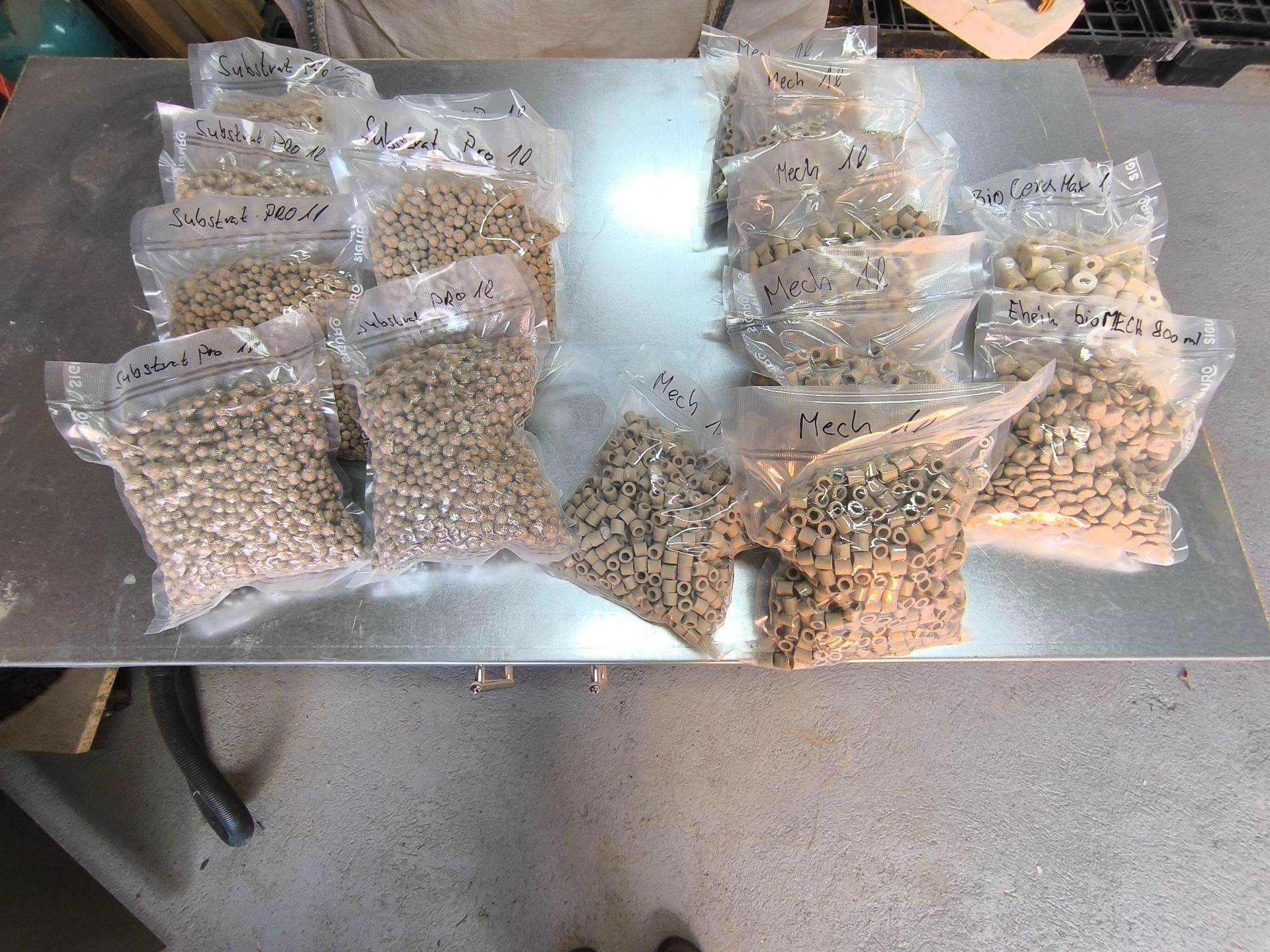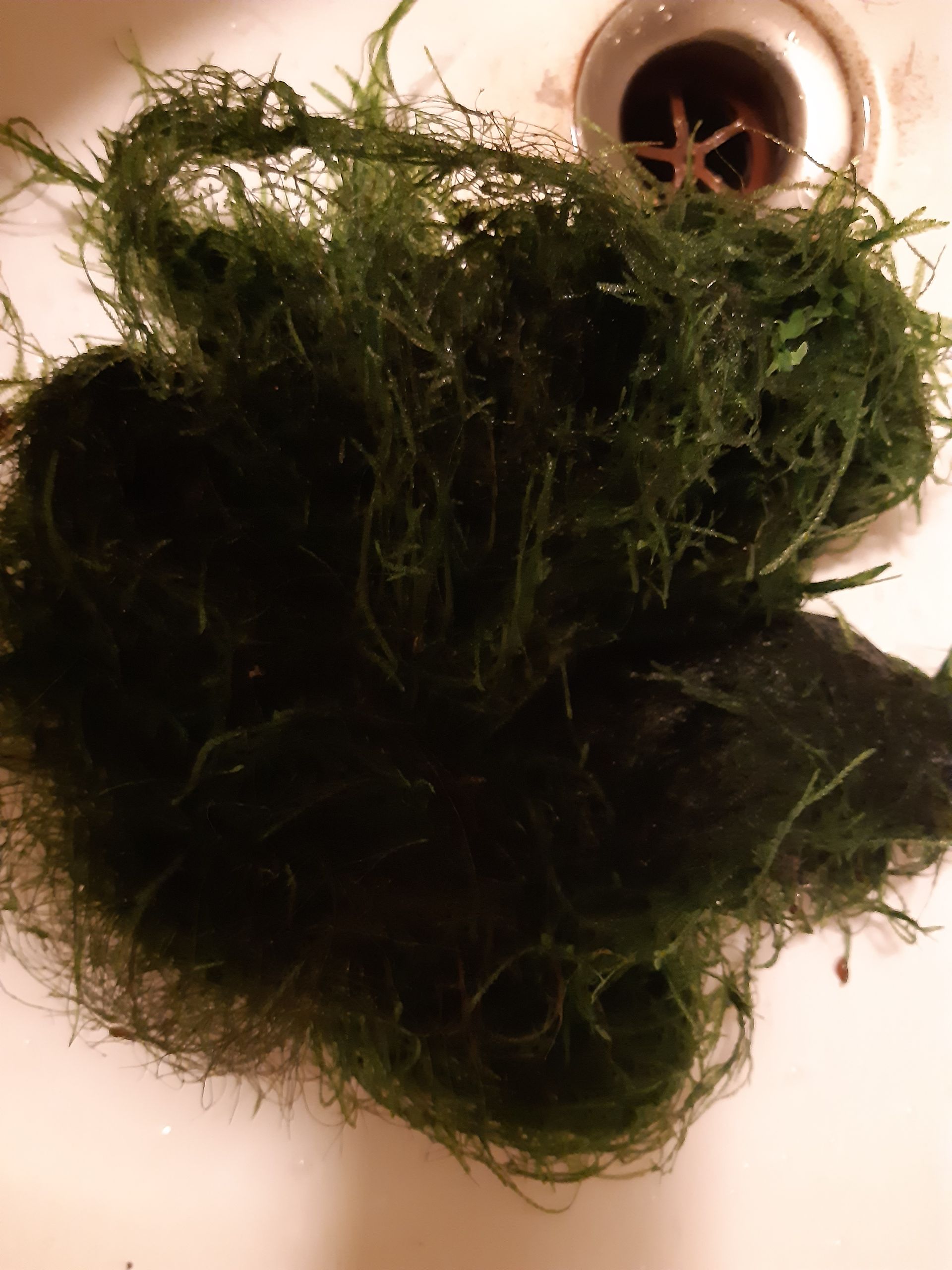
Jávský mech
před 6 hodinami • Kraslice (okres Sokolov), ? km • Nabídka


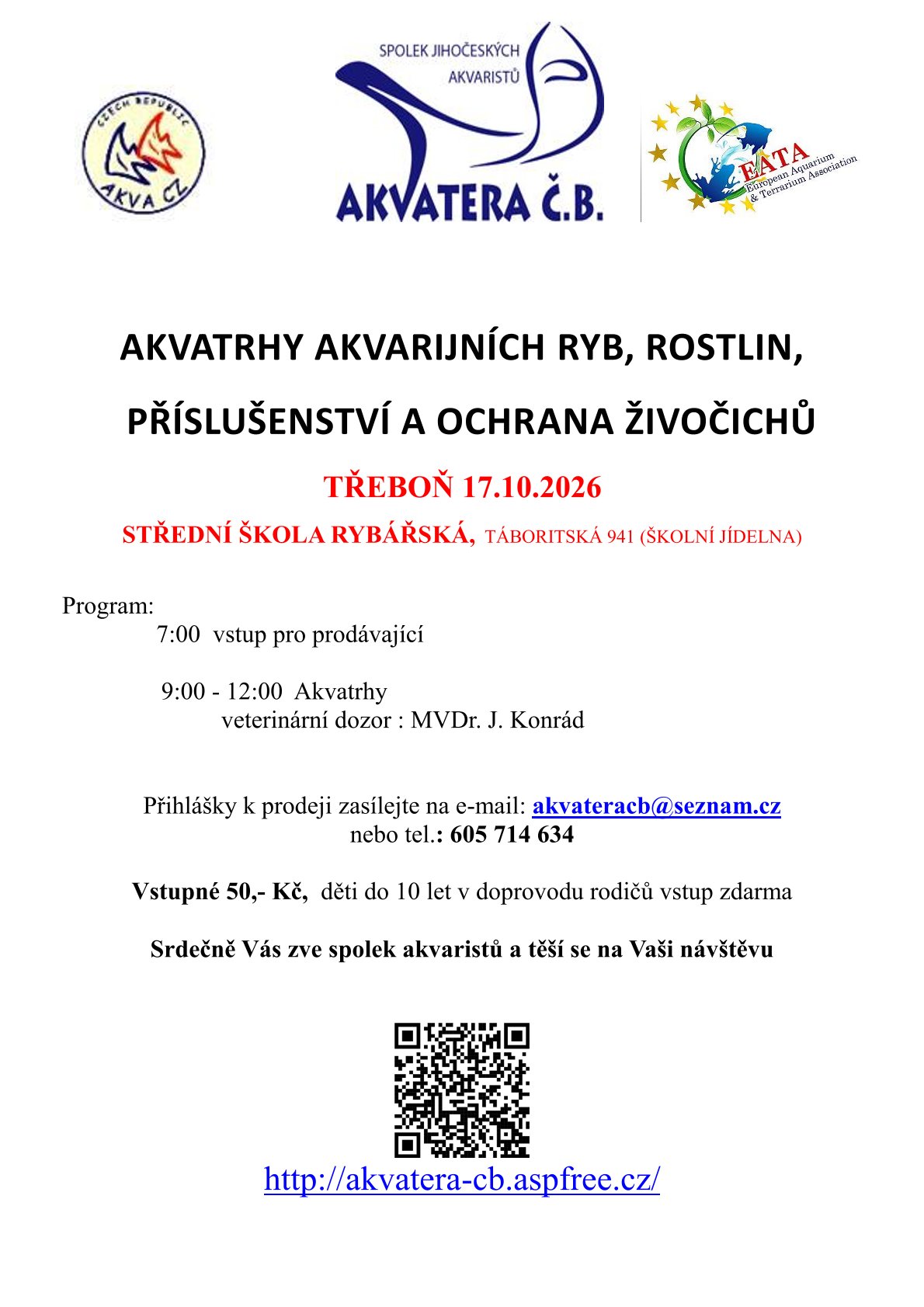
Spolek Jihočeských akvaristů zve všechny příznivce akvaristiky, teraristiky a milovníky přírody na Akvatrhy akvarijních ryb, rostlin, příslušenství a ochranu živočichů.
Přijďte si nakoupit od zkušených chovatelů, doplňte zásoby nebo si jen popovídejte s ostatními nadšenci z oboru!
- Datum: Sobota 17. října 2026
- Místo: Třeboň – Střední škola rybářská, Táboritská 941 (školní jídelna)
- Vstupné: 50 Kč (děti do 10 let v doprovodu rodičů zdarma)
- Pořadatel: Spolek Jihočeských akvaristů (Akvatera Č.B.)
- 07:00 – Vstup pro prodávající
- 09:00 – 12:00 – Akvatrhy pro veřejnost
Akvatrhy probíhají pod odborným veterinárním dozorem (MVDr. J. Konrád).
Chcete na trzích nabízet své odchovy, rostliny či vybavení? Přihlášky k prodeji zasílejte předem:
- E-mail: akvateracb@seznam.cz
- Telefon: +420 605 714 634
Více informací naleznete na oficiálních stránkách pořadatele: akvatera-cb.aspfree.cz
Vážení akvarističtí přátelé,
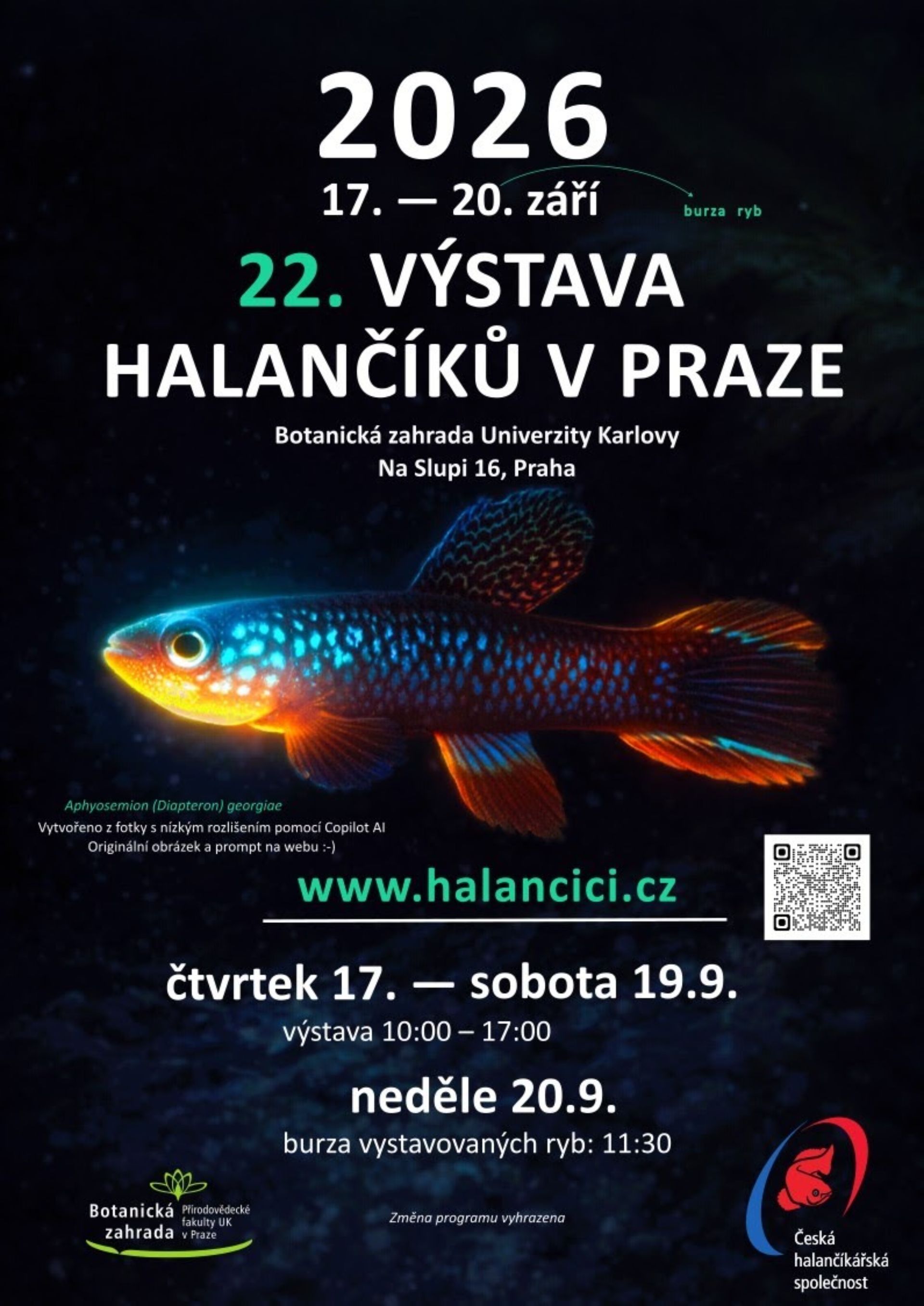
dovolte mi Vás pozvat na naši mezinárodní výstavu halančíků, která proběhne od čtvrtka 17. září do neděle 20. září. V sobotu od 14 hodin bude přednáška o rodu Nothobranchius. Od nedělního dopoledne proběhne dražba vystavovaných ryb, dražit mohou všichni kdo mají zájem. Na výstavu je nahlášeno přes 250 kolekcí ryb z Evropy a Asie. K vidění budou zajímavé a vzácné druhy halančíků, včetně druhů vyhynulých v přírodě a také budete mít možnost dozvědět se více o jejich životě, chovu, rozmnožování a pohovořit s chovateli těchto krásných a opomíjených akvarijních rybek.
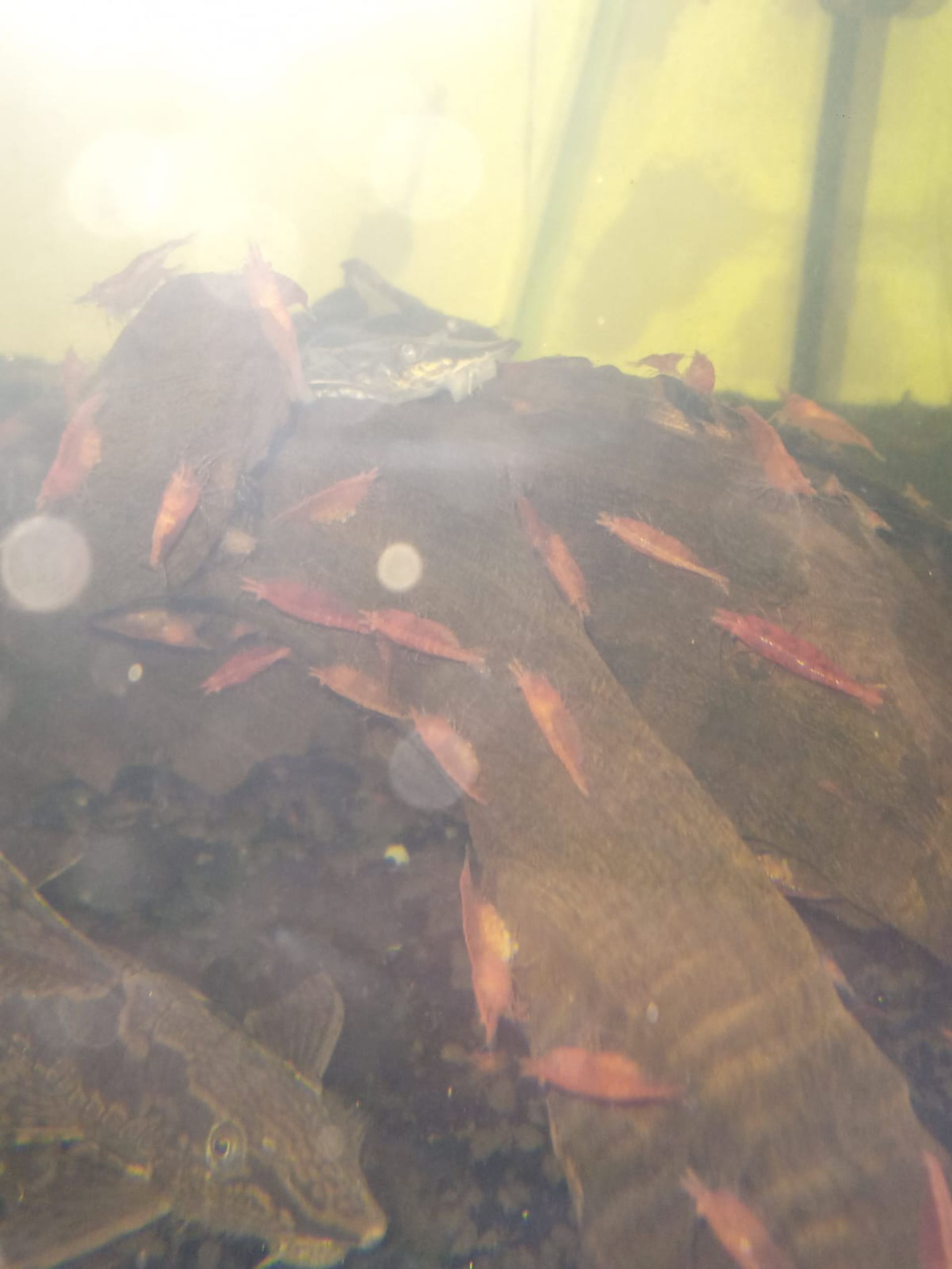
Opět nasazené Krevetky venku na dvoře. Od dubna, kdy sem jich nasadil do venkovní nádrže cca 40 kusu. Dnes vyloveno kolem 800 kusu. Fotografie od začátku postupně až po vyloveni a přesunuti do vnitřních akvárií.
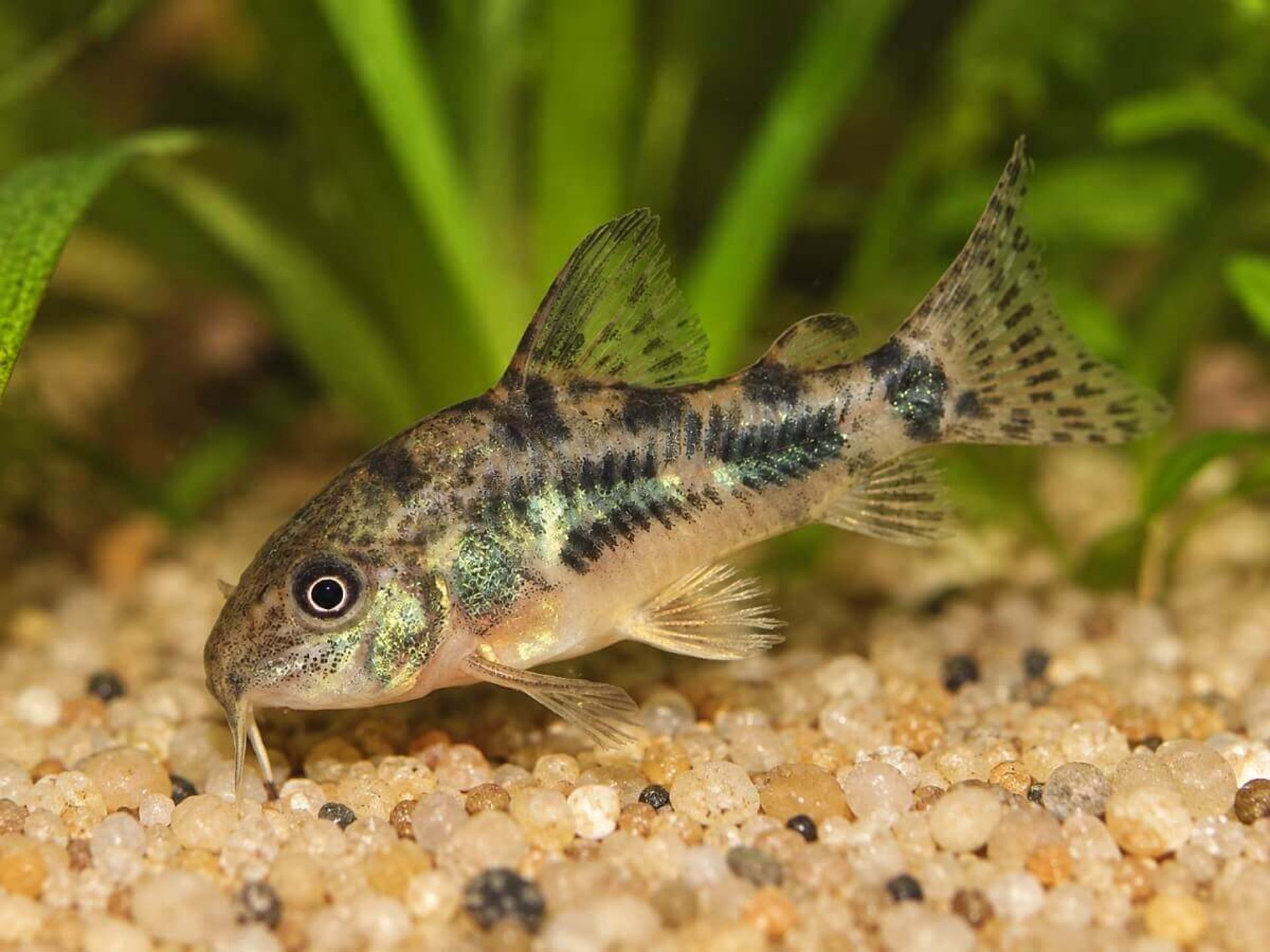
Pancéřníček skvrnitý: nenáročný a společenský obyvatel dna
Pancéřníček skvrnitý (Corydoras paleatus, nověji Hoplisoma paleatum) patří mezi nejoblíbenější akvarijní ryby žijící u dna. Je mírumilovný, společenský, zajímavý na pozorování a při správných podmínkách také poměrně nenáročný na chov. Přestože se o něm často mluví jako o „uklízeči akvária“, potřebuje vlastní kvalitní potravu a rozhodně nenahrazuje pravidelnou péči o dno nádrže.
Pancéřníček skvrnitý v kostce
Český název: pancéřníček skvrnitý
Tradiční vědecký název: Corydoras paleatus
Novější vědecké zařazení: Hoplisoma paleatum
Původ: jihovýchodní část Jižní Ameriky
Velikost: přibližně 6–7 cm
Chování: mírumilovné, společenské
Doporučený počet: alespoň 5–6 jedinců
Místo v akváriu: především dno
Potrava: všežravec
Vhodný substrát: jemný písek nebo hladký jemný štěrk
Vhodný pro začátečníky: ano
Jak vypadá pancéřníček skvrnitý?
Pancéřníček skvrnitý je snadno rozpoznatelný podle šedavého až stříbřitého těla s nepravidelnými tmavými skvrnami. Zbarvení jednotlivých ryb se může mírně lišit.
Charakteristickým znakem pancéřníčků jsou dvě řady pevných kostěných destiček po stranách těla. Právě ty jim poskytují ochranu a daly celé skupině české označení „pancéřníčci“.
Kolem tlamky mají citlivé vousky, pomocí kterých prohledávají substrát a hledají potravu. Právě kvůli nim je důležité zvolit vhodné dno bez ostrých hran.
Je pancéřníček skvrnitý vhodný pro začátečníky?
Ano. Pancéřníček skvrnitý je obecně považován za poměrně odolnou rybu, která se dobře hodí i do prvního společenského akvária.
To ale neznamená, že může žít v jakýchkoli podmínkách. Stejně jako ostatní ryby potřebuje stabilní kvalitu vody, vhodné krmení, dostatek prostoru a především společnost vlastního druhu.
Jednou z nejčastějších chyb začátečníků je pořízení jediného pancéřníčka jako „ryby na úklid dna“. Pancéřníčci jsou společenské ryby a výrazně lépe prospívají ve skupině.
Kolik pancéřníčků chovat společně?
Pancéřníček skvrnitý by neměl být chován samotný. Ideální je skupina alespoň 5 až 6 jedinců, při dostatečně velkém akváriu klidně více.
Ve skupině jsou pancéřníčci:
aktivnější,
méně plaší,
více se pohybují po nádrži,
vykazují přirozenější sociální chování.
Velmi zajímavé je sledovat několik pancéřníčků, kteří společně prohledávají dno nebo odpočívají vedle sebe pod kořenem či mezi rostlinami.
Jak velké akvárium potřebuje pancéřníček skvrnitý?
Pro menší skupinu pancéřníčků je vhodné akvárium s délkou alespoň kolem 60 cm.
U těchto ryb není nejdůležitější výška nádrže, ale především dostatečně velká plocha dna. Právě na něm tráví většinu času.
Vhodné akvárium by mělo nabídnout kombinaci:
volných ploch pro hledání potravy,
jemného substrátu,
rostlin,
kořenů,
kamenů bez ostrých hran,
klidnějších míst k odpočinku.
Pancéřníčci se dobře hodí do klasického společenského akvária s mírumilovnými druhy podobných nároků.
Jaké dno je pro pancéřníčky nejlepší?
Ideální je jemný akvarijní písek.
Pancéřníčci při hledání potravy zabořují tlamku a vousky do substrátu. Jemný písek jim umožňuje projevit jejich přirozené chování a zároveň minimalizuje riziko poranění citlivých vousků.
Použít lze také jemný hladký substrát bez ostrých hran.
Nevhodný je naopak velmi hrubý nebo ostrý štěrk.
Důležitá je také čistota dna. Dlouhodobě zanedbaný substrát může společně s nevhodnými podmínkami přispívat k poškození nebo infekcím vousků.
Je pancéřníček skutečně „čistič akvária“?
Pouze částečně. Pancéřníčci neustále prohledávají dno a dokážou najít drobné zbytky potravy, které ostatní ryby přehlédly. Díky tomu mohou pomoci využít část krmiva, které propadlo na dno. Nejsou ale náhradou za údržbu akvária.
Pancéřníček nepožírá výkaly ani nečistoty a odkalování akvária za vás neudělá.
Čím krmit pancéřníčka skvrnitého?
Pancéřníček skvrnitý je všežravec a potřebuje vlastní pravidelnou a pestrou stravu.
Základem mohou být kvalitní:
potápivé granule,
tablety pro ryby žijící u dna,
kvalitní wafery,
mražená potrava,
živá potrava.
Jako zpestření lze použít například artemie, patentky nebo další drobnou živočišnou potravu vhodnou pro akvarijní ryby. Nelze předpokládat, že pancéřníčkům postačí pouze zbytky krmení ostatních ryb.
V akváriu s velmi aktivními rybami je dokonce vhodné sledovat, zda se dostatečné množství potravy skutečně dostane až na dno.
Proč pancéřníček plave k hladině?
Jedním z nejzajímavějších projevů pancéřníčků jsou jejich rychlé výpravy od dna k hladině. Ryba vyplave nahoru, nabere vzduch a okamžitě se vrátí zpět. Nejde nutně o známku nedostatku kyslíku.
Pancéřníčci mají schopnost využívat také kyslík z atmosférického vzduchu. Spolknutý vzduch prochází jejich trávicím traktem a část kyslíku dokážou vstřebat přes specializovanou část střeva. Občasná cesta k hladině je proto zcela normální.
Pokud však pancéřníčci začnou vyrážet k hladině velmi často a jejich chování se náhle změní, je vhodné zkontrolovat:
kvalitu vody,
teplotu,
filtraci,
proudění vody,
okysličení nádrže.
Jak se pancéřníček skvrnitý chová?
Pancéřníčci patří mezi velmi mírumilovné ryby. Většinu dne tráví prohledáváním dna. Střídají aktivní hledání potravy s krátkým odpočinkem na substrátu, pod kořeny nebo mezi rostlinami.
Ve větší skupině lze často pozorovat několik jedinců pohybujících se společně. Přestože jsou považováni za ryby dna, nejsou na dno striktně vázáni. Občas podnikají rychlé výpravy do vyšších vrstev vody nebo až k hladině.
S jakými rybami lze pancéřníčky chovat?
Pancéřníček skvrnitý se hodí především do klidného společenského akvária.
Dobře může fungovat například s:
menšími tetrami,
razborami,
některými živorodkami,
klidnými parmičkami,
dalšími mírumilovnými rybami podobné velikosti.
Důležité je vybírat druhy s podobnými nároky na prostředí a teplotu vody.
Nevhodnou společností jsou především výrazně agresivní nebo velmi teritoriální ryby, které by mohly pancéřníčky napadat nebo jim bránit v přístupu k potravě.
Pancéřníček skvrnitý není krunýřovec
Pancéřníčci bývají někdy nesprávně označováni jako krunýřovci. Jde však o jinou skupinu sumcovitých ryb.
Pancéřníček skvrnitý patří do čeledi Callichthyidae, zatímco známí krunýřovci, například ancistrusi, patří do čeledi Loricariidae. Obě skupiny sice často obývají spodní partie akvária, jejich způsob života, stavba těla i potrava se ale liší.
Corydoras paleatus, nebo Hoplisoma paleatum?
Zkušení akvaristé znají pancéřníčka skvrnitého především pod názvem Corydoras paleatus. Po novější taxonomické revizi pancéřníčků byl však tento druh přeřazen do rodu Hoplisoma. Aktuálnější vědecké označení je proto Hoplisoma paleatum.
V akvaristických obchodech, literatuře i na internetu se však ještě dlouho budeme setkávat především se starším označením Corydoras paleatus. Pro chovatele se samozřejmě nic nemění – stále jde o stejného pancéřníčka skvrnitého.
Proč si pancéřníčka skvrnitého pořídit?
Pancéřníček skvrnitý nabízí kombinaci vlastností, díky kterým se stal jednou z klasik sladkovodní akvaristiky.
Je mírumilovný, aktivní, společenský a dobře se hodí do řady běžných společenských akvárií. Při hledání potravy neustále prozkoumává dno, takže je také velmi zajímavý na pozorování.
Pokud mu dopřejete jemné dno, čistou vodu, dostatek prostoru a pestrou stravu, může být dlouhodobě atraktivním obyvatelem akvária.
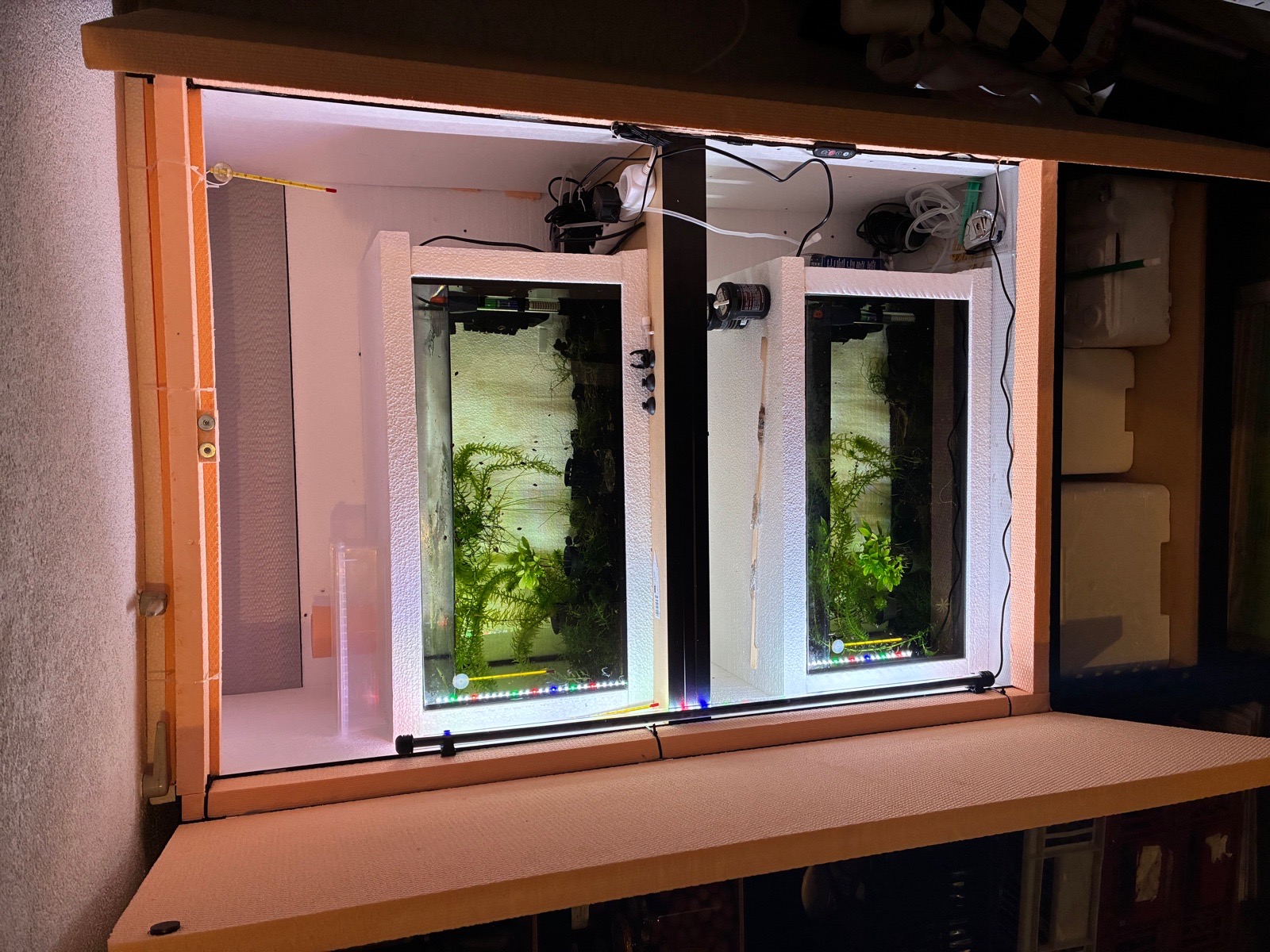
Odvhovna krevetek ve sklepe. Z důvodu toho, ze se ve sklepě vubec netopí a teploty jsou v zimě kolem 3 stupňů, mam kompletně zatepleno. Regál je ze všech stran zateplen 3cm plystyrenem včetně dvířek. Kolem dokola akvárii je ještě 5cm polystyren. V každém akváriu je pak ohřívač. Uvnitř je led světlo + vzduchovaci kompresor - teplo vytvořené z led světla, kompresoru je zužitkováno uvnitř a vytápí tím vnitřní prostor kolem akvárií.
Přijměte pozvání na tradiční podzimní kongres Českého cichlid klubu, který se koná v sobotu 14. listopadu 2026 ve Žďáře nad Sázavou v hotelu Hajčman. Těšte se na přednášky Mgr. Zuzany Musilové, Ph.D. a Ing. Miloše Kroupy. Členský sněm, bohatou tombolu a večerní společenský večírek plný inspirativních diskuzí. Nenechte si ujít toto setkání s nadšenci a možnost získat nové znalosti!
Přijměte pozvání na tradiční podzimní již 29. kongres Českého cichlid klubu pořádaný ve Žďáru nad Sázavou v hotelu Hajčman.
Program dne:
10:00 - 12:00 členský sněm Českého cichlid klubu - pro členy ČCK, nečleny a zájemce o členství
13:30 - cca 16:30 přednáškové odpoledne:
Mgr. Zuzana Musilová Ph.D. – Cichlidy v kráterových jezerech Kamerunu
Ing. Miloš Kroupa – Nemoci akvarijních ryb s důrazem na cichlidy
&
šťavnatá TOMBOLA pro ty co vydrží… a pro ty, co vydrží ještě dále společenský raut a večírek
Všichni jste srdečně zváni. Tombola a příjemná atmosféra zaručena.
MÍSTO KONÁNÍ KONGRESU:
Hotel Hajčman, Strojírenská 372/11, 591 01 Žďár nad Sázavou
https://maps.app.goo.gl/umippwXKAgkZMkEF7
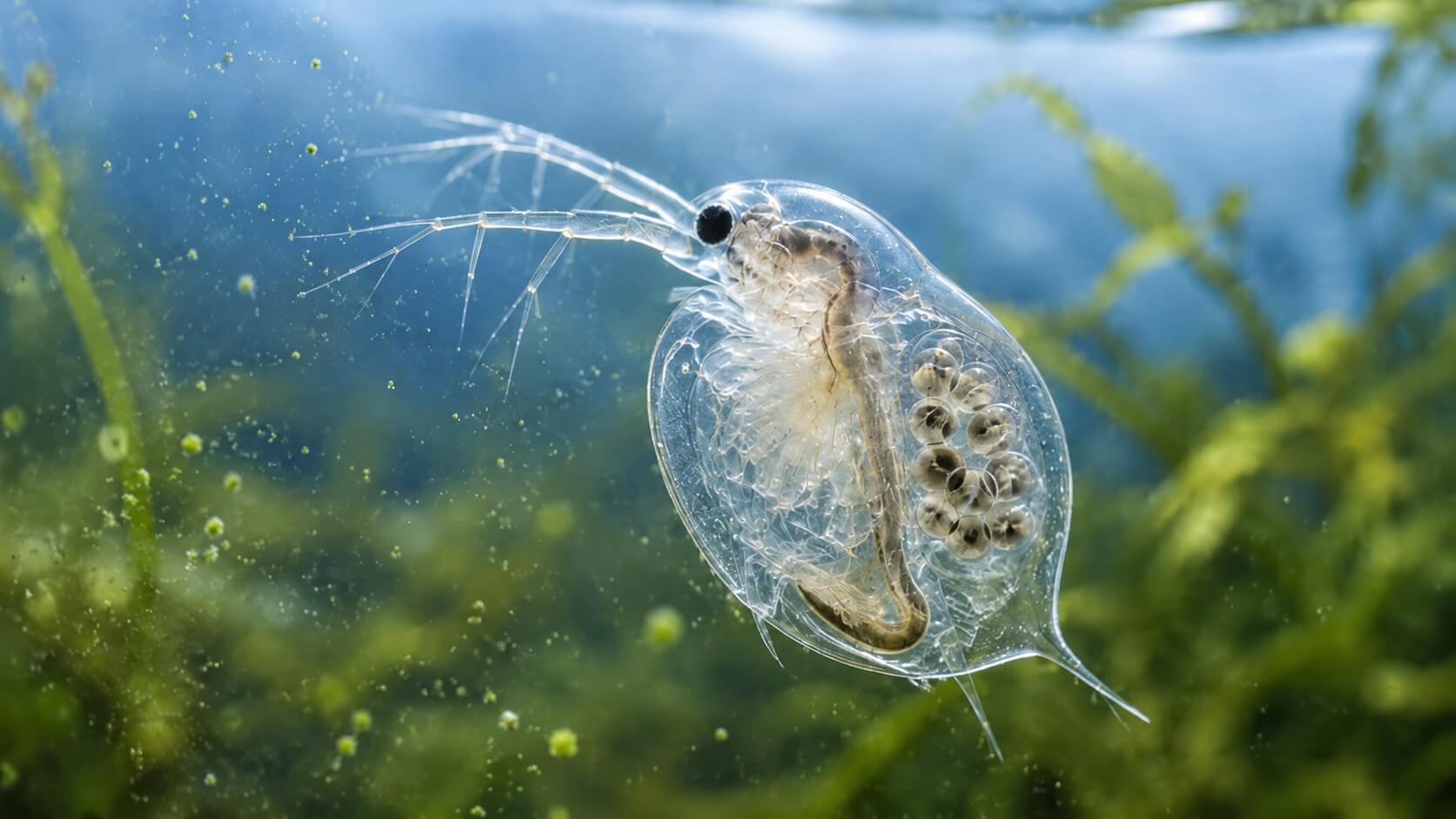
Dafnie (dafnia, Daphnia, Hrotnatka velká) patří mezi nejzajímavější drobné živočichy sladkovodních ekosystémů. Akvaristé je znají především jako kvalitní živé krmení pro ryby, jejich význam je však mnohem širší. Dafnie dokážou filtrovat vodu, konzumovat mikroskopické řasy a pomáhat udržovat biologickou rovnováhu v akváriích, přírodních nádržích a především v zahradních jezírkách.
💧 V dobře fungujícím jezírku mohou dafnie výrazně přispět k omezení zeleného zákalu. Každá dafnie je totiž malý živý filtr, který se pohybuje vodním sloupcem a zachytává z něj řasy, bakterie a jemné organické částice.
Dafnie pro svoje jezírko nebo jako potravu pro akvarijní ryby si můžete jednoduše objednat zde.
- Co jsou dafnie?
- Jak dafnie čistí vodu?
- Význam dafnií pro zahradní jezírko
- Proč ryby omezují populaci dafnií?
- Dafnie jako živé krmení pro ryby
- Jak dafnie chovat?
- Nejčastější otázky o dafniích
Dafnie jsou drobní sladkovodní korýši náležející mezi perloočky. Nejčastěji měří jen několik milimetrů a jejich tělo je částečně průhledné. Ve vodě se pohybují charakteristickými trhavými pohyby, díky kterým se jim lidově říká vodní blechy. Se skutečnými blechami ale nemají nic společného.
V přírodě žijí v rybnících, tůních, jezerech, zatopených lomech, retenčních nádržích a dalších stojatých nebo pomalu proudících vodách.
Živí se zejména:
- jednobuněčnými planktonními řasami,
- bakteriemi,
- mikroorganismy,
- jemnými organickými částicemi rozptýlenými ve vodě.
Dafnie získávají potravu filtrací. Pohybem končetin vytvářejí proud vody a z něj zachytávají částice vhodné velikosti. Právě tato schopnost z nich dělá důležitou součást přirozeného čištění vody.
Největší ekologický význam dafnií spočívá v jejich schopnosti odstraňovat z vodního sloupce mikroskopické řasy a další drobné částice. Dafnie nečistí dno jezírka, nesbírají napadané listí a nepožírají dlouhá vlákna řas.
Typickým příkladem je zelená voda v jezírku. Zelené zbarvení často způsobují jednobuněčné planktonní řasy, které jsou tak malé, že je běžná mechanická filtrace nemusí zachytit. Pro dafnie však představují přirozený zdroj potravy.
Pokud se v jezírku vytvoří dostatečně početná populace dafnií, mohou množství řas postupně snížit. Voda se následně stává průhlednější a více světla proniká k ponořeným vodním rostlinám.
🌿 Zdravé vodní rostliny dále spotřebovávají živiny, produkují kyslík, poskytují úkryt drobným živočichům a pomáhají stabilizovat celý jezírkový ekosystém.
V zahradním jezírku představují dafnie přirozenou součást biologické filtrace a při vhodných podmínkách se samy rozmnožují. Jejich účinek je založený na jednoduchém principu: odstraňují z vody fytoplankton, který způsobuje zelený zákal.
Dostatečné množství dafnií může přispět k:
- omezení zeleného zbarvení vody,
- zvýšení průhlednosti jezírka,
- snížení množství řas,
- podpoře růstu ponořených rostlin,
- stabilizaci potravního řetězce,
- vytvoření přirozenějšího prostředí pro další vodní organismy.
Dafnie jsou nejúčinnější v přírodních a koupacích jezírkách bez ryb nebo s nízkou rybí obsádkou. Velmi dobře mohou fungovat také v oddělené regenerační zóně, do které se ryby nedostanou. Jsou významnou součástí biologické rovnováhy, nikoliv univerzálním řešením každého problému s vodou.
Pro většinu ryb představují dafnie atraktivní a snadno dostupnou potravu. Konzumují je drobné ryby, rybí potěr, karasi, zlaté rybky, jeseni i koi kapři. Pokud je v jezírku mnoho ryb, mohou být nově vysazené dafnie zkonzumovány dříve, než se stihnou rozmnožit.
V jezírku funguje jednoduchý potravní řetězec:
ryby → dafnie → řasy
Jestliže je ryb příliš mnoho, populace dafnií klesá. Řasy pak nejsou dostatečně spásány a voda může zůstat zelená. Pro podporu dafnií je proto vhodné vytvořit místa, kde se mohou před rybami ukrýt.
- husté porosty ponořených vodních rostlin,
- mělké pobřežní části jezírka,
- kořenové zóny rostlin,
- regenerační část oddělená od ryb,
- samostatná nádoba propojená s jezírkem.
Přítomnost dafnií může významně pomoci, ale pokud se do jezírka dlouhodobě dostává příliš mnoho živin, budou mít řasy stále dobré podmínky k růstu.
Mezi nejčastější zdroje nadbytečných živin patří:
- překrmování ryb,
- příliš vysoký počet ryb,
- rybí výkaly,
- rozkládající se listí,
- odumřelé části rostlin,
- bahno a organické usazeniny na dně,
- splach hnojiv ze zahrady,
- nedostatek vodních rostlin.
Dafnie konzumují část již vzniklého fytoplanktonu, ale samy neodstraní příčinu nadbytku dusíku a fosforu. Nejlepší výsledky proto přináší kombinace dafnií, vodních rostlin, přiměřeného množství ryb a omezeného přísunu organických nečistot.
V akvaristice jsou dafnie ceněné zejména jako přirozené živé krmení pro ryby. Jejich pohyb ve vodě podporuje lovecký instinkt a stimuluje ryby k přirozenému chování. Dafnie přijímají i ryby, které někdy odmítají vločkové nebo granulované krmivo.
Dafnie jsou vhodné například pro:
- živorodky,
- tetry,
- parmičky,
- labyrintní ryby,
- menší cichlidy,
- závojnatky,
- jezírkové ryby,
- odrostlejší rybí potěr.
Mladé dafnie jsou vhodné pro menší ryby, zatímco dospělí jedinci poslouží jako krmivo pro větší druhy. Jejich výživová hodnota závisí na druhu, stáří a především na tom, čím se dafnie před zkrmením samy živily.
✅ Výhodou živých dafnií je, že pokud je ryby ihned nespotřebují, nezačnou se ve sladké vodě rychle rozkládat jako přebytečné suché krmivo. Po určitou dobu zůstávají živé a pokračují ve filtrování vody.
Dafnie mají pevnější vnější obal obsahující chitin. Ten může podpořit přirozený průchod potravy trávicím traktem ryb. Ani dafnie by však neměly být jediným druhem krmiva. Nejlepší je pestrý jídelníček odpovídající konkrétnímu druhu ryb.
Vlastní chov dafnií není příliš náročný. Použít lze plastovou nádobu, sud, menší venkovní nádrž nebo samostatné jezírko bez ryb. Nádoba by měla být umístěna na světlém místě, ale v létě není vhodné celodenní prudké slunce, které může vodu přehřívat.
- odstátá voda bez chloru,
- dostatek mikrořas a mikroorganismů,
- stabilní teplota vody,
- žádné ryby ani jiní výrazní predátoři,
- šetrné odebírání pouze části populace,
- pravidelná kontrola kvality vody.
Dafnie lze přikrmovat velmi malým množstvím vhodné potravy, například zelenou vodou, jemně dávkovanými kvasnicemi nebo speciálním krmivem pro zooplankton. Překrmování je však nebezpečné. Nadbytek potravy se začne rozkládat, spotřebuje kyslík a může způsobit zhroucení celé kultury.
Při odběru je vhodné vždy ponechat dostatečně početnou základní populaci. Část dafnií lze zkrmit rybám a část ponechat pro další rozmnožování.
1. Zkontrolujte počet ryb. V silně zarybněném jezírku budou dafnie pravděpodobně rychle zkonzumovány.
2. Vytvořte úkryty. Pomohou husté vodní rostliny, mělké zóny nebo oddělená regenerační část.
3. Nepoužívejte agresivní přípravky proti řasám. Některé mohou poškodit nebo zahubit také dafnie.
4. Nevysazujte dafnie do čerstvé chlorované vody. Voda by měla být odstátá a jezírko biologicky stabilní.
5. Omezte přísun živin. Nepřekrmujte ryby a pravidelně odstraňujte listí a odumřelé rostliny.
6. Použijte zdravou kulturu. Dafnie odebírejte z důvěryhodného zdroje, abyste do jezírka nezanesli parazity nebo nežádoucí organismy.
UV lampa pomáhá likvidovat volně plovoucí řasy a mikroorganismy procházející zařízením. Právě tyto organismy ale zároveň tvoří potravu dafnií. V jezírku s trvale zapnutou silnou UV lampou proto mohou mít dafnie méně potravy a jejich populace se nemusí výrazně rozrůst.
Samotné dafnie obvykle nejsou UV lampou přímo zasaženy, pokud neprocházejí čerpadlem a UV jednotkou. Silný průtok přes technickou filtraci však může část drobného zooplanktonu zachytit nebo poškodit.
Pro přírodní jezírka je proto vhodné hledat rovnováhu mezi technickou filtrací a biologickými procesy. V silně zarybněném jezírku je technická filtrace obvykle nezbytná, zatímco v přírodním jezírku bez ryb může větší část práce odvádět zooplankton a vodní rostliny.
Za vhodných podmínek mohou dafnie zelený zákal výrazně omezit. Musí jich však být dostatečné množství a zároveň nesmějí být okamžitě sežrány rybami. Největší účinek mají v biologicky vyváženém jezírku s nízkou rybí obsádkou, dostatkem rostlin a omezeným přísunem živin.
Je také důležité určit, co zákal způsobuje. Dafnie pomáhají hlavně proti zelené vodě tvořené jednobuněčnými řasami. Nepomohou přímo proti:
- vláknitým řasám přichyceným ke kamenům,
- řasovým povlakům na fólii,
- bahnu na dně,
- jílovému nebo minerálnímu zákalu,
- nečistotám rozvířeným rybami.
Dafnie představují názorný příklad toho, jak důležitou roli může mít zdánlivě nepatrný živočich. Pro ryby jsou přirozenou potravou, pro vodu živým filtrem a pro celé jezírko důležitým článkem potravního řetězce.
Přítomnost dafnií není zázračným řešením, které nahradí filtraci, vodní rostliny nebo pravidelnou péči. Největší přínos mají tam, kde se podaří vytvořit vyvážené prostředí s přiměřeným množstvím ryb a nízkým přísunem živin.
V takovém jezírku nemusí být čistá voda výsledkem pouze práce čerpadel, filtrů a UV lamp. Významnou část práce mohou každý den odvádět tisíce drobných dafnií – nenápadných živých filtrů, které jsou pouhým okem téměř neviditelné. 💧🌿
Dafnie jsou drobní sladkovodní korýši známí také jako vodní blechy. Živí se planktonními řasami, bakteriemi a jemnými organickými částicemi. V akvaristice se používají jako živé krmení pro ryby.
V češtině se běžně používá označení dafnie, správný český výraz je Hrotnatka velká. Slovo dafnia se často objevuje ve vyhledávání, nabídkách krmiv nebo jako počeštěná varianta latinského rodového názvu Daphnia. Všechny výrazy obvykle označují stejné vodní korýše.
Ano. Dafnie jsou přirozené živé krmení vhodné pro mnoho akvarijních a jezírkových ryb. Podporují lovecký instinkt a mohou být součástí pestrého jídelníčku. Velikost dafnií je nutné přizpůsobit velikosti ryb.
Dafnie mohou výrazně snížit množství řas planktonu, které způsobují zelené zbarvení vody. Úspěch závisí na velikosti jejich populace, množství ryb, dostupnosti úkrytů a celkovém množství živin v jezírku.
Nejčastěji je sežraly ryby. Příčinou může být také nevhodná kvalita vody, nedostatek potravy, použití chemického přípravku proti řasám, prudká změna teploty nebo silná technická filtrace.
Ne přímo. Dafnie filtrují především drobné řasy volně rozptýlené ve vodním sloupci. Dlouhá vlákna řas přichycená ke kamenům, fólii nebo rostlinám běžně nekonzumují.
Mohou, ale většina ryb je rychle zkonzumuje. Dlouhodobě se udrží především v akváriu bez ryb, v hustě zarostlé nádrži nebo v samostatné chovné nádobě.
Frekvence závisí na druhu a velikosti ryb. Dafnie lze podávat pravidelně jako součást pestré stravy, neměly by však být jediným krmivem. Množství má odpovídat tomu, co ryby skutečně spotřebují.
Ano. Dafnie lze chovat v nádobě s odstátou vodou bez chloru. Potřebují dostatek drobné potravy, stabilní podmínky a ochranu před přehřátím, důležité je kulturu nepřekrmovat.
Koi kapři dafnie aktivně konzumují, takže se v hlavní části jezírka obvykle neudrží ve větším množství. Pomoci může oddělená regenerační zóna nebo samostatná nádrž, ve které se dafnie rozmnožují bez přístupu ryb.
Pozn. Obrázek je pouze ilustrační.
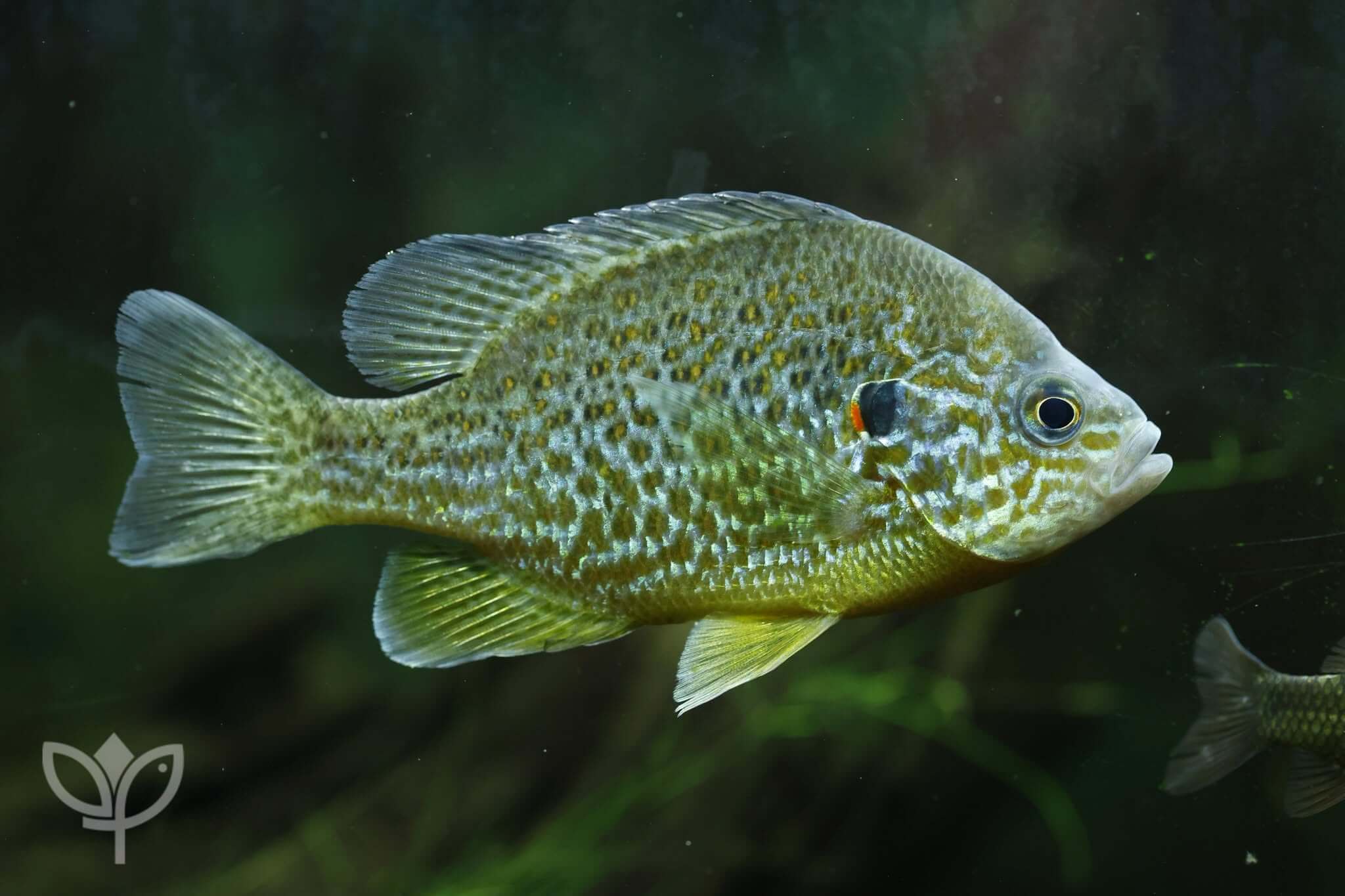
Na první pohled připomíná exotickou akvarijní rybu. Její boky zdobí zelenomodré proužky, oranžové skvrny a nápadná červeně lemovaná skvrna na skřelích. Slunečnice pestrá (Lepomis gibbosus) v České republice bohužel představuje nepůvodní invazní druh, který může konkurovat domácím rybám, požírat jejich jikry a ovlivňovat společenstva vodních bezobratlých.
Původním domovem slunečnice pestré je východní část Severní Ameriky, včetně oblasti Velkých jezer. Do Evropy byla dovezena ve druhé polovině 19. století. První známý evropský výskyt pochází z roku 1877, kdy byla chována v zahradních jezírkách u zámku Versailles. Později se dostala také do Německa, Nizozemska a dalších zemí.
K jejímu šíření přispívalo záměrné vysazování pro sportovní rybolov, chov v okrasných jezírkách i vypouštění akvarijních ryb do volné přírody. Část populací vznikla také neúmyslně, například při převozu plůdku hospodářsky významných druhů ryb. V současnosti se slunečnice ostrůvkovitě vyskytuje v desítkách evropských zemí.
První doložené záznamy z území České republiky pocházejí z roku 1929 z Třeboňska. Ryba se sem pravděpodobně dostala neúmyslně společně s plůdkem kapra dovezeným z tehdejší Jugoslávie.
Postupně byla zaznamenána také v oblasti Lužnice, dolního Povltaví, středního Polabí, Orlice a na jižní Moravě, zejména v povodí Moravy a Dyje. Její rozšíření v Česku není souvislé. Vytváří spíše lokální populace v místech, která jí poskytují vhodné podmínky pro rozmnožování a dostatek potravy. Aktuální výskyt eviduje Nálezová databáze ochrany přírody spravovaná Agenturou ochrany přírody a krajiny ČR.
Slunečnice pestrá má vysoké, ze stran výrazně zploštělé tělo. Ve své původní oblasti může výjimečně dorůst až přibližně 40 centimetrů, v českých podmínkách však většinou nepřesahuje 15 centimetrů a hmotnost kolem 200 gramů.
Zbarvení je velmi proměnlivé. Hřbet bývá olivově zelený až žlutohnědý, zatímco břicho může přecházet do bronzové, žluté nebo oranžové barvy. Na hlavě jsou patrné vlnité zelenomodré proužky a na bocích drobné barevné skvrny.
Nejvýraznějším poznávacím znakem je tmavá skvrna na prodloužené části skřelí. U slunečnice pestré ji na zadním okraji doplňuje oranžová až červená půlměsíčitá skvrna. Samci získávají během období rozmnožování ještě intenzivnější barvy.
Slunečnice vyhledává především stojaté nebo pomalu tekoucí vody v nižších nadmořských výškách. Vhodným prostředím jsou pro ni:
- slepá říční ramena a tůně,
- menší rybníky a zahradní nádrže,
- pískovny a zatopené lomy,
- zavlažovací a odvodňovací kanály,
- klidné úseky menších řek.
Nejlépe se jí daří v prohřátých vodách s měkkým dnem, členitým pobřežím a bohatými porosty ponořených rostlin. Prudkým proudům se obvykle vyhýbá. Mladé ryby vytvářejí početnější hejna v mělké vodě poblíž břehů, zatímco dospělí jedinci se častěji pohybují jednotlivě nebo v malých skupinách mezi vegetací.
Potrava slunečnice pestré se mění podle její velikosti a nabídky konkrétní lokality. Loví larvy vodního hmyzu, korýše, měkkýše a další bezobratlé. Větší jedinci požírají také jikry, rybí plůdek a drobné ryby.
Právě široké potravní spektrum je jedním z důvodů jejího úspěchu. Dokáže využívat různé zdroje potravy a současně konkurovat původním druhům s podobnými ekologickými nároky. V menších nádržích nebo izolovaných tůních může při vysoké početnosti výrazně změnit množství vodních bezobratlých a zhoršit podmínky pro rozmnožování domácích ryb.
Její dopad však není na všech lokalitách stejný. Monitoring na jižní Moravě například upozornil na možnou souvislost mezi početným výskytem slunečnice a poklesem hořavky duhové v některých ramenech Kněžpolského lesa. V oblasti Soutoku Moravy a Dyje se naopak oba druhy místy vyskytují společně a populace hořavky tam zůstává stabilní. Skutečný vliv proto závisí na charakteru lokality, hustotě populace a stavu celého vodního ekosystému.
Slunečnice pestrá dospívá zpravidla již v jednom až dvou letech. Samec vyhloubí v mělké vodě kruhovité hnízdo, obvykle v podobě jamky o průměru několika desítek centimetrů. Do jednoho hnízda mohou naklást jikry i různé samice.
Samec poté jikry a čerstvě vylíhlý plůdek intenzivně střeží. Od hnízda odhání jiné ryby, někdy i podstatně větší, a unikající mláďata může tlamou přenášet zpět. Tato rodičovská péče zvyšuje pravděpodobnost přežití potomstva a pomáhá druhu při osidlování nových lokalit.
Slunečnice pestrá je zařazena na unijní seznam invazních nepůvodních druhů s významným dopadem na Evropskou unii. Na druhy uvedené na tomto seznamu se vztahují omezení týkající se držení, chovu, rozmnožování, přepravy, prodeje a vypouštění do přírody. Bez příslušného povolení ji proto nelze pořizovat jako akvarijní nebo jezírkovou rybu ani ji přemisťovat mezi lokalitami.
Český zákon o rybářství navíc stanovuje, že invazní nepůvodní druh z unijního seznamu nesmí být po ulovení vrácen zpět do vody. Slunečnici také nelze použít jako nástražní rybu. S uloveným jedincem je nutné zacházet v souladu s pravidly ochrany zvířat a rybářským řádem příslušného revíru.
Úplné odstranění zavedené populace je prakticky nemožné. Běžný odlov může počet ryb dočasně snížit, ale zpravidla nedokáže zachytit všechny jedince. Několik přeživších ryb může populaci znovu obnovit.
V malých a technicky regulovatelných nádržích může být účinné úplné vypuštění vody a ponechání dna dostatečně dlouho vyschnout. Takový zásah však musí být odborně naplánovaný, protože může zasáhnout také původní ryby, obojživelníky a vodní bezobratlé. Nejdůležitějším opatřením proto zůstává prevence dalšího šíření.
Slunečnici nikdy nepřenášejte do jiné vodní nádrže ani ji nevypouštějte z akvária nebo zahradního jezírka.Nový nebo neobvyklý výskyt je vhodné zdokumentovat fotografií a zaznamenat přesnou lokalitu a datum.
Pozorování lze odeslat prostřednictvím aplikace BioLog nebo iNaturalist. AOPK ČR přijímá hlášení také e-mailem. Užitečné je přiložit fotografii, souřadnice nebo označení místa v mapě a datum pozorování. Údaje se následně ukládají do Nálezové databáze ochrany přírody a pomáhají při sledování šíření i plánování případných zásahů.
Slunečnice pestrá patří bezpochyby k nejbarevnějším rybám, které lze v českých vodách spatřit. Její vzhled a zajímavé rozmnožovací chování však nesmějí zastínit skutečnost, že jde o nepůvodní druh schopný ovlivňovat místní vodní společenstva.
Její příběh je zároveň připomínkou, že vypuštění jediné okrasné ryby nemusí být neškodným činem. Druh, který v akváriu působí exoticky a nevinně, může po úniku do vhodného prostředí založit životaschopnou populaci a zůstat součástí naší přírody po mnoho desetiletí.
- AOPK ČR – Slunečnice pestrá
- Invazní druhy z unijního seznamu
- AOPK ČR – pravidla pro nakládání s invazními druhy
- AOPK ČR – hlášení výskytu invazních druhů
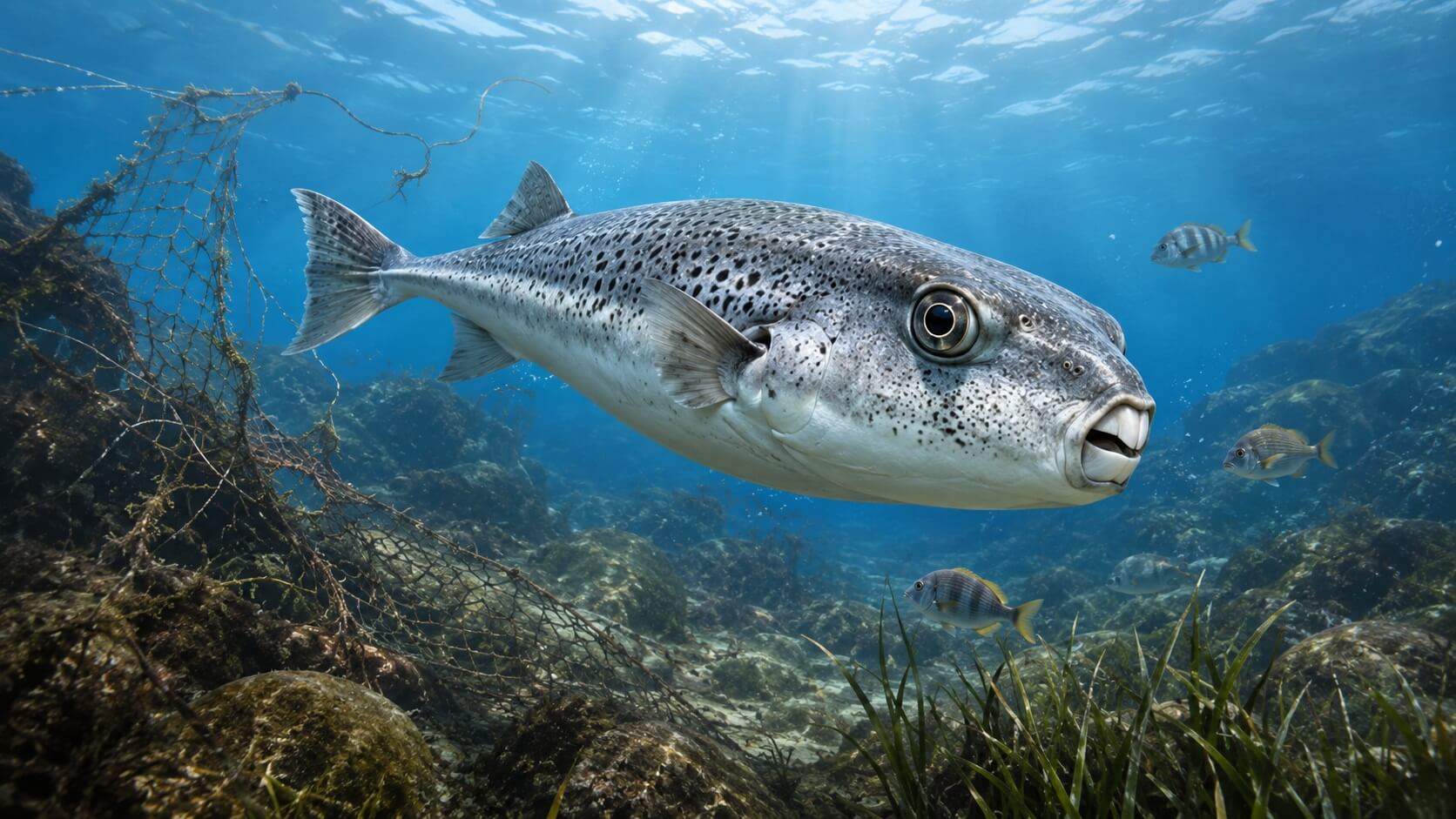
Ještě před několika desetiletími by setkání s tropickým čtverzubcem ve Středozemním moři působilo jako biologická kuriozita. Dnes jsou některé druhy pevnou součástí jeho východní části a postupně pronikají také do Jaderského moře a západního Středomoří. Největší pozornost přitahuje čtverzubec stříbropásý, jehož invaze představuje ekologický, ekonomický i zdravotní problém.
Čtverzubec stříbropásý (Lagocephalus sceleratus**) pochází z tropických a subtropických oblastí Indického a Tichého oceánu**. Do Středozemního moře se dostal z Rudého moře přes Suezský průplav. Suezský průplav vytvořil mezi dvěma původně oddělenými mořskými oblastmi koridor, kterým se do Středomoří rozšířily stovky nepůvodních organismů. Patří mezi ně ryby, měkkýši, korýši, medúzy i řasy. Ne všechny se dokážou v novém prostředí trvale usadit, čtverzubec stříbropásý však patří k mimořádně úspěšným kolonizátorům.
První potvrzený středomořský nález tohoto druhu pochází z roku 2003 z tureckého zálivu Gökova. Následovalo rychlé šíření podél pobřeží Turecka, Izraele, Libanonu, Egypta, Kypru a Řecka. Později byl zaznamenán v Tunisku, na Maltě, v Jaderském moři a dokonce poblíž Ceuty u Gibraltarského průlivu. CIESM jej dnes ve Středomoří hodnotí jako velmi běžný druh, zejména v jeho východní části.
Významným varováním pro evropské turisty a akvaristy byl nález v chorvatské zátoce Medulin. Samec dlouhý 52,2 centimetru a vážící 1,33 kilogramu zde byl uloven v květnu 2024. Šlo o dosud nejsevernější potvrzený nález čtverzubce stříbropásého nejen v Jaderském, ale v celém Středozemním moři.
Samotný Suezský průplav rybám otevřel cestu, o jejich úspěšném usazení však rozhodují také podmínky v novém prostředí. Středozemní moře se otepluje a zejména jeho východní část se stále více podobá subtropickým oblastem Rudého moře.
Vyšší teploty prodlužují období, během kterého se mohou tropické druhy rozmnožovat a aktivně přijímat potravu. Současně se zmenšuje teplotní bariéra, která dříve zpomalovala jejich postup do severnějších a západnějších částí Středomoří. Rostoucí teploty podporují šíření nepůvodních čtverzubců i dalších teplomilných ryb a mění druhové složení pobřežních ekosystémů.
Čtverzubec stříbropásý navíc není potravní specialista. Loví korýše, měkkýše, ostnokožce, hlavonožce i menší ryby. Dokáže se pohybovat nad písčitým a kamenitým dnem, v okolí útesů, porostů mořských trav i v přístavních oblastech. Jeho vajíčka a larvy se volně vznášejí ve vodním sloupci, takže je mořské proudy mohou přenášet na značné vzdálenosti.
Tělo této ryby je v klidovém stavu protáhlé a směrem k ocasnímu násadci se zužuje. Hlava je mohutná, s tupým čenichem a nápadnýma očima. Horní část těla je šedavá až stříbřitá a pokrytá tmavými tečkami. Po bocích probíhá výrazný světlý, stříbřitý pruh a břicho je bílé.
Hřbetní a řitní ploutev jsou posunuté daleko dozadu a stojí téměř proti sobě. Břišní ploutve zcela chybějí.Typickým znakem jsou také čtyři mohutné zubní desky – dvě v horní a dvě v dolní čelisti. Vytvářejí zobák, kterým ryba snadno drtí schránky měkkýšů, krunýře korýšů, rybářské vlasce i části sítí.
Při ohrožení dokáže čtverzubec rychle nasát vodu a výrazně zvětšit objem těla. Běžní jedinci měří přibližně 20 až 60 centimetrů, podle atlasu CIESM mohou dosahovat délky až kolem 85 centimetrů.
Ve Středomoří se objevují i další nepůvodní čtverzubcovití, například Lagocephalus suezensis nebo Lagocephalus guentheri. Právě čtverzubec stříbropásý je však kvůli velikosti, rychlosti šíření, potravnímu chování a vysoké toxicitě považován za nejproblematičtějšího z nich.
Nejzávažnějším rizikem jetetrodotoxin, mimořádně účinný neurotoxin, který se může nacházet v játrech, pohlavních orgánech, střevech, kůži i svalovině ryby. Jeho množství se liší mezi jednotlivými exempláři, orgány, ročními obdobími i lokalitami. Neexistuje proto žádná část středomořského čtverzubce, kterou by bylo možné považovat za bezpečnou k jídlu.
Tetrodotoxin blokuje sodíkové kanály nervových a svalových buněk. Prvními příznaky otravy bývá brnění nebo necitlivost rtů a jazyka, nevolnost, zvracení, závratě a svalová slabost. Těžká otrava postupuje k celkové paralýze a selhání dýchání, přičemž postižený může zůstat při vědomí.
Toxin je tepelně stabilní. Běžné vaření, smažení, sušení ani zmrazení jej spolehlivě nezničí. Pro otravu navíc neexistuje specifické antidotuma léčba spočívá především v intenzivní podpůrné péči a umělé ventilaci, dokud organismus toxin nevyloučí.
Evropské předpisy proto zakazují uvádět na trh produkty pocházející z jedovatých ryb čeledi čtverzubcovitých. Rybu nelze považovat za středomořskou obdobu japonského fugu, kterou by bylo možné bezpečně připravit pouhým odstraněním vnitřních orgánů.
Studie zveřejněná v roce 2024 shromáždila ve východním Středomoří za období 2004 až 2023 nejméně 144 případů nefatální otravy a 27 úmrtí po konzumaci čtverzubců. Autoři současně zaznamenali 28 případů fyzického napadení nebo pokousání. Údaje pocházejí z odborné literatury, lékařských zpráv, rozhovorů i dalších záznamů, a skutečný počet incidentů se proto může lišit.
Čtverzubec není jedovatý ve smyslu živočicha, který by toxin aktivně vstřikoval žihadlem nebo ostnem. Pouhé plavání v jeho blízkosti proto zpravidla nepředstavuje bezprostřední nebezpečí. Riziko vzniká především při konzumaci nebo při velmi těsném kontaktu.
Mohutné zuby však mohou způsobit hlubokou ránu. Zdokumentované případy pokousání se týkaly zejména rybářů, lidí manipulujících s úlovkem a koupajících se osob, které se k rybě přiblížily, pokoušely se ji krmit nebo se ocitly v její bezprostřední blízkosti. Napadení člověka zůstává ve srovnání s rizikem otravy méně časté, nelze je ale zcela ignorovat.
Invazivní druh není nebezpečný pouze proto, že je jedovatý. Podstatné je, jak ovlivňuje původní společenstva. Čtverzubec stříbropásý je silný a přizpůsobivý predátor, který konzumuje ekonomicky i ekologicky významné korýše, měkkýše a ryby.
Může tak snižovat početnost některých druhů a měnit vztahy v potravních řetězcích. V novém prostředí má zároveň jen omezený počet přirozených nepřátel. Jeho toxicita, velikost a schopnost rychle obsadit různé typy stanovišť mu poskytují významnou výhodu.
Právě zde je důležité rozlišovat mezi nepůvodním a invazivním druhem. Nepůvodní organismus nemusí automaticky způsobovat škody. Za invazivní je považován tehdy, když se v novém prostředí úspěšně rozmnožuje, rychle šíří a má prokazatelné negativní dopady. Čtverzubec stříbropásý tato kritéria ve východním Středomoří naplňuje.
Velmi viditelné jsou ekonomické škody. Čtverzubci překusují vlasce, poškozují sítě a vybírají z nich ulovené ryby. Úlovek mohou znehodnotit dříve, než jej rybář vytáhne na palubu. Protože samotného čtverzubce nelze prodávat jako potravinu, představuje jeho náhodný úlovek další práci a náklady bez ekonomického přínosu.
Řečtí rybáři uvádějí škody na sítích dosahující u jednotlivých lodí tisíců eur ročně. Kypr a nově i Řecko proto zavedly program, v němž jsou profesionální rybáři finančně odměňováni (v Řecku 5,33 euro/kg) za cílený odlov a předání čtverzubců k bezpečné likvidaci. Evropské projekty zároveň zkoumají možnosti průmyslového zpracování ryb například na krmné suroviny, ovšem pouze za podmínek, při kterých je toxin odborně deaktivován.
Při potápění nebo šnorchlování je vhodné rybu pozorovat z odstupu. Není dobré ji krmit, pronásledovat, zahánět do úkrytu ani se ji pokoušet chytit. Fotografování z bezpečné vzdálenosti může naopak pomoci při dokumentování jejího dalšího šíření.
Rybář by neměl úlovek ochutnávat, porcovat ani dávat domácím zvířatům. Při manipulaci je nutné počítat především s rychlým a silným kousnutím. Způsob hlášení, usmrcení nebo předání ryby se v jednotlivých středomořských zemích liší, a proto je vhodné řídit se pokyny místních rybářských a veterinárních úřadů.
Po pokousání je nutné zastavit krvácení, ránu vyčistit a vyhledat lékařské ošetření. Při podezření na požití čtverzubce nebo při prvních neurologických příznacích je třeba okamžitě kontaktovat záchrannou službu. Čekání na spontánní zlepšení může být při otravě tetrodotoxinem životu nebezpečné.
Pro akvaristu může být čtverzubec fascinující svou anatomií, inteligencí i neobvyklým způsobem obrany. Čtverzubec stříbropásý však rozhodně není vhodným kandidátem pro běžné domácí mořské akvárium.
**Dorůstá značné velikosti, je aktivním predátorem, disponuje mimořádně silným chrupem a může napadat ostatní živočichy i technické vybavení nádrže.**Manipulace s velkým exemplářem představuje riziko poranění a případný úhyn vytváří problém s bezpečnou likvidací toxického těla. Živé jedince proto není vhodné z přírody odchytávat ani převážet.
Úplné odstranění čtverzubce stříbropásého ze Středozemního moře již pravděpodobně není reálné. Druh je rozšířen na příliš velkém území a v řadě oblastí vytvořil stabilní populace. Smysl však mají cílené odlovy, sledování nových nálezů, informování rybářů a veřejnosti a přísná kontrola prodeje ryb.
Příběh čtverzubce současně ukazuje, jak rychle se mohou měnit zdánlivě známé mořské ekosystémy. Kombinace uměle vytvořených migračních cest, intenzivní lodní dopravy a oteplování vody umožňuje tropickým druhům postupovat stále dál na sever. Ryba, která byla na začátku tohoto století ve Středomoří téměř neznámá, je dnes jedním z nejvýraznějších symbolů biologické invaze v evropských mořích.
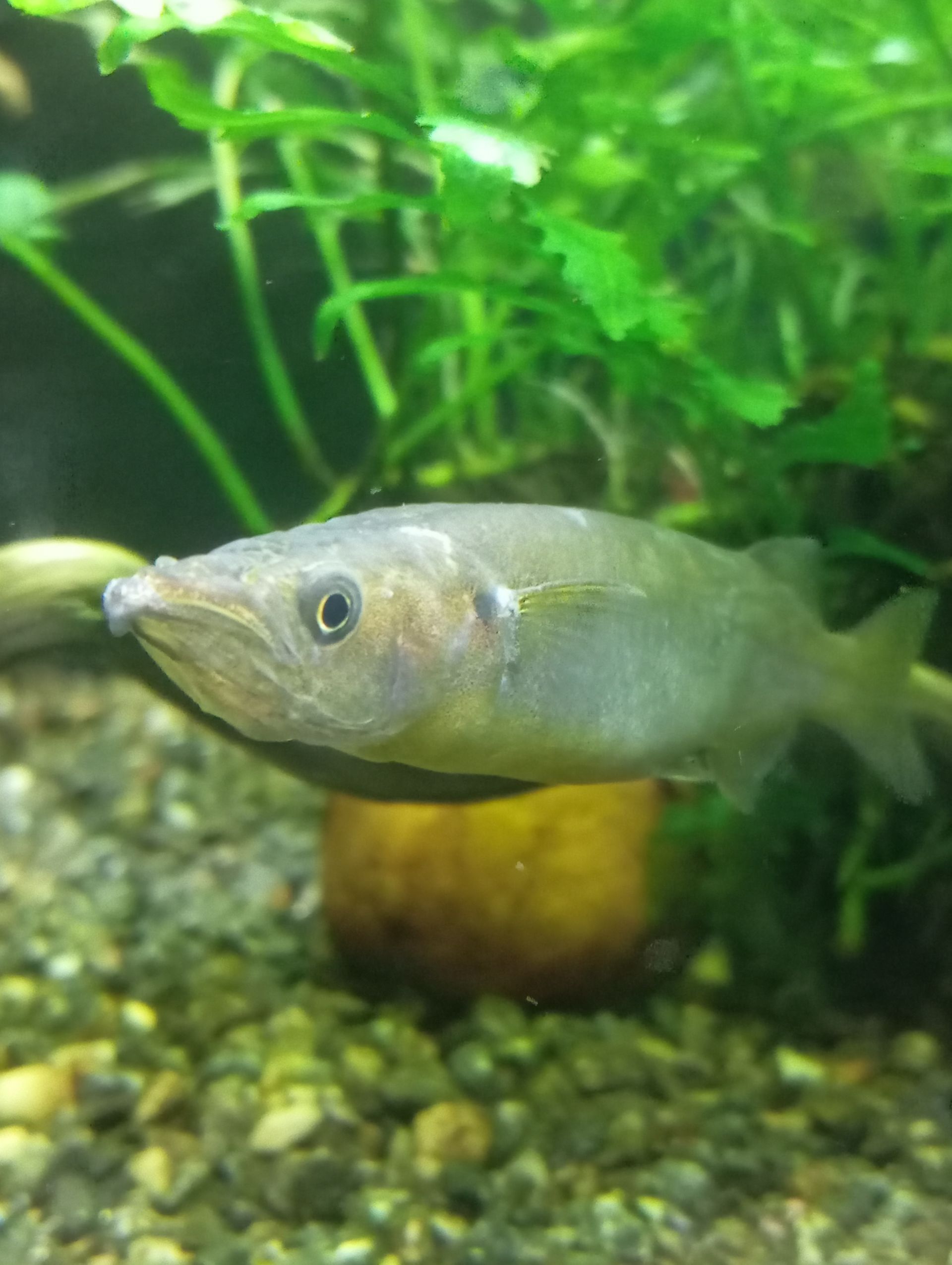
Když sedím před akváriem a pořizuji dění v něm. Všimnu si, že jsem pozorován. A tak si občas říkám, kdo koho pozoruje.
Ahoj akvaristi a chovatelé!
Léto je v plném proudu, ale to neznamená, že by naše nádrže měly zahálet. Naopak – konec srpna bude ideální příležitostí, jak osvěžit krev ve vašich chovech, sehnat raritní kmeny ryb nebo doplnit zásoby prostřihů vodních rostlin po letní sezóně.
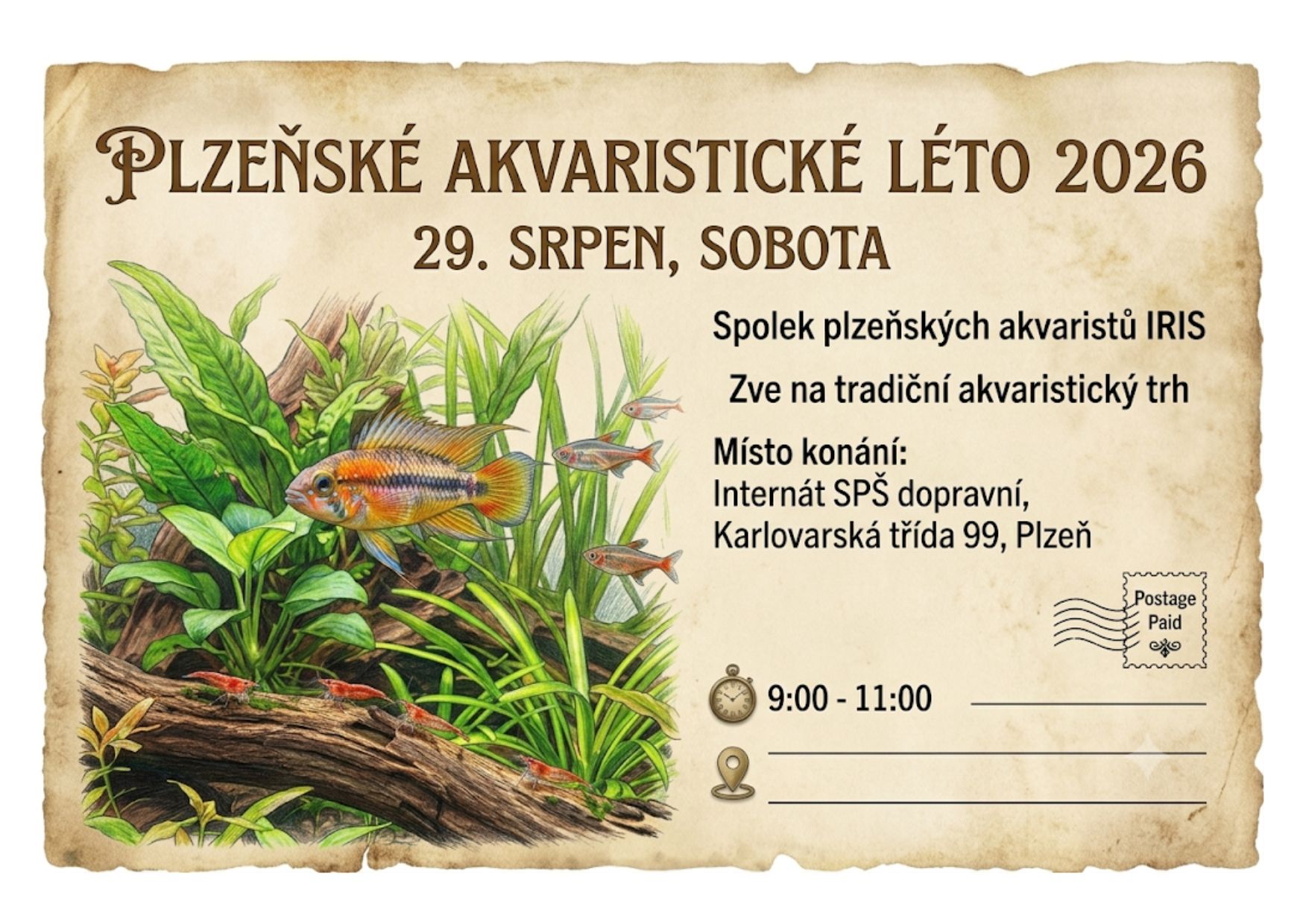
Spolek plzeňských akvaristů IRIS vás srdečně zve na Plzeňské akvaristické léto 2026, tradiční letní akvaristický trh, který se uskuteční v sobotu 29. srpna 2026.
Proč byste si tuto akci neměli nechat ujít?
- Přímo od chovatelů: Žádný anonymní dovoz z velkoobchodů. Čeká vás široká nabídka akvarijních ryb, bezobratlých a rostlin přímo z odchoven místních i přespolních akvaristů.
- Kompletní sortiment: Vedle živého materiálu budou k dispozici kvalitní krmiva (živé, mražené i sušené speciality) a chovatelské potřeby za příznivé ceny.
- Odborné poradenství: Spolek IRIS je historicky druhým nejstarším akvaristickým spolkem v českých zemích. Na místě tak potkáte matadory české akvaristiky, se kterými můžete zkonzultovat nemoci ryb, parametry vody, genetiku cichlidek nebo setupy pro náročné aquascapingové projekty.
- Kdy: Sobota 29. srpna 2026
- Čas konání: 9:00 – 11:00 (Doporučujeme dorazit včas, ty nejlepší kousky mizí během první hodiny!)
- Místo: Internát SPŠ dopravní, Karlovarská třída 99, Plzeň
Máte plná akvária vlastních odchovů nebo prostřihaného mechu a chybí vám prostor pro nové projekty? Přijeďte ukázat své chovatelské úspěchy ostatním!
Rezervace prodejních míst: Objednávky stolů se přijímají nejpozději do 26. 8. 2026. Kapacita prostor může být omezená, proto s rezervací neotálejte.
- 📞 Telefon: 603 231 494
- ✉️ E-mail: info@irisplzen.cz
Pokud vám chybí pravidelný kontakt s lidmi, kteří sdílejí stejnou vášeň pro podvodní svět, máte jedinečnou šanci. Zájemci o členství ve spolku IRIS se mohou přihlásit přímo na místě konání akce. Podpoříte tím organizovanou akvaristiku v Čechách a získáte přístup ke klubovým akcím a přednáškám.
Přijeďte si popovídat o rybách, nakoupit a potkat staré známé z oboru.
Těšíme se na vás v Plzni!
Tým Spolku plzeňských akvaristů IRIS
Ahoj všichni nadšenci do akvaristiky!
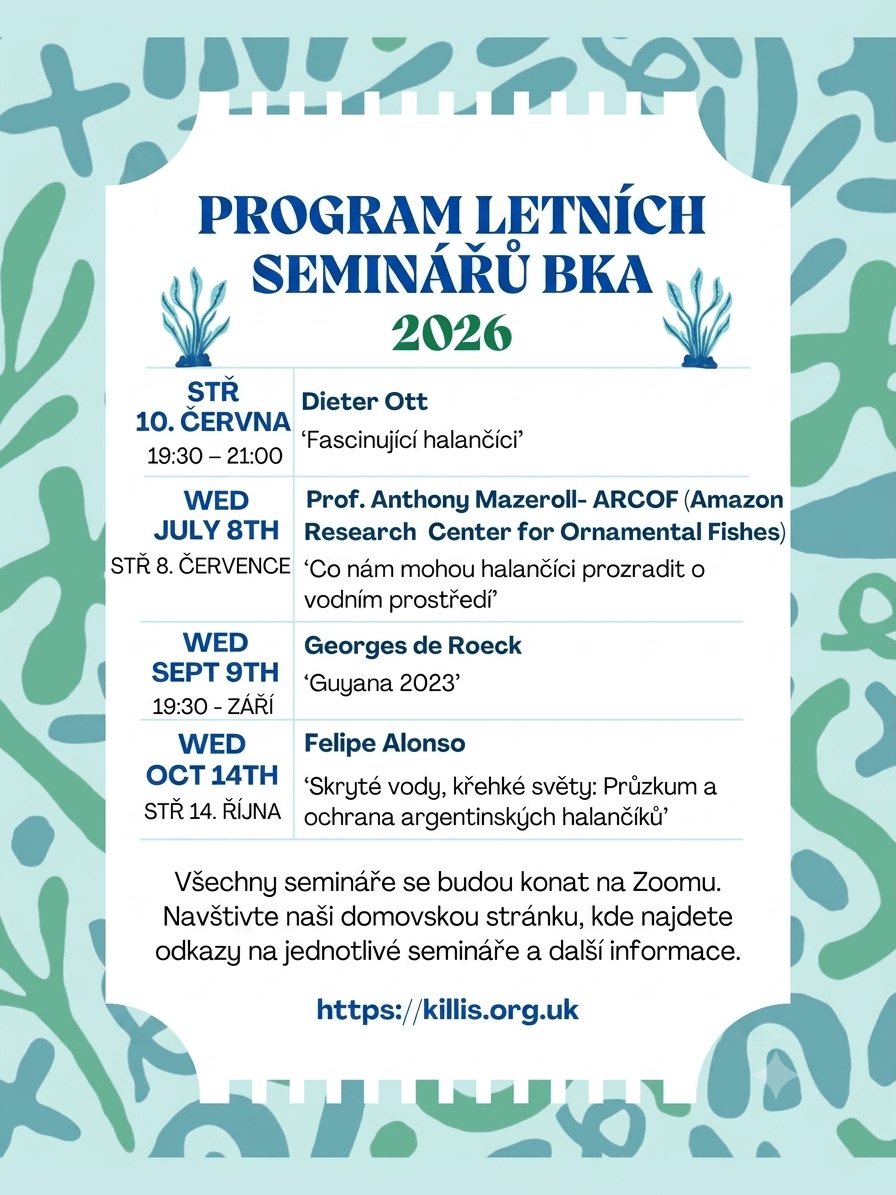
Britská halančíkářská asociace (BKA) vás srdečně zve na první ze série letních online seminářů, který se koná už tuto středu 10. června. Pokud vás zajímají halančíci, jejich chov, barevné formy nebo jen chcete načerpat inspiraci od zkušeného zahraničního akvaristy, nenechte si tuto přednášku ujít. Všichni jsou vítáni!
- Přednášející: Dieter Ott
- Téma: „Fascinating Killifishes“ (Fascinující svět halančíků)
- Kdy: Středa, 10. června 2026 od 20:30 SELČ (19:30 BST / GMT)
- Kde: Online přes platformu Zoom
Na přednášku se můžete připojit přímo kliknutím na odkaz níže nebo zadáním údajů v aplikaci Zoom:
- Odkaz pro připojení: Vstoupit do Zoom místnosti
- Meeting ID: 827 0388 5789
- Heslo (Passcode): australe
> 📅 Tip: Chcete- si schůzku uložit přímo do svého kalendáře, můžete si stáhnout iCalendar (.ics) soubor zde.
Více informací o dalších chystaných seminářích (červenec, září, říjen) najdete na oficiálním webu killis.org.uk.
Těšíme se na vaši účast! 🐠 Podělte se o pozvánku i s ostatními kolegy akvaristy. (Pozn.: Tato přednáška bude v němčině s titulky.)
Akváristé a teraristé, zbystřete! Máme pro vás skvělý tip na akci, kterou byste si letos na podzim rozhodně neměli nechat ujít. Akva-tera klub ZO ČSCH Rychnov nad Kněžnou pořádá již 47. ročník legendární výstavy AkvaEXPO 2026 RK.
Přijďte načerpat inspiraci, nakoupit do svých nádrží nebo si jen užít skvělou atmosféru mezi lidmi se stejnou vášní.
- Termín: 12. – 20. září 2026
- Čas: denně od 8:30 do 18:00 (poslední den 20. 9. pouze do 16:00)
- Místo: Dům chovatelů, Trčkova 437, Rychnov nad Kněžnou
- Velká výstava: Fascinující expozice akvarijních ryb, vodních rostlin a terarijních živočichů.
- AkvaEXPO v Rychnově nad Kněžnou není jen obyčejná prodejní burza, ale kompletní zážitek pro všechny milovníky podvodního života a terarijních zvířat.
- Nádrže budou připraveny jen těmi nejlepšími a nejšikovnějšími akvaristy!
- Tradiční prodej: Bohatý výběr ryb, krevet, živých rostlin, kvalitních krmiv a dalšího akvaristického i teraristického vybavení přímo od chovatelů.
- Přímo na místě bude probíhat velký prodej akvarijních ryb, krevet, šneků a vodních rostlin. Chovatelé zde nabídnou také kvalitní krmiva, akvarijní techniku a další chovatelské potřeby. Máte tak jedinečnou šanci pořídit vše potřebné pro váš aquascaping nebo chov na jednom místě a za skvělé ceny.
- Odborné přednášky: Možnost rozšířit si obzory a pobavit se s experty z oboru.
- Součástí doprovodného programu jsou odborné přednášky. Můžete zde konzultovat své chovatelské úspěchy i starosti s předními českými akvaristy a terarity. Těšte se známá akvaristická jména!(více zveřejníme brzy)
Výstava v Rychnově má neopakovatelnou atmosféru s téměř padesátiletou tradicí. Je ideálním místem pro setkání komunity, načerpání nové inspirace a nákup zdravých živočichů přímo z českých odchovů.
Tip pro návštěvníky:
- Pokud jedete na výstavu primárně za nákupy rostlin a ryb, doporučujeme dorazit v prvních dnech konání, kdy je výběr nejširší. Pokud chcete klidnější prohlídku expozic, zvolte pracovní dny v dopoledních hodinách.
- Akce je známá také skvělým pohoštěním, takže můžete využít posezení k diskuzi a občerstvení.
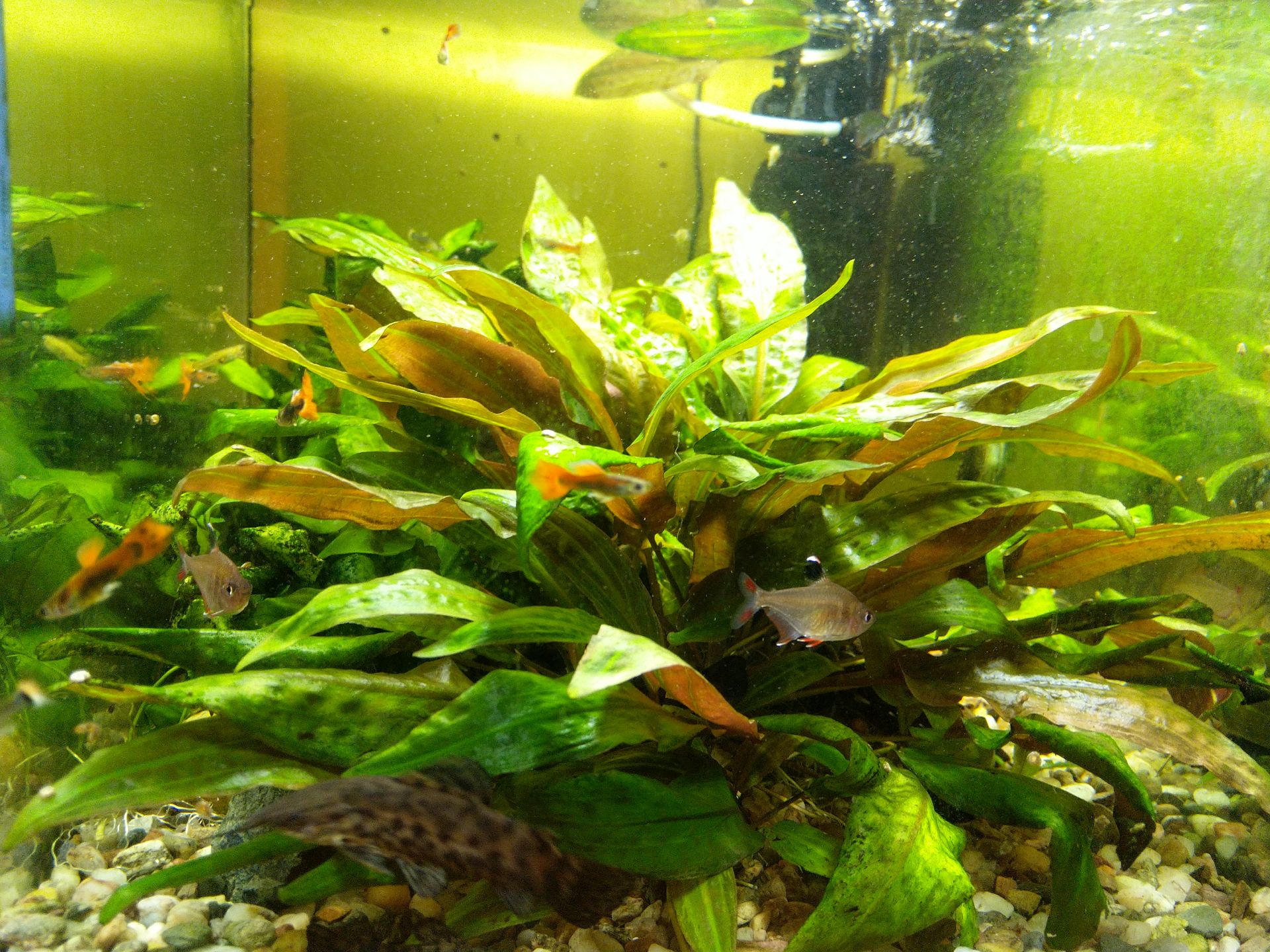
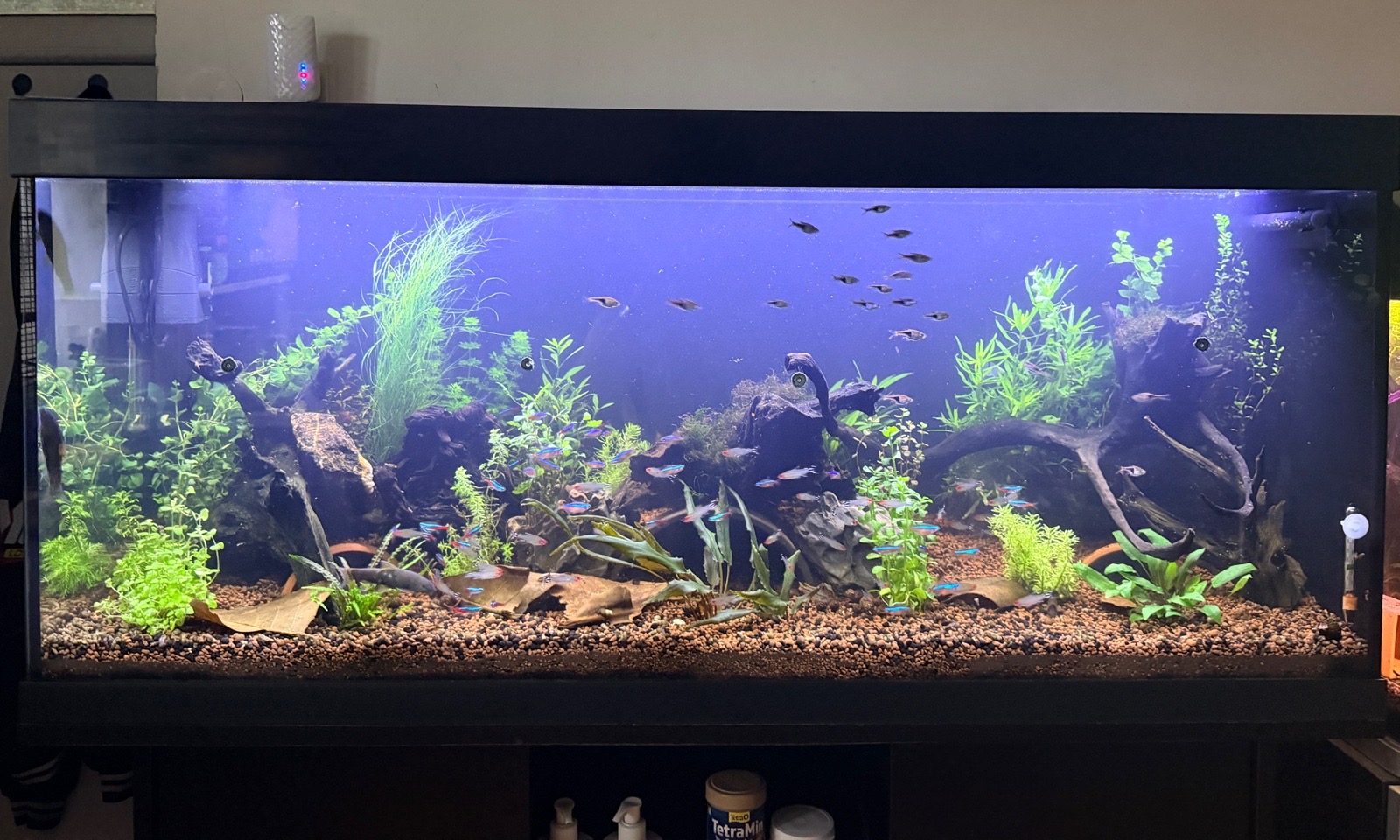
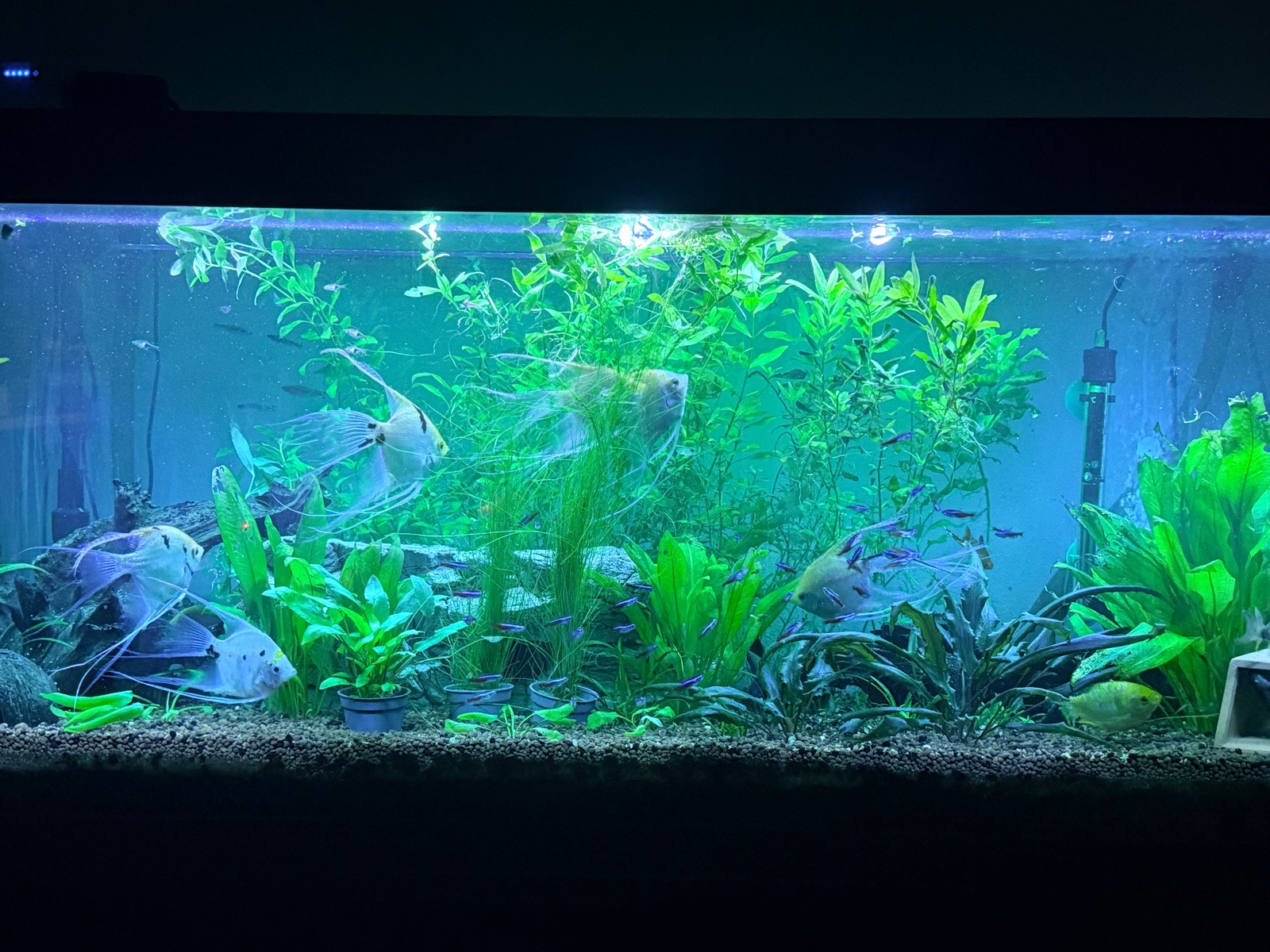
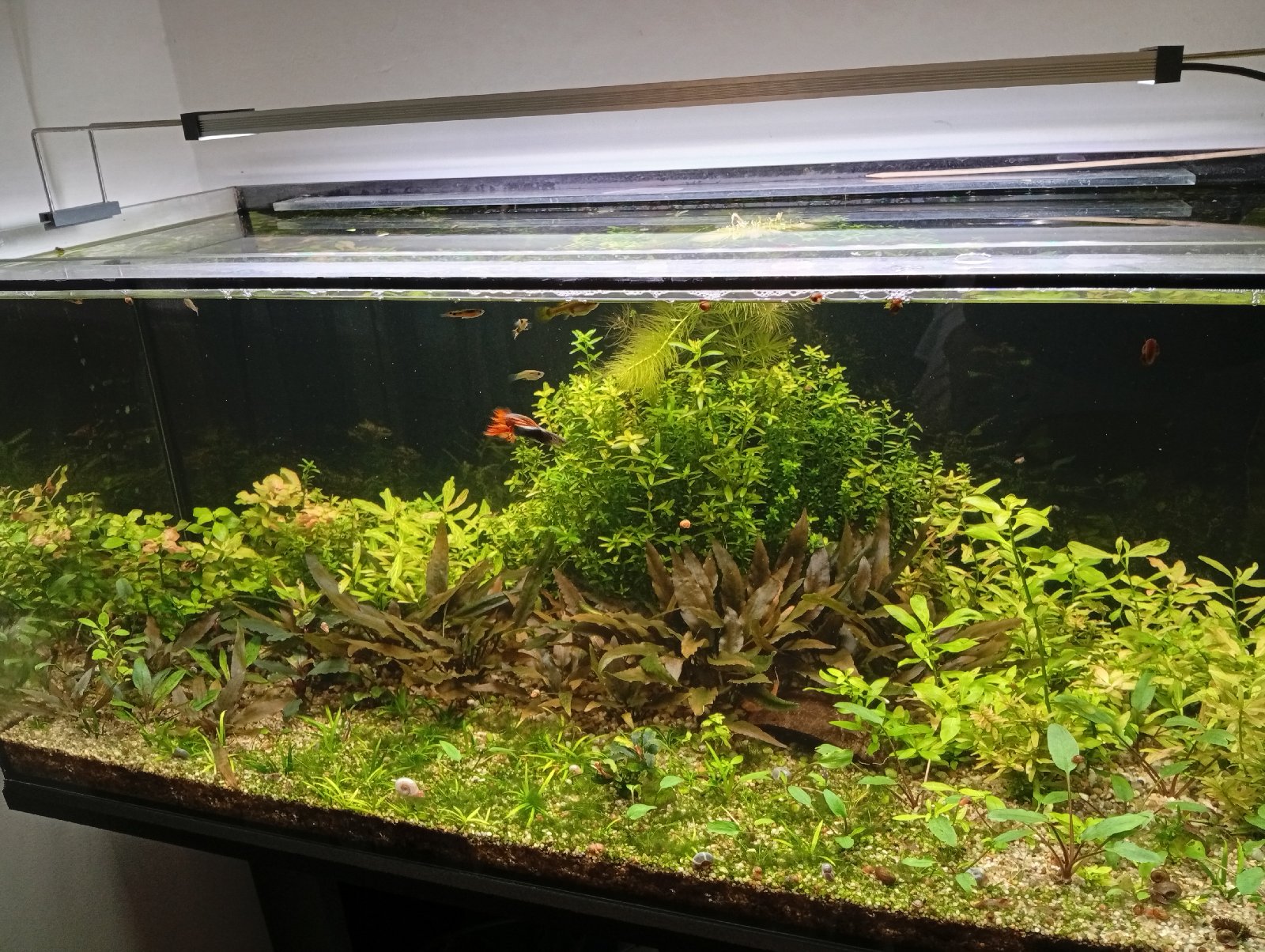
Akvárium po předělání jak se tomu daří a jaké změní proběhlý, první fotka hned po předělání a druhá po 1 měsíci a 17 dní, co na to říkáte?a změnili by jste něco?
Na břehu Visly funguje systém, který by ještě před pár lety působil spíš jako experiment než jako součást městské infrastruktury. Varšava zde využívá sladkovodní škeble jako živé senzory kvality vody. Nejde přitom o žádnou kuriozitu, ale o plnohodnotnou vrstvu ochrany pitné vody, přímo napojenou na řídicí systémy vodárny.
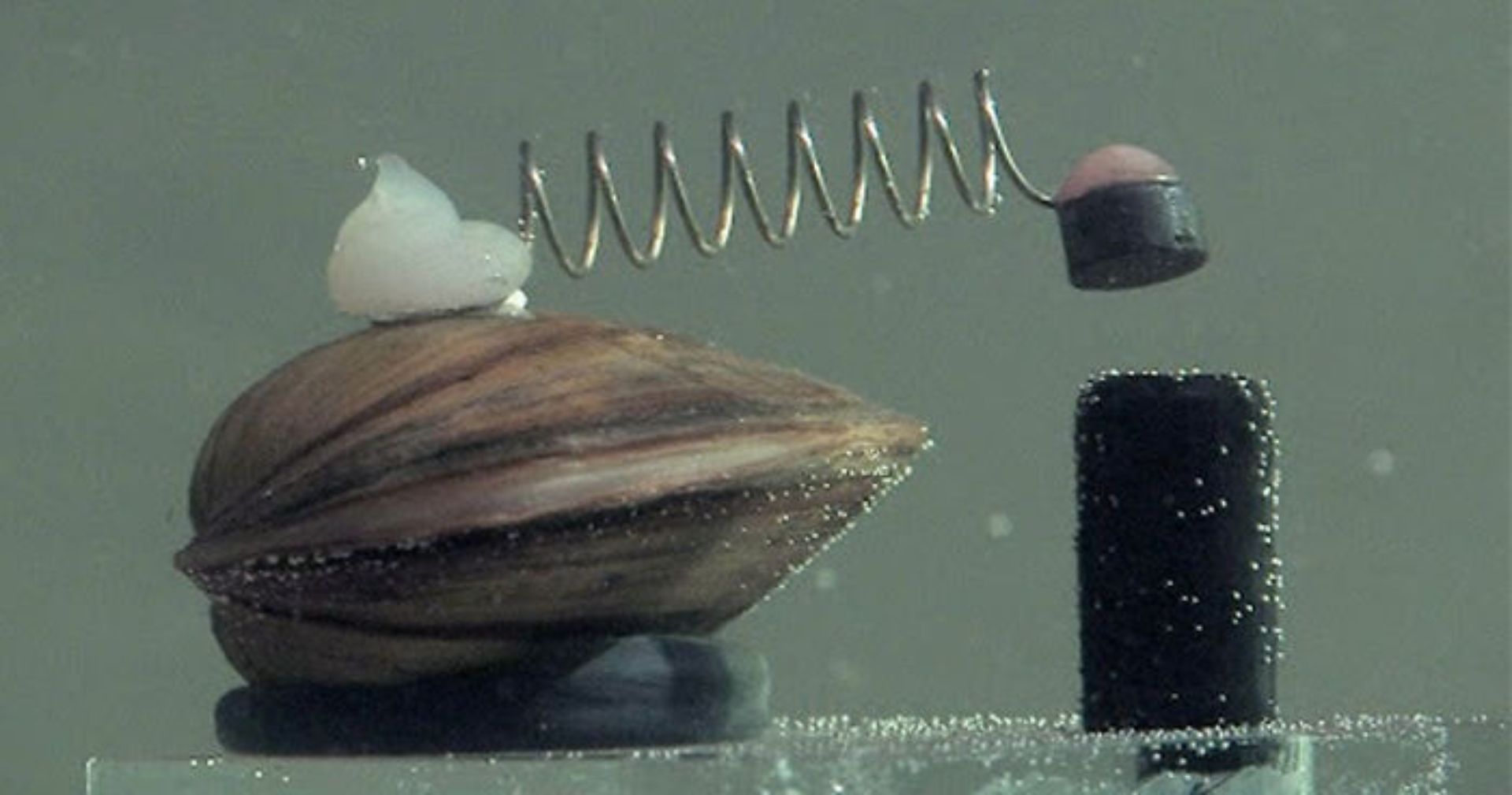
Základní princip je jednoduchý: škeble filtrují vodu, a pokud se v ní objeví něco škodlivého, okamžitě zavírají lastury. Tento pohyb, který je pro organismus otázkou přežití, se ve Varšavě převádí na data pomocí senzorů umístěných na jejich schránkách. Systém sleduje skupinové chování a reaguje na synchronní změny.
Technické řešení
Na lasturách jsou připevněny malé snímače, které měří jejich otevření v reálném čase. Data se kontinuálně vyhodnocují a filtrují, aby se eliminovalo náhodné chování jednotlivých jedinců, proto se detailně sleduje chování celé skupiny. Jakmile se začne synchronně zavírat více škeblí najednou v definovaném časovém úseku, algoritmus to vyhodnotí jako anomálii a reaguje vyhlášením poplachu. Tento signál je napojený na vodárenský řídicí systém (SCADA), který může automaticky reagovat – například uzavřením přívodu vody.
Technické provedení je jednoduché, ale precizní. Na obou polovinách škeble jsou přichyceny malé snímače, které dokážou s vysokou přesností měřit vzdálenost mezi nimi, tedy míru otevření. Data se v krátkých intervalech přenášejí do řídicí jednotky, kde probíhá jejich zpracování. Důležité je, že systém nepracuje s jedním okamžitým impulsem. Nejprve filtruje náhodné pohyby a přirozené chování jednotlivých jedinců, následně sleduje trend v čase a především porovnává reakce mezi více škeblemi.
Škeble toho zjistí více než klasické sensory
Na rozdíl od klasických sond, které měří konkrétní parametry jako pH, vodivost nebo přítomnost definovaných chemických látek, fungují škeble jinak. Reagují na celkový dopad prostředí na živý organismus. To znamená, že dokážou zachytit i situace, kdy se ve vodě objeví neznámá látka nebo kombinace více faktorů, která by jednotlivě z pohledu senzorů nemusela překročit žádný limit.
V případě kontaminace se škeble zavírají během sekund, a celý systém je schopen vyhodnotit situaci v horizontu desítek sekund až jedné minuty. Právě tahle rychlost dělá z biomonitoringu ideální „první varovnou vrstvu“, která doplňuje detailnější, ale pomalejší laboratorní analýzy.
Aby si systém udržel spolehlivost, pracuje se skupinou několika jedinců a jejich chování se průběžně kalibruje. Škeble jsou umístěny v průtočné komoře, kde neustále filtrují vodu z řeky, a po určité době se obměňují, aby nedocházelo k jejich adaptaci na prostředí.
Skvělé na tom je také to, že se nijak neubližuje škeblím, žijí v prostředí podobnému jejich přirozenému a po několika měsících jsou vráceny do přírody a jejich místo zaujmou jejich následovníci.
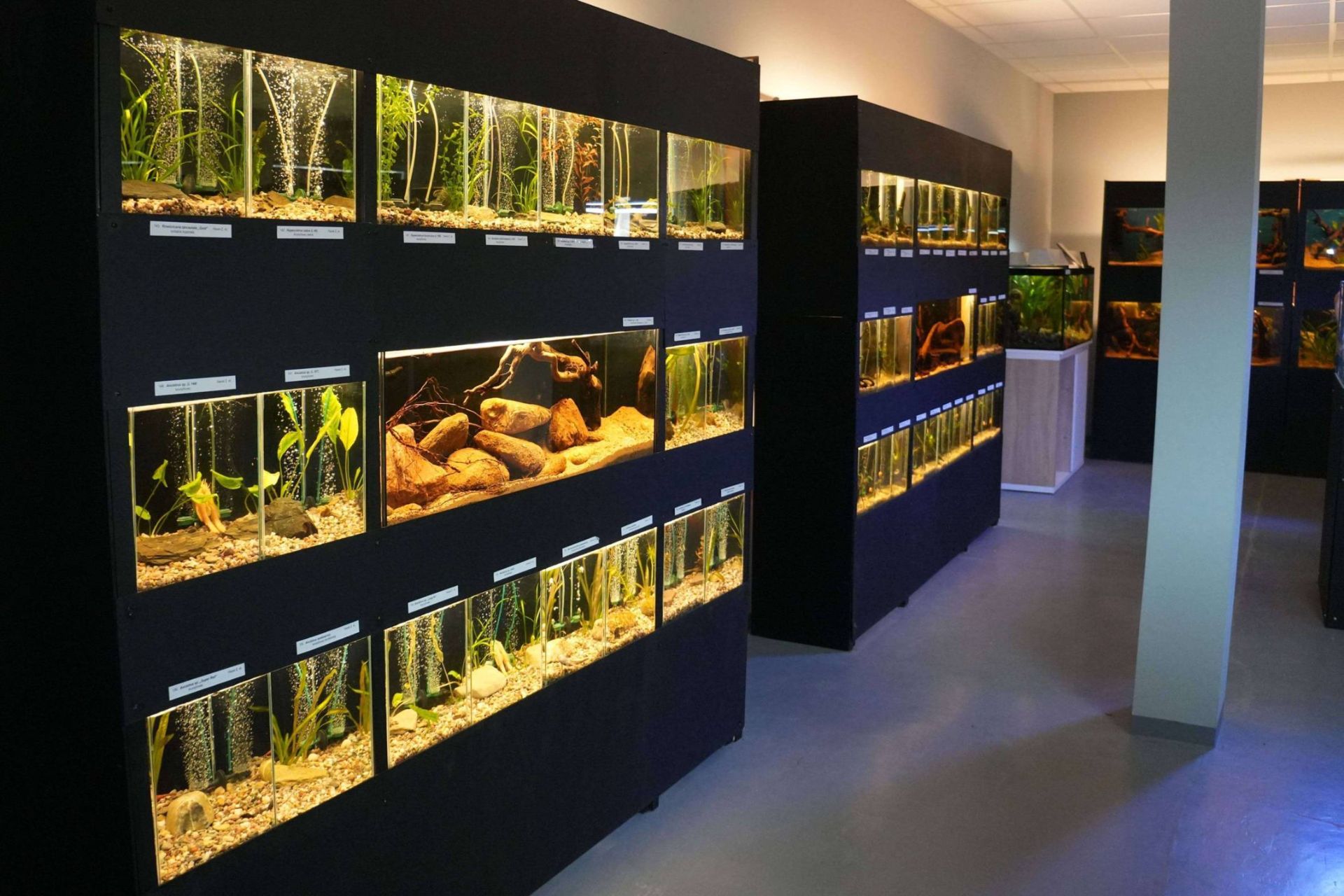
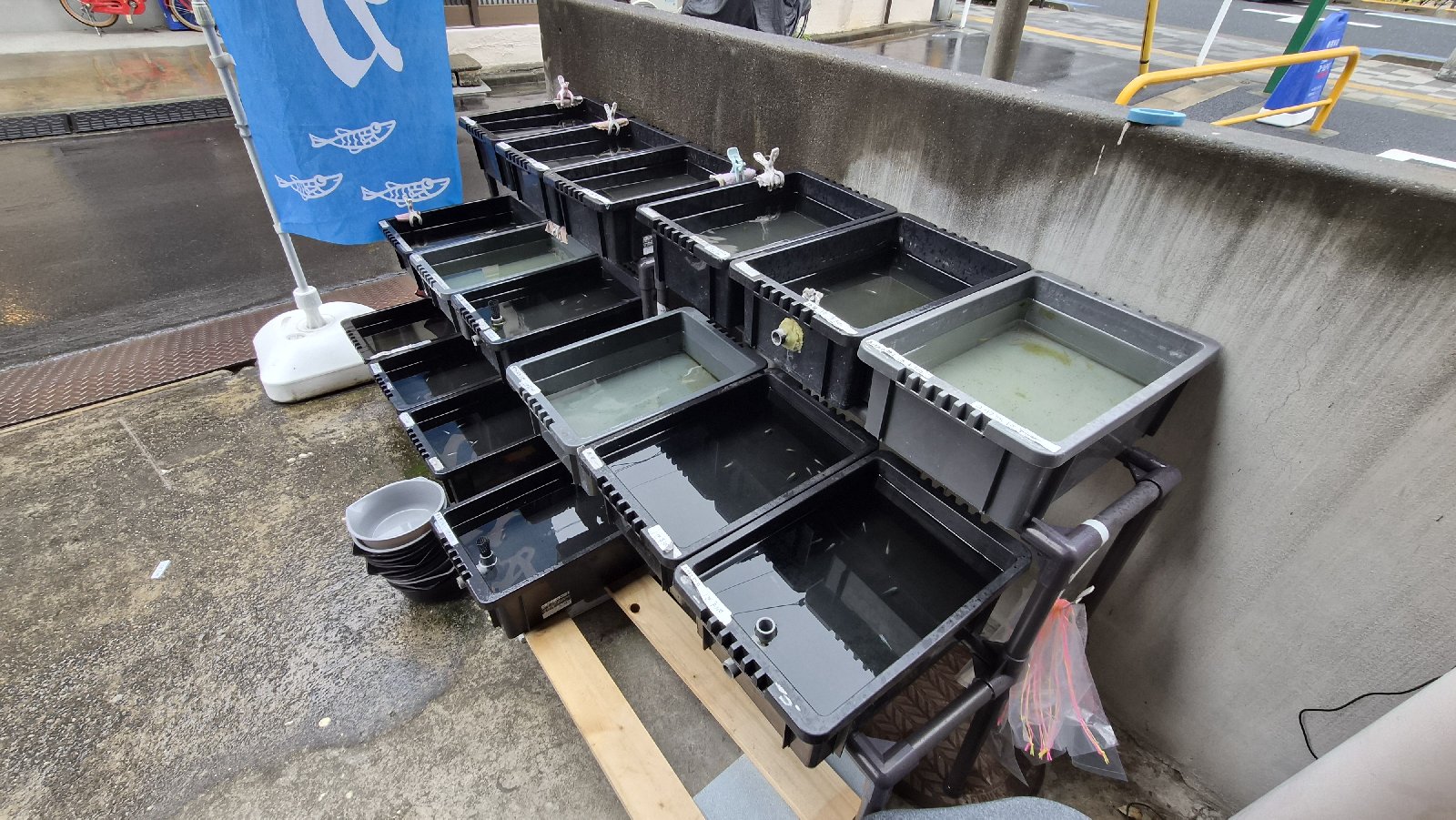
I takhle může vypadat akvaristika v Japonsku - v zemi, kde se prakticky nekrade a platí pravidla. V obytné čtvrti je tato otevřená akvaristika, kde si vyberete ryby nebo příslušenství a zaplatíte do kasičky.
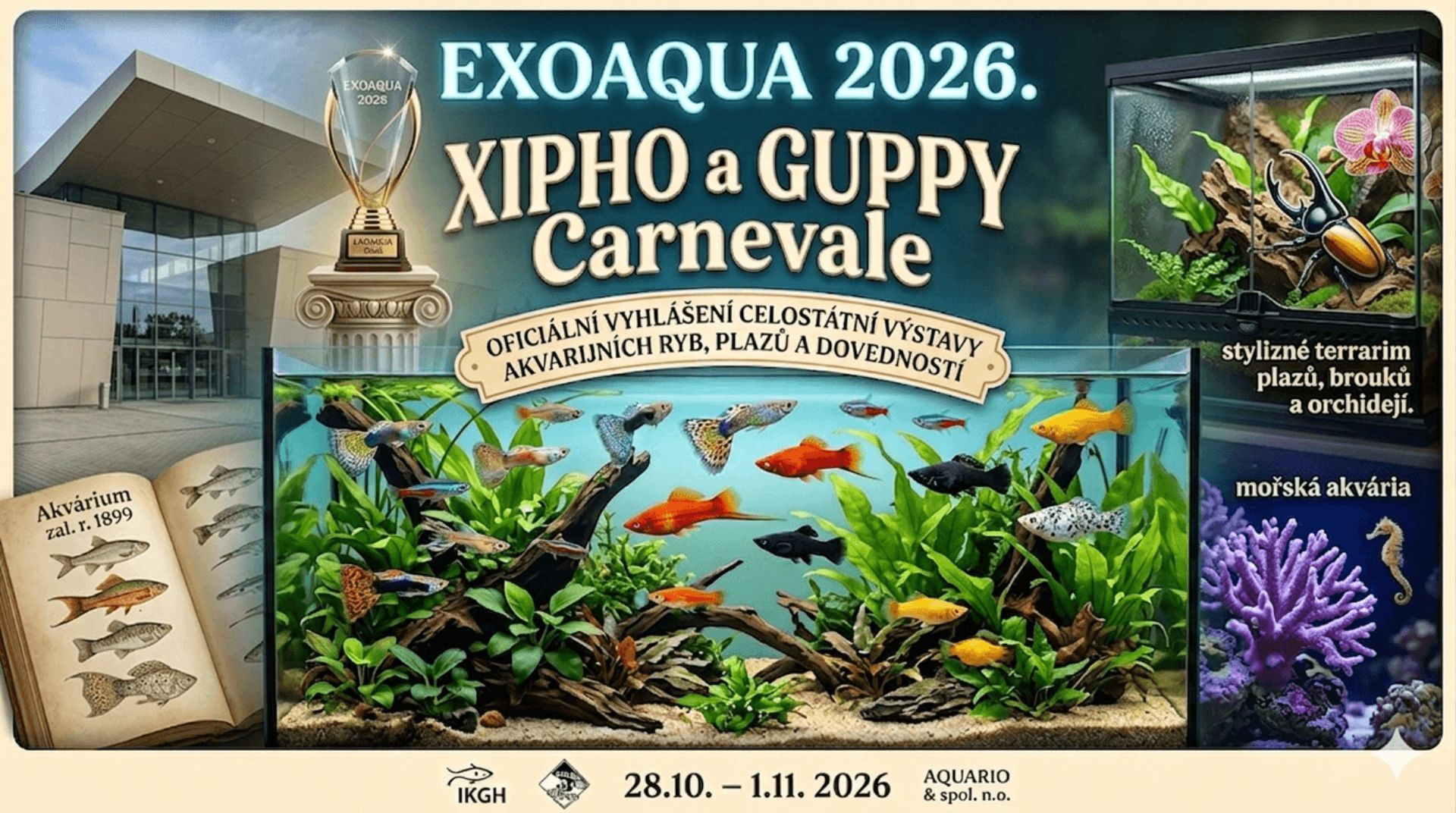
Oficiální vyhlášení celostátní výstavy akvarijních ryb, plazů a dovedností
Otevřené Mistrovství ČR v chovu živorodých ryb (Guppy, Xipho a Molly) – Czech Open
V návaznosti na mistrovské výstavy pořádané bývalým spolkem Akvárium, zal. r. 1899.
Pořadatel: AQUARIO & spol. n.o., IČO: 27016439 | aquario@aquario-euro.net
Místo konání: Lysá nad Labem, Výstaviště (Masarykova 1727, 289 22 Lysá nad Labem)
Člen IKGH – International Kuratorium Guppy High-breeding
Václav Schebelle – přidružený rozhodčí ke klubům pro sezónu Mistrovství Evropy 2026
Konáno v rámci výstavy EXOTIKA 2026
Termín: 28. 10. až 1. 11. 2026 (středa až neděle)
Program 2026:
- Soutěžní expozice: Mistrovství ČR v chovu Guppy, Xipho a Molly.
- Přírodní biotopy: Výstavní expozice – Střední Amerika, Amazonie, Afrika, Asie.
- Aquascaping: Výstava „aqua playerů“ (nádrže 0–200 l).
- Akvarium Free: Volná soutěžní tvorba a prezentace akvaristů (nádrže nad 200 l).
- Mořská akvária: Výstavní expozice (chobotnice, mořští koníci, korály apod.).
- Plži a brouci: Šlechtěné formy z Afriky.
- Orchidea: Tematická výstava květin.
- Antikvariát: Odborná literatura z daných oborů.
- Přednášky: Mořská akvaristika, genetika, invazní druhy + GMO, český akvarijní rybníček a další.
Podrobnosti expozic:
Mistrovská expozice: Probíhá dle celosvětového regulativu IKGH.
Guppy: kolekce 3 samci + 1 samice, nebo páry (samec + samice). Hodnotí se shodné znaky (tvar ploutví, barva, vzrůst, vitalita).
Xipho a Molly: vždy pár se shodnými znaky.
Expozice biotopů: Pohled do čisté přírody bez umělých dekorací a viditelné techniky.
RETRO expozice: Připomínka počátků akvaristiky v Evropě.
Aquascaping: Moderní styl akvaristiky kladoucí důraz na souhru rostlin, světla a dekorací.
Plži a brouci: Výstavní i prodejní expozice (afričtí hlemýždi, suchozemští korýši – „sviňky“ atd.).
V rámci výstav budou k vidění formy přírodní i vrcholně šlechtěné. Součástí akce je prodej ryb od tuzemských chovatelů a distribuce AQUA adresáře (kontakty na chovatele konkrétních druhů).
NOVINKA: Volná amatérská výstava s prodejem
Zveme všechny hobby akvaristy, aby předvedli své chovné kmeny GUPPY, XIPHO a MOLLY širší veřejnosti. Pro přihlášené budou připraveny samostatné nádrže (menší výstavní a větší prodejní).
Vyzýváme všechny akvaristy i kluby k účasti! Přijďte porovnat své chovatelské úspěchy a zažít prestižní atmosféru mistrovství.
Bližší organizační informace budou následovat, případně je sdělíme osobně.
Za AQUARIO & spol.
Václav Schebelle
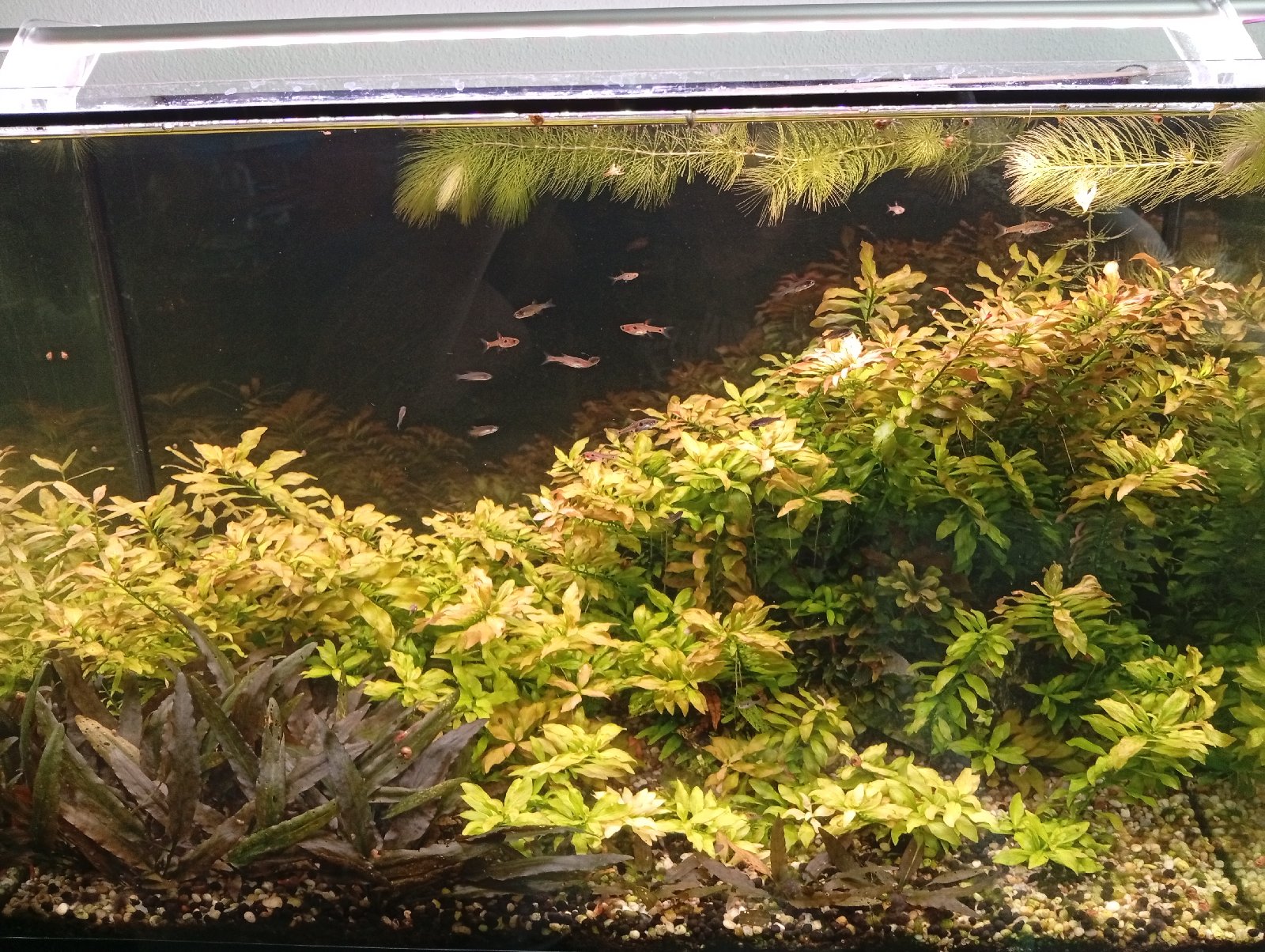
první jé fotka před předěláním a druhá je předělaná ,Jaké se líbí vám víc?, a co by jste když tak upravili nebo dodali?,
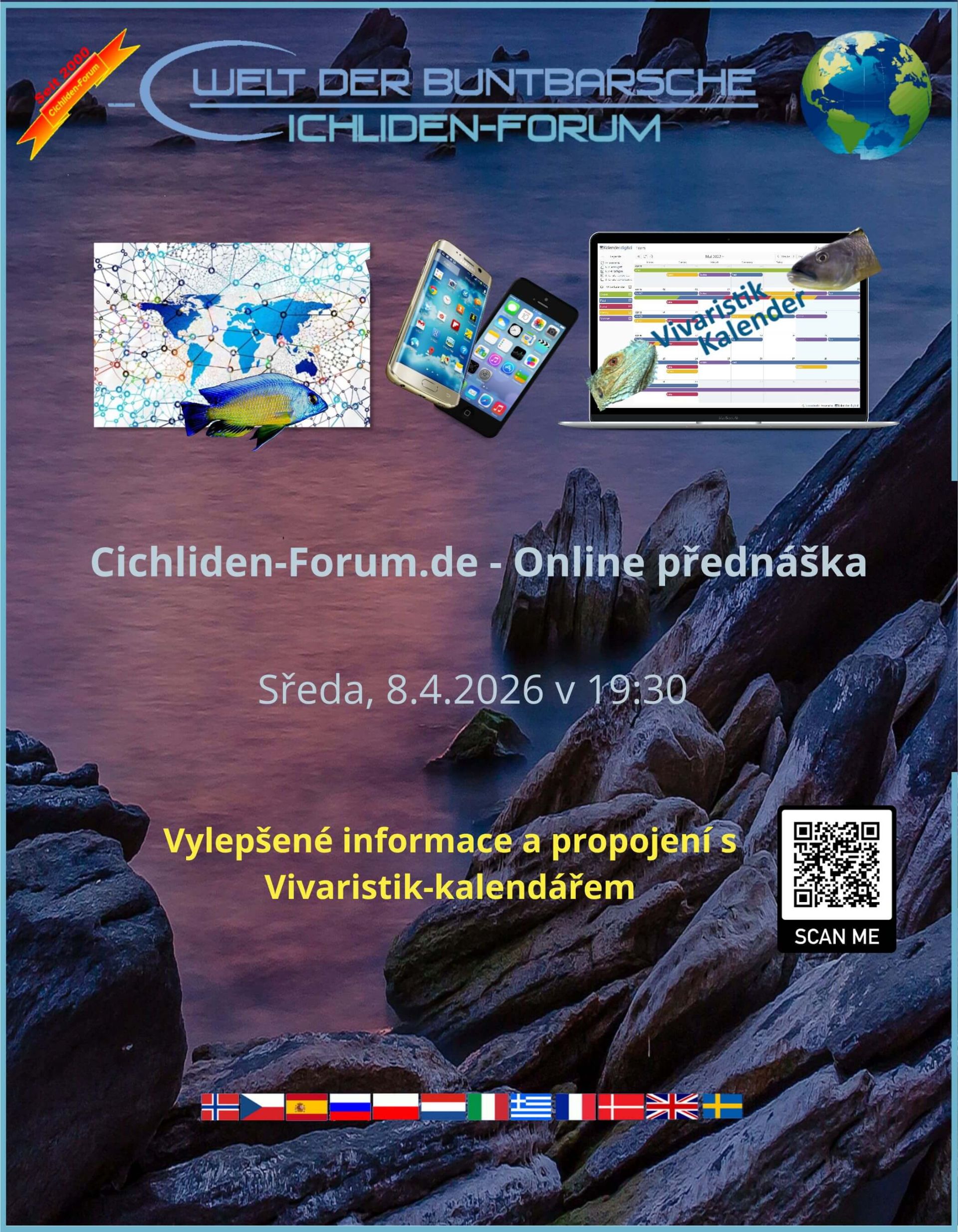
Máte plný kalendář, ale o té nejlepší burze nebo přednášce se dozvíte až den poté? Německé Cichliden-Forum.de pořádá online přednášku, která potěší každého, kdo chce mít o dění ve světě akvaristiky dokonalý přehled.
Online přednáška: Vivaristik-Kalender v praxi
Manfred Dietz představí revoluční nástroj pro všechny akvaristy – Vivaristik-Kalender.
Kdy: středa 8. 4. 2026 v 19:30
Kde: Online (Zoom)
Jazyk: Němčina s českými titulky v reálném čase (přes 40 jazyků k dispozici)
O čem to bude?
Cílem je sjednotit všechny termíny, akce, odkazy a místa na jedno místo v cloudu. Manfred vám ukáže:
✅ Jak najít všechny akvaristické akce na jedno kliknutí.
✅ Jak předcházet nešťastným termínovým kolizím.
✅ Jak si kalendář propojit s vaším vlastním telefonem nebo aplikacemi.
✅ Praktické ukázky přímo v rozhraní kalendáře.
Na konci přednášky bude vyhrazen dostatek času pro vaše dotazy a pomoc s nastavením.
Proč se připojit?
Vivaristika není jen o rybách v akváriu, ale i o setkávání a sdílení zkušeností. Tento kalendář je mostem, který nás všechny propojuje. Hosté jsou srdečně vítáni!
Tip pro české akvaristy: Díky funkci Zoomu budou k dispozici automatické české titulky, takže se nemusíte bát jazykové bariéry.
Chcete se zúčastnit?
Sledujte web Cichliden-Forum.de pro získání přístupového odkazu k Zoomu.
An Zoom-Meeting teilnehmen:
https://us02web.zoom.us/j/82319496616?pwd=LjA2oPUsfVaOxub63B32TB3wDvGuji.1
Meeting-ID: 823 1949 6616
Kenncode: 020589
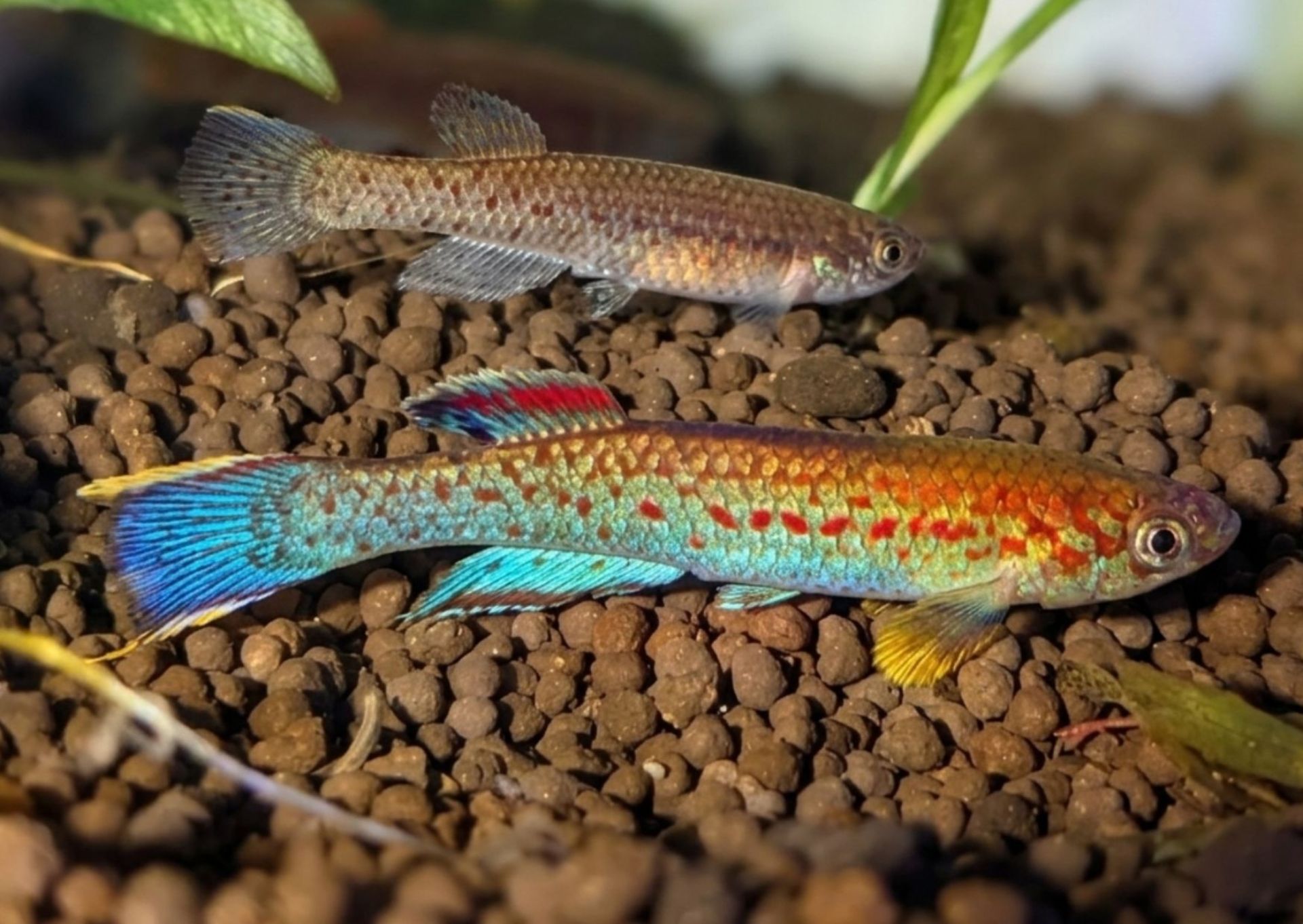
Scriptaphyosemion schmitti jsou nádherní halančíci. Moje Schmitti nejlépe vyniknou v tmavém prostředí. Jejich kovově modré a červené barvy doslova svítí, pokud je v akváriu šero. Mech si rybky zamilovaly a rády v něm odpočívají. Teplotu udržuji okolo 22°C a pH 6,8. Rády si pochutnají na Izya worms a dafniích. Moc jim ale nejede Tubifex, což mě docela překvapilo. To už si raději dopřejí sušenou stravu.
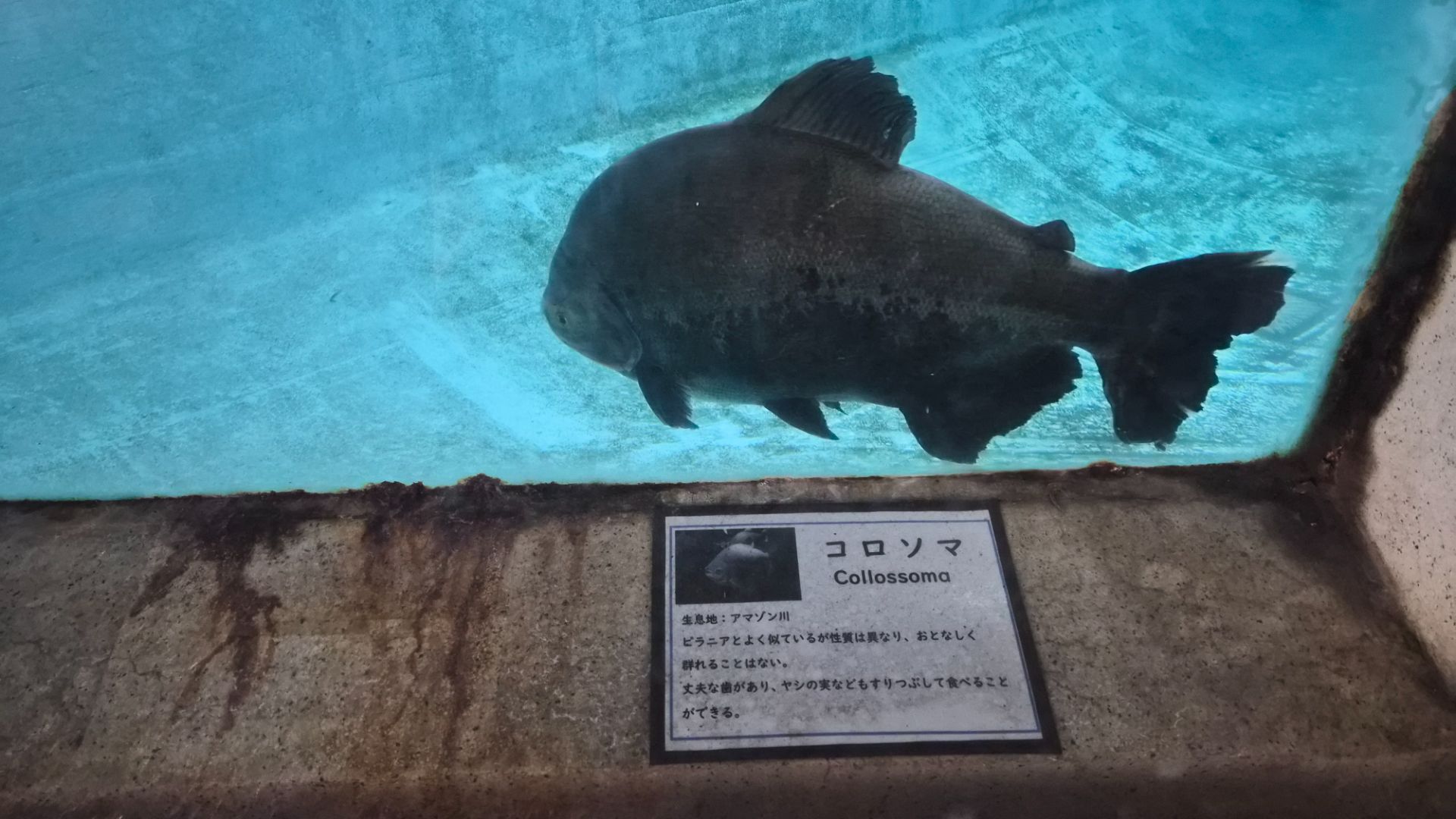
Při cestování po Japonsku jsem narazil i na chov ryb v městě Beppu, proslulém termálními prameny. Bohužel přístup Japonců ke zvířatům není ideální a podle toho to vypadá... Arapaima vypadala úplně zoufale. 😤
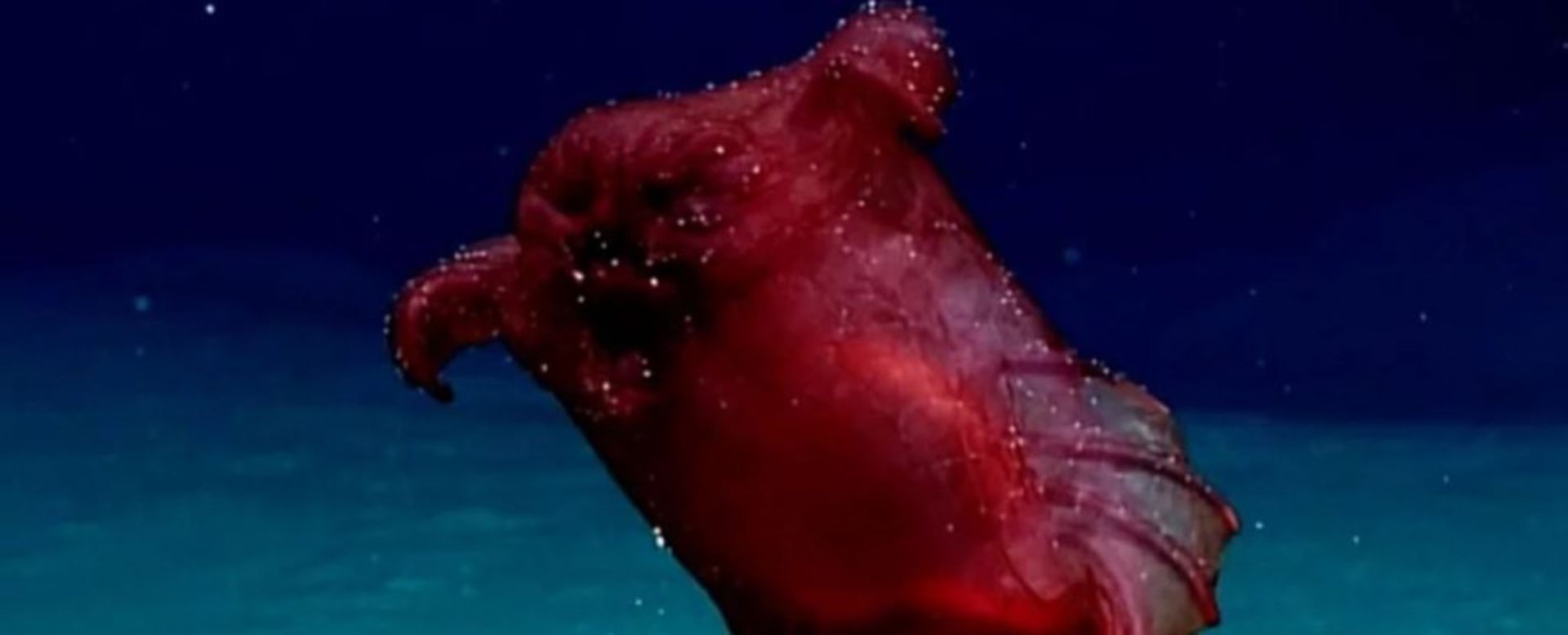
Při čtení fantastické knihy Oceán od Davida Attenborougha jsem narazil na zajímavého tvora, o což bych se chtěl podělit i s vámi.
Enypniastes eximia je temně rudý hlubinný mořský sumýš, nazývaný pro svůj vzhled ne příliš lichotivě jako „headless chicken monster“, tedy bezhlavé kuřecí monstrum. Za tuto nelichotivou přezdívku vděčí svému vzhledu při vznášení se nad mořským dnem, ačkoliv je to ve skutečnosti nádherný tvor. Tento druh sumýše (řád Elasipodida, třída Holothuroidea) se totiž liší od ostatních tím, že se dokáže odpoutat ode dna a "plachtit" ve vodním sloupci. Enypniastes je blízkým příbuzným i nám dobře známým "mořským okurkám".
Enypniastes má želatinové, průsvitné tělo (u mladších jedinců často velmi transparentní) a široký „závoj“ na přední části, který funguje jako plocha umožňující plavání. Měří zhruba 10 centimetrů a jeho povrch je lepkavý a žahavý.
Většinu času sumýš tráví na dně v horizontální poloze a sbírá potravu pomocí nohou ze svrchní vrstvy sedimentu, ale když potřebuje rychle změnit místo nebo uniknout, vznese se nad mořské dno.
Velkou specialitou Enypniastes je také to, že dokáže v případě ohrožení "svléknout" vrchní vrstvu svého povrchu a vypustit ji a odplout jiným směrem.
Krásné záběry a mnoho dalších zajímavých informací o tomuto tvoru najdete např. na těchto videích:
https://www.youtube.com/watch?v=dJnbbt9QVtA
https://www.youtube.com/watch?v=YnR-Agj7crM



![Jeleček duhový [Notropis chrosomus]](https://backend.foraquarist.com/data/eshop/product/20/20260911-210538.jpeg)
![hřebenáč Reganův [Wallaciia (Crenicichla) Regani Rio Tapajos]](https://backend.foraquarist.com/data/eshop/product/20/20260606-142854.jpeg)
![Mečovka trpasličí [Xiphophorus pygmaeus]](https://backend.foraquarist.com/data/eshop/product/20/20260805-174300.jpeg)