

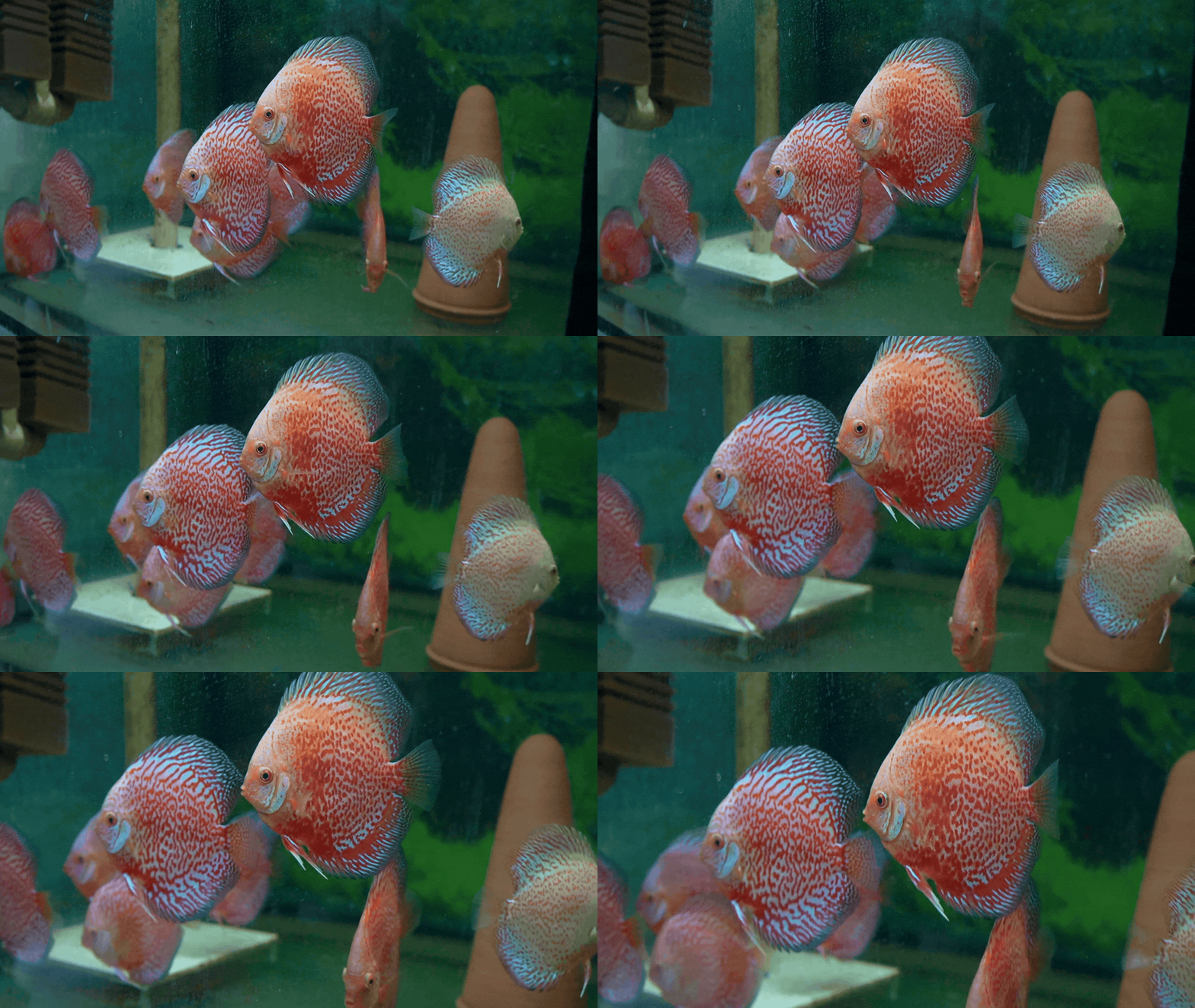

Conversations Above the Surface with Josef Pejša III: A Czech Legend Whose Target Fish Conquered the World
Legendary aquarist who significantly contributed to the breeding of discus fish. Josef Pejša in the next installment of Conversations Above the Surface reveals the secrets of his breeding facility, which also fascinated the famous Heiko Bleher. How are fish packed for a journey across half the world, why do his discus love hard water, and what is the charm of the unique Marlboro-Yellow-Face line? Take a glimpse into a kingdom that proves that with honest work, one can achieve global success even in Czech conditions.
Aquaristics as a Heartfelt Concern
Aquaristics as a heartfelt concern for many Czechs – this no longer surprises anyone today. However, it is absolutely wonderful to have the opportunity to talk about everything this amazing hobby entails with someone who has become a phenomenon due to their diligence and passion for natural processes. If you have read or followed previous episodes of Conversations Above the Surface, you couldn't help but notice that discussions with Josef Pejša are very interesting and often infectious with joy and enthusiasm for nature.
History and Recognition
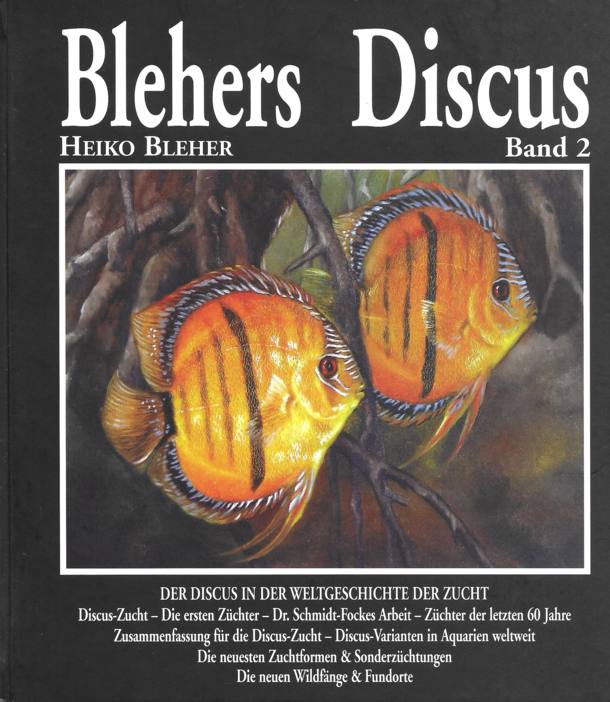
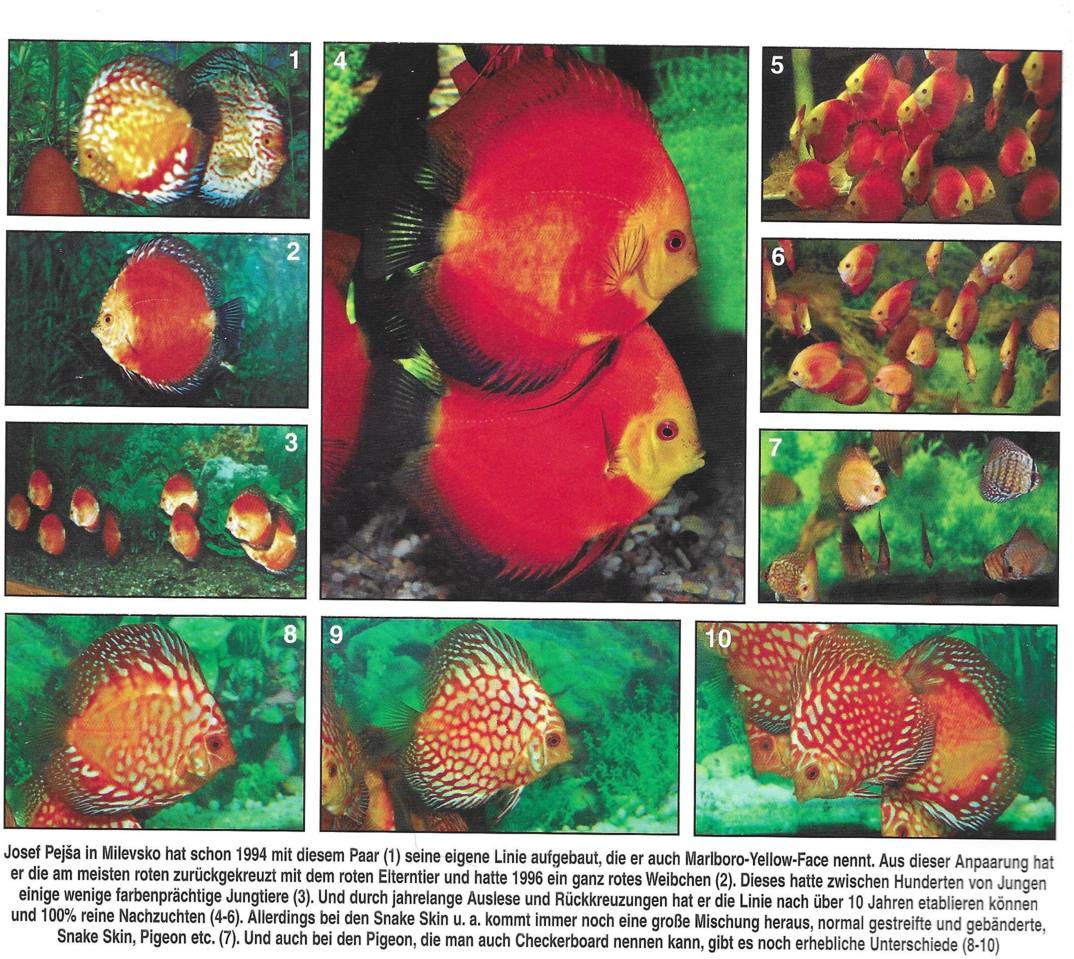
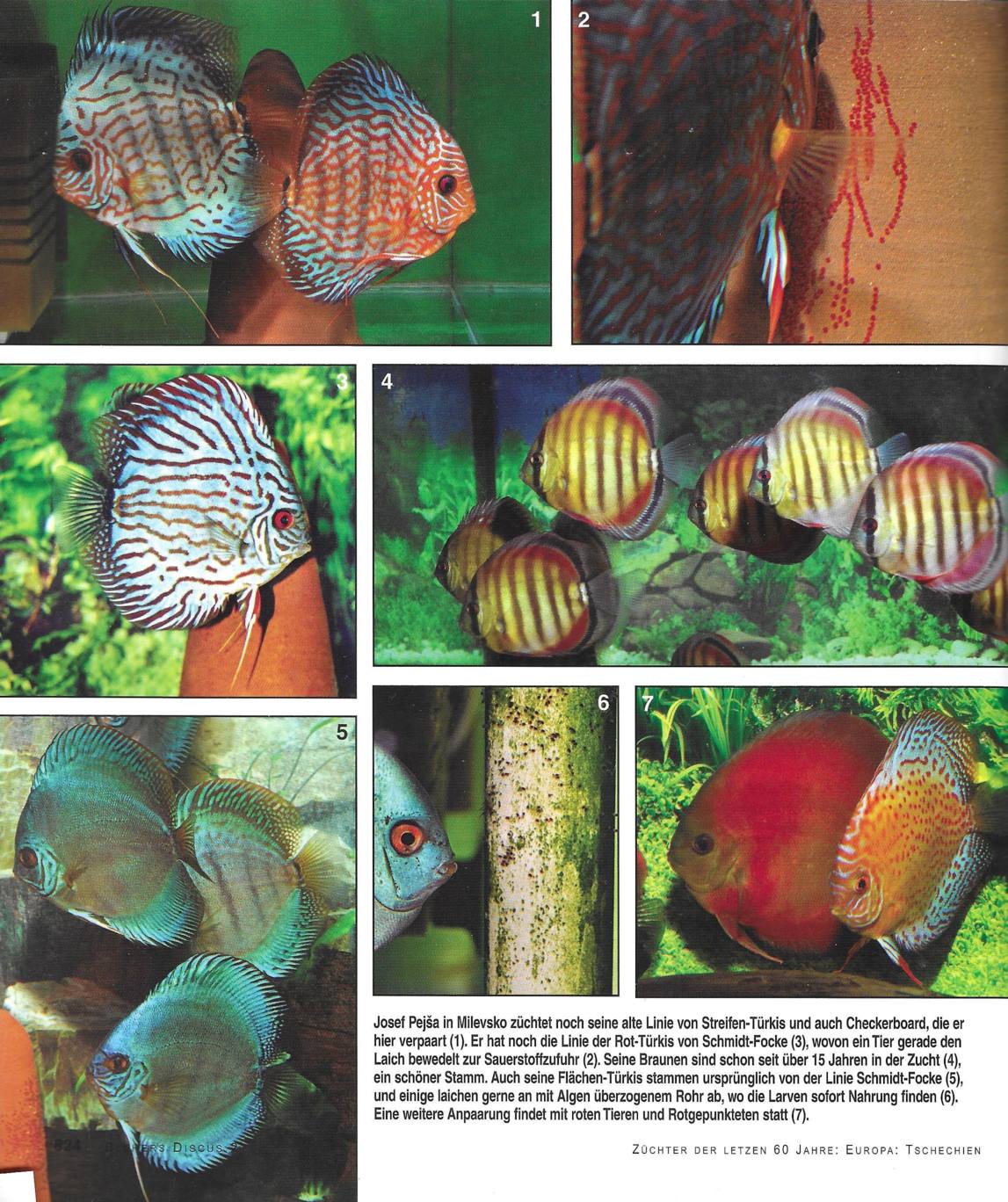
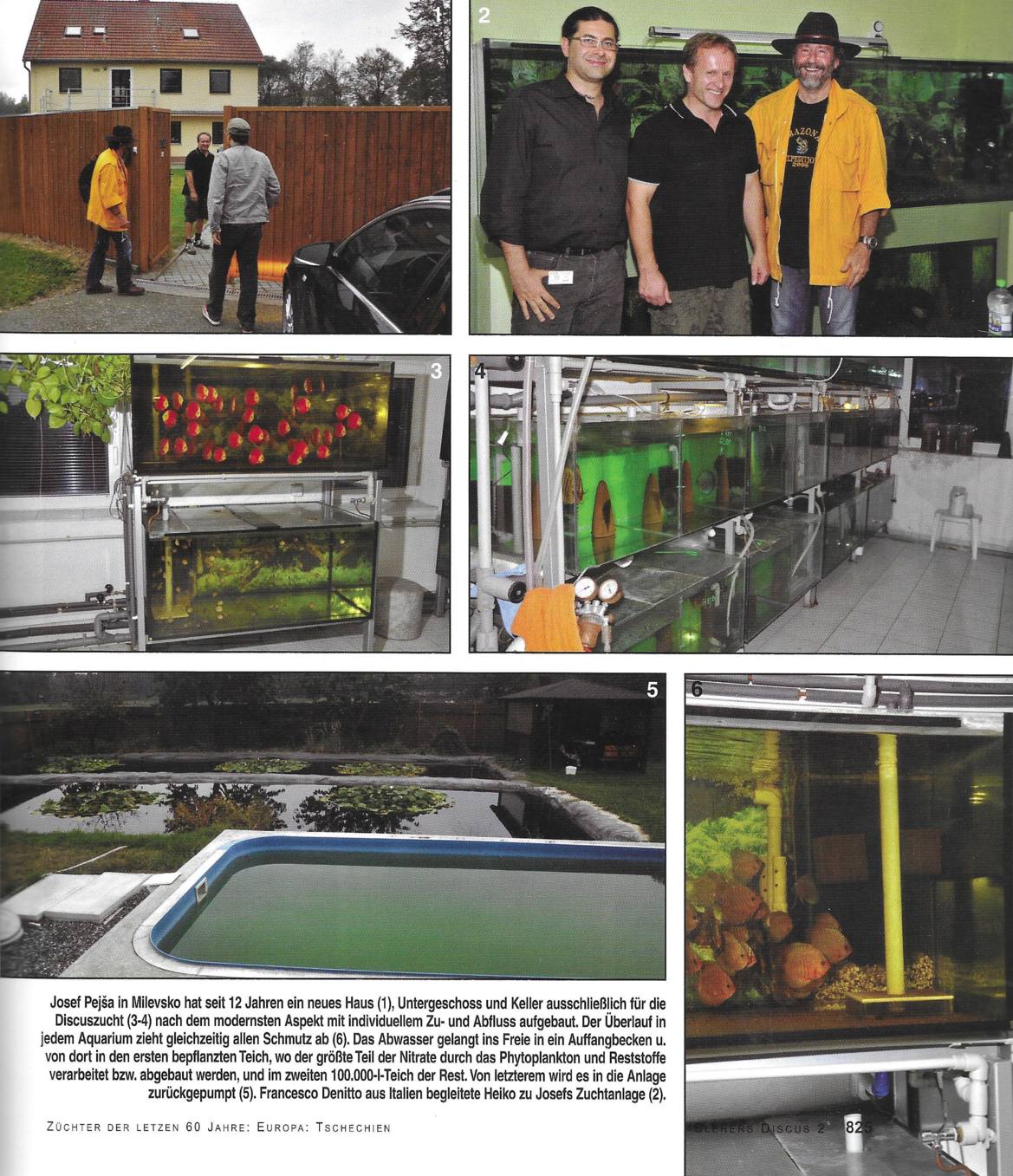
Confirmation that this top breeder has made his mark in history includes, in addition to his results, also chapters dedicated to breeding discus in the Czech Republic in the book Heiko Bleher Bleher's Discus Volume 2 from 2011. Besides photos from the visit of the world-renowned ichthyologist at Josef Pejša's breeding facility, there are photographs of his top-quality offspring. Heiko Bleher describes in detail how Josef Pejša achieved his own breeding line, with which he won prestigious awards – the so-called Marlboro-Yellow-Face variant. We could also see the winning discus in life-size at Mr. Pejša's home (see the photo below).
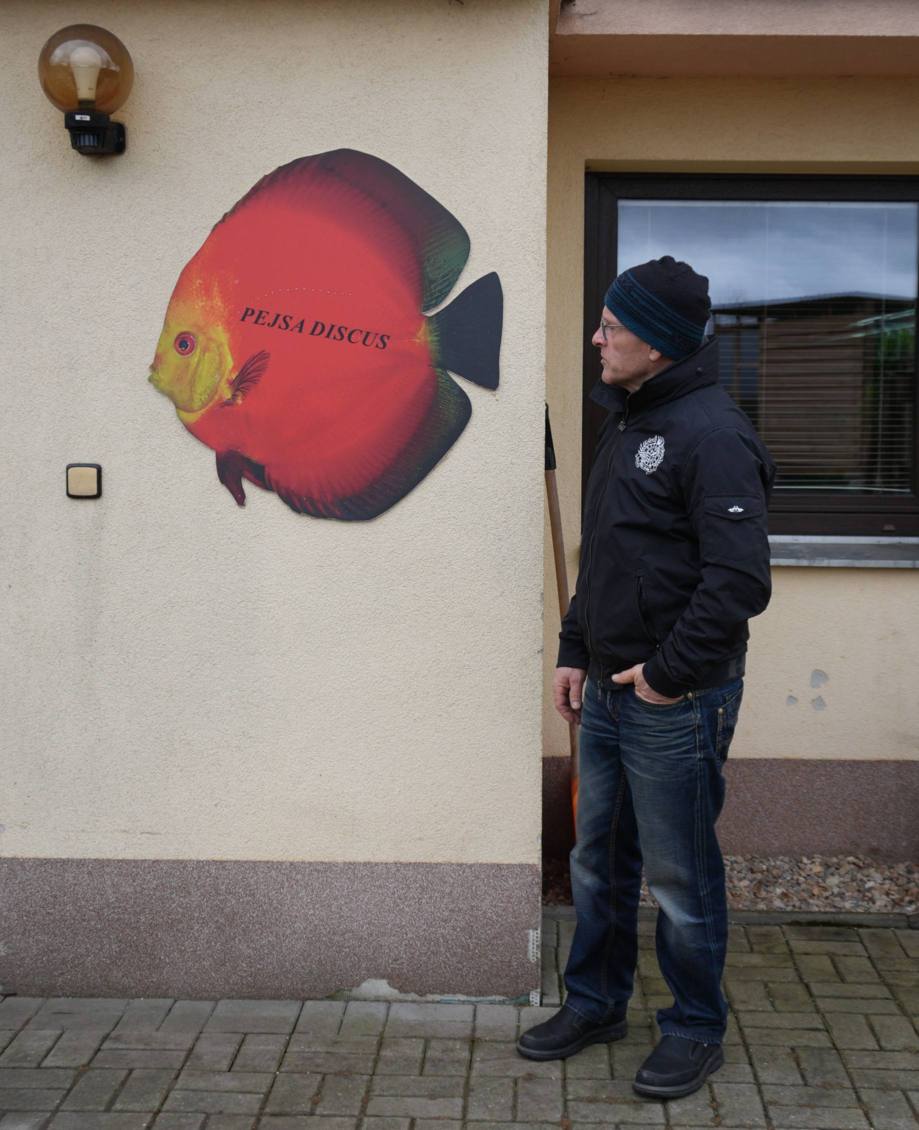
Marlboro-Yellow-Face at Mr. Josef Pejša's home
It is a fascinating read that begins with a memory from 1978 when Josef Pejša acquired his first brown discus from the then GDR.*
Breeding brown discus, which he named Madeira, has been his focus for over 15 years as of 2011. Heiko Bleher also admires the Checkerboard form (also referred to as Pigeon) in the book, which we had the opportunity to see with our own eyes during our visit.
Transport to Distant Lands
Because the demand is primarily from abroad, it was very interesting to learn how individual fish are packaged, what the "best practice" is for these royal fish. Transporting discus, especially adult specimens, is a discipline in itself. Josef Pejša's offspring are packed with maximum emphasis on minimizing stress and ensuring safety. The fish are transported in double bags, between which a black foil is inserted. This serves to calm the fish and prevents visual stimuli that could frighten them.
It is a double bag, between which there is black foil and the corners are sealed in a curve so that the fish do not get into those corners. The black foil serves as a level,
describes Josef Pejša the technical details. A key factor is also the preparation before the journey. The fish must be acclimatized so that there is no organic decay of waste materials in the bags, which could be fatal during long transports.
Life in the Breeding Facility: 100 Aquariums and Unique Systems
Josef Pejša's breeding facility has been operating for 33 years. When I compared photographs from Bleher's book with the current state, I found that it is relatively stable and perfectly organized in its own way. Each of the approximately 100 aquariums has its own water inlet and outlet, which facilitates maintenance. A unique feature is the heated bottoms of the tanks, where hot water pipes maintain a stable temperature between 28 and 30°C.
An interesting aspect is also the approach to cleaning the glass – ideally, this job is done by snails. Occasionally, however, the discus consume them, and then the breeder must intervene. The filter sponges are replaced with dry and clean ones during work, which is a practical system proven in many large facilities.
I throw the sponges into the washing machine and normally replace them dry. There are concentration chambers, so I can afford to replace those sponges without anything happening,
the breeder explains his system.
Adaptation to Hard Water
Laypeople often associate discus with extremely soft water, peat extracts, and high susceptibility to diseases. Conversations with Mr. Pejša clearly refute this thesis. It turns out that patient breeding and generations of breeding in local conditions can work wonders. In the breeding facility, he uses well water with conductivity around 650–750 μS and a pH of 7 to 7.5.
For many generations, they have adapted to hard, slightly alkaline water, so they do not need the water that is found in South America. I like to tell people that if they can survive with me, they can survive anywhere,
he adds with a smile,
Natural Forms and Colors
The conversation also touched on the topic of wild forms. Josef Pejša notes that today's imported fish differ from those he saw earlier. While years ago, fish from the wild showed noticeable scars or damaged scales from battles with predators, today's specimens look perfect – as if from an aquarium. This suggests that even in Brazil, there is increasingly more transition to semi-natural breeding in controlled tanks.
Mr. Pejša recalls catching fish from various regions of the Amazon, such as Rio Putumayo, Tefe, or Coari. According to him, the most challenging aspect is finding a compromise between perfect body structure and intense patterning. The details of his approach to breeding are fascinating, and it is already clear that we have not visited this breeding facility for the last time.
Watch the third part of the video visit with the legend of Czech breeding: [Conversations Above the Surface with Josef Pejša]
Acknowledgments and Sources
Heartfelt thanks go to Kersten Opitz for kindly providing photographs and extensive materials from his archive. Without his support and careful documentation, it would not have been possible to vividly present the fascinating work of Josef Pejša and the history of Czech discus breeding.
* BLEHER, Heiko. Bleher's Discus, Volume 2: Monograph of the Genus Symphysodon. Pavia: Aquapress Publishers, 2011, p. 822. ISBN 978-88-903240-2-4.