

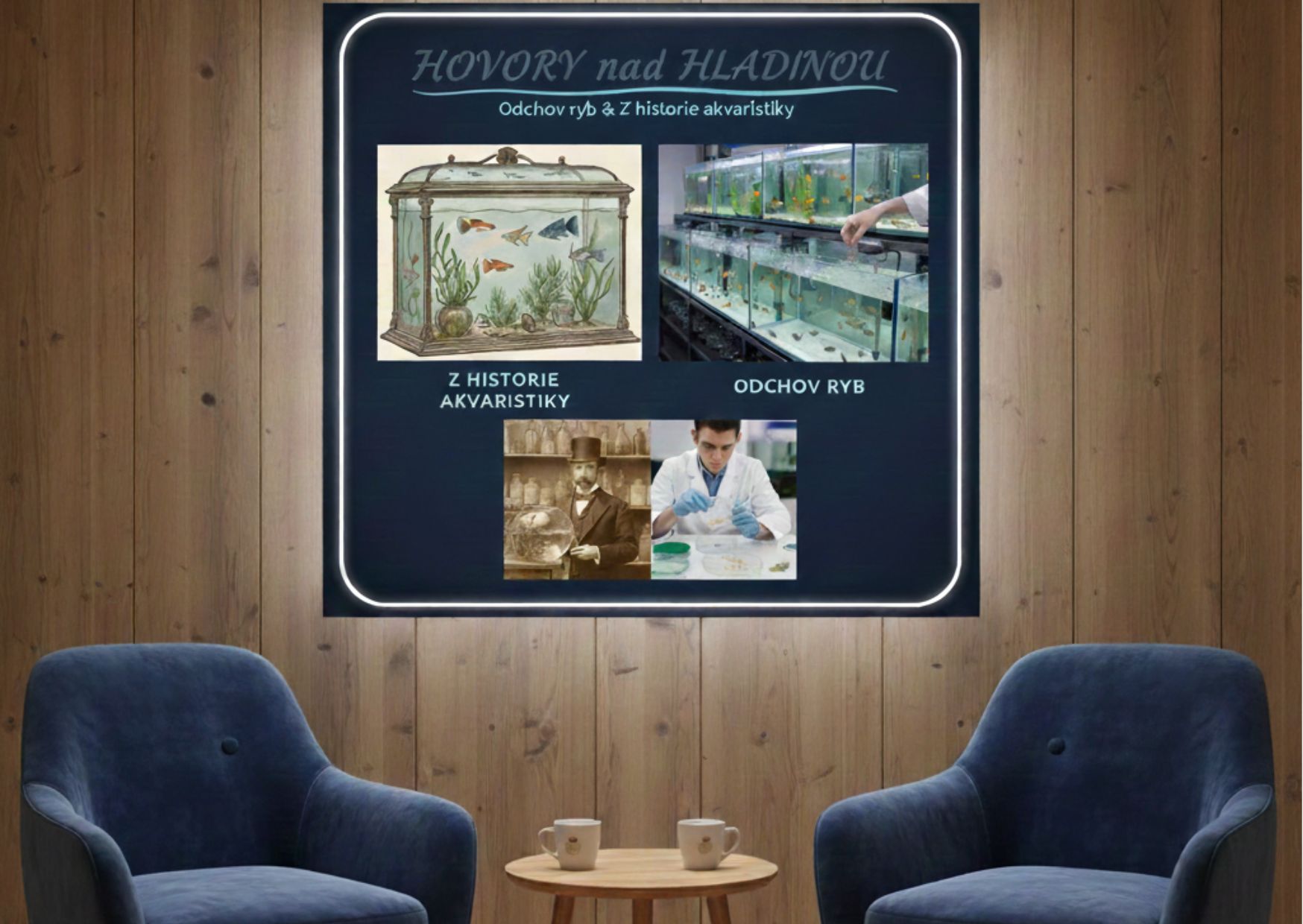
Can a simple banana peel ensure the survival of fry, and what is the secret to the success of Czech peat extracts? In this article, we bridge biological theory with decades of breeding practice. From the physiology of labyrinth fish digestion to a tribute to the international legend Jarda Kadlec, we unveil methods often missing from modern guides. Discover the 'old school' tricks that still work in today's aquariums.
The interview with Slávek Boudný and Zdeňěk Dočekal captivatingly describes how, in contemporary aquaristics, flooded with modern technology and synthetic preparations, we often forget the roots of our field. However, it is precisely in the history of Czech aquaristics that we find the key to understanding fish ecology, which is as valid today as it was fifty years ago.
Physiology of digestion and metabolism
From a biological perspective, the comparison of the metabolism of various families is fascinating. While some tetra fish, specifically mentioned in the discussion, Thayeria boehlkei known as "Penguin tetra," exhibit specific digestion, the cichlids and other labyrinth fish have an extremely rapid passage of food through the gastrointestinal tract. The experience of the breeder confirms that food ingested in the morning is already excreted by noon. This requires a specific regime—feeding in small, repeated doses (up to 4 times a day) to ensure constant nutrient availability even for slower individuals in the tank.
Rapid metabolism is typical of "opportunistic feeders" in nature. For fish like Labyrinth fish (Anabantoidei), their digestive tract is relatively short compared to herbivores, which explains the need for frequent, small meals rather than one large feeding.
From buffered extracts to nature
For acidophilic species, it is often advisable to adjust the water, especially if the aquarist wants to breed new individuals. While previously there was reliance on buffered commercial preparations (e.g., ToruMin with pH 6.2) or their available Czech equivalents (Torben, Torbex), for demanding African species, it was necessary to achieve even more acidic values. Zdeněk Dočekal therefore mentions in the video that for a species like the Congo tetra (Phenacogrammus interruptus), he uses water directly from peat bogs with a pH around 5.0, which already contains natural humic substances and tannins in ideal concentration.
Biological role of infusoria and banana peels
One of the most remarkable topics of the interview is the use of dried banana peels to initiate infusoria (infusorians). From a microbiological perspective, this is a controlled decomposition of organic matter, which serves as a substrate for bacteria, which in turn nourish the microorganisms that form the first food for the fry. However, caution is needed as the water must not be sterile for the bacteria to multiply.
- The peel must be dried and is placed in the tank approximately 24 hours after the fry of the cichlids hatch.
- Improper dosing poses a risk of massive bacterial decomposition, leading to water cloudiness, oxygen depletion, and fish mortality.
- A visible white "cloud" of infusoria forms above the peel, allowing the fry to continuously receive food even in the absence of the breeder.
Reference to Jaroslav Kadlec and the killifish tradition
The role of Jaroslav Kadlec was emphasized in the discussion, whose expertise earned him membership in the prestigious British Killifish Association (BKA). His scientific contribution is commemorated in the name of the species Nothobranchius kadleci.
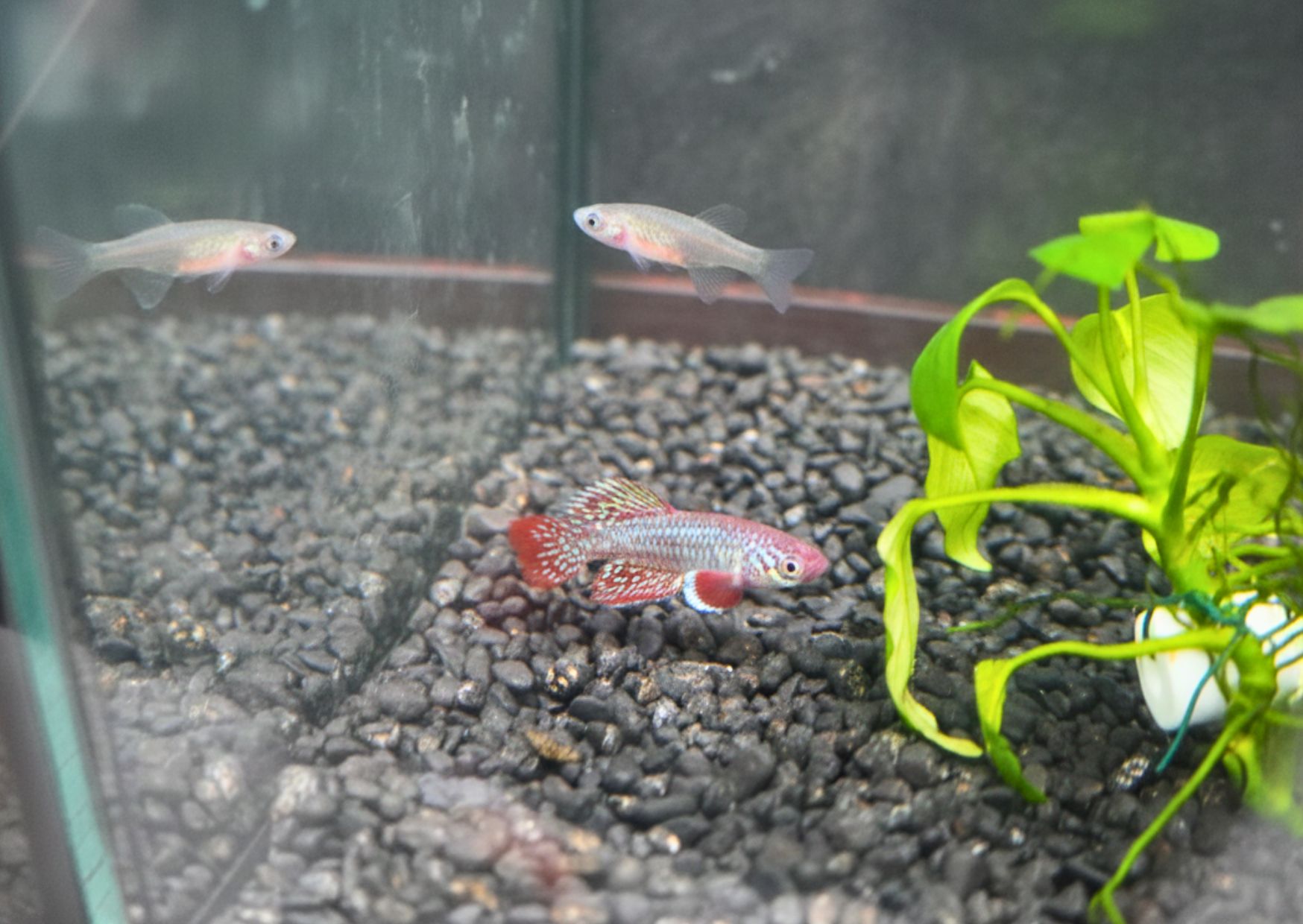
Nothobranchius kadleci at the killifish exhibition in Prague (photo: Linda Vlachova)
Jaroslav Kadlec was not only a breeder but also an author of excellent literature on killifish and a top-notch photographer who documented labyrinth fish and killifish for international organizations. Thanks to his influence, Brno became the center of the killifish tradition in the Czech Republic. To this day, participants of the Cyperus conference (Czech conference in Brno) can purchase or exchange rare species of killifish at this event.
Environmental changes in breeding
An interesting observation is the influence of conditions in human dwellings on the composition of bred species. Before the spread of modern heating and insulation, lower temperatures in apartments (15–18 °C) allowed for the common breeding of species such as gouramis, cardinal fish, or danios. Today’s overheated apartments paradoxically complicate the breeding of these cold-loving fish.
You can watch the entire interview here: