
Conversations above the surface: natural tricks in the aquarium with Slavko Boudný and Zdeněk Dočekal
Do we really need to order exotic fruits from other continents for the peak condition of fish and successful spawning of eggs? In this article, we will explore how to harness the power of Central European nature – from oak leaves to juglone from walnut trees – and why the legends of Czech aquaristics often swore by the resources we literally have in our backyard. Discover the phytochemical weapons of our trees and learn how to safely apply them in your breeding practice.
Can a garden oak be as effective as an exotic almond tree?
In modern aquaristics, we often get carried away by marketing. The leaves of the Indian almond tree (Terminalia catappa) have become a global standard, while generations of top European aquarists, such as Dr. Stanislav Frank, Heiko Bleher, or Horst Linke, achieved groundbreaking breeding results using completely ordinary Central European flora.
What is the charm of "leaves from your own backyard" and how to properly utilize it in breeding practice?
A legacy of expertise
The history of Czech aquaristics is deeply rooted in the use of natural extracts. Dr. Frank consistently emphasized the importance of tannins and humic acids for fish from soft, acidic habitats. As Heiko Bleher aptly noted at a 2006 conference in Harrachov:
Why spend on imports when alder grows by the stream? It’s enough to let it dry, and it will serve just as well.
This pragmatic approach is not only about saving costs, but about understanding phytochemical processes. For example, Horst Linke in his breeding of fish commonly used oak leaves not only for adjusting water chemistry, but also as a specific substrate tool for breeding Asian labyrinth fish. According to Slávek Boudný,
He achieved this by using a hot glue gun to bond the leaves together, shaping them into a cavity.
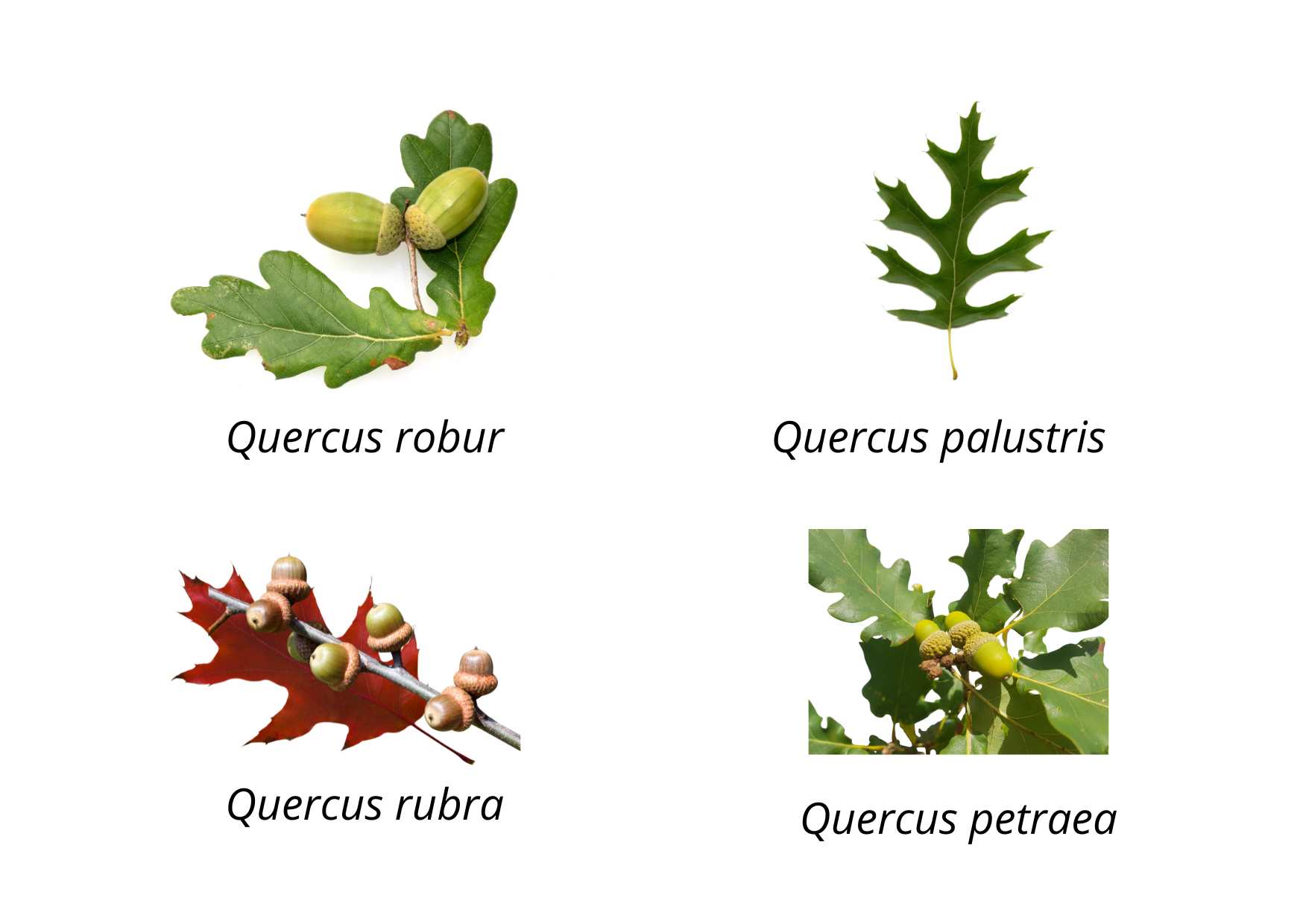
There are more species of oak
Oak (Quercus) is the most valuable domestic material for aquarists. An interesting aid in collection is the so-called marcescence – a phenomenon where dry leaves remain on the tree until spring. The ideal period is February and March. The leaves are frost-dried, dry, and not contaminated with soil mold.
Oak leaves decompose more slowly than Catappa. In tanks with Planorbarius and shrimp, there is gradual decomposition of the parenchyma (the basic soft tissue of the leaf), until only the clean veins remain. These do not disrupt the aquarium and can be easily siphoned off.
The fight against infusoria: The tannins contained in oak, combined with lowering the temperature below 24°C, can effectively slow down or inhibit the reproduction of infusoria. The extract modifies the environment so that it becomes unfavorable for these microorganisms (protozoa), allowing for the restoration of biological balance.
Alder and walnut:Natural antibiotics
While alder leaves are known for their ability to drastically lower pH and color water into amber tones due to their high resin and tannin content, walnut (Juglans regia) represents a more sophisticated tool. The leaves and green husks of the walnut contain juglone and other substances with significant bacteriostatic effects. (Note: Juglone is a respiratory inhibitor for fish in high concentrations.)
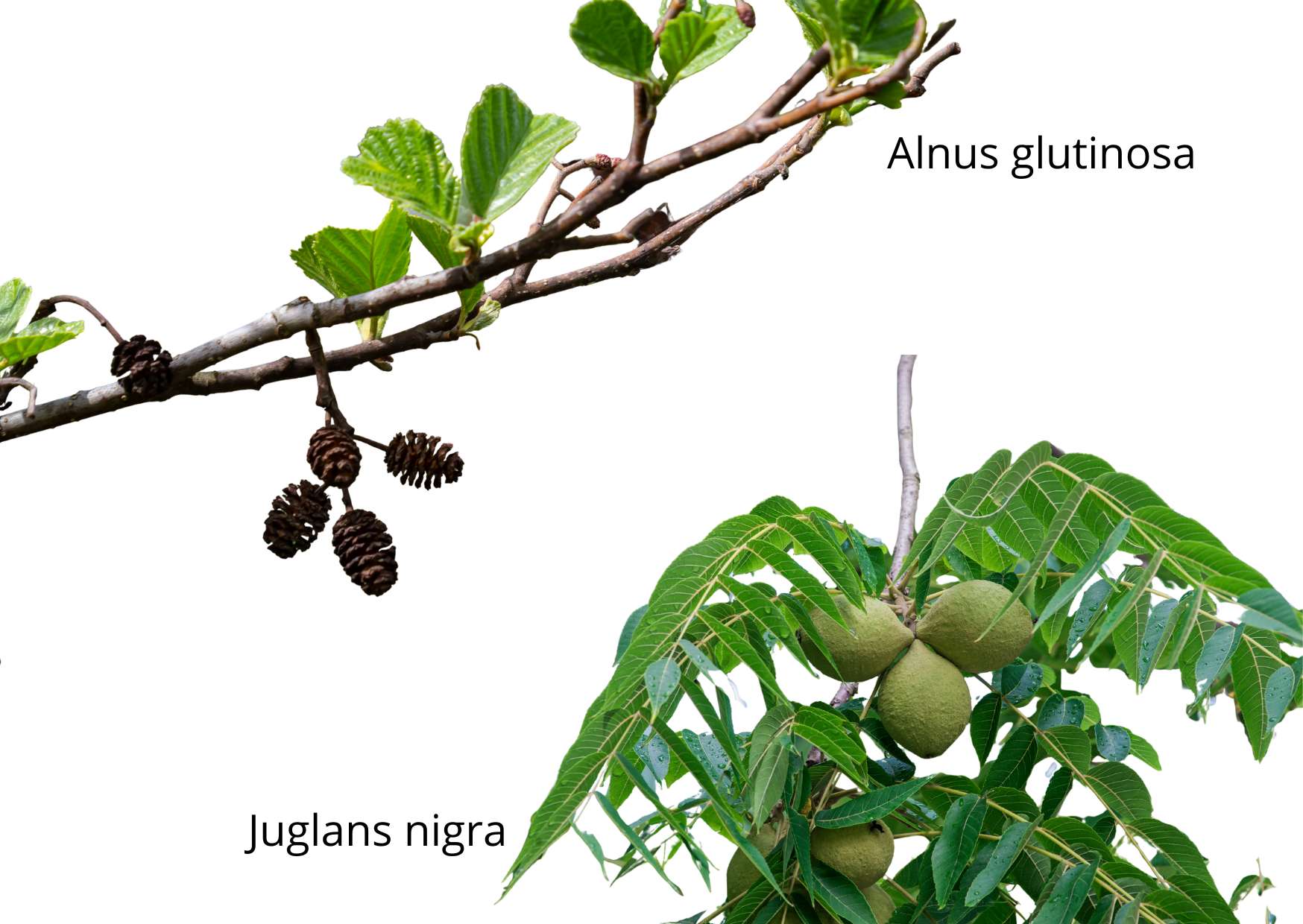
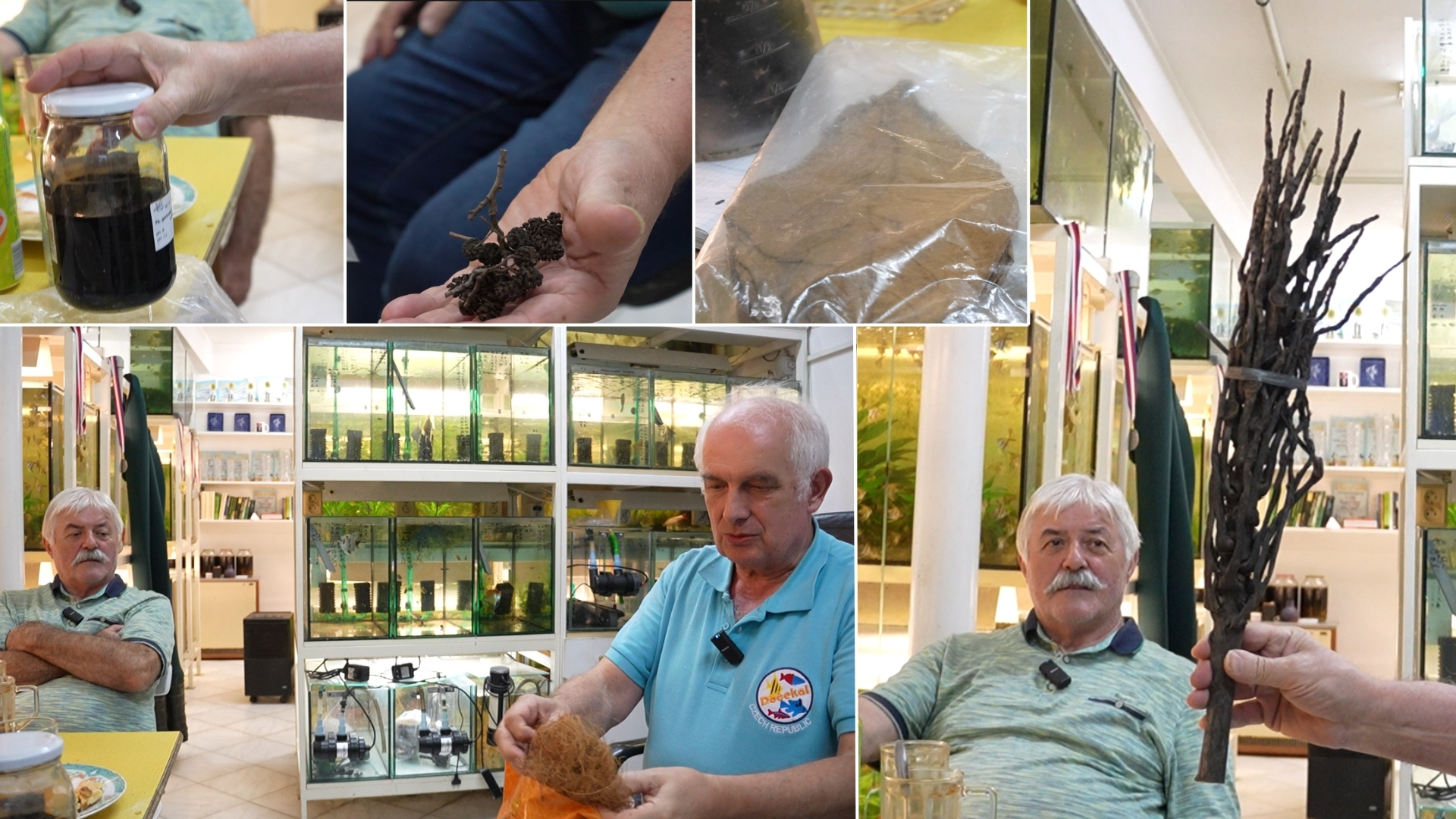
Walnut and alder also have more species. For illustration, we have selected two representatives.
Allelopathy: The fight for space
The most well-known property of juglone is its allelopathic effect. This means that the walnut releases this substance into its surroundings (roots, leaves, fruits) to suppress the growth of competing plants. In the tree itself, juglone does not occur in its pure form, but as a non-toxic precursor (hydrojuglone). However, once it gets into the air or soil (e.g., during rain from leaves or during the decomposition of husks), it oxidizes into toxic juglone.
Uses in medicine and industry
Although it is toxic to many plants, it has several useful properties: It has strong antibacterial, antifungal, and antiparasitic effects. It is used in folk medicine to treat skin diseases, eczema, or against internal parasites. Many aquarists also use walnut leaves in the aquarium, similarly to the leaves of the Indian almond tree (Catappa).
Expert lectures (e.g., in Hannover 2002 - see attached video) confirmed that concentrated extracts are often more effective in preventing fungal infections of eggs than commercial preparations. However, dosing must be very sensitive – the method of "moderate coloring" of water is key here.
While walnut leaves are a safe source of tannins when properly dosed, the green fleshy husks (shell) are a concentrated reservoir of juglone. Indeed, extracts from these husks often show higher effectiveness in preventing fungal infections of eggs than commercial preparations, but require the experienced hand of the aquarist!
Innovations in breeding: coconut and leaves
Coconut fiber is an interesting "gimmick", which has been successfully used in the breeding of Zdeněk Dočekal. It serves here as a substitute for Java moss due to its long coconut fiber.
Mechanical safety: Unlike mosses, coconut fiber does not form an impenetrable mat. When handling the substrate, fish easily fall out of the fibers, minimizing losses due to mechanical trauma.
Structural stability: The fiber retains its shape, does not rot quickly, and releases fine bacteriostatic components that protect the eggs.
Natural cavities: Horst Linke even glued dried oak leaves with a hot glue gun onto inert substrates (e.g., stones), creating artificial cavities for breeding the paradise fish of the genus Parosphromenus.
Conclusion
Using natural materials in the aquarium is not a relic, but a manifestation of erudition. Whether you reach for alder leaves, oak leaves, or try experimenting with walnut (be careful with dosing), you always introduce a piece of natural habitat and functional biological protection into the tank.