




It is one of the greatest gems of Central American waters and has secured a firm position in our tanks. The red-headed cichlid, also known as the red-headed kanchik, fascinates aquarists not only with its majestic size and vibrant coloration but also with its surprisingly gentle nature. What does keeping this intelligent giant entail, and how can we create ideal conditions for successful breeding in captivity?
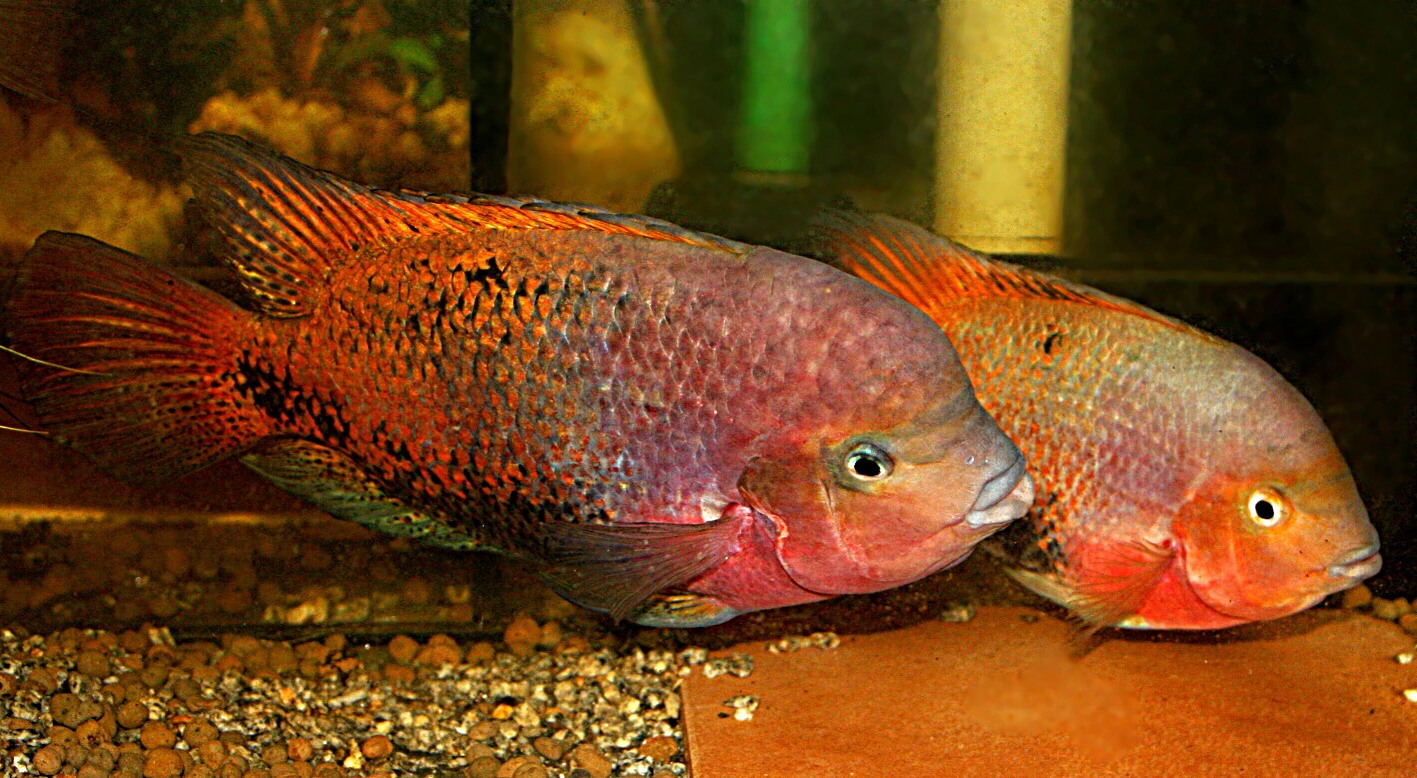
These giants are probably the happiest representatives of this genus in our aquariums. They originate from the waters of Central America, mainly from the region of Mexico, where they are called "Palette," and in Belize, they are referred to as "Tuba." The red-headed cichlid (Vieja melanurus, formerly known as Vieja synspila, also Vieja sinspilum) or, if you prefer, the red-headed kanchik, is an ideal fish for large aquariums, where it captivates with its majesty and coloration. Moreover, it is relatively peaceful despite its size; outside of the breeding season, it does not mind having equally large neighbors in the aquarium.
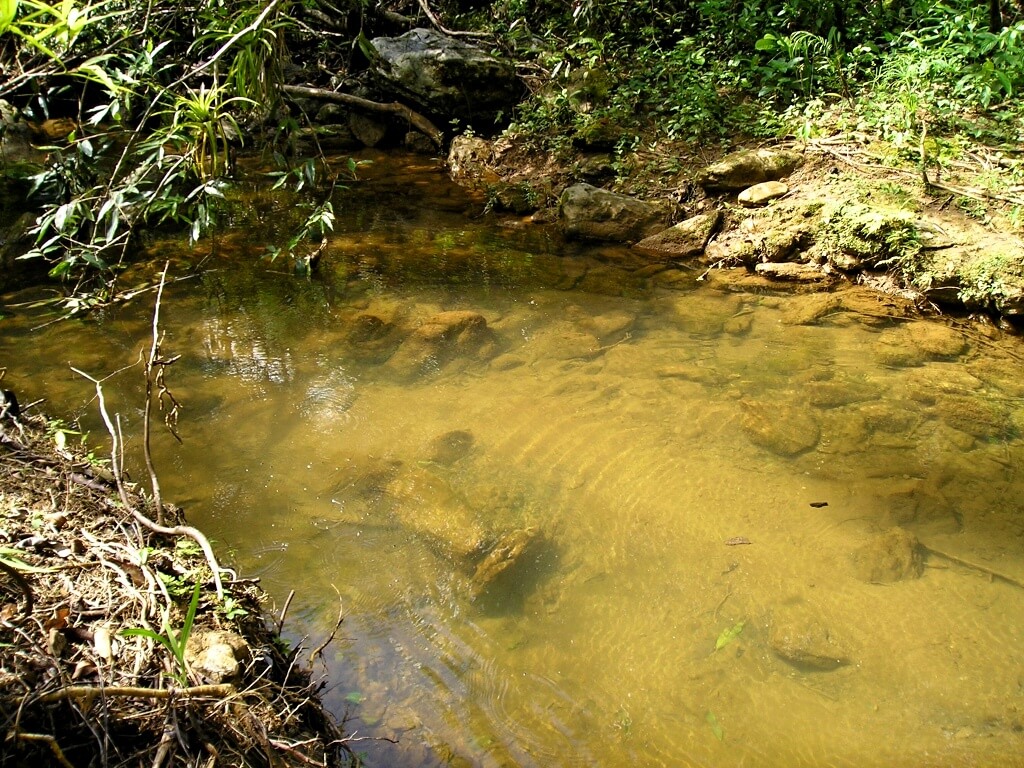
The fish is mainly distributed in the eastern part of the Yucatan Peninsula in Mexico, but also in Guatemala in the watershed of the Usumacinta River and in the northern and central parts of Belize. The water here is usually clear, warm (24-28 °C), soft (3°dGH, 3°dKH), and has a neutral to slightly alkaline pH. The fish inhabit both fast-flowing waters of streams and rivers as well as often murky ponds and water reservoirs for livestock. In nature, it usually grows up to 20 cm, in aquariums up to 35 cm, with males being somewhat larger and having a prominent nuchal hump that becomes more pronounced with age, weighing over 2 kg. Females are smaller and more slender. There are several color variants known, with individuals found in our aquariums mostly originating from Belize. For breeding, we need spacious aquariums at least 150-180 cm long, and since the fish in nature feed heavily on vegetation, this must not be lacking in our aquariums.
Breeding can sometimes be challenging due to the large number of eggs, which are cared for by both parents. Approximately two-year-old and older fish spawn both in open spaces, usually on rocks, and some aquarists use larger caves made of drainage pipes, where the fish feel very comfortable while caring for the fry.
During this time, the fish are more than 12-15 cm long and form pairs that then spawn together in a series of subsequent spawns. The first spawns sometimes fail, often resulting in the loss of the clutch, but in subsequent spawns, the fish improve and become very good parents. The eggs are also quite large, around 2 mm, so breeding this species does not pose difficulties. Growth is relatively fast.
Vieja means "old grandmother" in Spanish, syn- is from Greek meaning "together," and spilos means "spot, stain." The original name thus hints at something about raising young, but also about coloration and the associated spots in the area of the caudal fin.
Images:
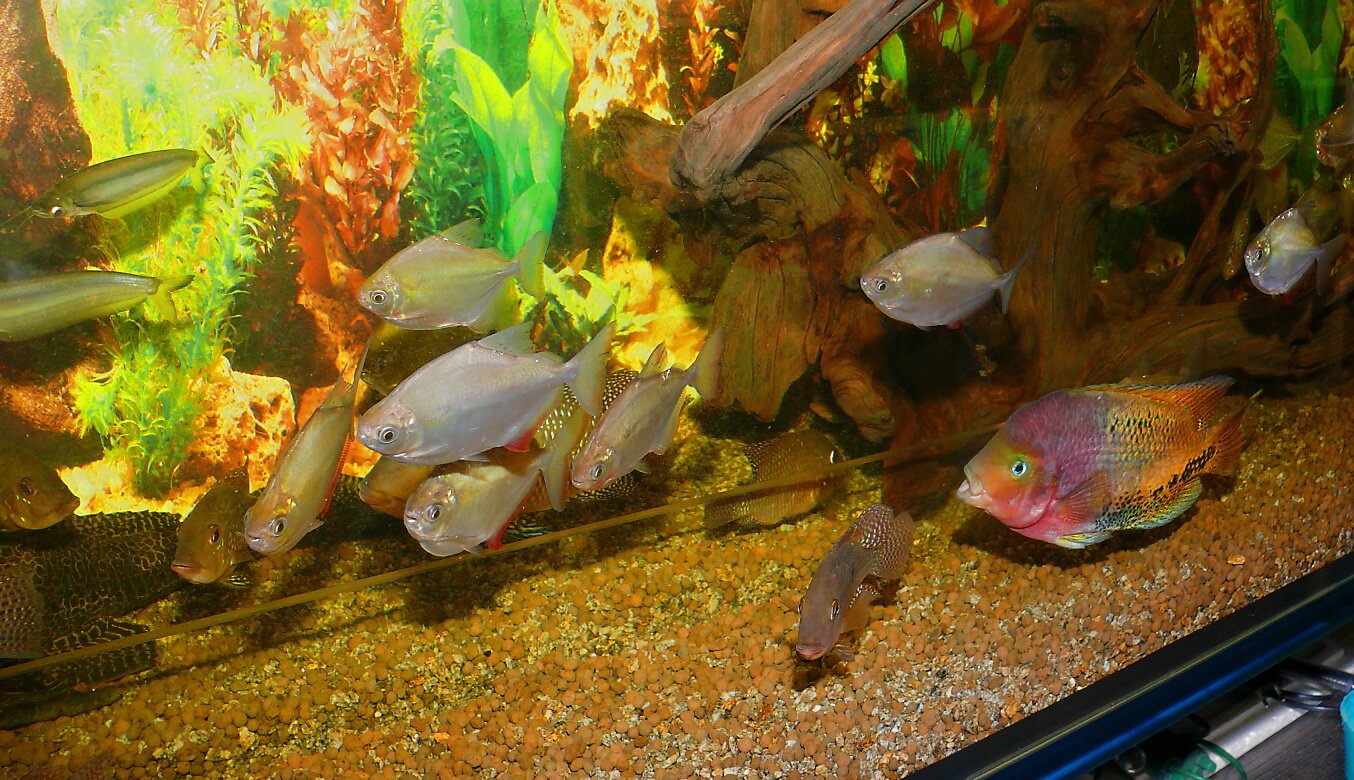
- Red-headed cichlids (Vieja melanurus, formerly known as Vieja synspila) are very good and peaceful companions for large community aquariums.
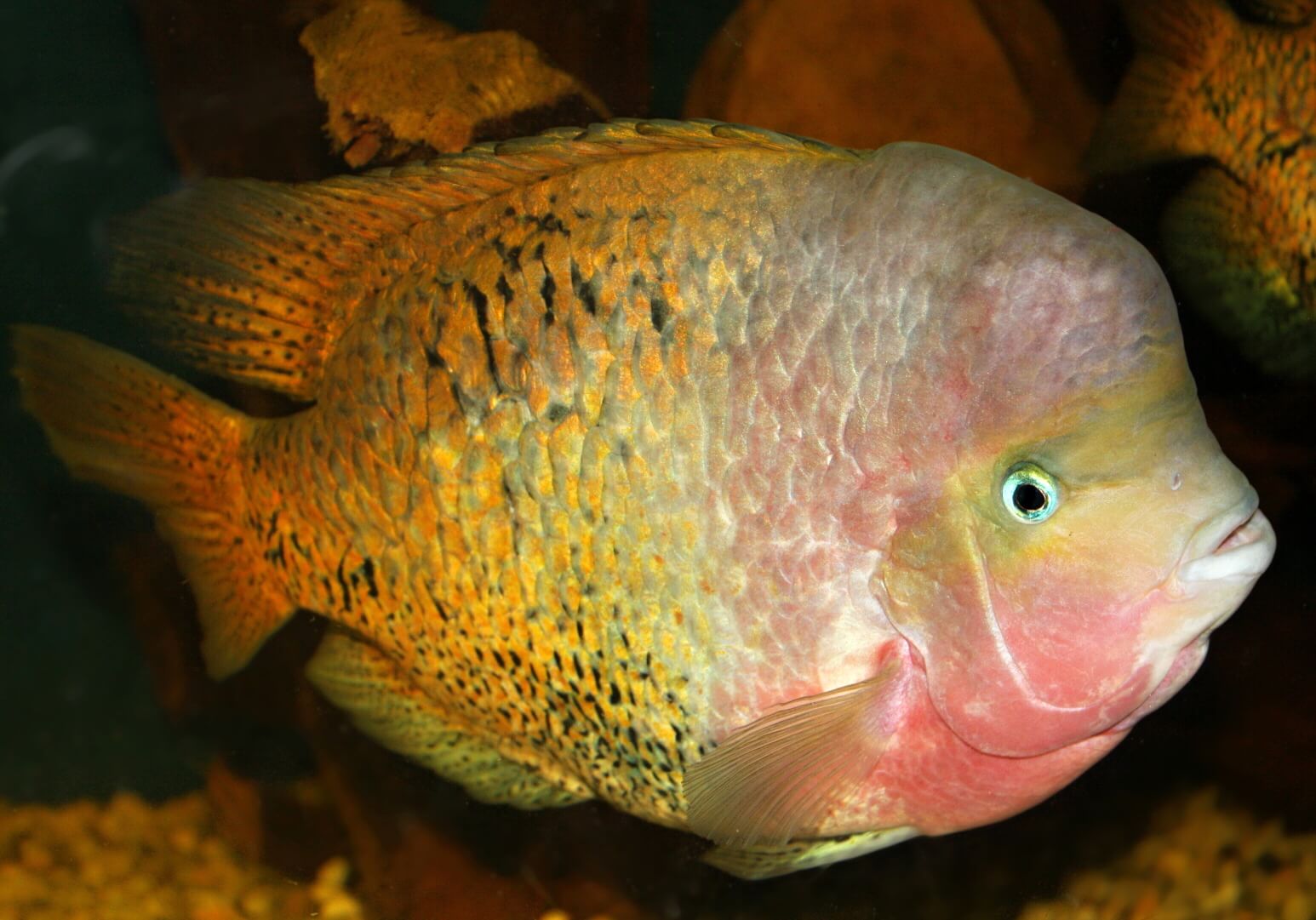
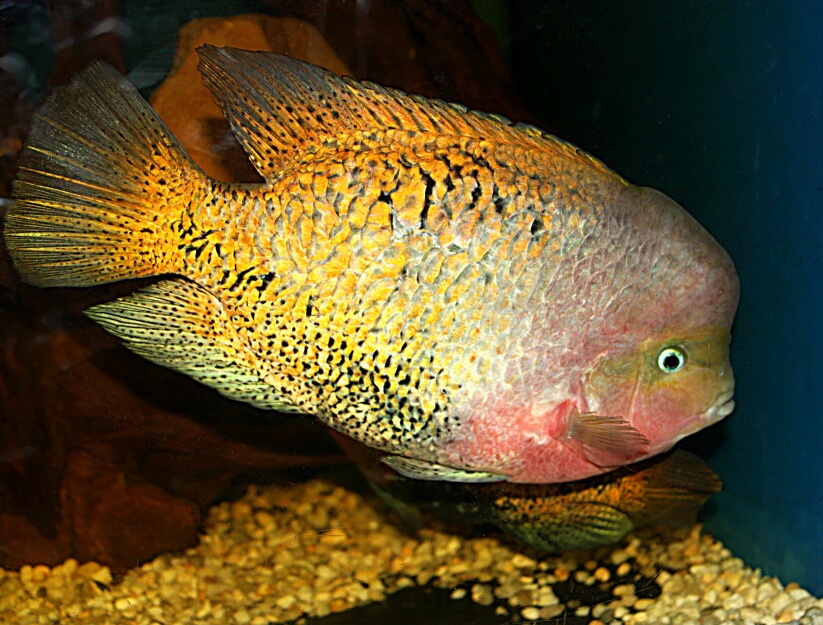
- Adult male.
- Male inspecting the breeding site.
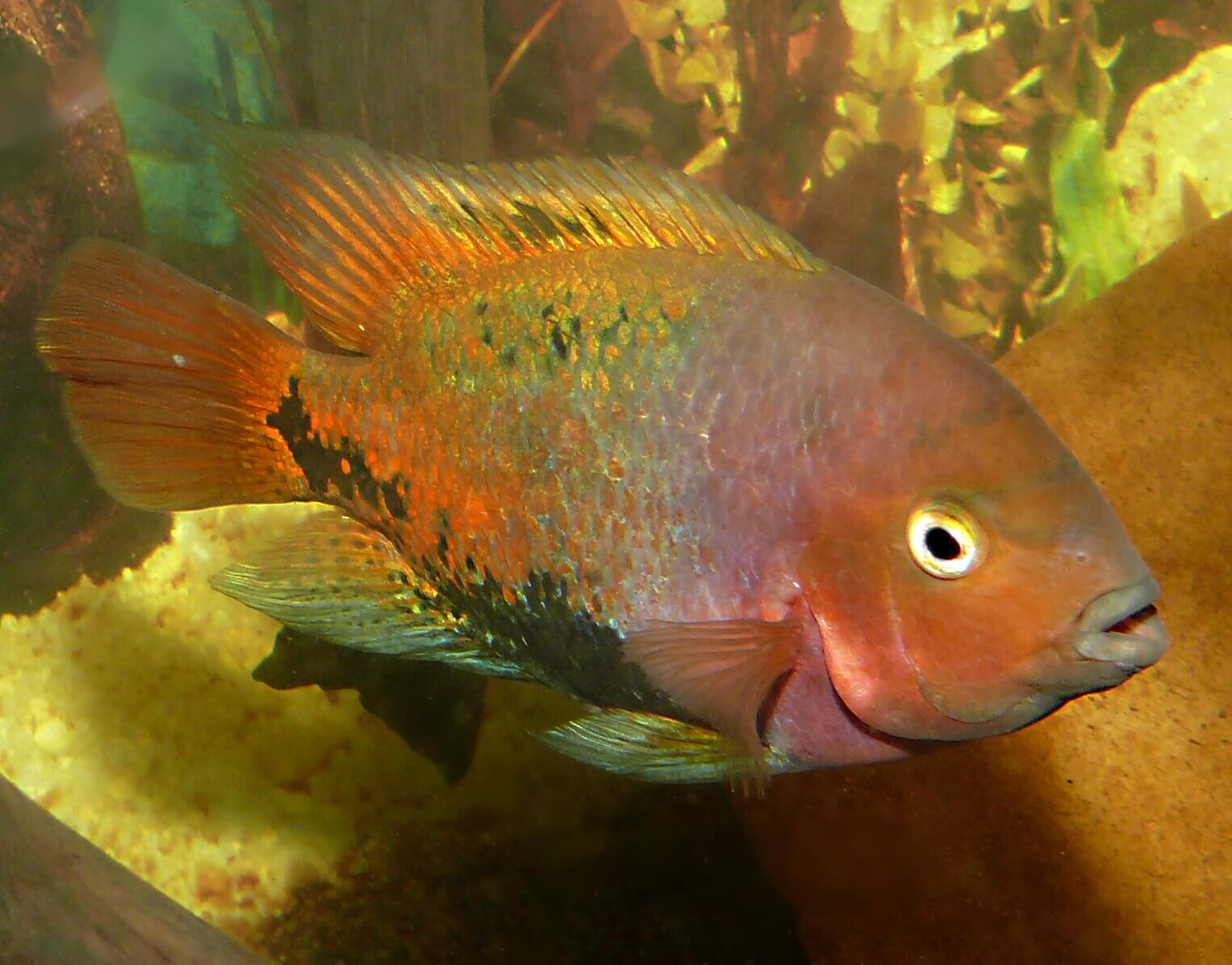
- Adult female.
- Pair at the beginning of breeding.
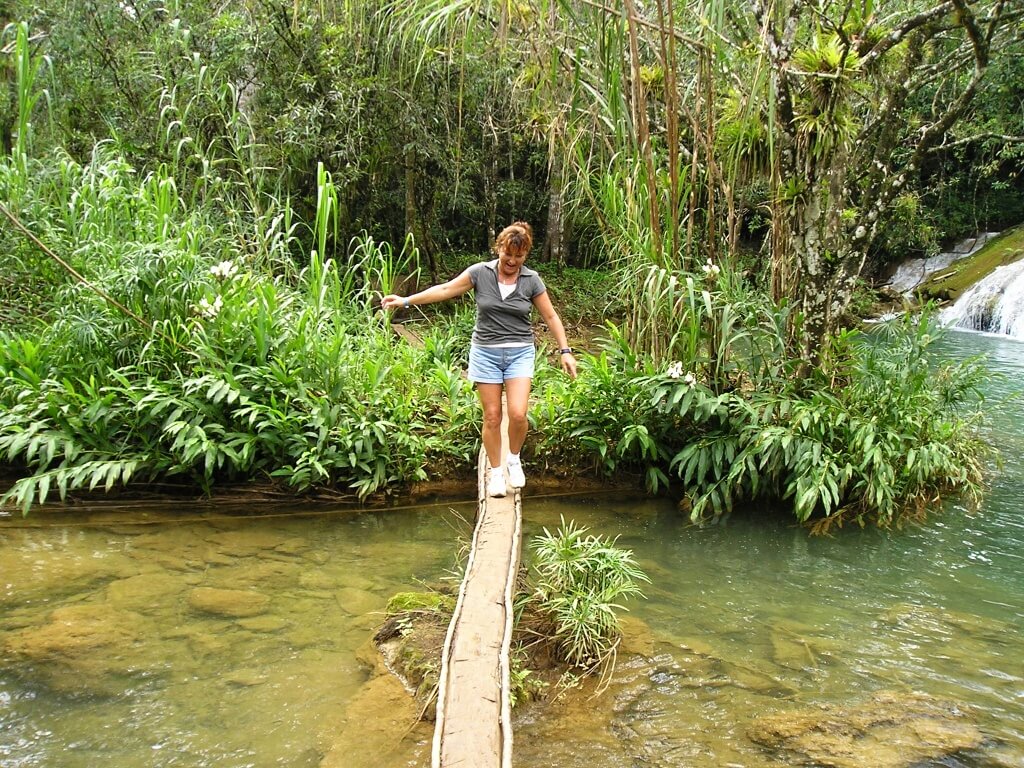
- There is no shortage of adventures on the roads of Yucatan.
- Red-headed cichlids (Vieja melanurus, formerly known as Vieja synspila) inhabit areas with clear water, warm (24-28 °C), soft (3°dGH, 3°dKH), with a pH of 7-8.