

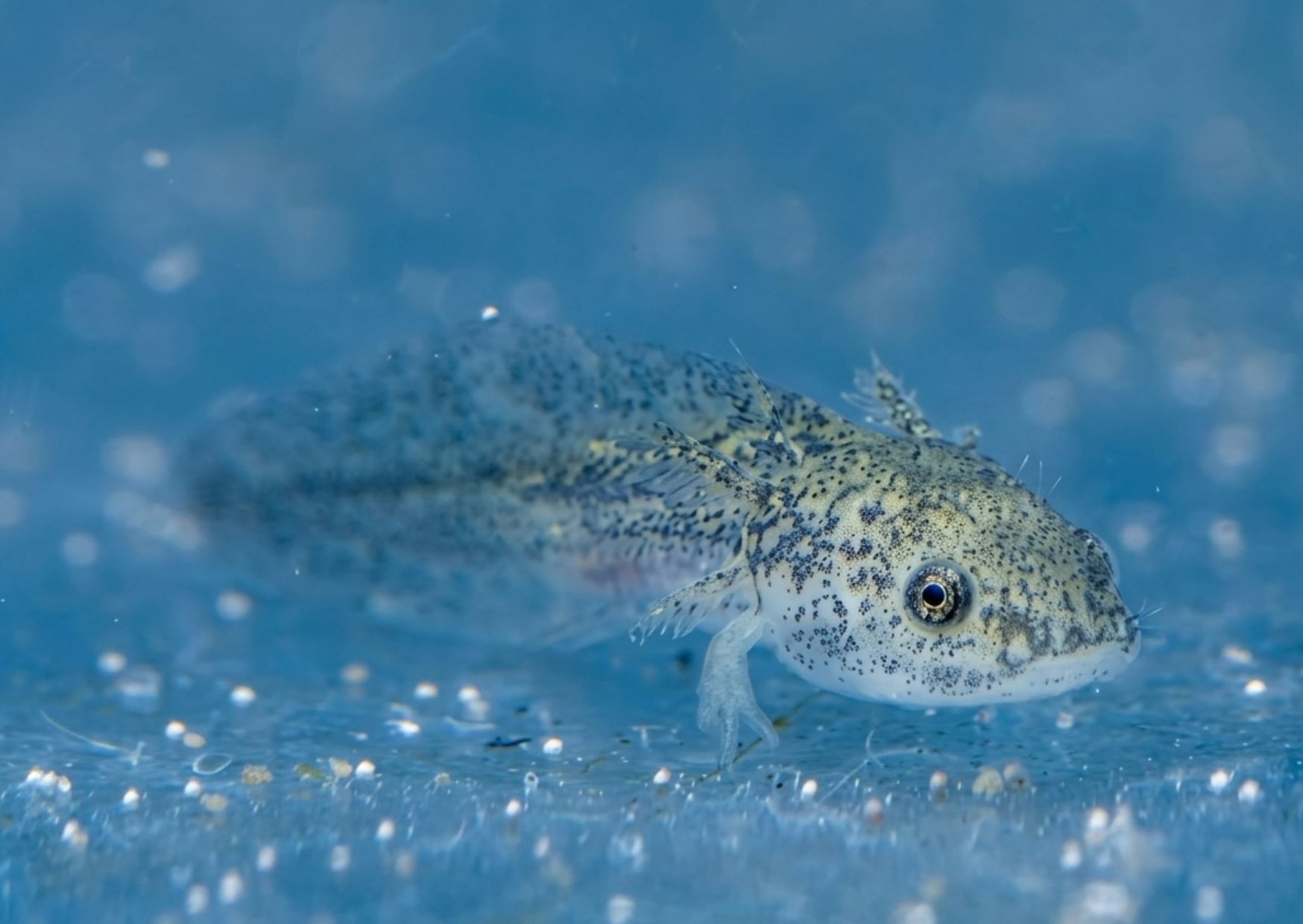
From viral video game star to biological enigma, the Axolotl has captured the world’s imagination like few other creatures. But beneath that famous "smiling" face lies a complex miracle of nature—a neotenic wonder capable of regenerating its own heart and resisting cancer. As these "water dragons" transition from the wild to our living rooms, understanding the reality of their care is more vital than ever.
1. The Axolotl: From Media Icon to Nature’s Miracle
(Introduction to the species, its popularity, and unique biology)
The Axolotl (Ambystoma mexicanum), is a truly remarkable species of Amphibian, and one which certainly deserves all of the recognition it has received in recent years. Axolotls have only recently reached the limelight, partially due to their introduction into video games, film, and other media forms. This alone of course is not enough to have sent them rocketing into stardom!
The Axolotl is indeed a truly fascinating animal from a number of perspectives. A fully aquatic neotenic amphibian, the Axolotl spends its life under the surface, never reaching it’s terrestrial stage, breeding whilst still in it’s larval form! Not only that, but the fact the Axolotl enjoys 4 methods of respiration, the regeneration of both limbs and certain organs, as well as an in-built cancer resistance, makes them a true miracle of nature. With all of these facts (and many more) the Axolotl could easily have a whole plethora of articles written about them, and it’s not surprising to hear that they are becoming a huge addition to many households as pets.
2. A Long-Term Commitment: Beyond the Trend
(Addressing responsibility, lifespan, and the reality of pet ownership)
Children across the globe are discovering more about these creatures, seeing their sweet, almost cartoonish faces, and are eager to have one to call their own.
This sudden surge in popularity, however, can bring significant cause for concern. As with any other pet, when bringing a living animal into our care, we must do our utmost to ensure they are given full, healthy and enriched lives. This point can sometimes be overlooked when caught up in the excitement of shopping for a new addition.
So, how can we ensure we are providing the best home and living conditions for an Axolotl?
The first question to ask may seem trivial, but is very important:
Why do I want an Axolotl as a pet?
Is it for a child as a present? Or perhaps a companion animal for your home. Either way we must bear in mind that taking on an Axolotl is a rather large commitment. Without even considering the initial costs and ongoing maintenance of the set up, foodstuffs and perhaps even medical care, we must remember that this should be no passing fancy. An Axolotl can live quite happily up to the age of 15 years in the home, with some that I have known to be 21+ years old, and are still going strong!
This is not all supposed to be off-putting or negative however! Axolotls make great pets, especially for children and young adults, and I have personally know many a child who’s initial love and care for the animal, has grown into a deeper understanding and passion of aquatic species.
3. Setting the Stage: Ethical Sourcing and Housing
(Guidelines on choosing a seller and selecting the right aquarium size)
Once you are certain you would like an Axolotl as a pet, and understand the commitment, it is time to start thinking about acquiring a setup, as well as scouting out some shops or private sellers you may wish to buy from when you’re ready. As for locating an ethical seller, it is always a safe bet to go to a reputable retailer; many are assessed and graded for their animal care, and the results can be viewed on their website or in store. The next step is to purchase the aquarium and relevant gear and accessories you may need. To a certain extent, bigger is better, and it is worth bearing in mind that although the Axolotl you purchase from the shop may only measure a few inches today, they can reach an impressive 10”-14” when fully grown! Due to this it is recommended that an Axolotl be housed in an aquarium that is at least 3 feet in length, and 1 foot in width. Be aware, you may have to upgrade your tank size at some point in the future, so if you are able to purchase a larger aquarium in the beginning, it is well worth considering. Like any other aquatic animal, an Axolotl needs the water to be at certain parameters, and will need certain filtration to ensure the water is clean and cycled to avoid any disasters.
4. The Golden Rule: Master the Water, Master the Care
(Focusing on filtration and the Nitrogen cycle)
Many aquariums now come with in-built filters, or are sold with a recommended filter for the tanks volume. This is where a retailer will be able to offer you advice to aid you with an informed purchase. A knowledge of the Nitrogen cycle is a must, as many an aquarist will tell
you
‘If you look after the water, the animal will look after itself!’
(A point to be taken with a pinch of salt, yet very much forms the baseline of aquatic care).
5. Environment and Safety: The Substrate Debate
(Decorations, hiding places, and preventing impaction)
An Axolotl will not very much appreciate a bare tank, and decoration provides not only something for you to look at, but also hiding and resting places to keep them feeling safe and secure. Although they will suffice without any substrate, and there is credit to be given to the fact that bare bottom tanks are easier to keep clean, substrates can be used in Axolotl aquariums. This point is often a bone of contention within the Axolotl community, mainly due to the fact that the Axolotls feeding technique of vacuuming up food when it floats by, can mean that whatever else is around can also find its way into their mouths! Due to this, although I have never personally experienced any incidents of impaction or blocked orifices, it is best to play it safe and use only fine sands, or alternatively a substrate that is significantly larger than the Axolotls mouth.
Now you have the aquarium, the filter, and the accessories required, it is time to set it all up in your home. No heater will be required as Axolotls are a Coldwater species, with and ideal temperature range of 15°C -18°C. Any warmer will cause distress and an increase in possible
fungal issues, much lower and digestive problems can occur. It is also important to note that Axolotls do not enjoy much fluctuation in temperature, so placement in the home should avoid direct sunlight like windows, and areas such as next to radiators.
6. Bringing Your Axolotl Home: The First Steps
Once the aquarium is set up and cycled, it’s finally time to purchase your Axolotl! Hopefully you have sourced a reputable retailer, and decided on the Morph you would like. Although it is possible to house two (or more) Axolotls together, it is wise to double check the sexes of
the Axolotls, to avoid any unwanted spawning. It is also vital that there is enough room in your aquarium, and enough scenery to provide adequate hiding locations for each Axolotl. Introduce your Axolotl into the tank as you would any other aquatic species, by slowly
acclimating the Axolotl to your tanks water parameters. It is very likely your Axolotl may hide away for a couple of days after introduction, without even coming out for food. This is completely normal, and is certainly nothing to panic about.
With food in mind, we are very lucky in this day and age to have specially formulated ‘Axolotl Food’, which can be purchased from most retailers. That being said, Axolotls love treats such as Bloodworm, Daphnia (Which is also very good at clearing their stomachs through), chopped Mussel, and ‘Treat Cubes’.
It is important to monitor your Axolotls feeding habits, ensuring a varied diet is vital to avoid any nutrient deficiencies. And that is that! The basic knowledge you will need to equip yourself with to be ‘Axolotl Ready!’ There are of course complications that may occur, for example fungal diseases or infected wounds, but, as with the foods, we are lucky to have a wide range of Axolotl specific medications in this day and age.
As stated at the beginning, Axolotls are an incredible species, and are well suited to being a household pet. They offer fascination to child and adult alike, and their unique personalities will soon show through to a respecting owner.
What a wonderous creature to have in the home!
See also a video capturing small axolotls aged 10 days to 1 month: