

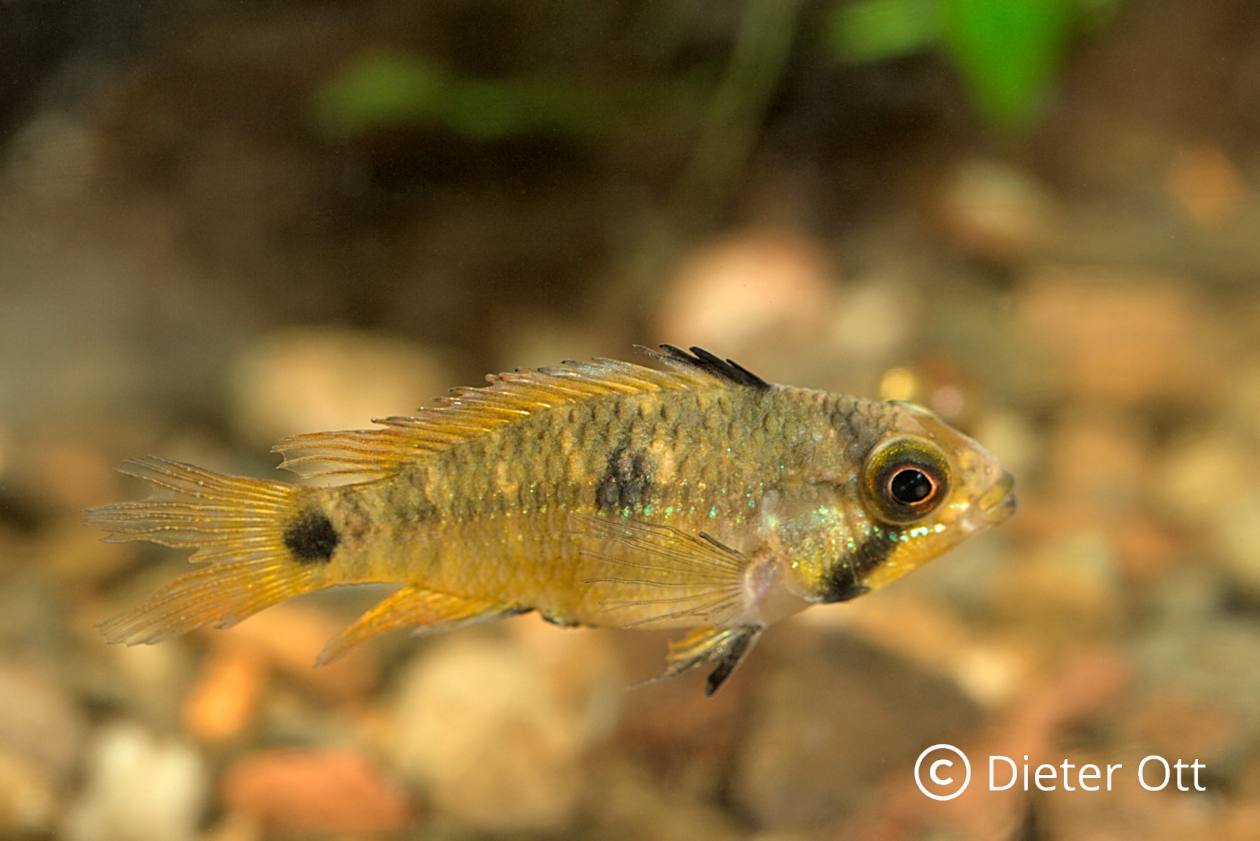

A guide to proven species and their care. Whether it's widely distributed classics like A. agassizii or demanding specialists like A. inornata – the genus Apistogramma offers a discovery for every aquarist. Learn all about the proper setup, necessary water parameters, and why the inconspicuous species sometimes tell the most interesting stories.
Continued The phenomenon of Apistogramma – Part 1: From selection in stores to the home biotope
Verified species
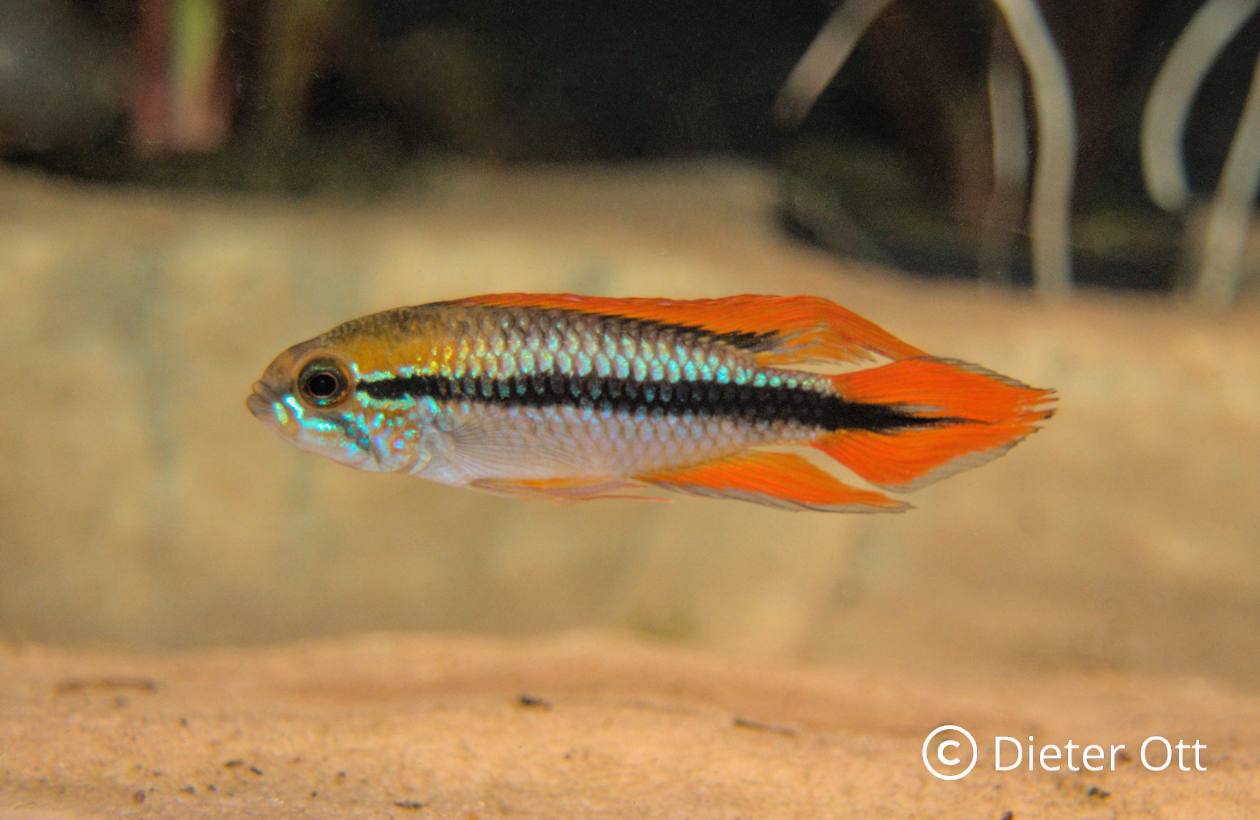
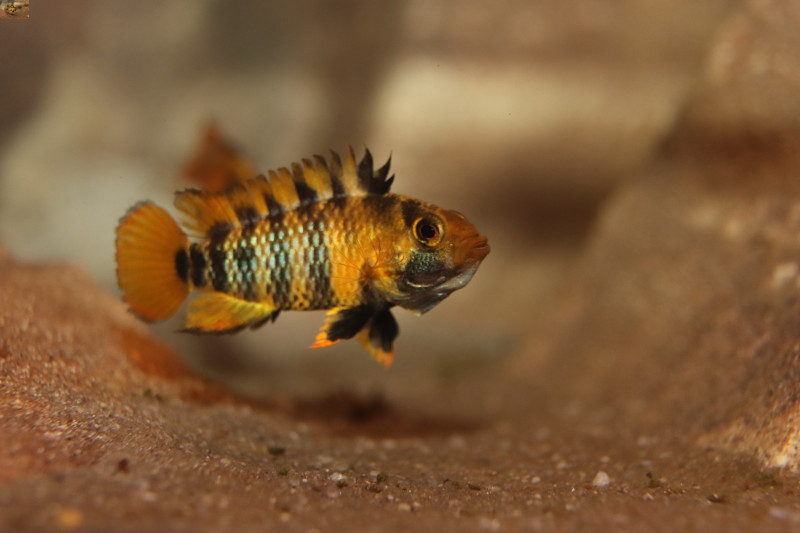
Apistogramma agassizii (Steindachner, 1875)
The Lago Manacapuru is considered a habitat, located in the basin of the central Brazilian Amazon. Further collections have shown that this species is widely distributed, and among these findings, there may be other closely related species.
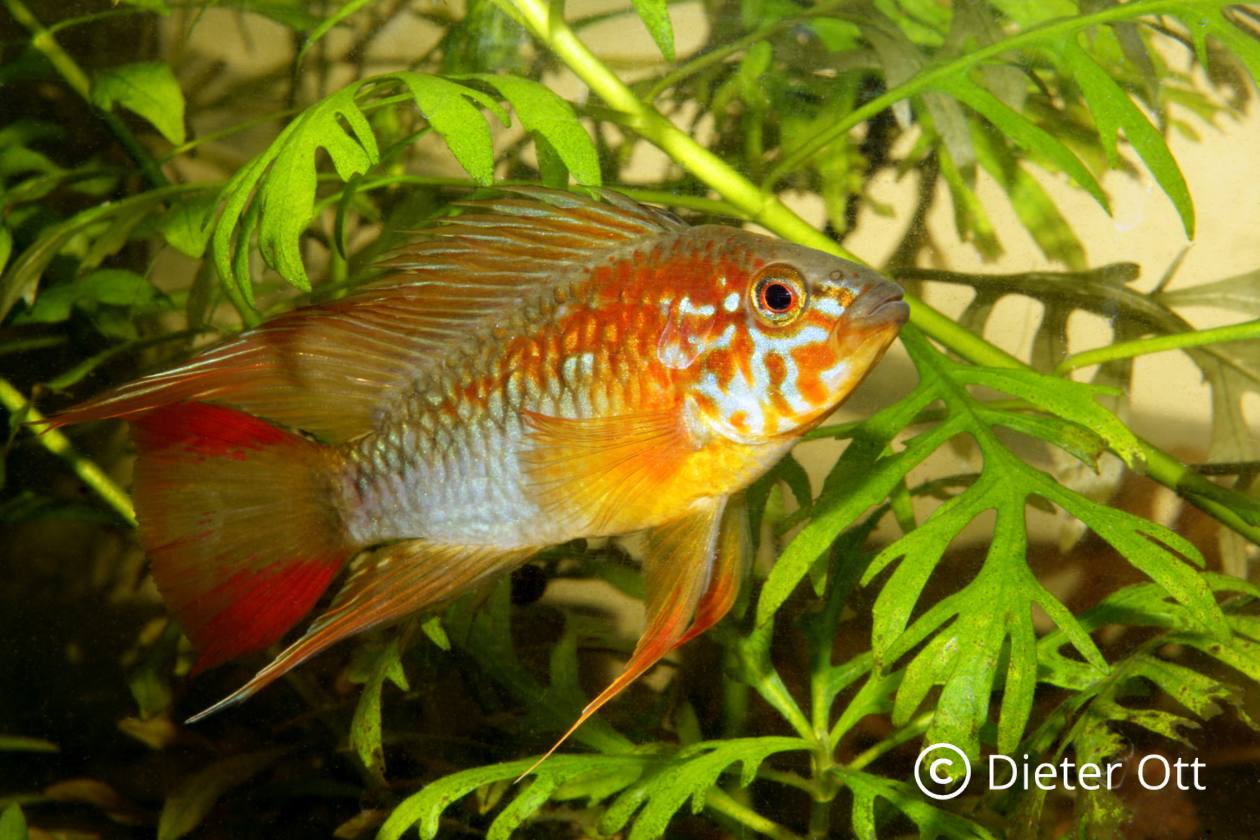
This elongated species is usually kept in community aquariums if apistogramma is properly arranged. However, higher demands are placed on the water in breeding. In aquaristic practice, various color forms have been imported for breeding forms. Selection has mostly focused on red strains.
For breeding, softer water around 50 µS/cm is needed. The water temperature should reach approximately 25 °C .
In recent years, several Apistogramma species have been bred. In practice, this mainly means that the red proportions have been intensified. Apparently, aquarists are more willing to buy such fish than their paler natural forms. However, this sales strategy is taking on absurd forms. For example, with Apistogramma agassizii , the addition of "red" is no longer sufficient because "Red Fire" is likely to attract more attention and entice purchases. The fish cannot be blamed for this, and its purchase is just as worthwhile from an aquaristic perspective as that of its color-weaker original form. When comparing offers, it becomes evident that breeding lines offered under such names are certainly not uniform.
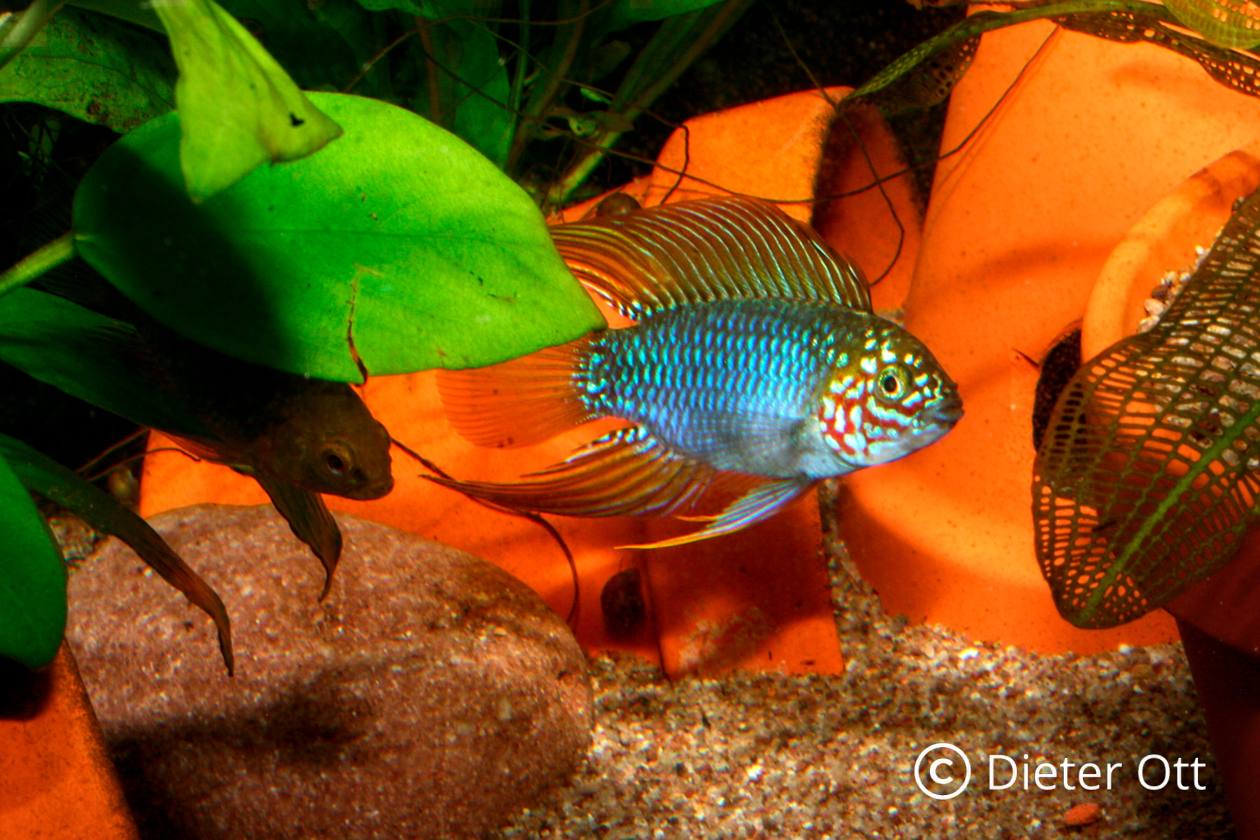
Apistogramma borellii (Regan, 1906)
This species was my first dwarf cichlid that I dared to keep as a student. I had to spend a significant portion of my pocket money at the pet store. I was fascinated by the family life, which was well observable in its phases. When the female led the young, I even managed to attract my mother to the aquarium.
For many decades, the area of occurrence of this species was unknown. With changing political conditions and increasing collecting expeditions of aquarists, successful catches of Apistogramma borellii increasingly expanded throughout the basin of the Paraguay River in Brazil, Bolivia, Paraguay, and Argentina.
The species has been found both in clear water with very soft, acidic water and in slightly mineralized white water with partially alkaline pH values. This ability of the species to adapt to different environmental conditions probably represented a prerequisite for aquaristic success. Scientists refer to this adaptability as biological plasticity. The first imports of the species have survived for many decades without blood renewal in the hobby.
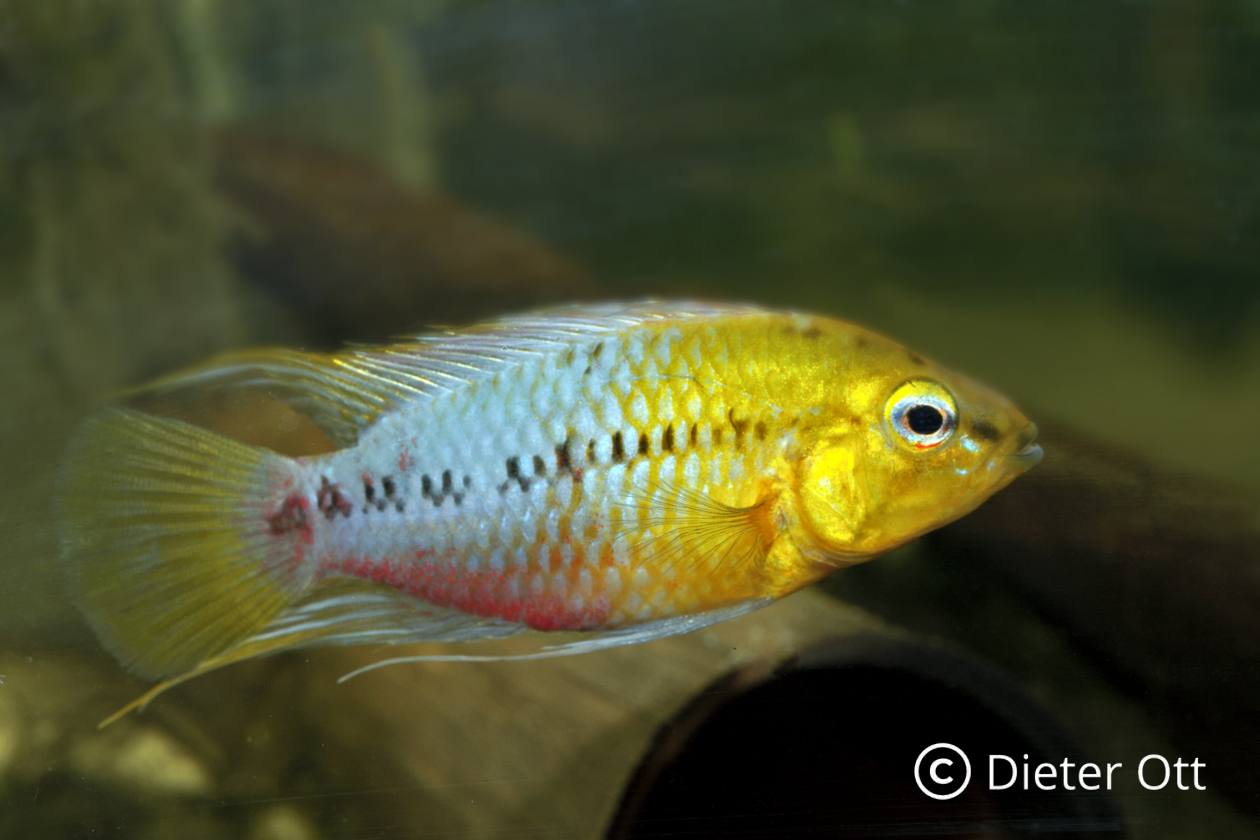
Meanwhile, a form of Apistogramma borellii "Opal" has been found, which has delighted many dwarf cichlid enthusiasts with its red mask on the head.
Breeding is expected to succeed even in slightly harder water, up to 10 °dGH. For breeding and keeping, I used the room temperature of my fish cellar around 22 °C. Other authors recommend 24 °C to 25 °C or more.
Apistogramma cacatuoides (Hoedemann, 1951)
“Cacatuoides” is one of the most sought-after dwarf cichlids. It has proven to be very suitable for aquarium breeding, as it is very adaptable and not overly aggressive. This is certainly contributed to by the fact that Apistogramma cacatuoides is also found in alkaline biotopes (Linke & Staeck, 1984).
Adult fish can form broods of approximately 100 offspring. Such a school of young fish is always hungry. Therefore, it is easy to accustom them to dry food.
For breeding, the same water parameter recommendations apply as for Apistogramma borellii.
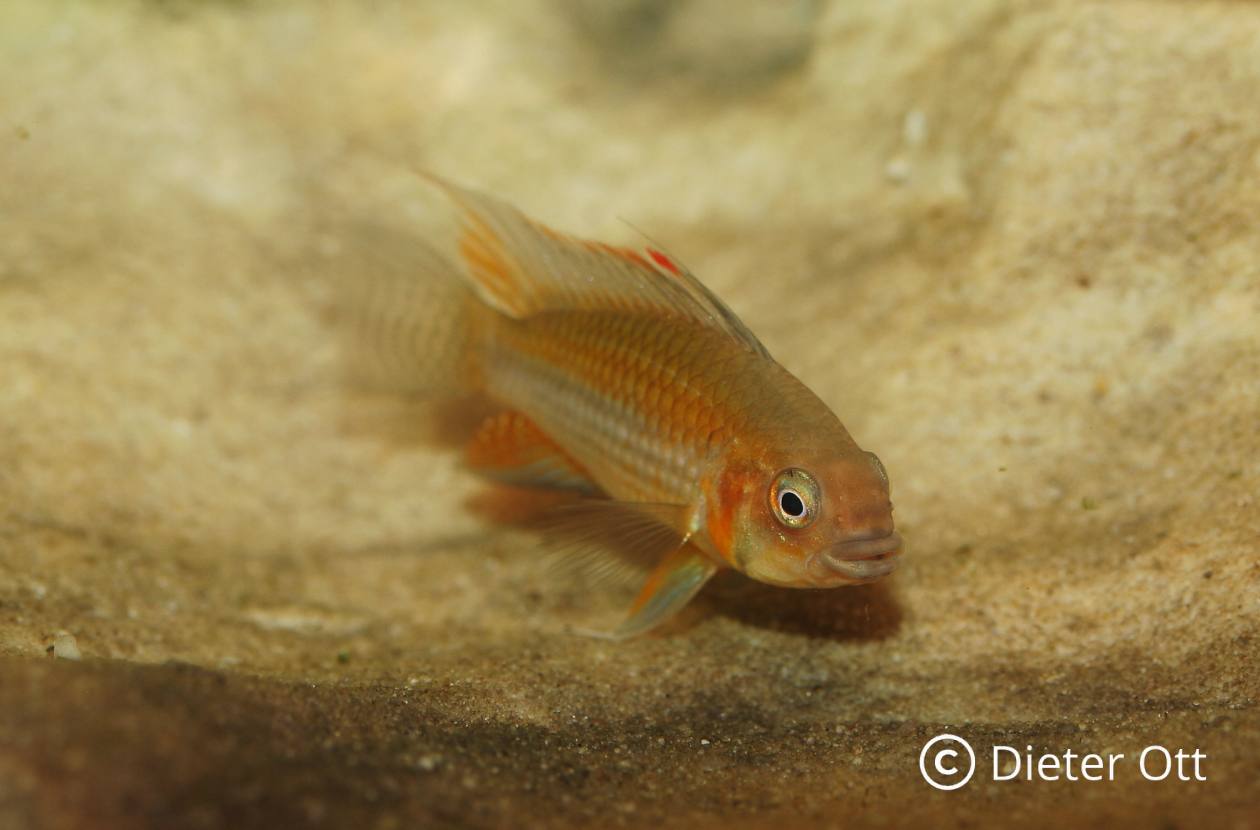
Few colors: gray mice
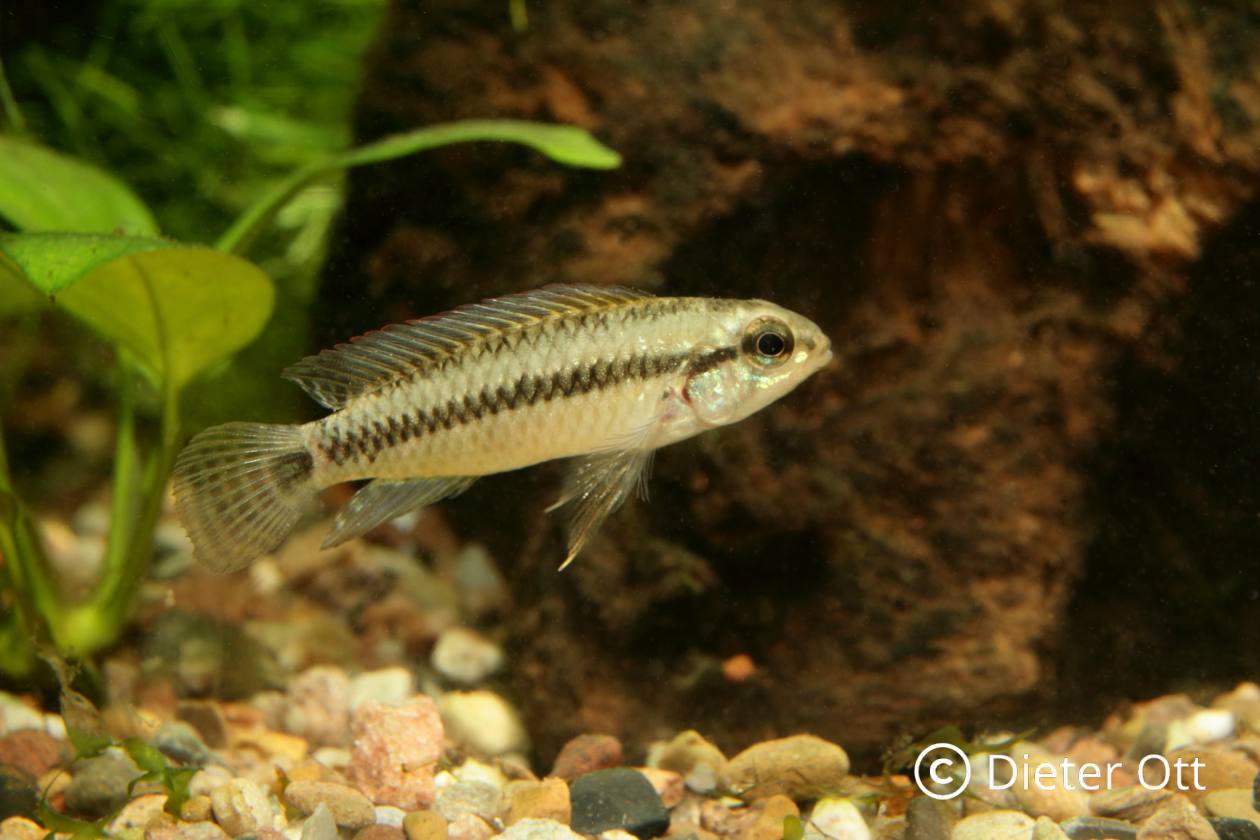
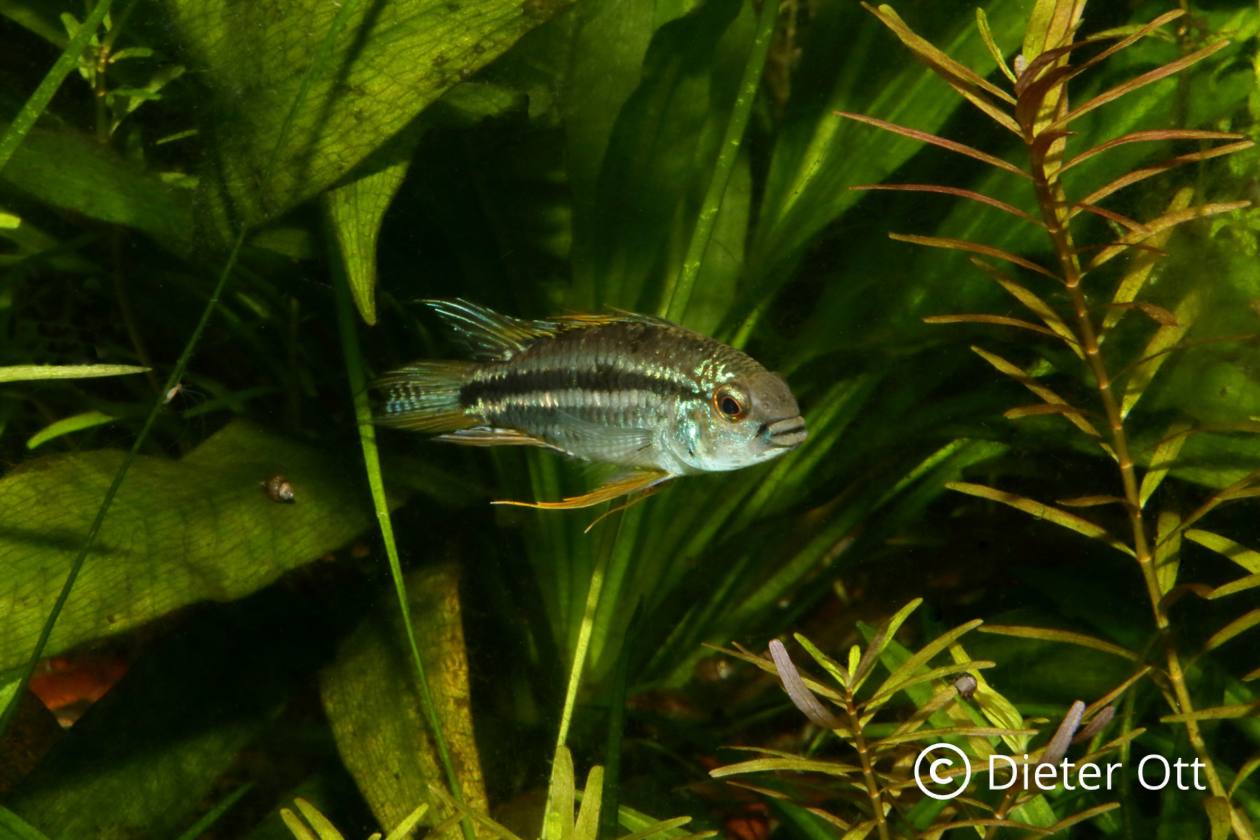
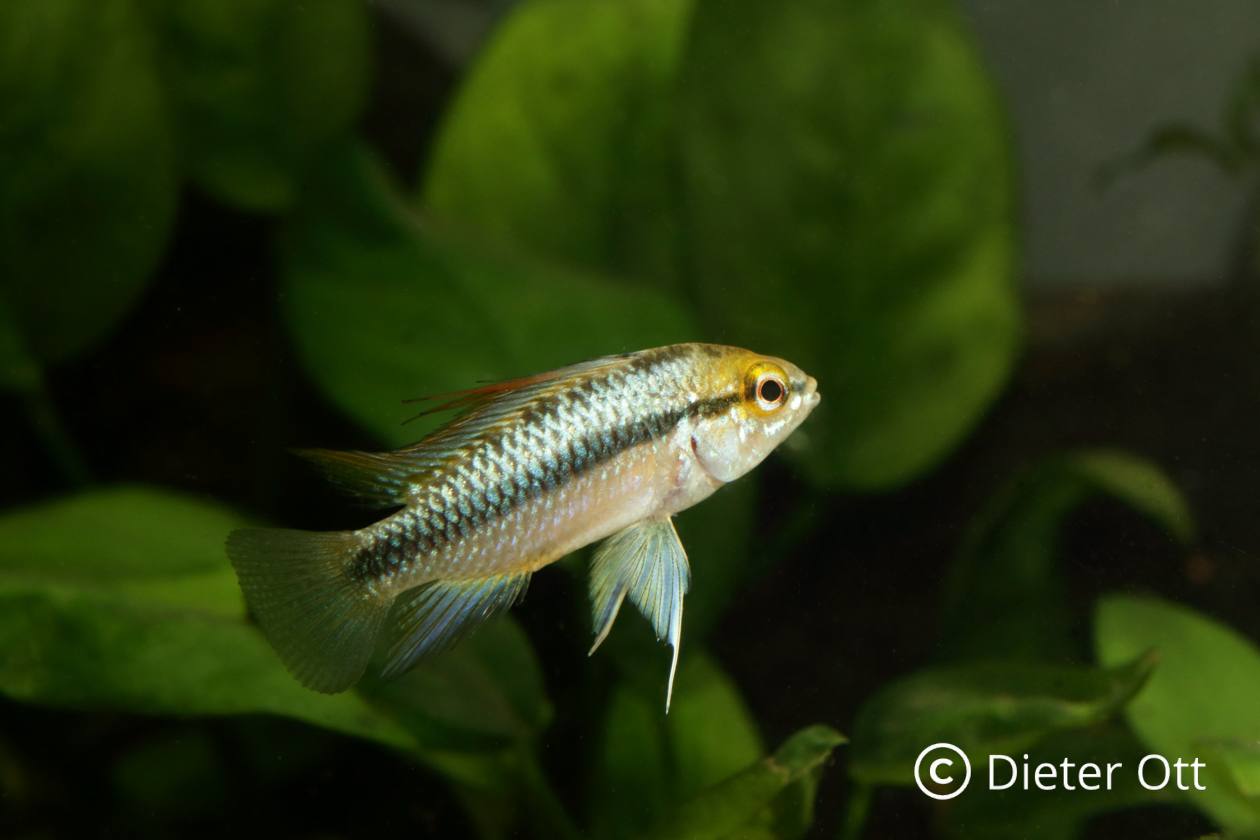
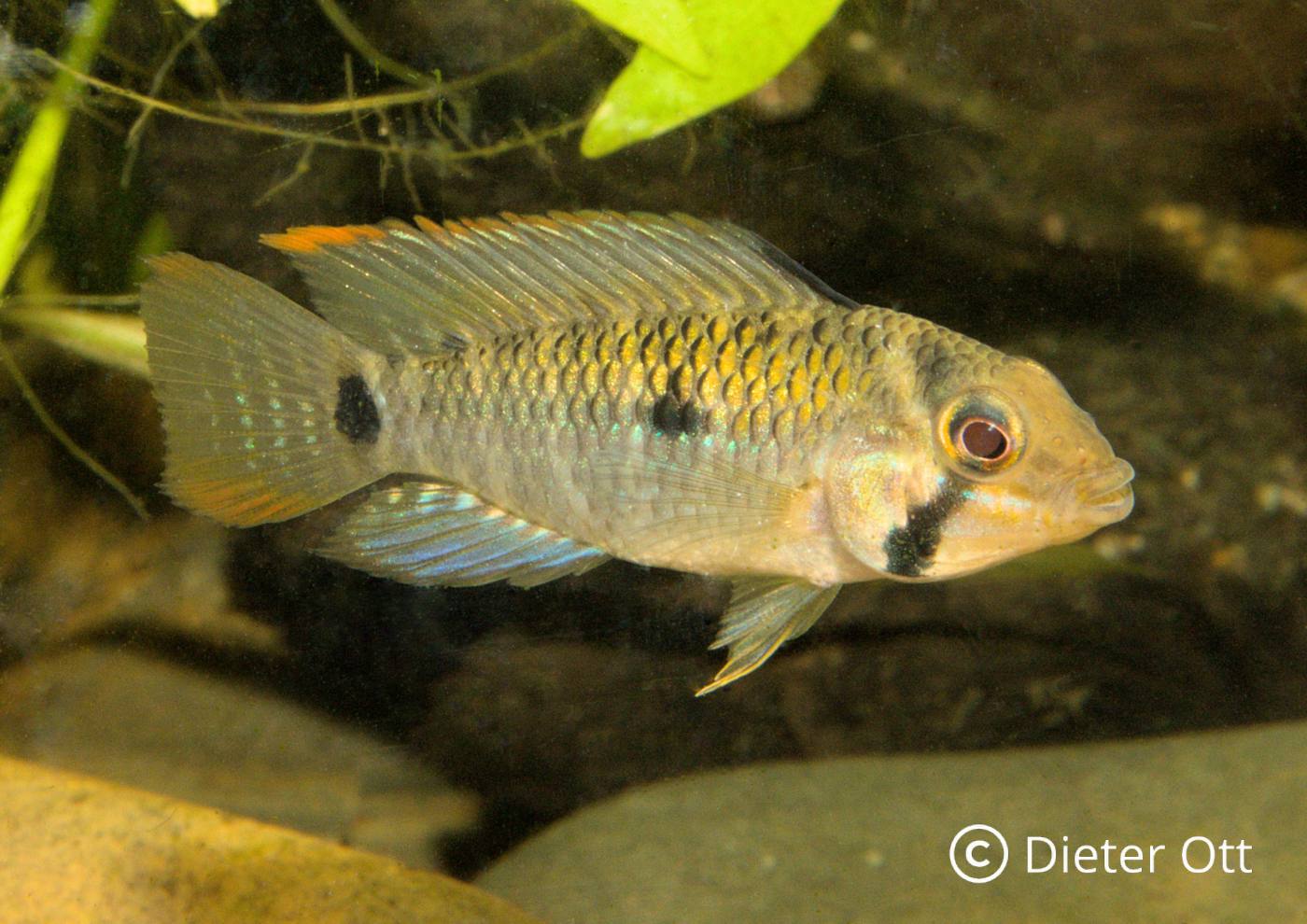
There are a considerable number of Apistogramma species that show few colors. They are often referred to as gray mice, which ultimately corresponds to the truth in some way. The attraction for aquarists to take them into their aquarium lies in their rarity and the prospect of a largely unknown breeding process.
Therefore, color patterns play no role. In these species, only the pattern of spots changes, with females of course deserving special attention.
But it is exciting to observe how long the young need to hatch from the egg, whether they are transferred to hollows created by the parents, and when they begin to swim freely and what signals they follow the mother. I could elaborate on these questions further, but you surely understand what I mean.
They are interesting fish with most questions still open. And just because aquarists have observed and described them, does not mean that other fish of the same species cannot breed differently. What complicates matters is that many of these species are considered difficult to breed due to their water parameter requirements.
“Gray mice” are not available in pet stores. When searching for them, visiting a fish fair or breeder is more promising. Example:
Apistogramma inornata (Staeck, 2003)
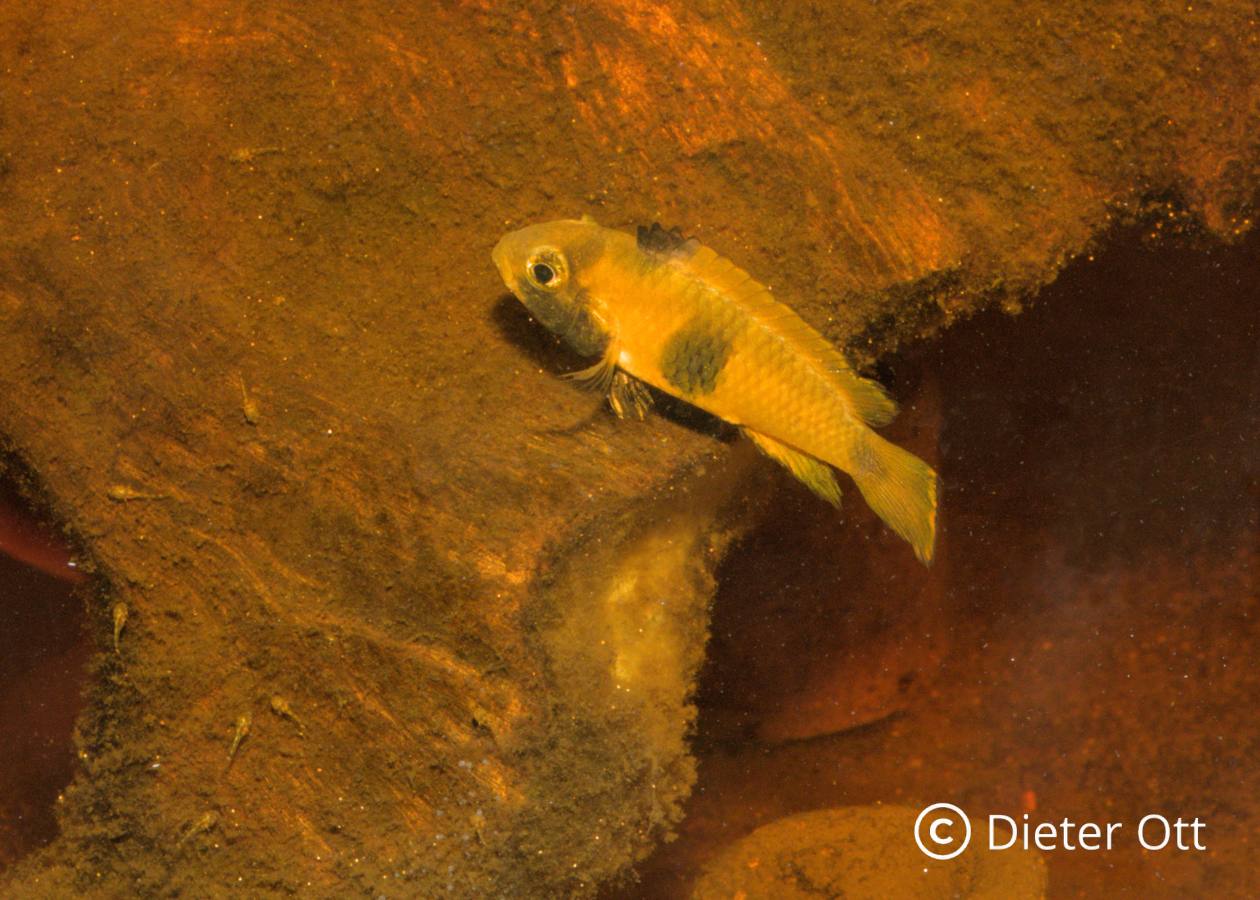
The species was described from a temporary water pond in the basin of the Maniapure River in the Venezuelan state of Bolívar. The fish inhabit clusters of fallen leaves and shore vegetation in shallow waters with slow currents.
While they were depicted in the first description with low intraspecific aggression, they have proven to be very combative in my aquarium. I was left with no choice but to move the relatively small fish to a larger tank for calming. The species places high demands on water values for breeding.
From the pet store's offer
Apistogramma baenschi (Römer et al., 2004)
The type material of the species was found in Peru in the Hualaga River system in a small rainforest stream in the lower course of the Shanushi River. Its occurrence seems to be limited to this river system.
The species has been kept by me without problems in rainwater at temperatures around 22 °C. This cannot be expected otherwise given its occurrence in the cooler forest water. In shallow water sections, they find sufficient hiding places in fallen leaves and among driftwood.
I leave pairs together for a longer time, as they are only slightly aggressive towards each other. However, I have noticed that before re-breeding, they engage in extensive battles. It seems that finding a partner involves mutual examination of suitability.
Apistogramma bitaeniata (Pellegrin, 1936)
This species is widely distributed in the Amazon basin. It is found in black waters in Peru and also in neighboring areas in Brazil, such as Igarapé Preto and Lago Tefé. The latter has recently been in the news due to dead freshwater dolphins.
There are several color forms that can be easily bred in aquariums. Very soft water and higher temperatures are needed for breeding.
Apistogramma hongsloi (Kullander, 1979)
The species is found in the basins of the Vichada and Meta rivers in Colombia and the middle course of the Orinoco River between Puerto Ayacucho and the lower course of the Caura River in Venezuela.
I successfully bred it in my tap water at temperatures around 22 °C very easily. It is recommended that in smaller aquariums, the male be removed after breeding.
Apistogramma macmasteri (Kullander, 1979)
The species is reported from Colombia from the area around Villavicencio. The animals have been bred. So now only fish with pronounced red proportions are found in stores.
Breeding corresponds to the requirements of Apistogramma hongsloi.
Apistogramma nijsseni (Kullander, 1979)
The species was first caught in October 1977 in Peru (Loreto) in a shallow mountainous area of the R. Ucayali system, 15 km from Jenaro Herrera P. de Rham. It compared the local waters with more or less colored black water, as found in red-brown color in Ganauy.
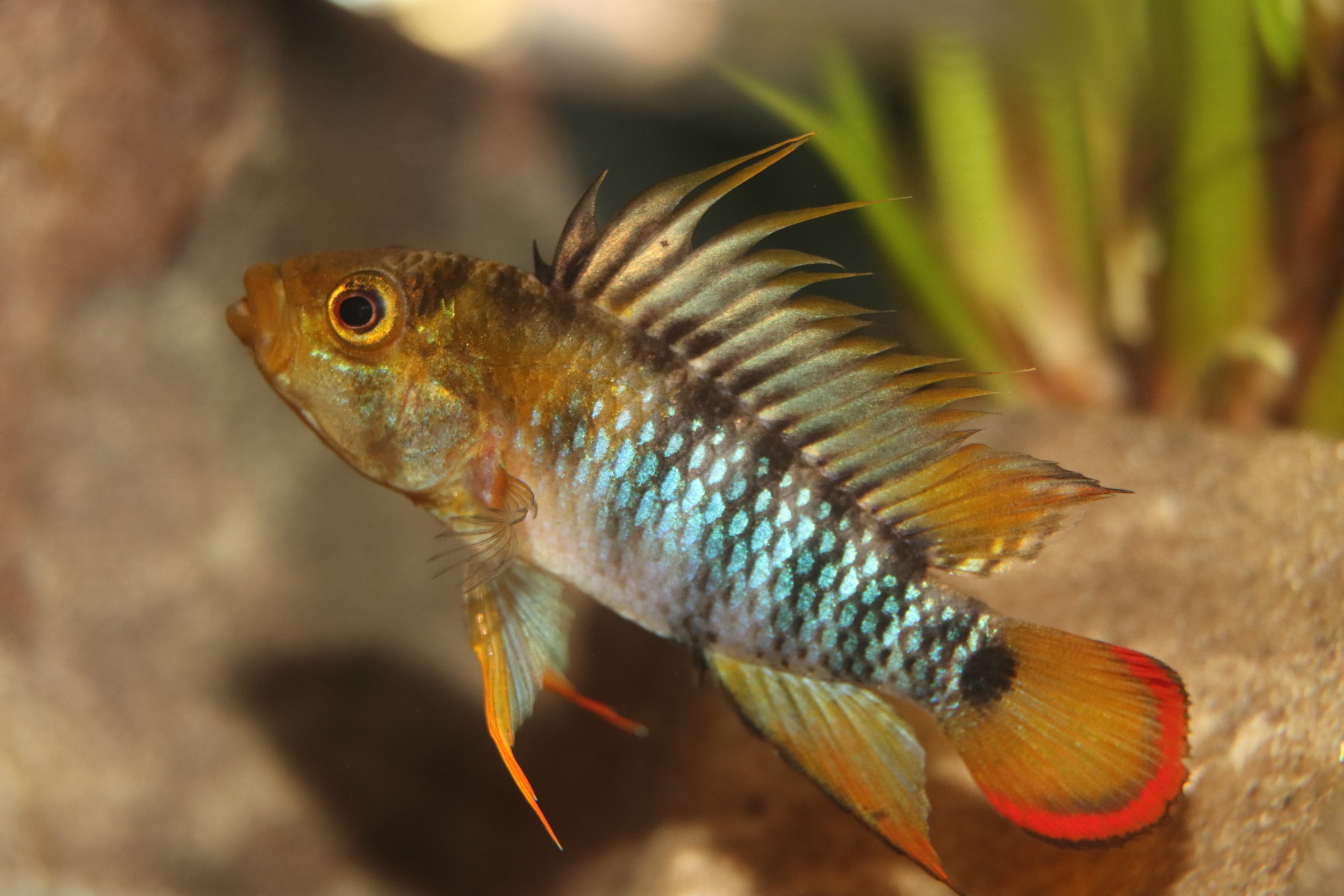
The species immediately aroused great interest among aquarists, as its color with a striking red stripe on the outer edge of the tail fin and the spotted pattern of the female completely stood out from the framework of previously known species. Of course, further collections followed a few years later. Meanwhile, the species has become a standard offering in pet stores.
The habitat of this species suggests that Apistogramma nijsseni is very well suited for aquarium breeding. The animals were found in water with low lighting and without vegetation. The species sought shelter in clusters of leaves, in branches, and under roots extending from the shore. The only substrate on which they could attach their eggs was of plant origin, consisting of roots or driftwood.
Apistogramma panduro (Römer, 1997)
This species belongs to the gradually discovered species that have been classified into the so-called Apistogramma nijsseni group due to its striking red stripe on the outer edge of the tail fin. It can easily be distinguished from the relatively similar Apistogramma nijsseni by the expanded spot at the base of the tail, which in Apistogramma panduro begins far before the actual base of the tail and expands to the tail fin. Even these females exhibit a typically different breeding dress, which seems to be very variable.
We do not know anything precise about the habitat. One of the discoverers is quoted referring to a small forest stream on both sides of the road from Jenaro Herrera eastward at kilometers 27 and 28 to the Brazilian border. Due to the lack of detailed data, it is uncertain whether the conditions found at Apistogramma nijsseni at kilometer 15 can be transferred without problems. For me, Apistogramma panduro has proven to be more demanding in breeding. Without water with conductivity below 100 µS/cm and temperatures close to 25 °C, no tank develops.
Apistogramma trifasciata (Eigenmann & Kennedy, 1903)
The species is widely distributed and found in Argentina, Bolivia, Paraguay, and Brazil in the basins of the Paraguay River and the Guaporé River.
The fish do well in moderately hard water. In breeding, the animals vary. My successes in tap water were only moderate, so now I only return to rainwater. I do not consider temperature experiments in a low range meaningful for fish without precise locality. In addition, successes in reproduction can only be expected in higher ranges. For me, room heating was sufficient. The sex ratio was significantly shifted towards females.
Apistogramma steindachneri (Regan, 1908)
was one of my first species with which I delved deeper into the Apistogramma scene. However, my interest in the genus has been longer (Ott, 1966).
The species originates from the drainage areas of Essequibo, Demerara, and Mahaica, as well as from the area between Marowijne and Corantijn in Guyana.
During breeding, the species surprised me with varying aggression, without any external cause being identifiable.
It seems to me that individually differently aggressive fish can also be found in other Apistogramma species. I pointed out such a case in my book on Aphyosemion species regarding Diapteron fulgens. In any case, it seems reasonable to observe the fish after their placement. For me, Apistogramma steindachneri now swims as a pair in 200 l of water. The male constantly attacks the female if she is not obviously sexually mature. Then he intensively tries to court her. Softer water is beneficial for this species.
The final part will be published in a week. Don't miss out on information about diseases, propagation tips, and most importantly, the best diet for them.
Literature:
- Amlacher, E. (1958): Diseases of ornamental fish. 3. Continuation. II. Special part (individual fish diseases). – AT 5(10): October: 292–296.
- Bone, Q. & Marshall, N. B. (1985): Biology of fish. Fischer, Stuttgart, New York. 236 pages.
- Bremer, H. (1993): Water and food. Two fundamental pillars of cichlid care. – Buntbarsch-Jahrbuch: 86–95.
- Bremer, H. (1997): Healthy feeding of aquarium fish. – Verlag Eugen Ulmer GmbH & Co., Stuttgart. 191 pages.
- Fiedler, K. (1991): Fish. In: Starck, D. (Ed.): Textbook of special zoology. Volume II: Vertebrates. Part 2: Fish. Gustav Fischer Verlag, Jena. 498 pages.
- Hättich, F. & Römer, U. (2018): Apistogramma sp. “Rautenband” – A new aquaristic dwarf cichlid from the Rio Vaupés basin. – DCG-Information 49 (2): 32–41.
- Kullander, S. O. (1989): Biotoecus Eigenmann and Kennedy (Teleostei: Cichlidae): description of a new species from the Orinoco basin and revised diagnosis of the genus. – Journal of Natural History, 23: 225–260 (not viewed).
- Linke, H. & Staeck, W. (1984): American cichlids I. Small cichlids. – Tetra Verlag, Melle. 194 pages.
- Lüling, K. H. (1977): Fish with bony tongues. – A. Ziemsen Verlag. 104 pages.
- McMaster, M. (1977): On the hobby species Apistogramma. – Buntbarsche Bulletin (60): 3–10.
- Ott, D. (1966): Apistogramma taeniatum. – DATZ 19(2): 7–9.
- Ott, D. (2023): Around the dancing so-called Yellow Dwarf Cichlid, Apistogramma borellii (Regan, 1906). – DCG-I 54(2): 30–35.
- Römer, U. (1998): Atlas of cichlids: Natural history of dwarf cichlids of South America. Volume 1. – Mergus Verlag GmbH, Melle. 1311 pages.
- Staeck, W. (2003): South American dwarf cichlids. Cichlid lexicon, part 3. – Dähne Verlag GmbH, Ettlingen. 219 pages.
- Ziemek, H.-P. (2011): Interstitial fauna and flora. Sand and gravel… delicious! – DATZ 64(8): 31–33.