

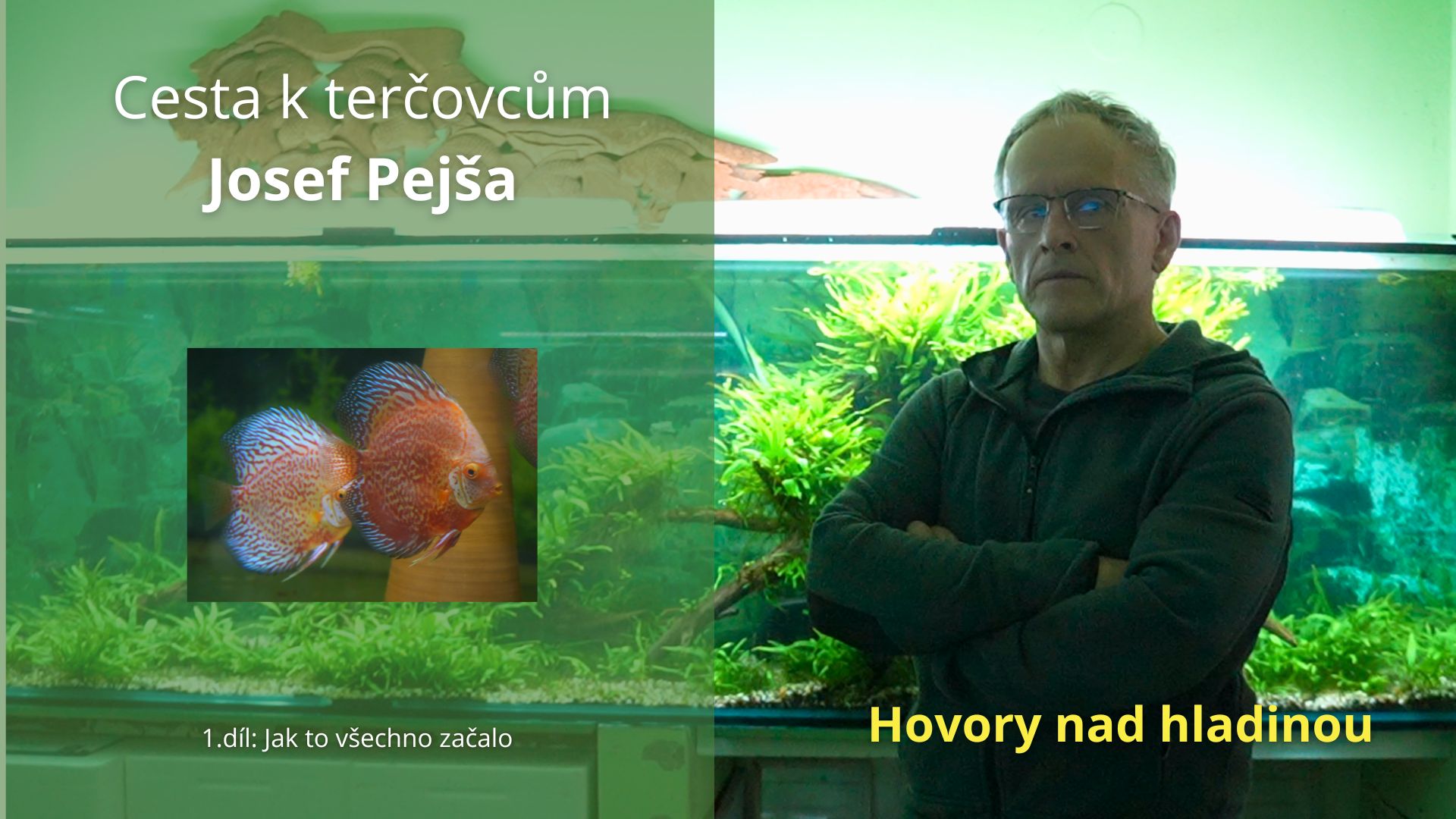

Josef Pejša: The Legend of (not only) Czech Breeding of Discus Fish | Conversations Above the Surface
Today's aquarists have technology that their predecessors could only dream of. Yet it was precisely during times of scarcity, when tanks were made from pickle jars and fish were smuggled across borders in windshield washer tanks, that the greatest breeding legends were born. One of them is Josef Pejša. In our interview, he will take us on a fascinating journey from the first guppies in five-liter "element tanks" to absolute victory in the royal discipline – breeding discus fish. How does a world success arise from pure improvisation and a lifelong passion?
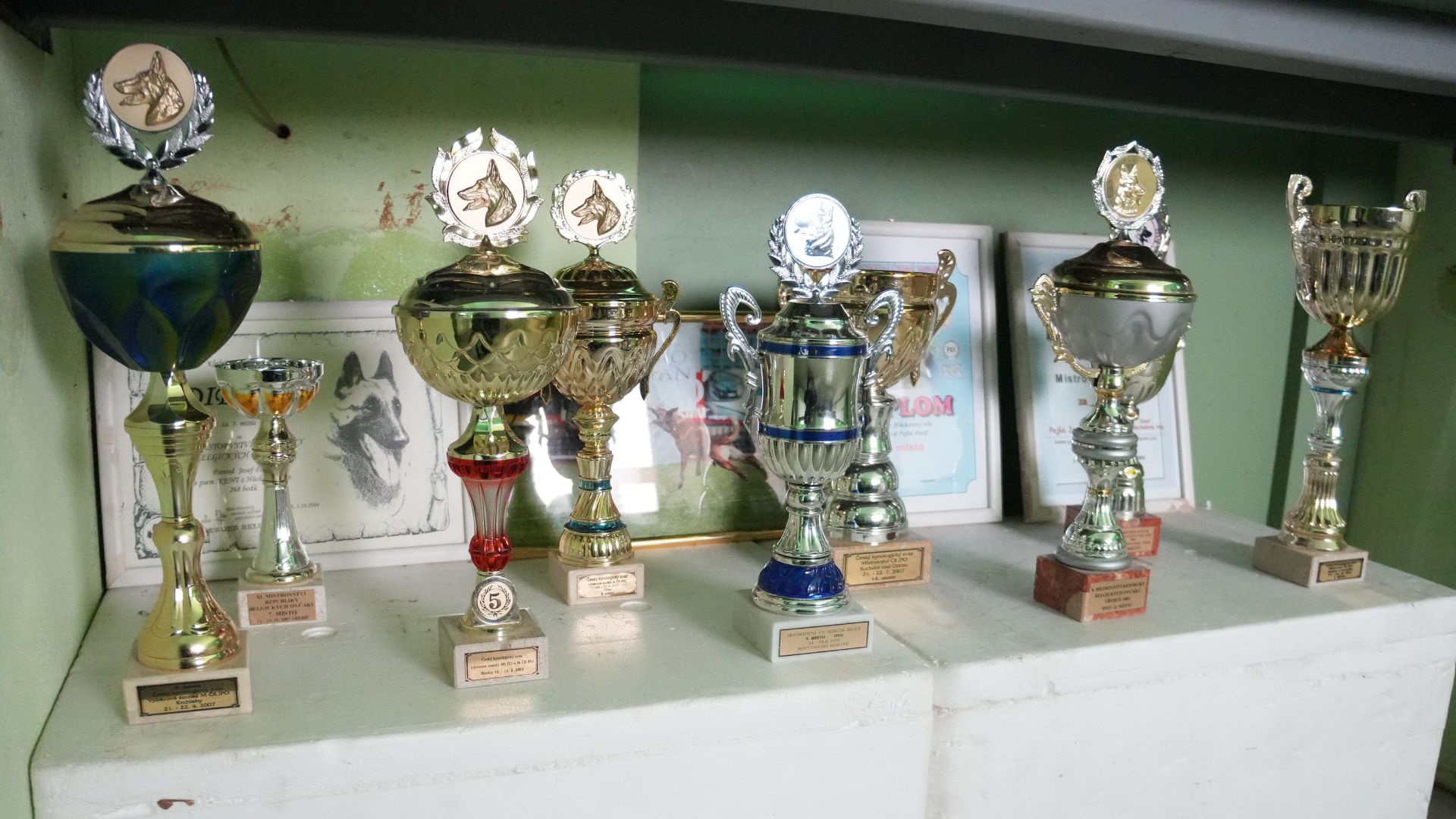
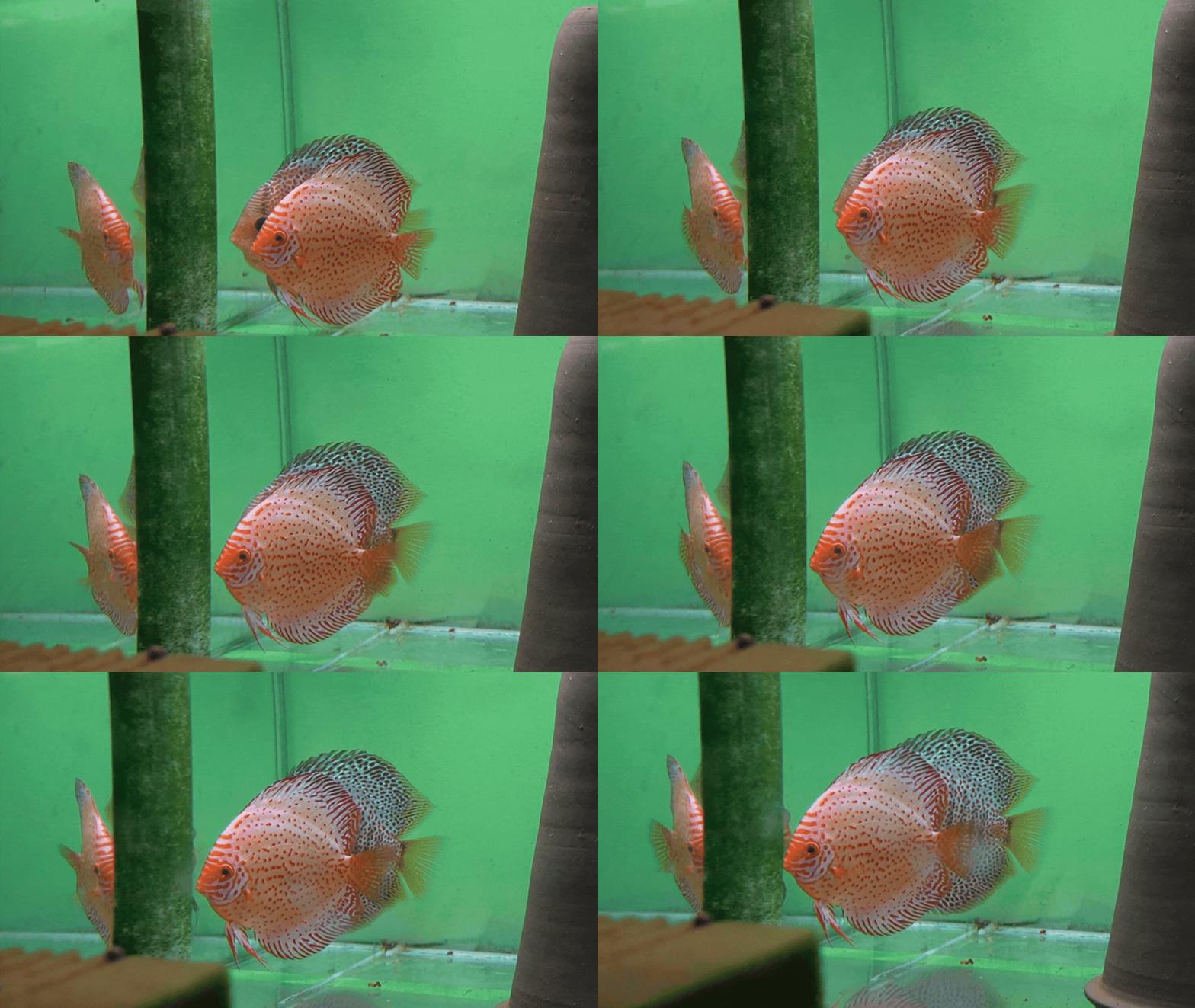
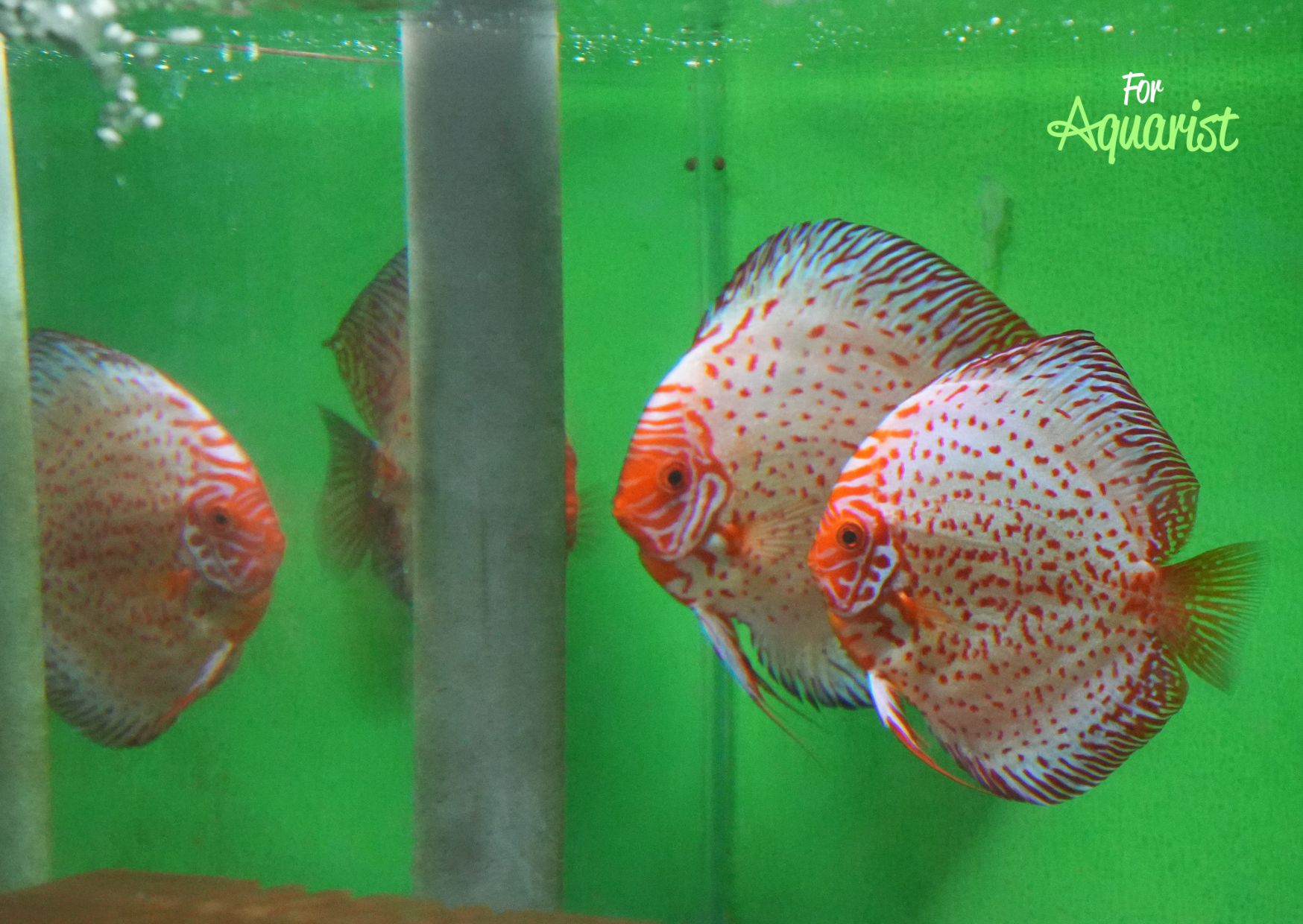
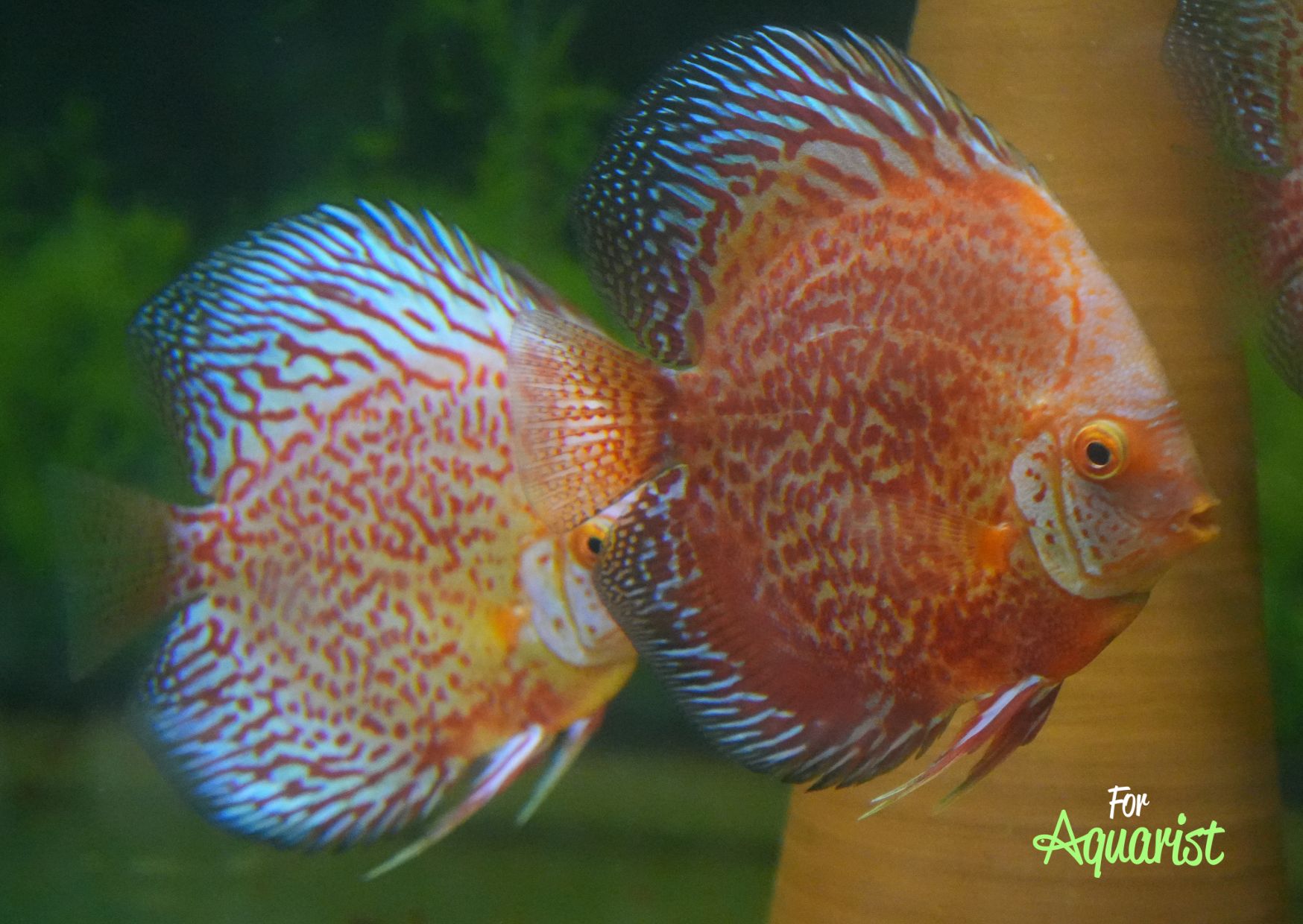
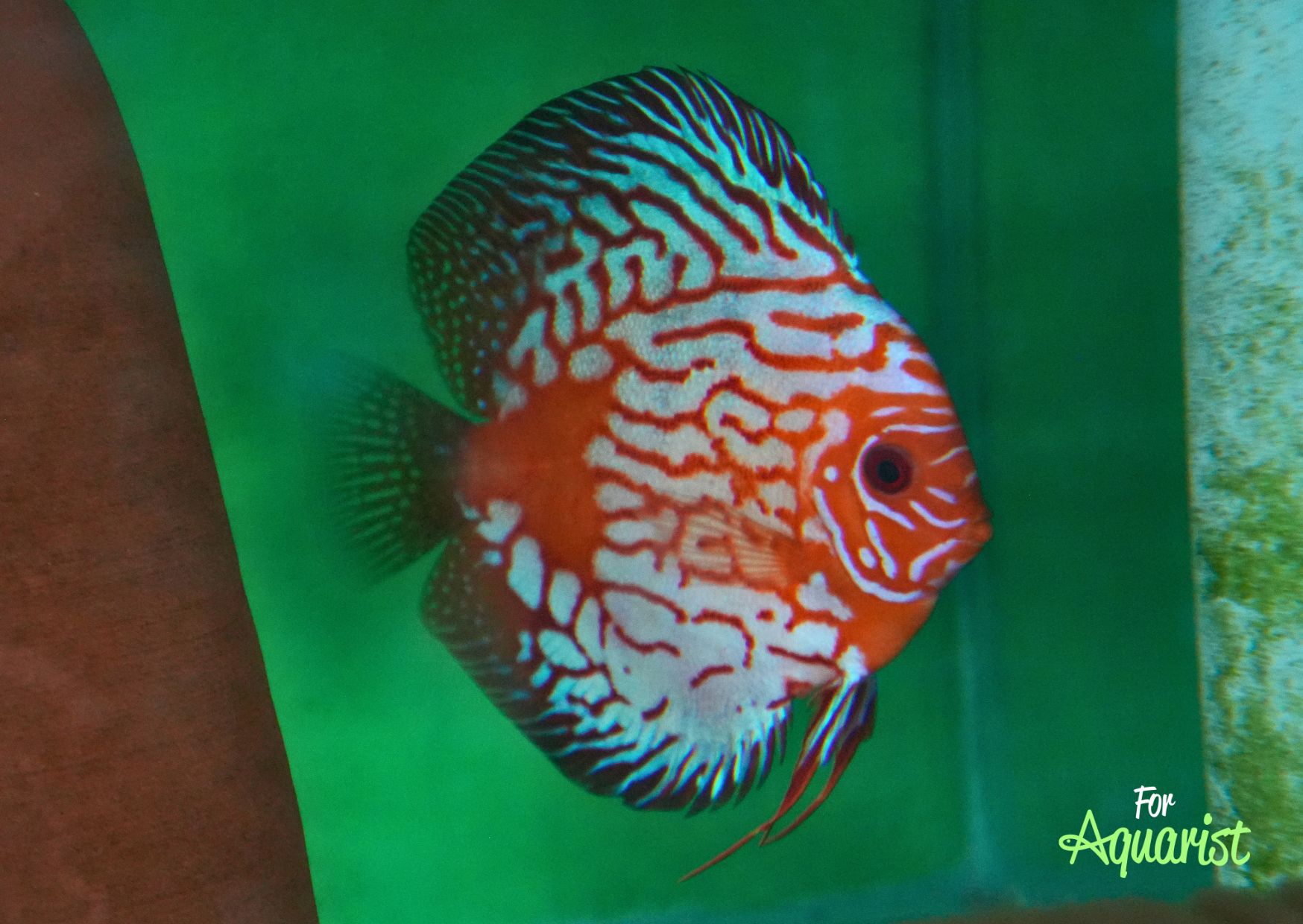
In the next part of the series "Conversations Above the Surface," we welcomed a personality who needs no lengthy introduction in Czech aquaristic circles. Josef Pejša is a man of many talents – from sports dog training through the breeding of ornamental birds to the breeding of racing pigeons. However, his heart and lifelong passion primarily belong to aquaristics and the "royal discipline": breeding of discus fish (Symphysodon).
Time travel: Ingenuity above gold
Today's generation of aquarists, accustomed to top-notch technology and custom-made glued aquariums, can hardly imagine the conditions in which Mr. Pejša began. His first experience with guppies came at the age of five. However, the market at that time offered almost nothing.
- Lack of tanks: Glass aquariums (so-called elements) with a volume of 5–10 liters were commonly used, which were very fragile, and when damaged, could no longer be repaired.
- Domestic production: Larger tanks were manufactured by welding frame constructions into which glass panels were sealed by the breeders themselves.
- Improvisation with bottles: For breeding livebearers, three-liter pickle bottles were commonly used.
The necks were cut using flame and alcohol string. The edges were then smoothed with sandpaper or protected with rubber tubing,
- Filtration challenges: The absence of effective filtration meant that breeding fish that sifted the bottom (e.g., Central American cichlids) was almost impossible. Additionally, the murky water made them hardly visible.
The path to discus fish through angelfish and East Germany
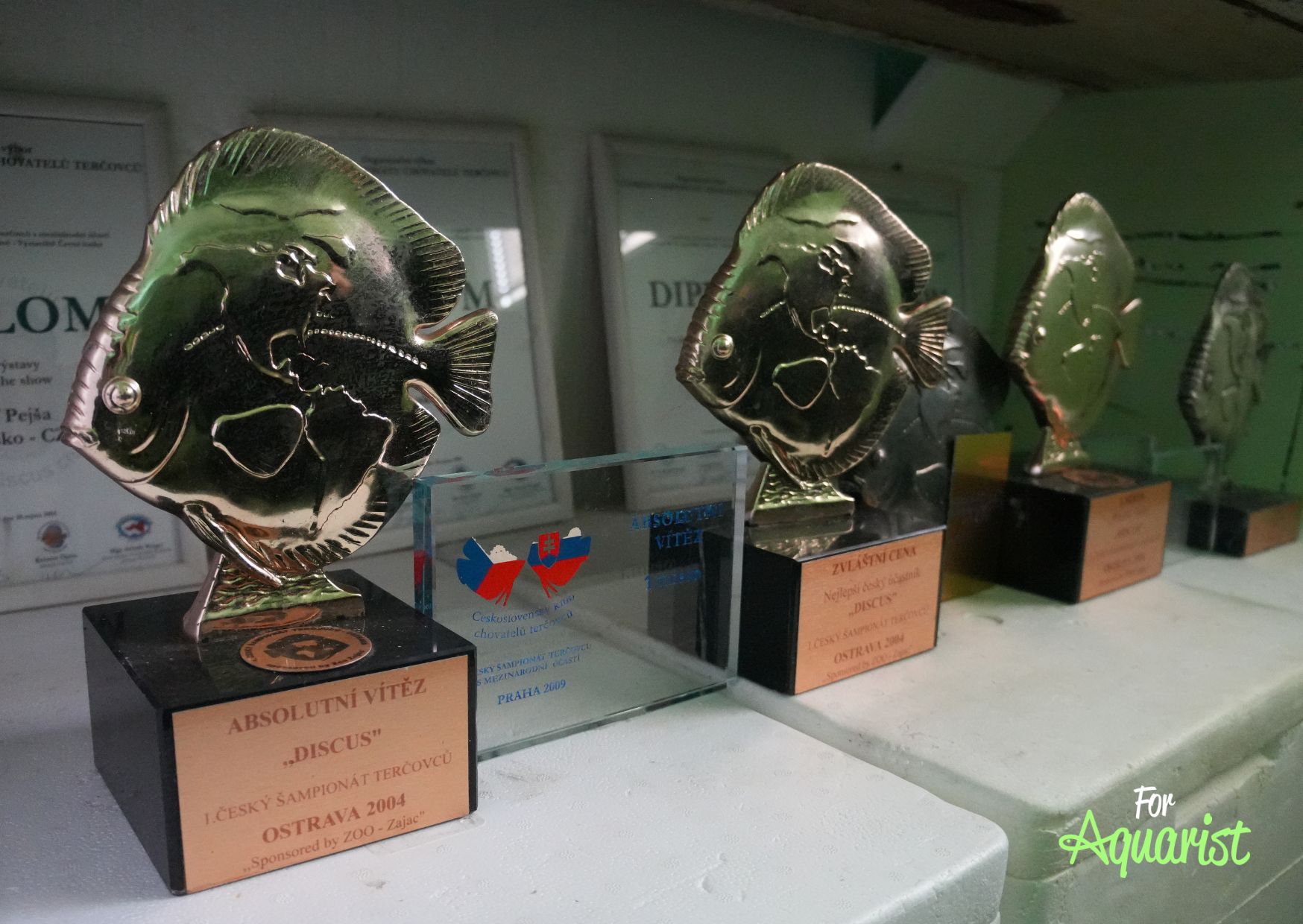
Although today Josef Pejša is a recognized judge and successful competitor who has won the title of absolute winner several times in the Discus category, his first great love was angelfish. Even at the age of 13, he successfully bred them and traveled by train to sell them in pet shops in Tábor or Písek – often just in bags with water "blown up by mouth" instead of oxygen.
The first discus fish began to reach us around 1970 from East Germany. It was indeed an adventurous journey.
Aquarists transported them in water tanks to the borders. When customs officers arrived, they dumped the fish into the canal at the border,
describes the reality of that time, Mr. Pejša. When the import went officially, the fish often did not survive the mandatory quarantine.
The art of breeding: Why are discus fish a "long-distance run"?
In the interview, Mr. Pejša emphasizes the difference between breeding livebearers and discus fish. While with livebearers you can see the results almost immediately due to the quick generational cycle, with discus fish, one generation takes about a year. Today, breeding focuses on:
- Blood refreshing: Using imports from nature to enhance growth capabilities and parental instincts.
- Elimination of inbreeding depression: Mr. Pejša adds
Siblings are practically no longer paired today. This leads to a decrease in fertility and vitality.
- Genetic selection: The first generation (F1) of crossing wild fish and bred forms often looks worse due to the intensified undesired melanin and spots. Stabilizing the form requires years of selection and backcrossing.
Family tradition and the future of the field
Josef Pejša has a relationship with fish in his genes. Both his father and grandfather were professional fishermen and their work in breeding carp left traces in the gene pool, which is still preserved by the research institute today. After years spent managing a fish hatchery, Mr. Pejša smoothly transitioned to professional aquaristics.
Although he tried to lead his children into the field, he states that the passion for aquaristics cannot be enforced.
Today it is rather an exception when someone is so deeply interested in it. A woman in this field still seems a bit exotic
he concludes with a smile.
Did you find the story of the world-renowned discus breeder - Josef Pejša interesting? Follow our portal, we will soon bring more continuation about the secrets of breeding discus fish!