


Hynek Dařbuján, a legend of Czech aquaristics, describes in an open interview his journey to African cichlids, his fascination with Lake Tanganyika, and his professional shift towards challenging marine breeding. Why did he dive in Tanganyika without weights, and what myths about feeding and catching wild fish still circulate among aquarists today? Dive into the story of a man for whom aquaristics is a lifelong challenge and a dream come true.
In the Czech aquarist world, there are few names that have such a ring as Hynek Dařbuján.
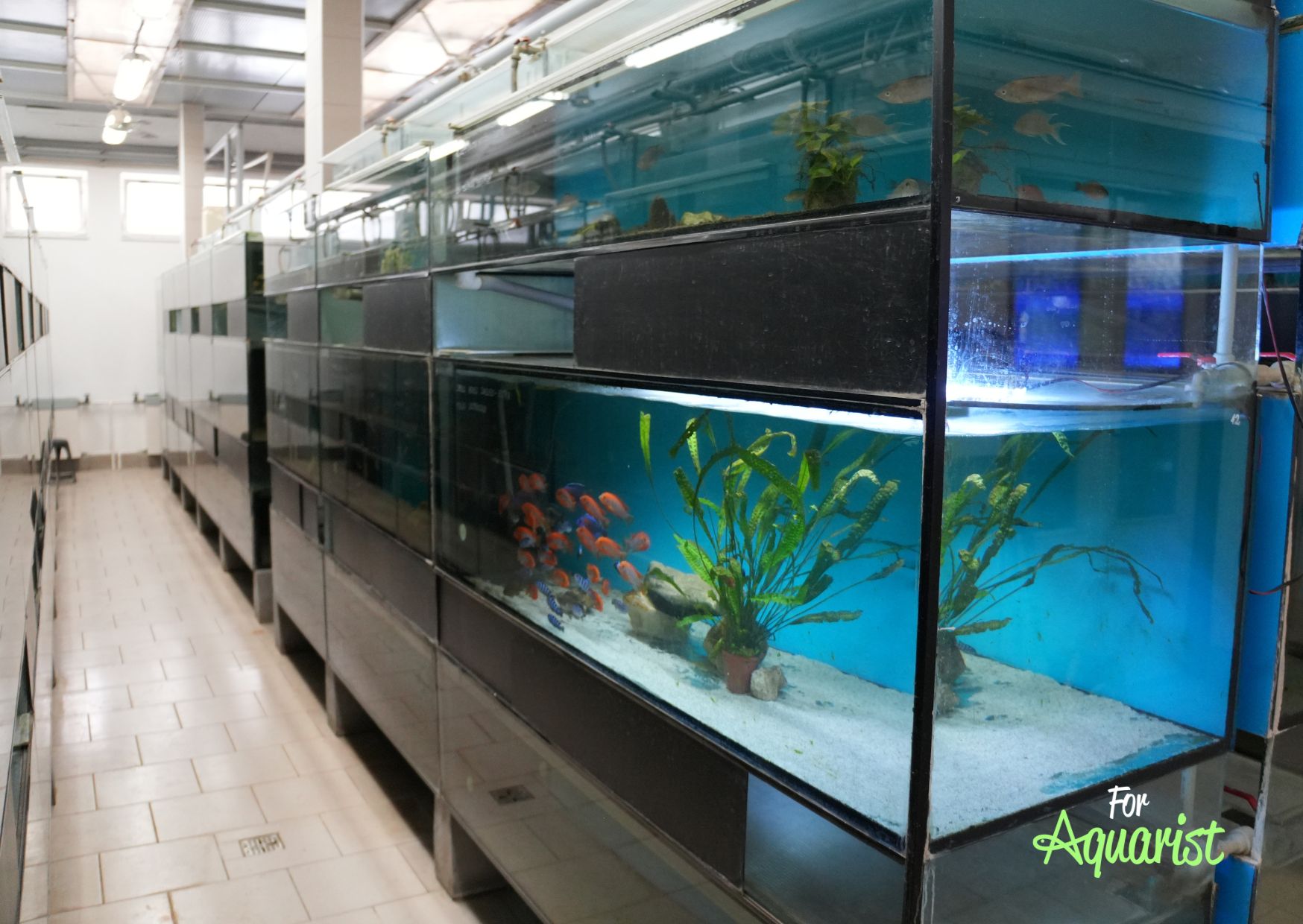
Hynek Dařbuján was at the forefront of breeding African cichlids in Czechoslovakia. He painstakingly acquired fish from Germany across the Iron Curtain. He visited Tanganyika and Malawi and belongs to the absolute top not only in this field but also in the breeding of freshwater rays and in marine aquaristics. In an exclusive interview for ForAquarist, he recalls his beginnings and why Africa is still
a place where everything is possible and nothing is certain.
The beginnings of aquaristics behind the Iron Curtain
The story of Hynek Dařbuján began inconspicuously, with classic aquarium fish such as bettas and angelfish. A turning point came in 1975 when he was enchanted by the first mentions of African cichlids in the already legendary aquarium magazine Akvárium Terárium. However, during the normalization period, nothing was simple.
We were paying for them in untraceable money and smuggling them across the borders
recalls Hynek Dařbuján about the time when, as a student of animal husbandry in Prague, he began to breed cichlids thanks to contacts in East Germany.
Expedition Tanganyika: The Rescue to the Lake
In 2002, he set off for Zambia. There were no organized trips, so chance played a role that time. The journey to the thousand kilometers distant Tanganyika was full of “African specifics.”
To avoid endless checks at checkpoints, they used an original trick - they placed a sign saying “Ambulance” in the car window. They passed through the inspections while saluting.
The actual diving in the lake was not just about beauty, but also about respect.
Tanganyika is gloomy and frightening at a depth of around 20 meters
he describes his descriptions.
The adrenaline dimension of the expedition emphasized the experience when he learned only after the dive that he had narrowly missed one of the largest crocodiles in the area.
Ethics and reality of today's market
While previously Tanganyika was the domain of a few enthusiasts, today fish are being exported massively all over the world. Dařbuján warns in the interview against the uncritical desire for “caught” specimens. According to him, they should serve exclusively to improve breeding lines in the hands of experts, not end up with beginners who simply cannot handle them. Due to stress and mistakes, they often die within a week.
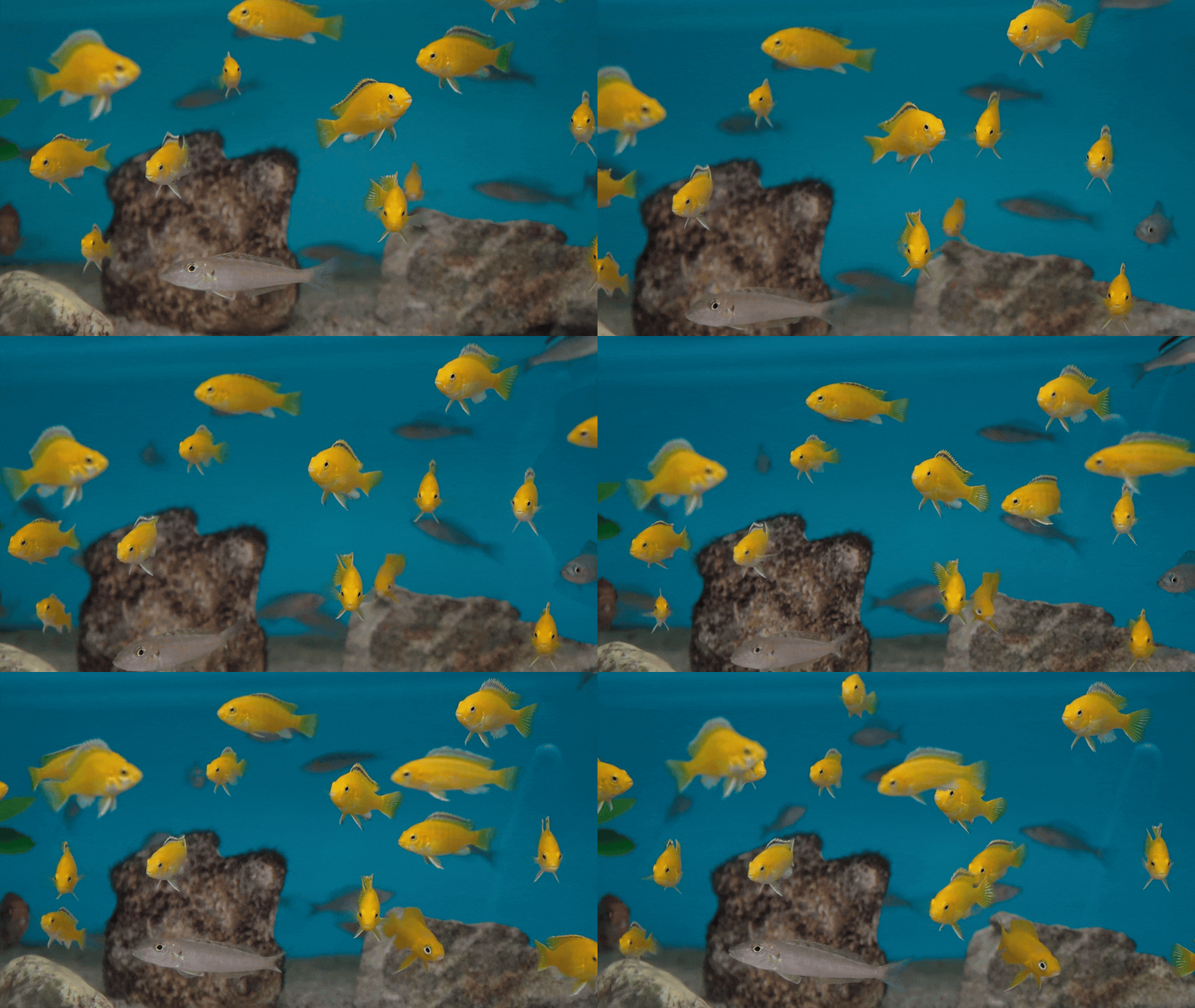
He also points out frequent mistakes in feeding. The myth that cichlids only consume algae and therefore cannot tolerate live food is debunked by experience from nature - in algal-rich habitats, huge amounts of insect larvae and crustaceans naturally occur.
From freshwater to marine fascination
Although Hynek Dařbuján built his company on successes with freshwater cichlids, his current passion is primarily marine aquaristics, which he has been professionally engaged in since the 90s. He became famous, for example, for breeding delicate marine seahorses.
Despite all the expeditions to the Galápagos or Komodo, Tanganyika remains a matter of the heart:
It is an unforgettable experience,
We captured the entire interview on video: