

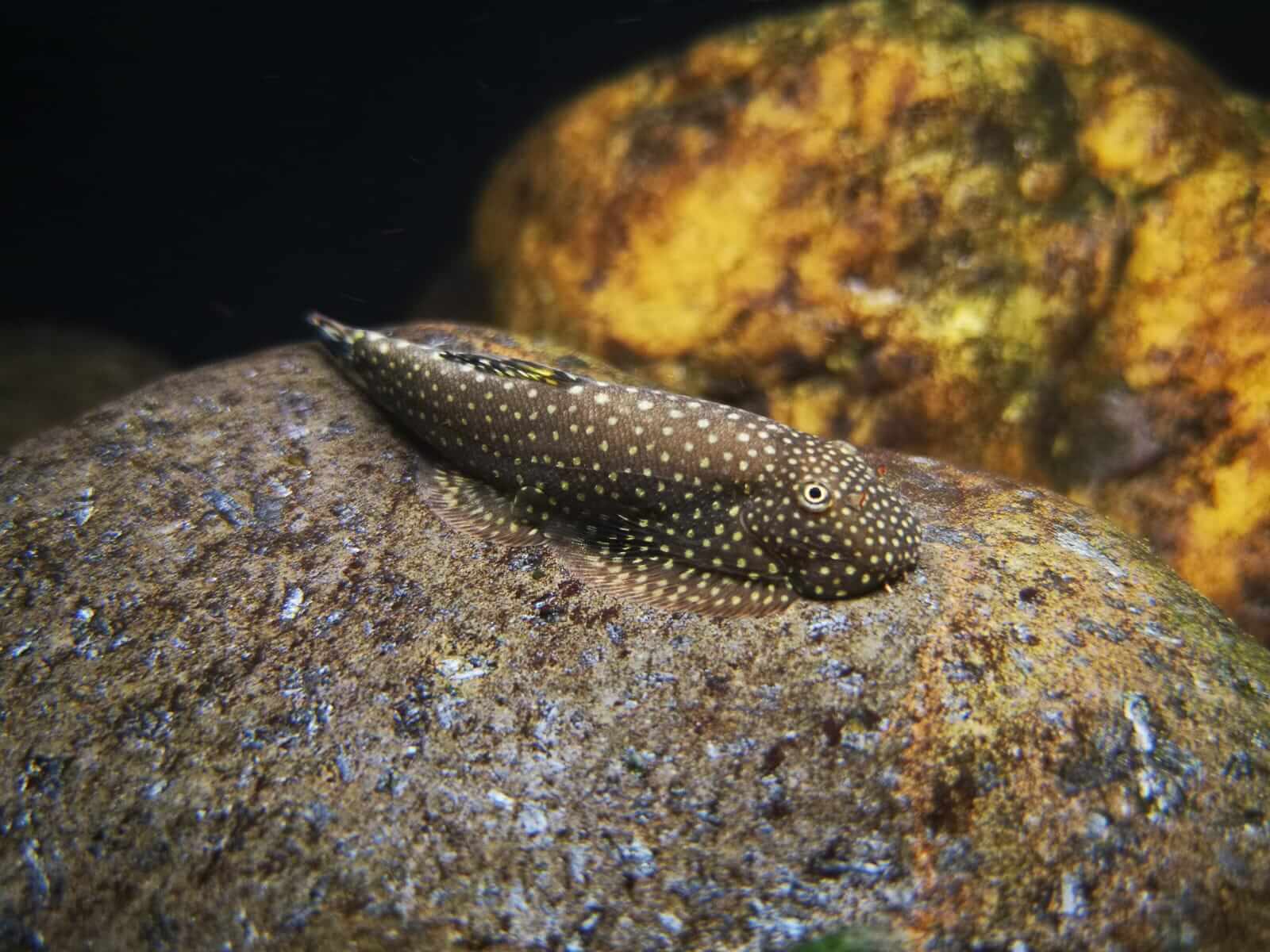
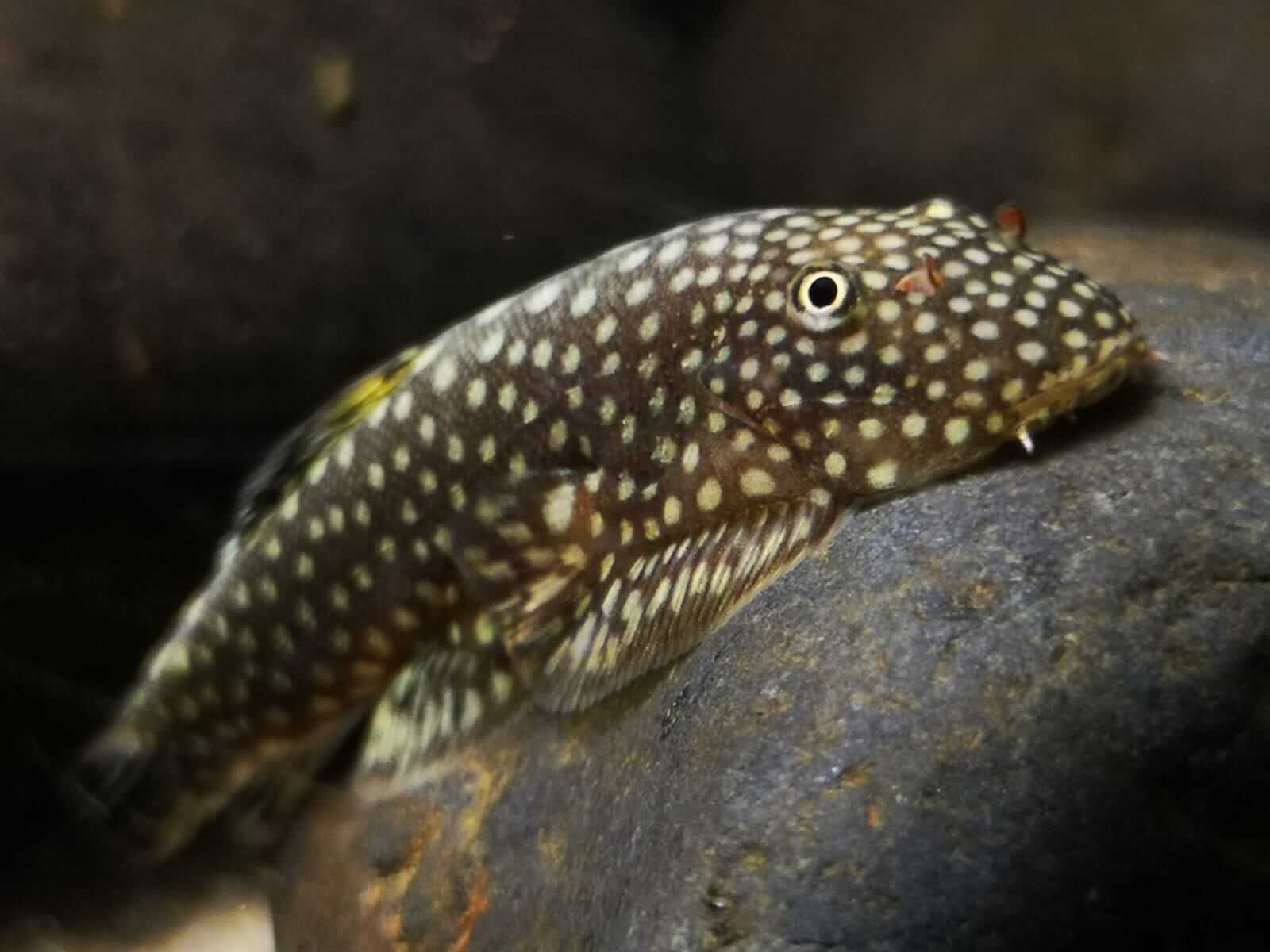
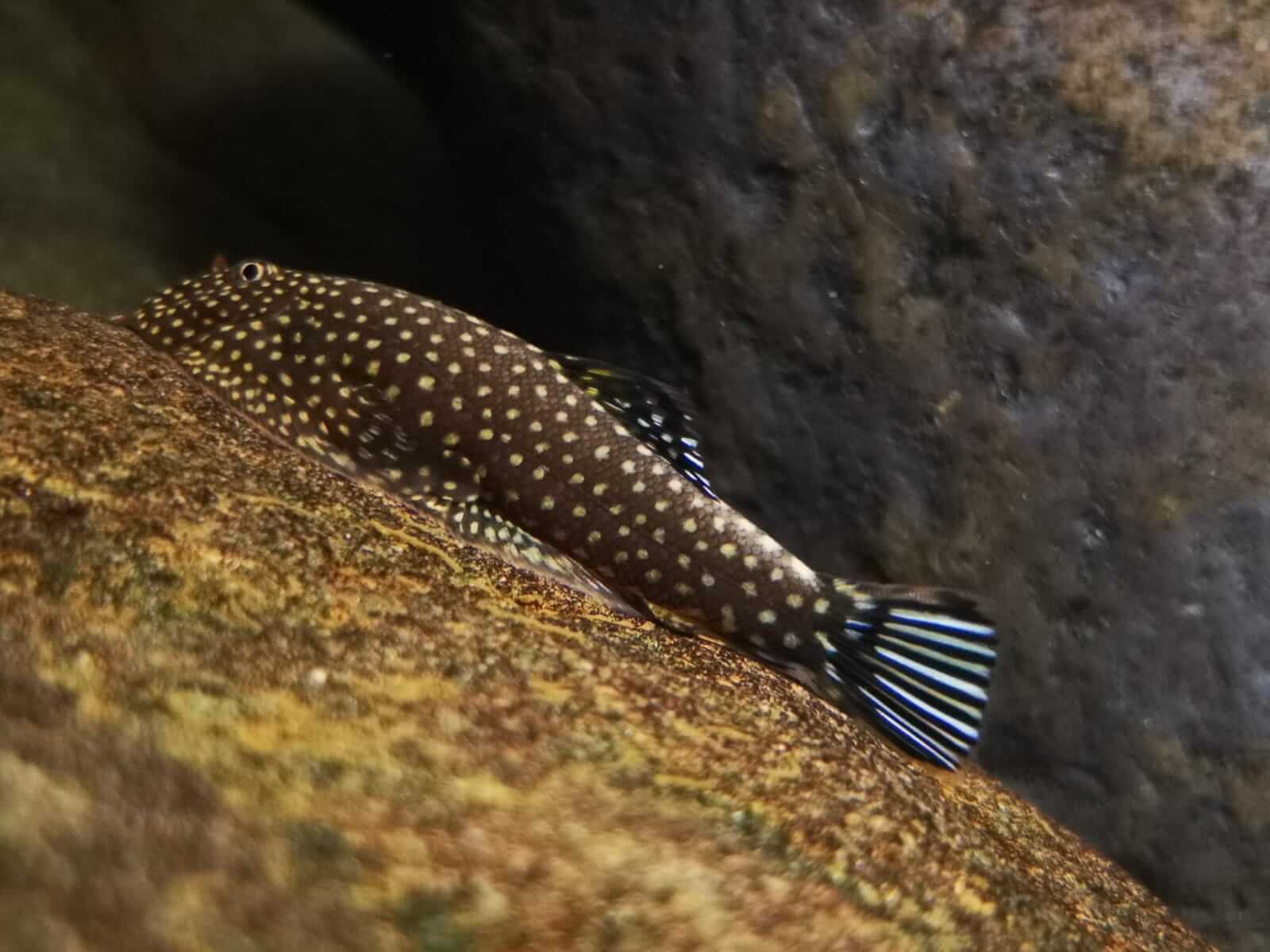
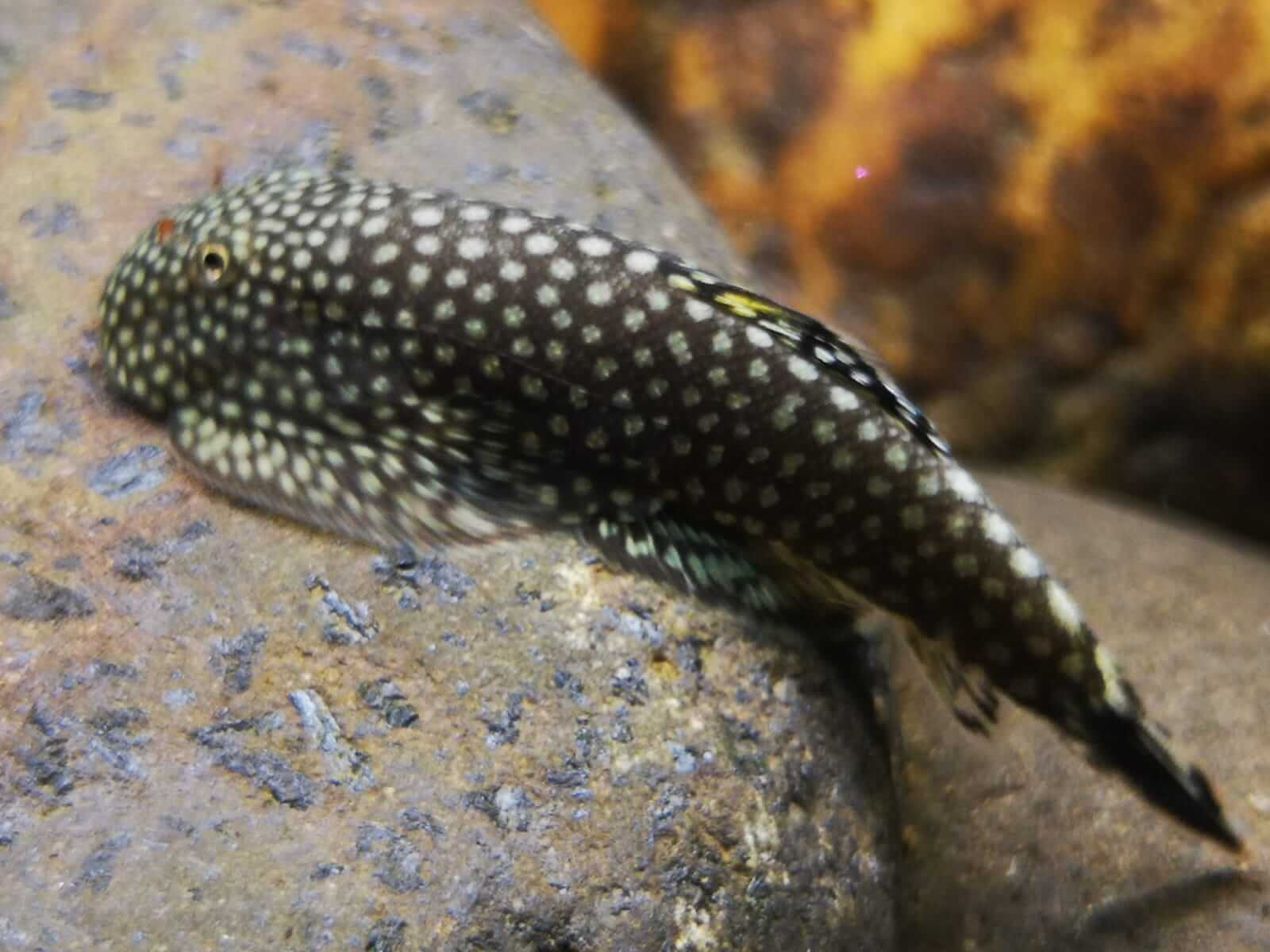
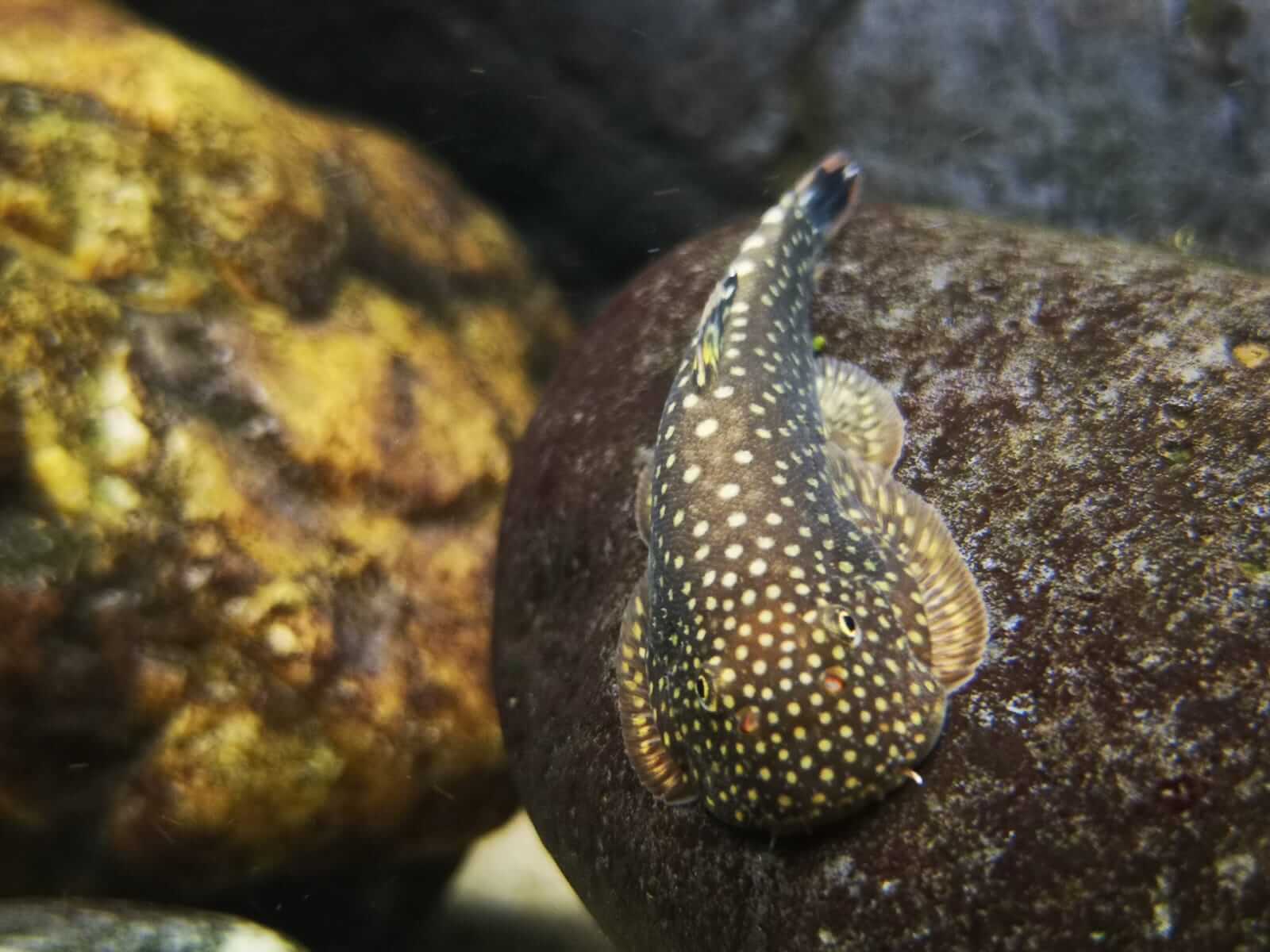
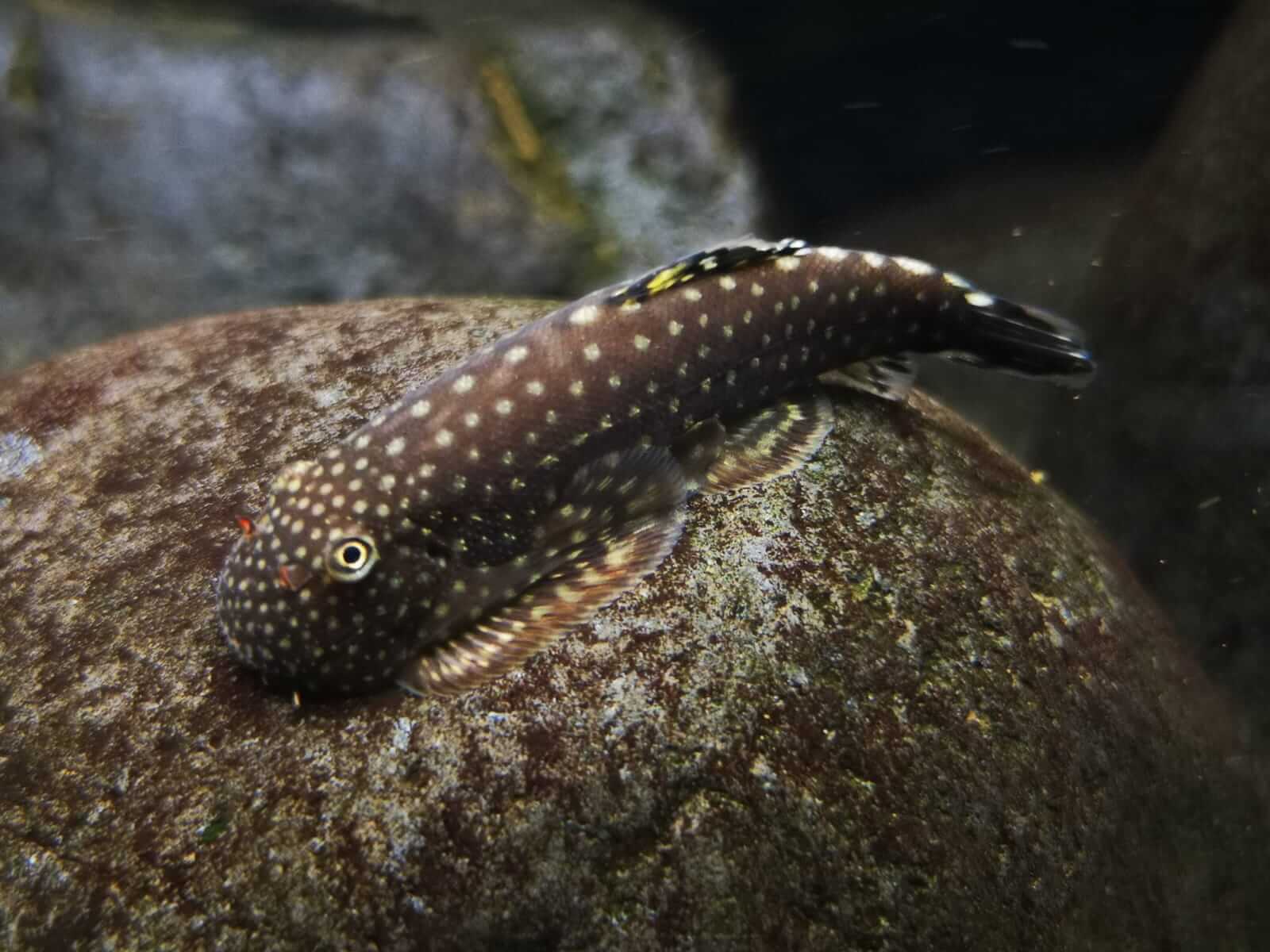


A fascinating fish from the swift streams of Borneo, which has perfectly adapted to life in strong currents due to its sucker-shaped body. Gastromyzon ctenocephalus is an ideal inhabitant of specialized aquariums, where clean, highly oxygenated water and rocks covered with natural algae growth dominate.
This fish is small, habitat-specialized species from the fast-flowing waters of Borneo. It belongs to the most well-known "hillstream loaches" – fish perfectly adapted to life in rapid mountain streams.
Taxonomy
Order: Cypriniformes
Family: Gastromyzontidae
Genus: Gastromyzon
Species: Gastromyzon ctenocephalus
Original Range
This species is endemic to western Borneo, particularly the Sungai Sarawak area in Malaysia. It inhabits mountain and foothill streams with strong currents and rocky bottoms. The stones are covered with a rich biofilm, the bottom is free of sediments, and the water in this habitat is extremely rich in oxygen.
Biological Habits
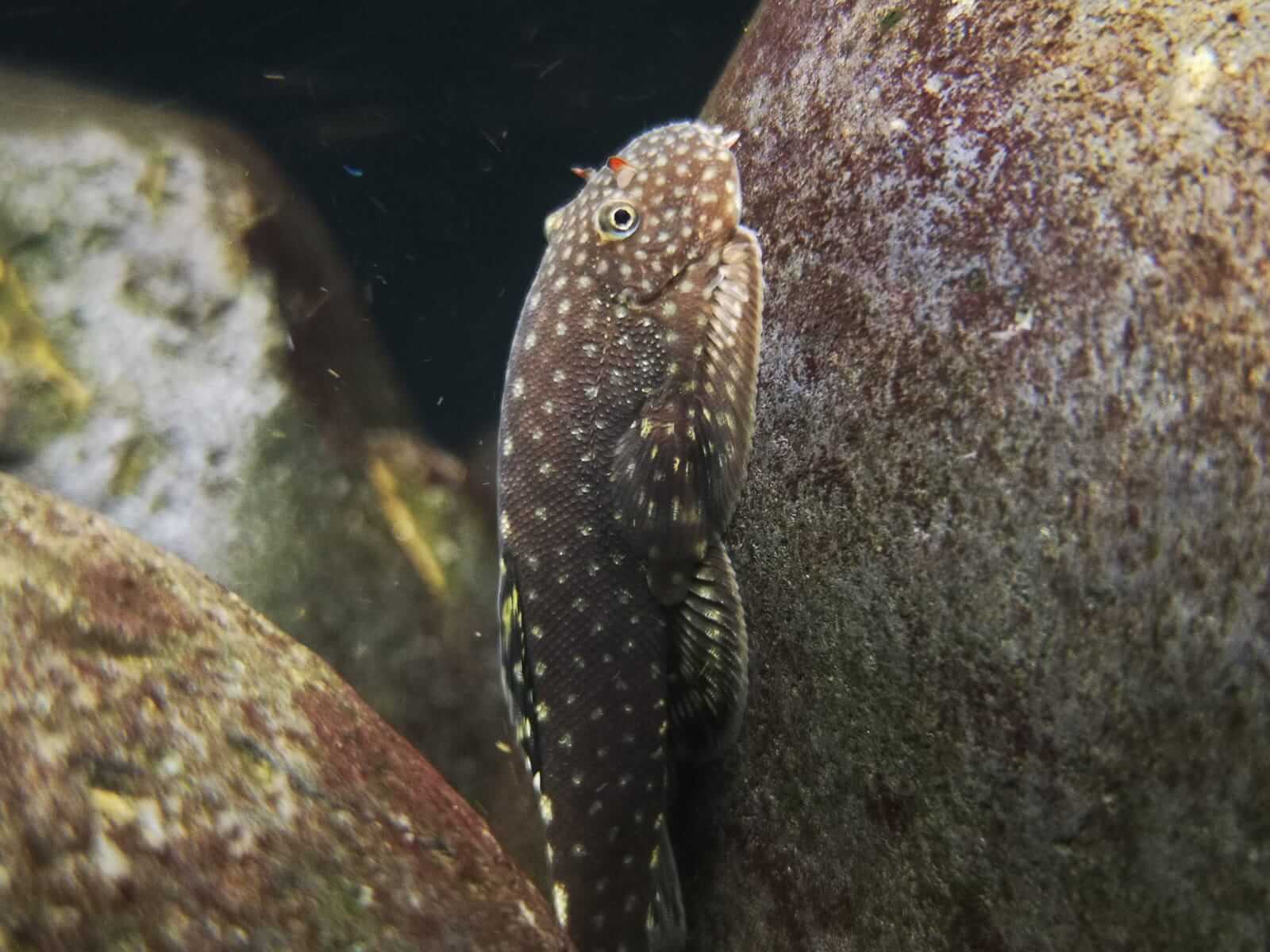
Gastromyzon ctenocephalus is extremely well adapted to life in fast-flowing waters. It has a flattened body and wide pectoral and abdominal fins that function as suction discs, allowing it to firmly cling to rocks even in the strongest current.
Temperature: Prefers high oxygen saturation and lower temperatures (19°C – 23°C).
Diet: Dietary requirements are similar to the well-known genus Sewellia. The main component consists of biofilm (algae, microorganisms, and small invertebrates).
Nature: It is a peaceful species, but it can be territorial towards its own kind. However, it does not exhibit serious aggression that would lead to injury. It is predominantly active during the day, spending almost the entire day foraging for food. It requires stable, clean, and highly oxygenated environments.
Sexual Dimorphism
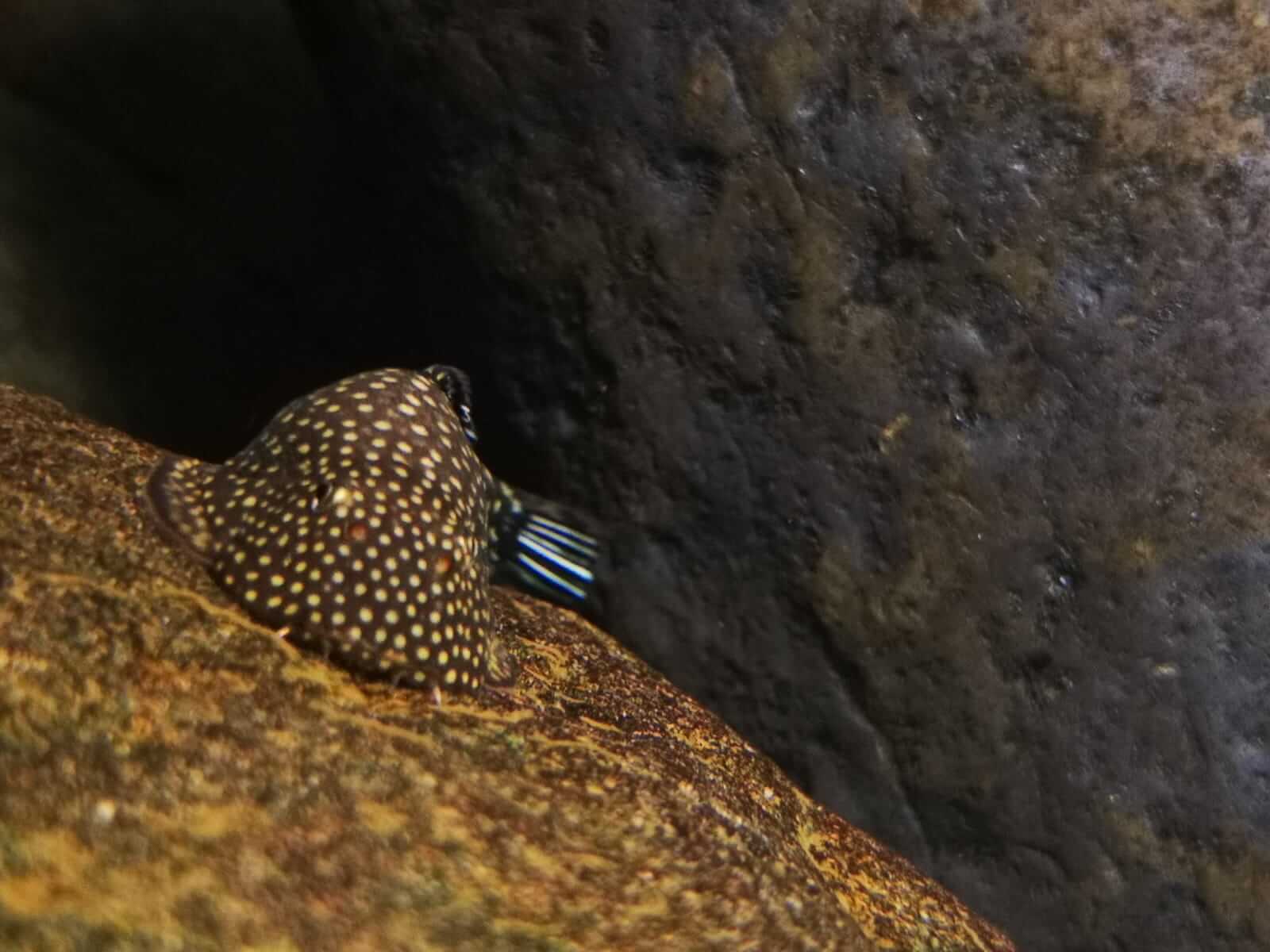
The differences are relatively subtle. Females tend to be more robust with a fuller belly. Males are slimmer and sometimes have more pronounced fin patterns. In both sexes, typical are evenly distributed creamy spots on the body, which is a diagnostic feature of this species.
Aquarium Breeding
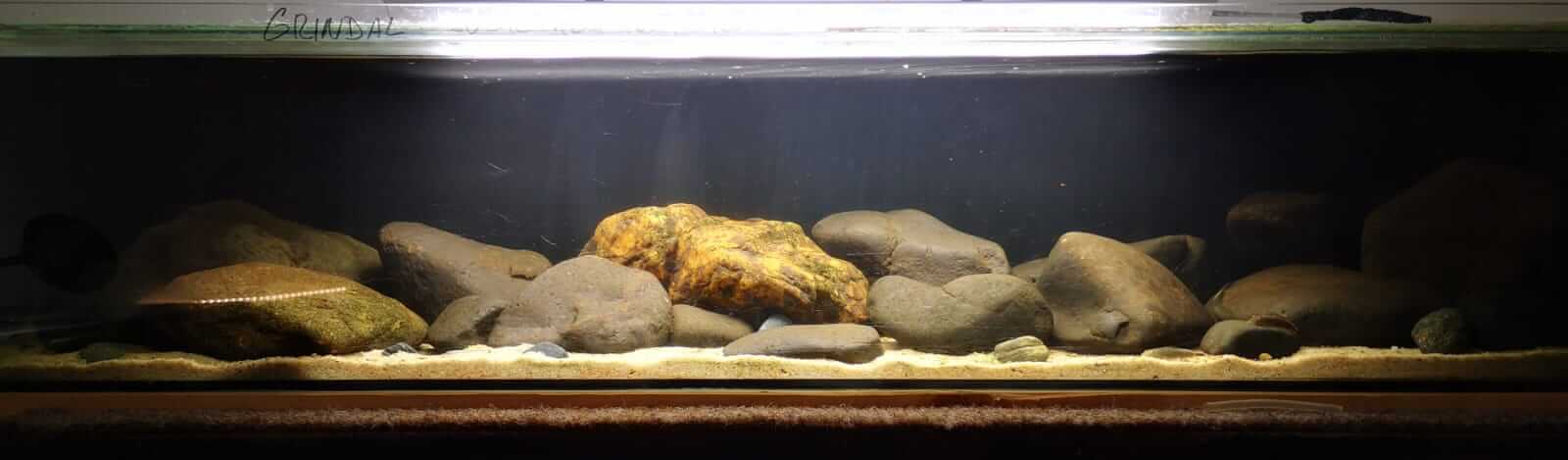
The aquarium should have a minimum of 80–100 liters for a group of 5–10 individuals. The bottom must consist of sand with a grain size of 0–5 mm and large quantities of stones of various sizes. It is advisable to provide a strong pump and efficient filtration to ensure both a strong current and rich oxygenation of the water surface.
The temperature should range from 19–23 °C, but the fish also thrive at 25 °C (if extreme aeration is ensured). The water should be soft to moderately hard with low nitrogen content. Very strong lighting is ideal for rapid development of algae and biofilm on the stones. Other suitable food sources include spirulina tablets and frozen plankton. These fish get along well with, for example, danios, which also manage strong currents.
Although breeding these fish may seem challenging, with the requirements for cleanliness and water flow met, they are a hardy and extremely interesting species.
Sources
Seriously Fish. Gastromyzon ctenocephalus. [online]. Available from: www.seriouslyfish.com [accessed 2 Feb 2026].
FishBase. Gastromyzon ctenocephalus, Borneo suckers. [online]. Available from: www.fishbase.com [accessed 2 Feb 2026].