



McMaster's Cichlid (Apistogramma macmasteri) is among the mainstays of aquariums due to its robustness and beautiful coloration; however, its breeding and rearing conceal many specifics. This fascinating inhabitant of Colombian and Venezuelan waters requires specific water parameters and a sensitive approach to creating a harmonious harem. In this article, we will look at how to create the ideal home for the fish, why the quality of live food is the key to success, and how to avoid common mistakes that can lead to species misidentification or health issues.
McMaster's Cichlid (Apistogramma macmasteri)
The group Apistogramma macmasteri (A120–121) consists of very popular species among aquarists: Apistogramma hoignei (A116–118), Apistogramma hongsloi (A110–115), Apistogramma guttata (A126) and Apistogramma viejita (A123). Particularly, the first and last mentioned species are often indistinguishable, and many ichthyologists believe that there are numerous hybrids in aquariums between these taxa (i.e., A120–121 and A123). However, an experienced breeder can distinguish both species.
All these species inhabit the territories of Colombia and Venezuela. Sven Kullander described this species in honor of Mark McMaster, who alerted the author to the fish as early as 1973. Initially, it was known to us mainly under the name Apistogramma ornatipinnis, which is now a synonym for Apistogramma steindachneri. Other (incorrectly used) synonyms have included Apistogramma taeniatum and Apistogramma pleurotaenia. Male McMaster's cichlids can reach a length of up to 9 cm, while females are smaller and grow to about 5–6 cm.
Place of Origin
They are inhabitants of clear waters. The fish originates from Colombia, where it lives near the city of Villavicencio in the Rio Ocoa river (Rio Meta basin). According to the original description, the water here has a hardness of up to 1 °dH, a pH of 5.5–6.0, and a conductivity of up to 10 µS/cm. In Venezuela, they live in the upper Orinoco basin. In their habitats, the water column is often very low, sometimes only around 10 cm. The fish thus avoid contact with larger predators that do not enter the shallows. However, they are often preyed upon by aquatic birds such as kingfishers, ibises, or herons.
Aquarium for McMaster's Cichlids
Males are typical harem rulers, in which they tend to multiple females. Therefore, it is advisable to set up an aquarium with a larger floor area and a length of at least 80–100 cm if we want to keep multiple individuals together. Only then can the individual territories of the females, which form mini territories, be sufficiently distanced from each other.
A sufficient number of hiding places is essential. Ideal are various ceramic tubes, stones, dense plants, or parts of flowerpots. This will ensure harmonious relationships among the females. It is important to ensure that there is only one male in an aquarium (if it is not sufficiently large). If there are more, the stronger individual will likely eliminate its rival over time. It is better to have backup males in other tanks in case of the "ruler" of the harem's death.
Effective filtration and regular water changes are crucial, but the fish do not like too strong currents. In densely planted and moderately lit tanks, it is possible to maintain an aquarium without filtration with a low number of fish. The substrate of the tank should consist of fine sand (grain size 3–5 mm). To enhance the colors of the males, it is better to choose a dark substrate, which also provides a sense of security for newly hatched fry. The temperature should be maintained around 24 °C. For targeted breeding, a 10–20 liter tank with hiding places is sufficient, where one male and 1–3 females are introduced.
Companions
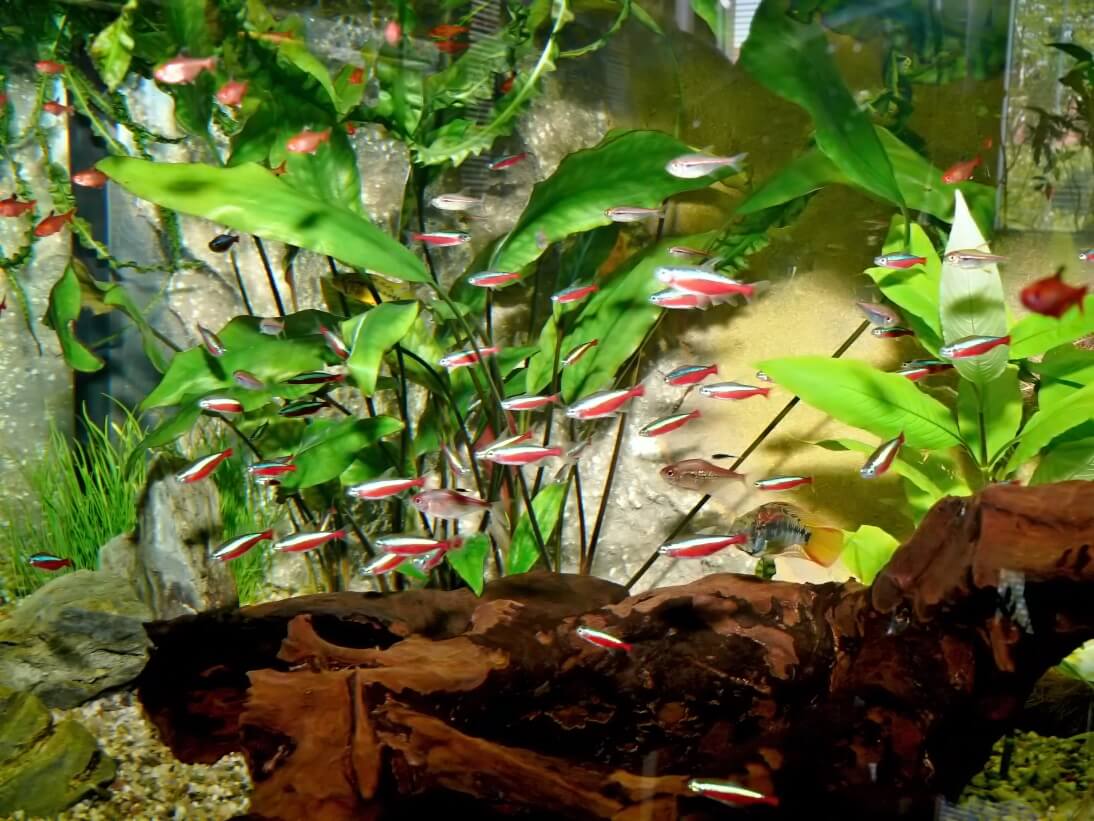
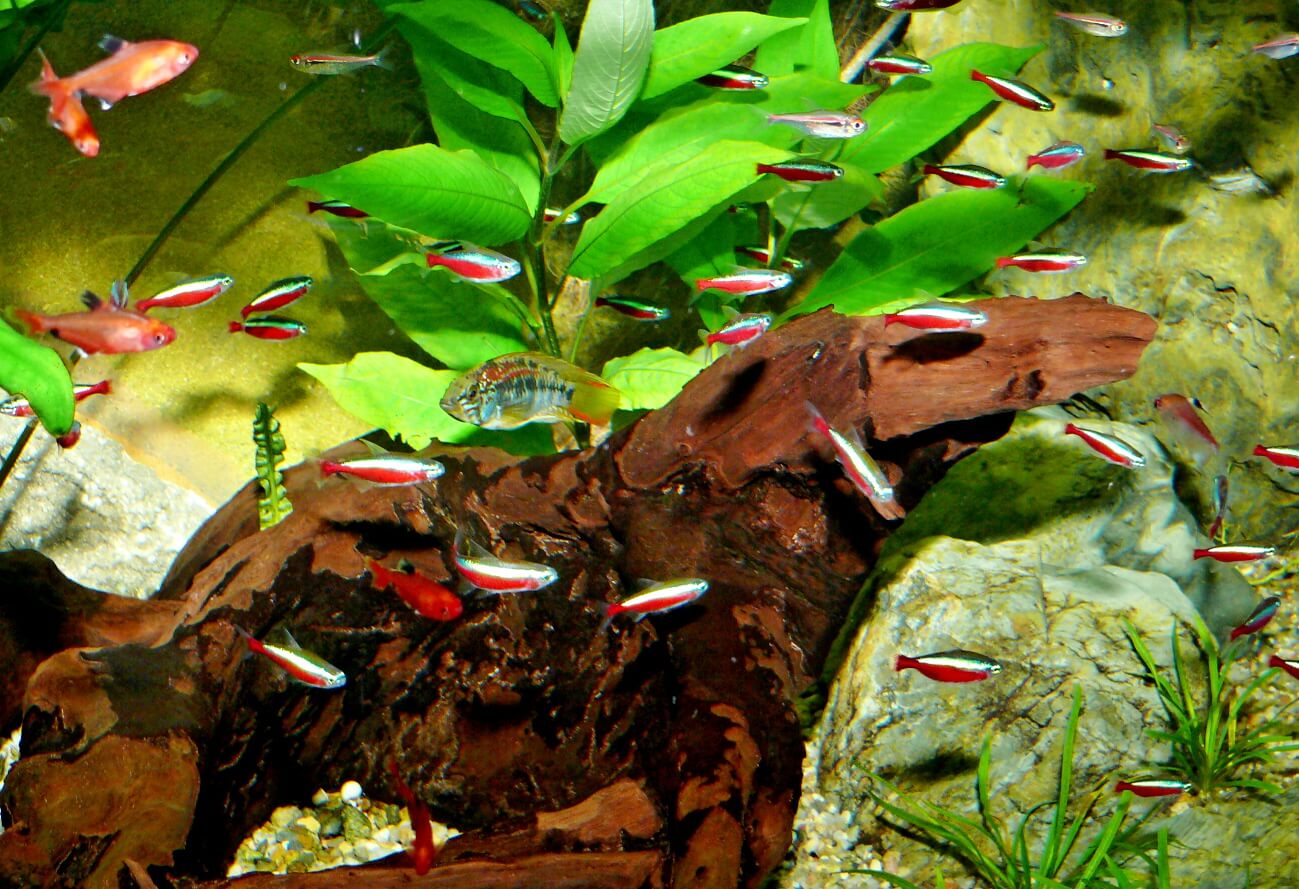
Species-specific breeding is ideal. However, cichlids can also fit into community tanks with small tetras (neon tetras, red-headed tetras, emperor tetras, etc.). As bottom dwellers, we can choose loricarids or catfish, but they may disturb cichlids during breeding attempts.
Feeding
The priority is live food – plankton (daphnia, water fleas) or freshly hatched brine shrimp (Artemia salina). As a supplement (about once a week), we provide bloodworms or tubifex (live or frozen). Those who have worm cultures at home can also benefit from them, feeding them a maximum of once a week.The same applies to infusoria. However, they must be well washed; I also soak them for about an hour in a weak green solution of malachite green before feeding.
Most cichlids are reluctant to accept dry food. I assert that "granular" fish raised only on artificial food do not do justice to Czech aquaristics – an experienced aquarist can recognize such fish at first glance by their poorer body structure and coloration.
Water Parameters and Health
For breeding, soft water of up to 4–5 °dGH is optimal, although the fish can also tolerate moderately hard water (10–12 °dGH). The pH should be slightly acidic (6.0–6.5), and the temperature should be 22–26 °C.
Under inappropriate conditions, the fish are prone to hexamitosis (Hexamita) and mycobacteriosis. Hexamitosis can be treated with good quality water and medications (e.g., FMC). Mycobacteriosis (often present in imports) is unfortunately practically untreatable.
Breeding
With good care and feeding with plankton, the fish mature in 6–8 months. The spawn contains 50–120 reddish eggs, which the female attaches to the ceiling of a cave. For the successful development of the eggs, soft water is necessary (conductivity up to 150–160 µS/cm, pH 6.4–6.6, dKH below 3°). I recommend using "old," biologically processed water with minimal nitrates (below 10 mg/l).
At a temperature of 26–28 °C, the larvae hatch after 3 days, and after another 5 days, the fry swim freely. The females take excellent care of the spawn but can be aggressive towards males. For starter feeding, we use fine nauplii of brine shrimp or daphnia. Cleanliness of the tank is crucial. We gradually replace the water with fresh (if you live in areas with soft tap water, you can also use settled tap water).
Images:
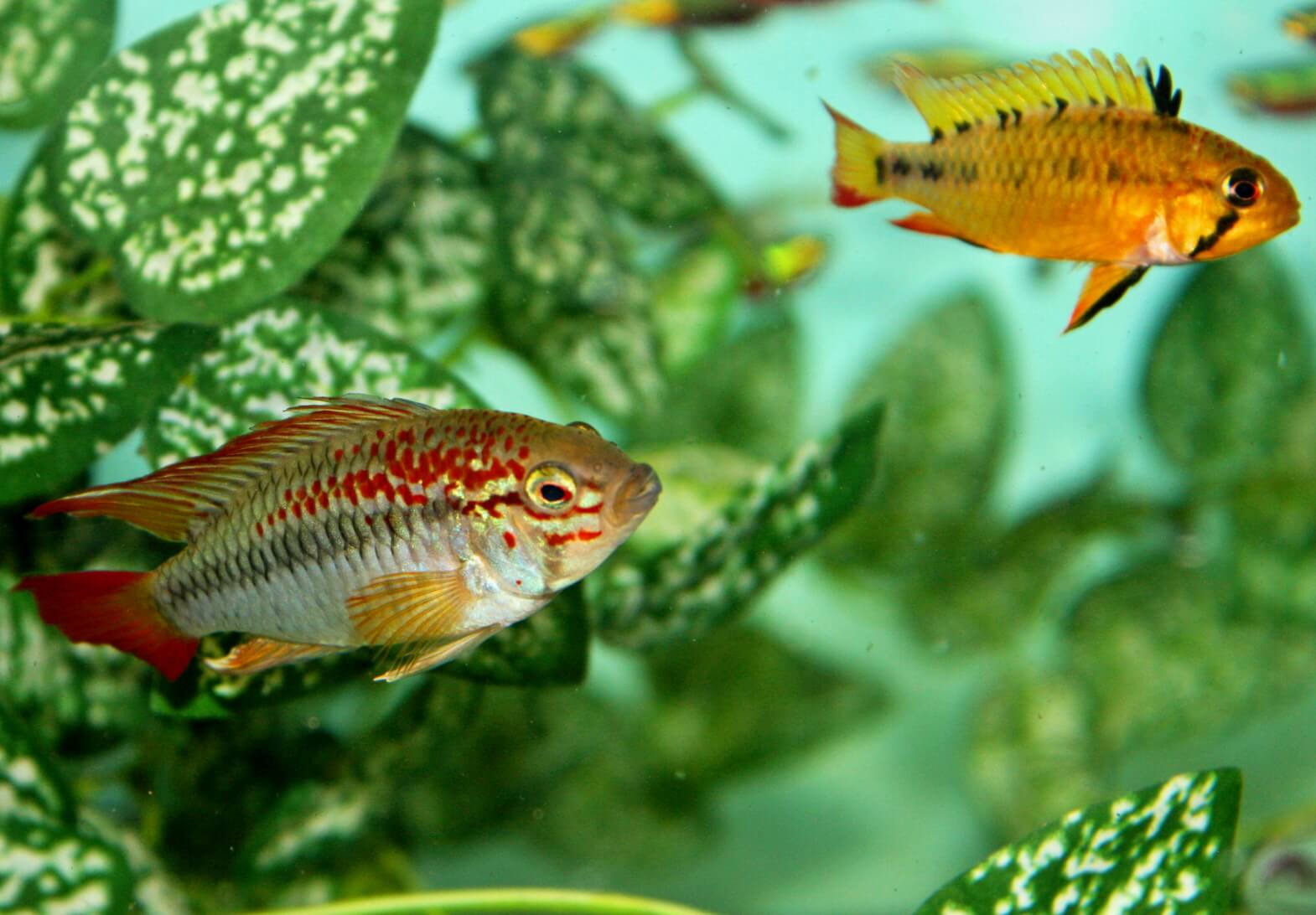
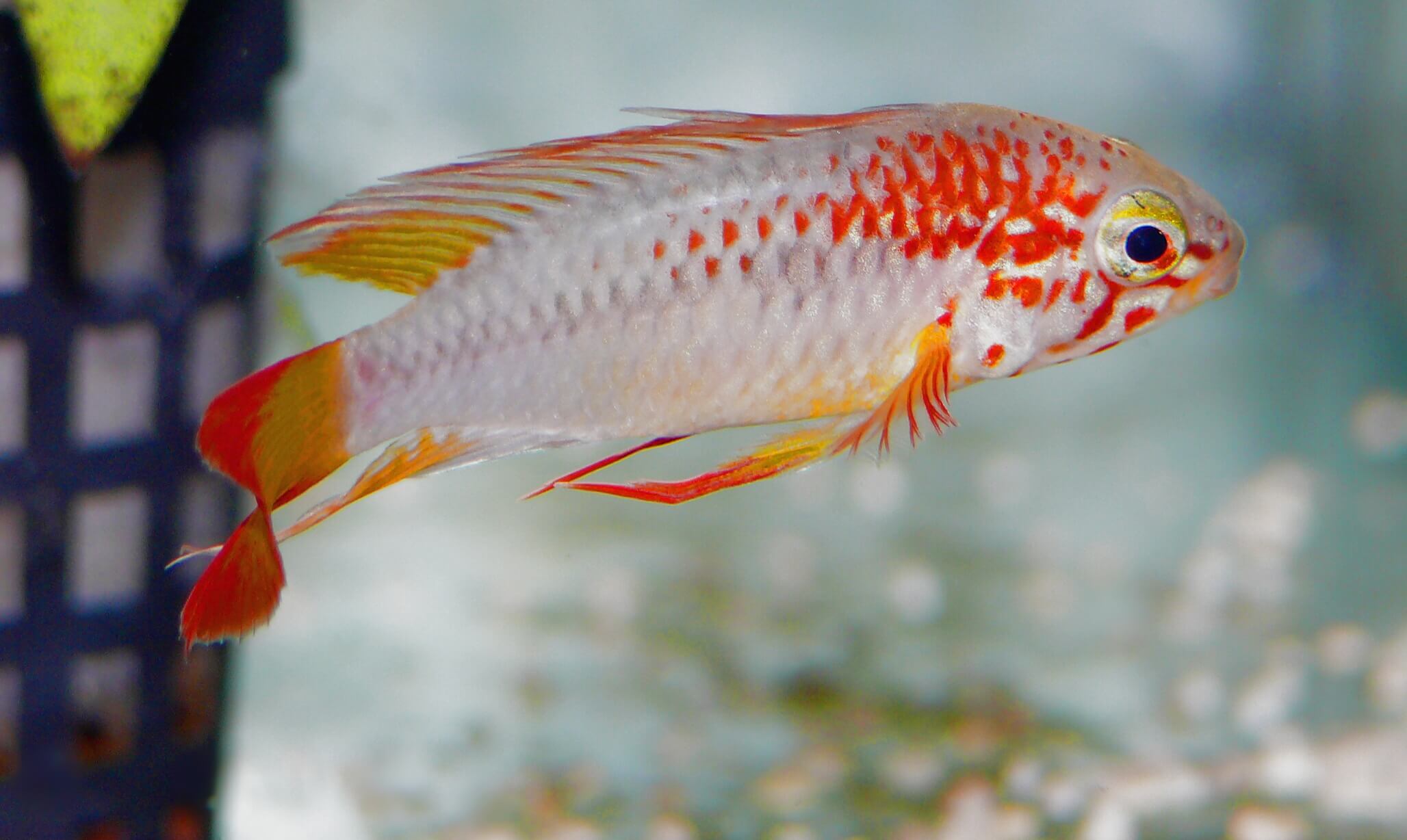
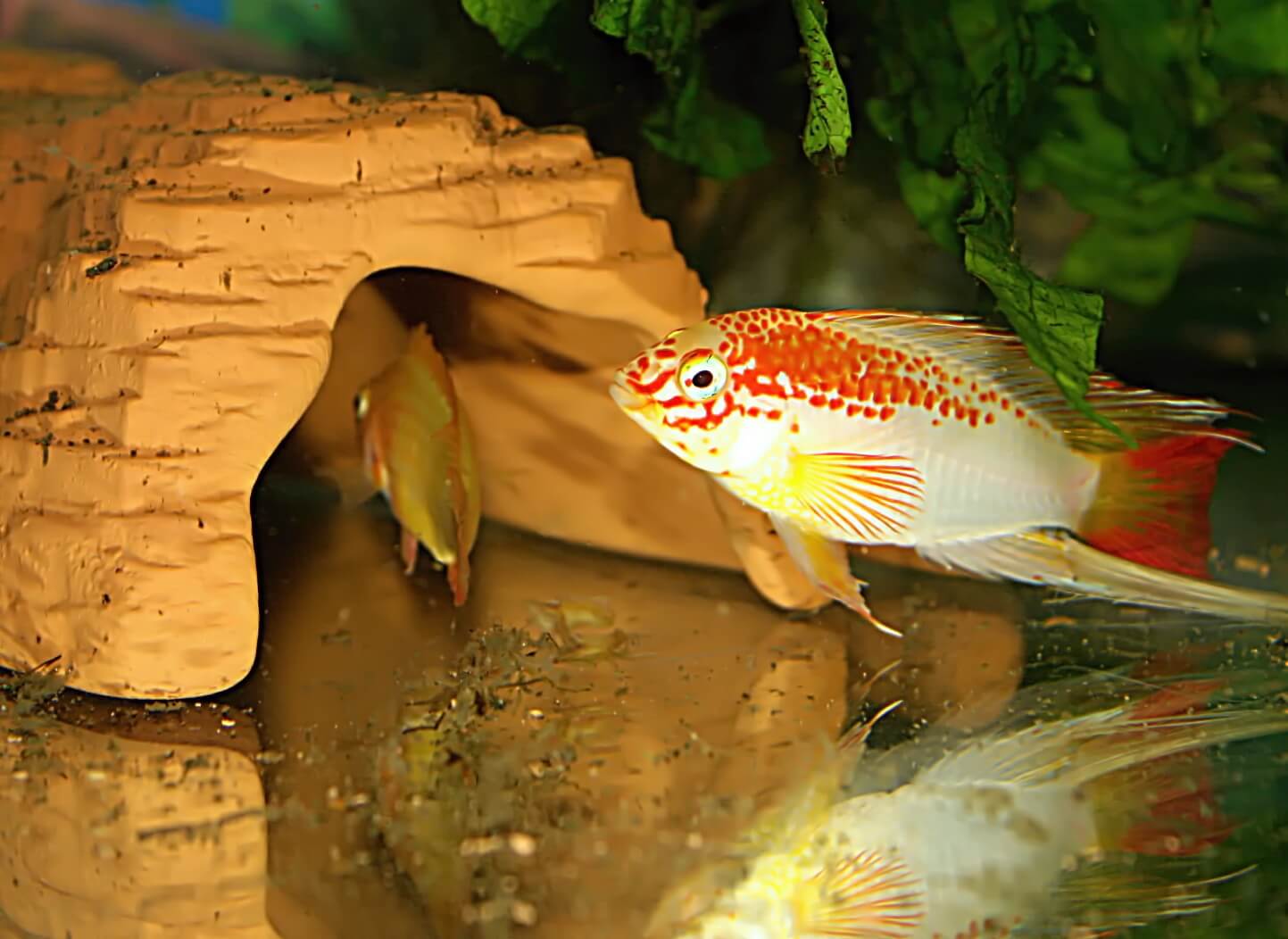
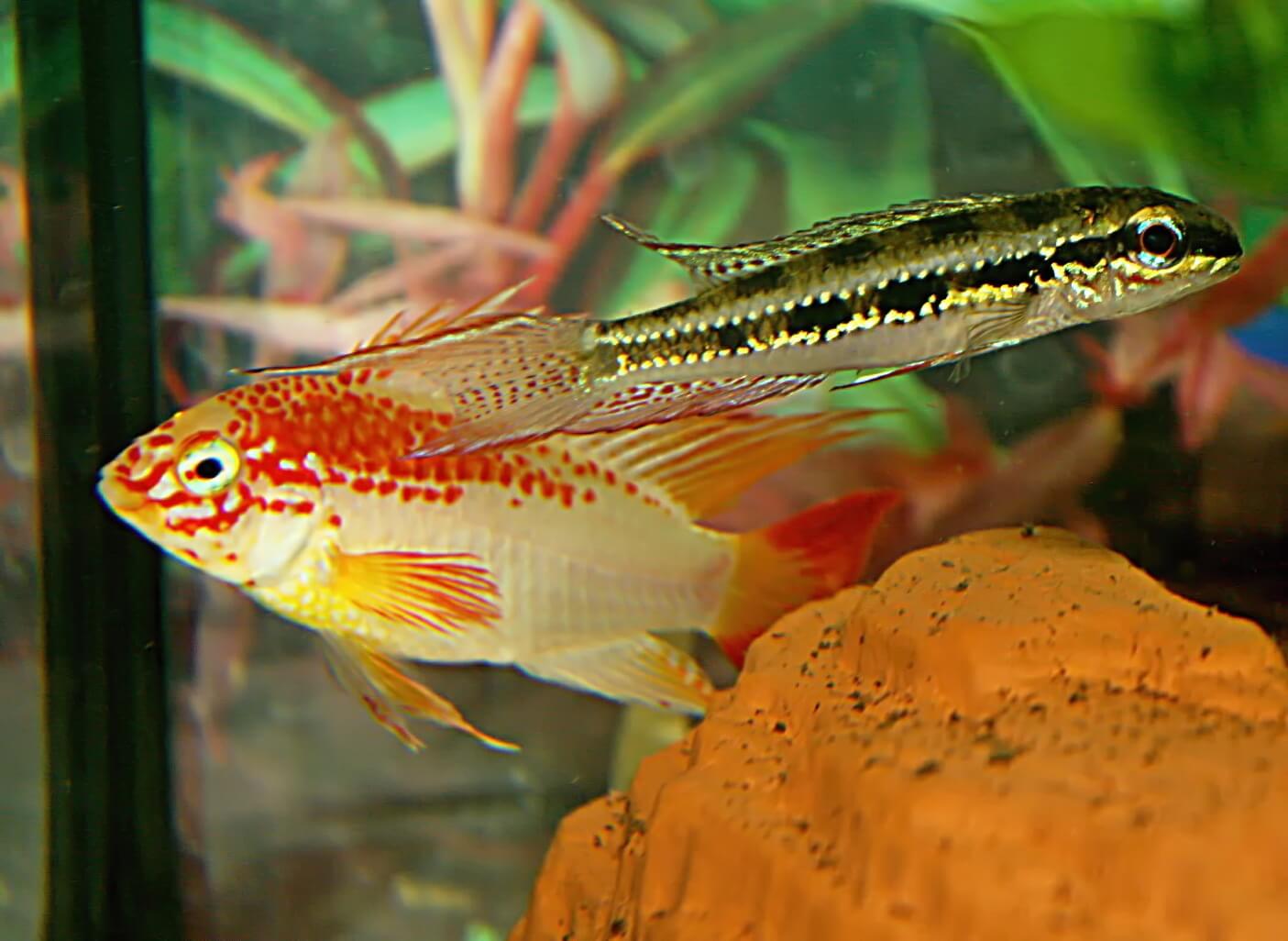
- A pair of adult cichlids, male on the left.
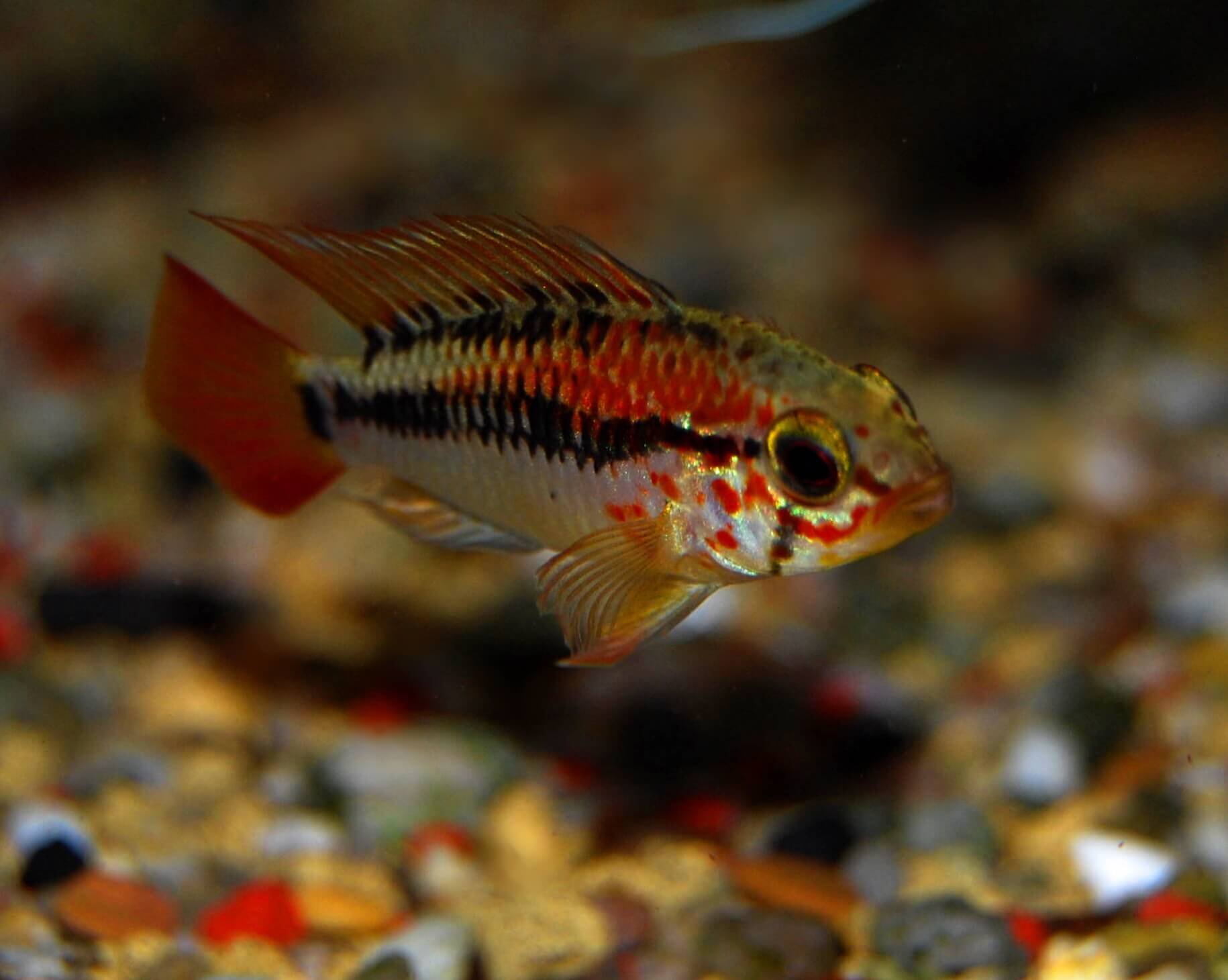
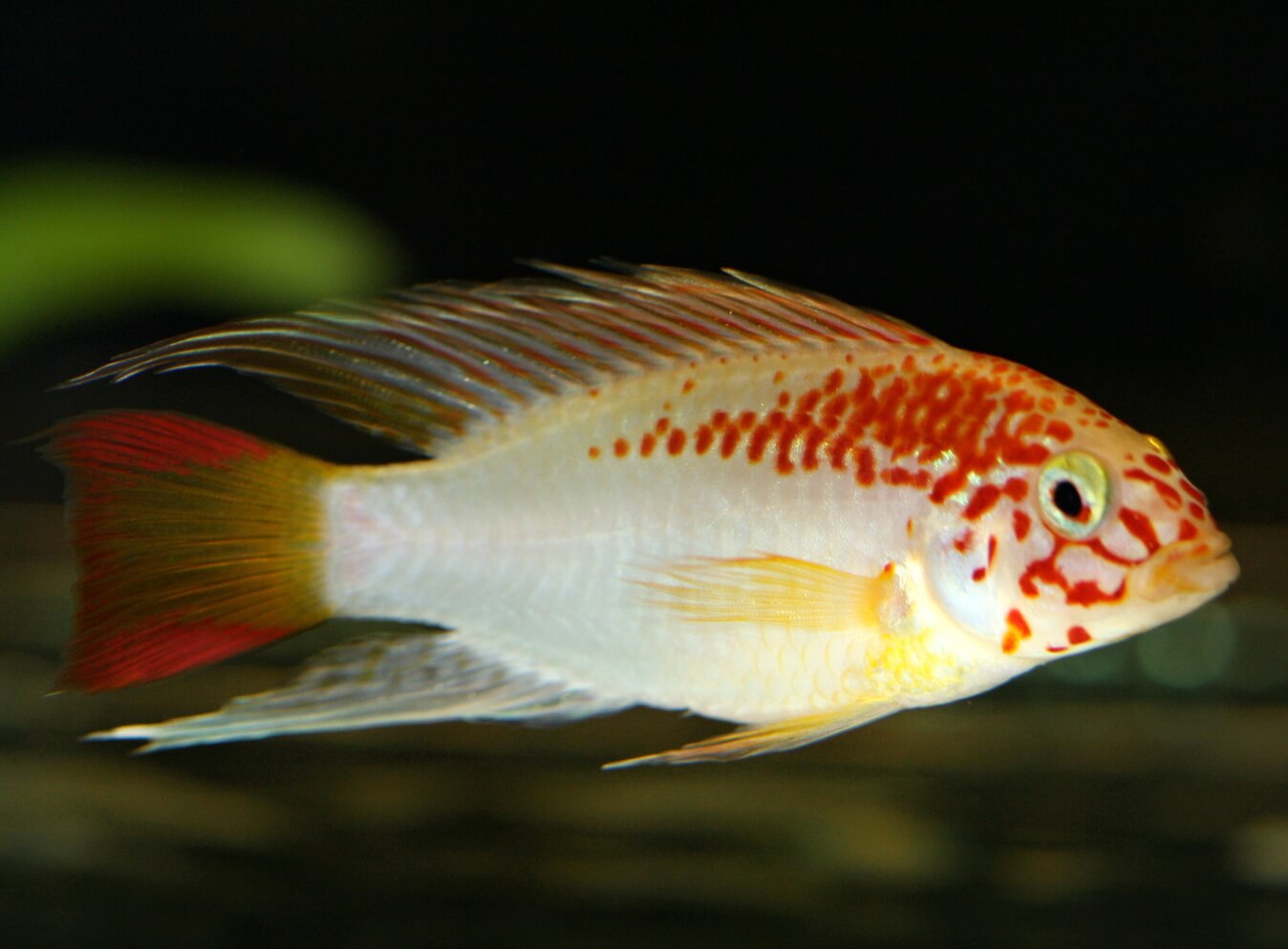
- Male McMaster's cichlid, 7 months old. Dealers refer to this variant as red-backed ("Rotrücken").
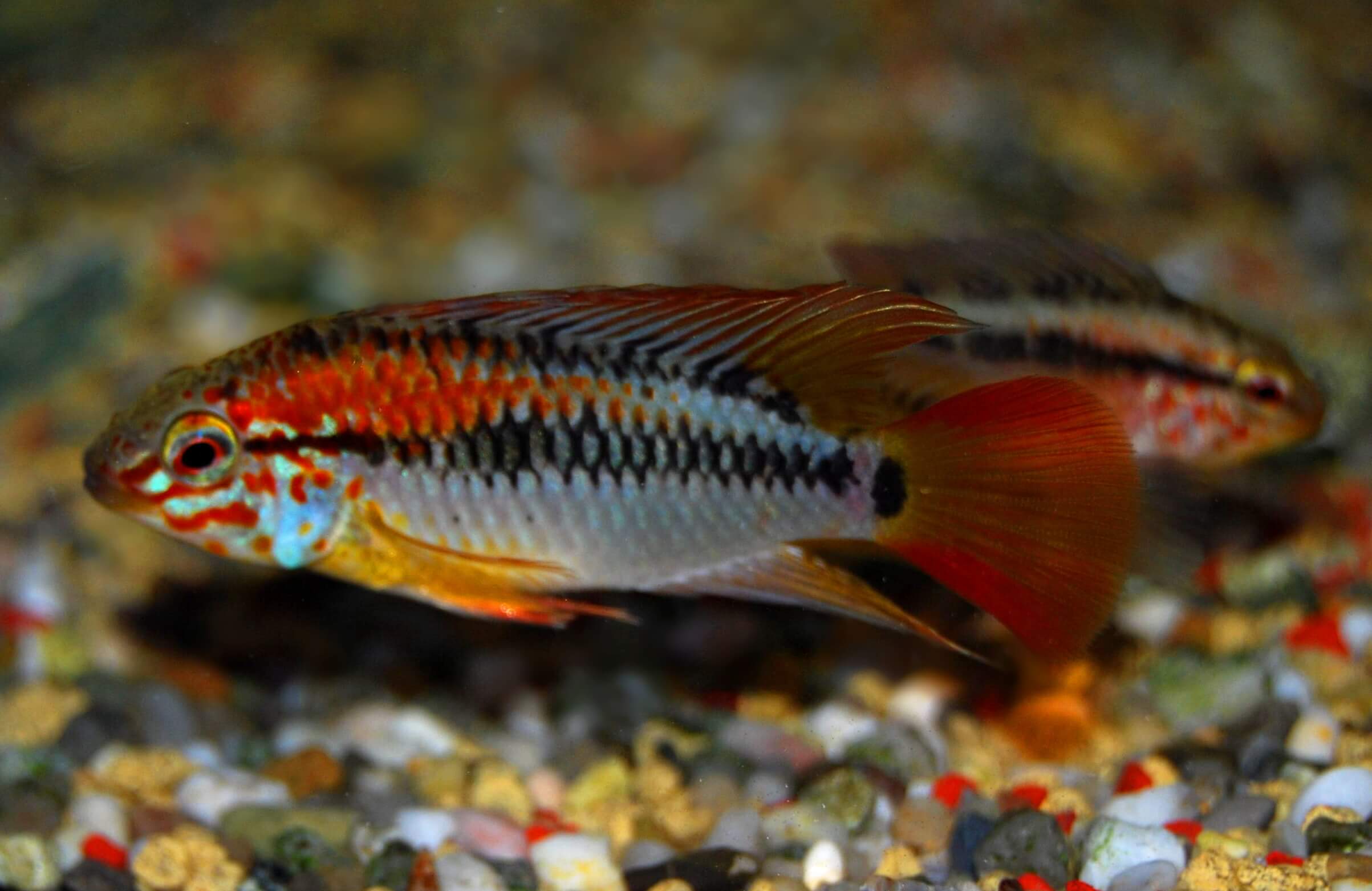
- Another male McMaster's cichlid, differently colored, of the red-backed variant.
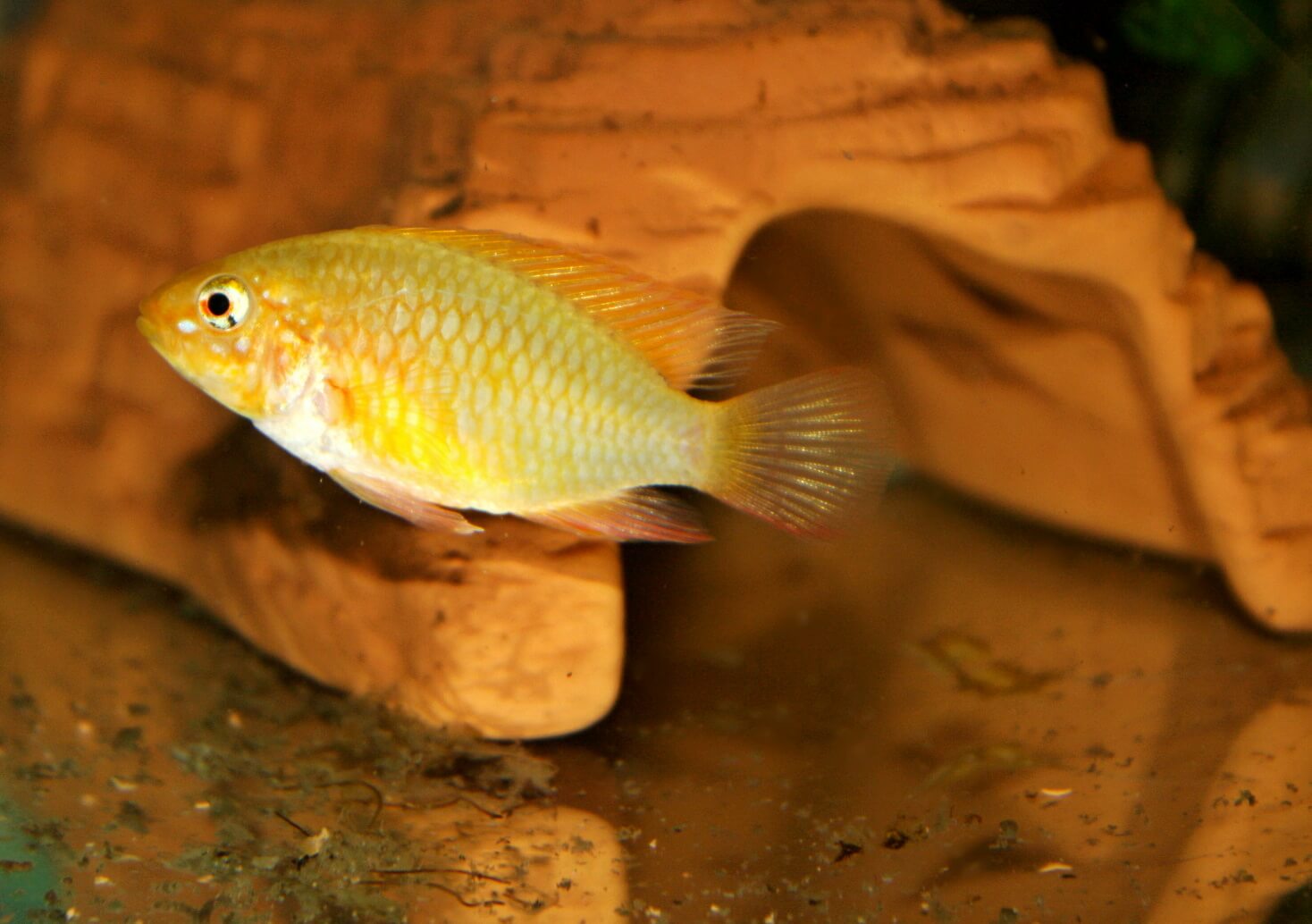
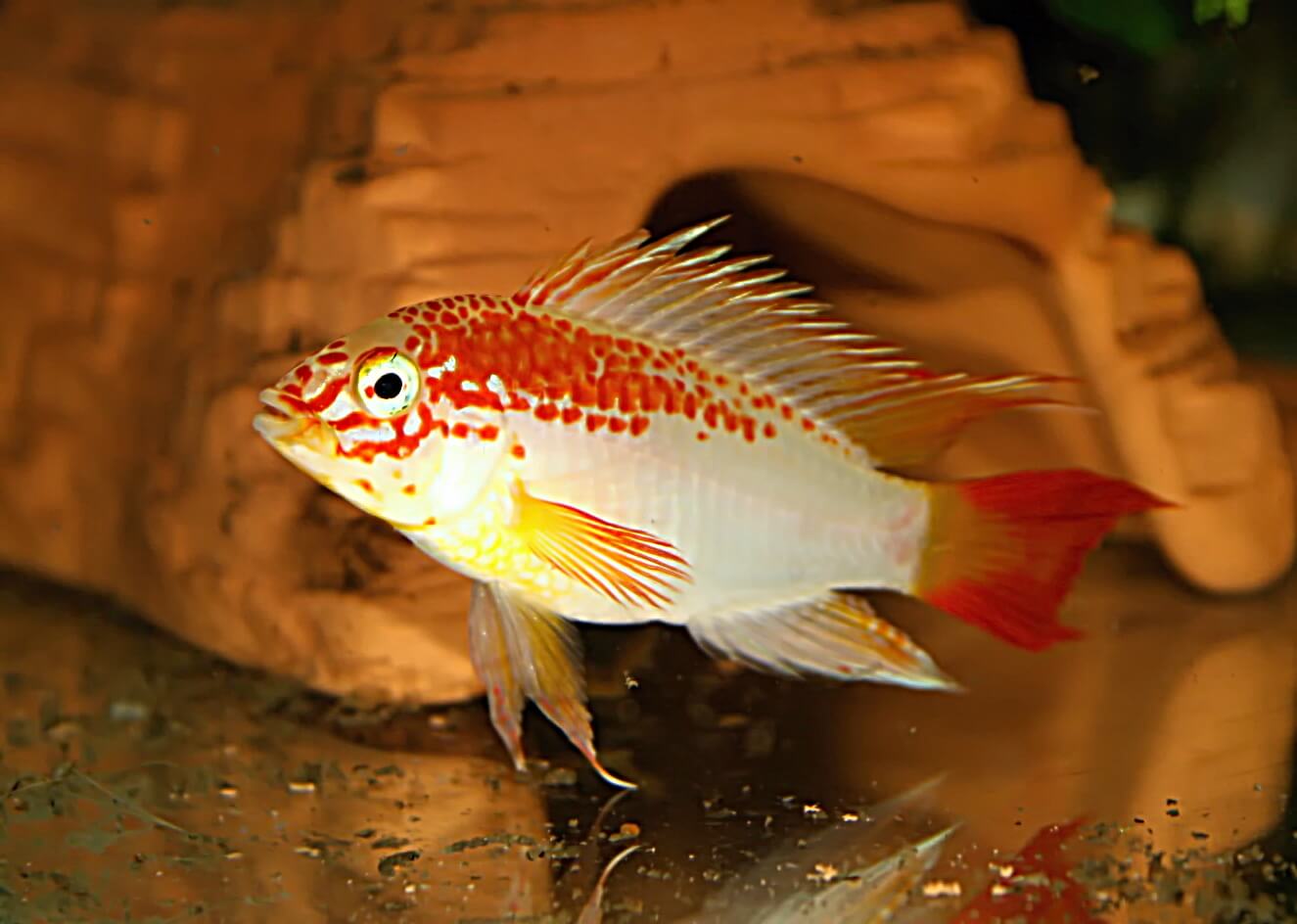
- The golden form of cichlids is popular among breeders.
- Adult male McMaster's cichlid, GOLD variant.
- Female of the golden variant a week before spawning.
- For spawning, we easily use ceramic hiding places.
- Male guarding the area around the ceramic shelter where the female cares for the spawn.
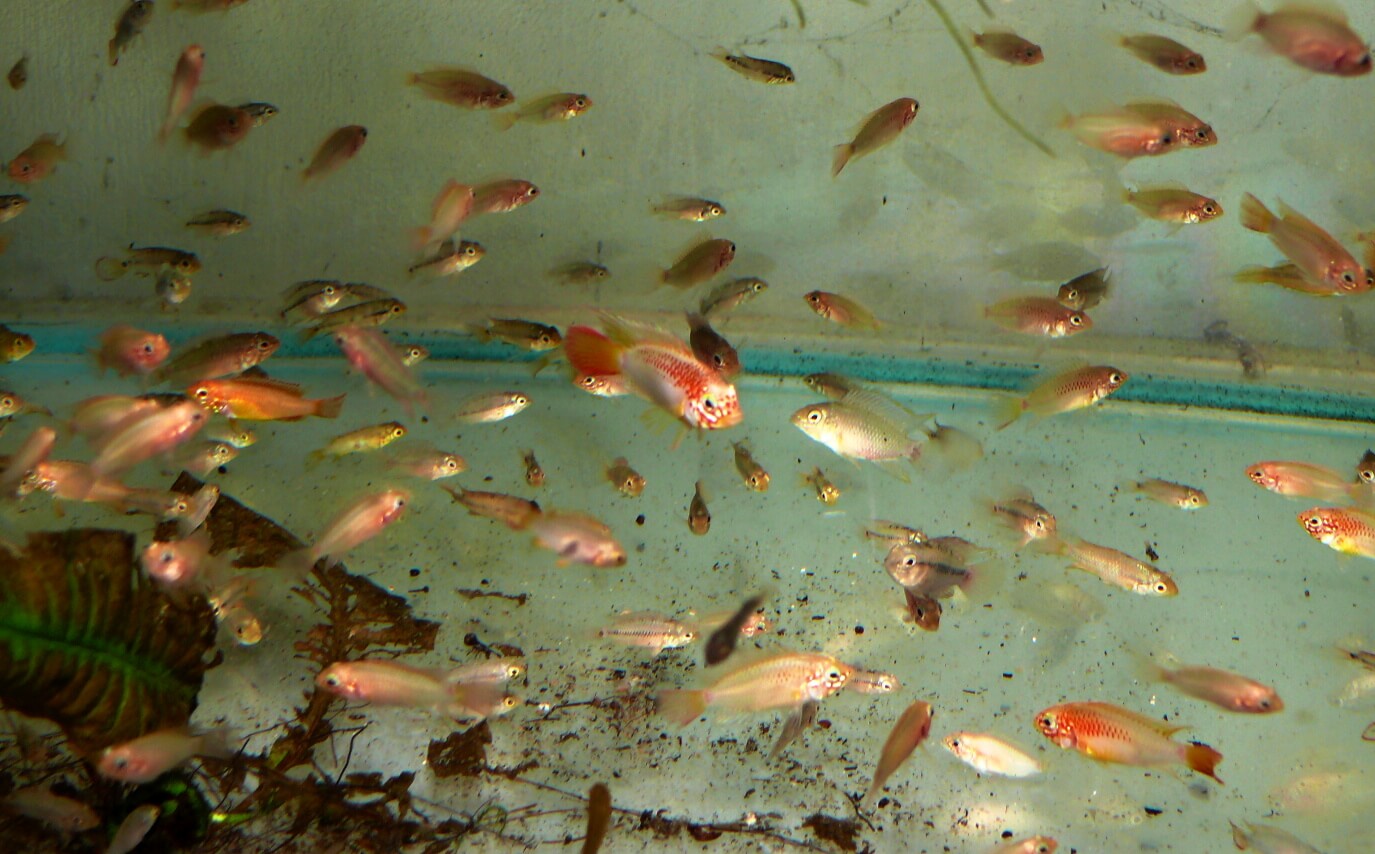
- A joyful sight is a group of young fish.
- The company can be a school of red neon tetras and other quieter tetras for the cichlids.
- Among many smaller tetras, cichlids are not so shy.
- Dicrossus filamentosus can be a companion from the group of South American cichlids. In the front of the picture is the male.
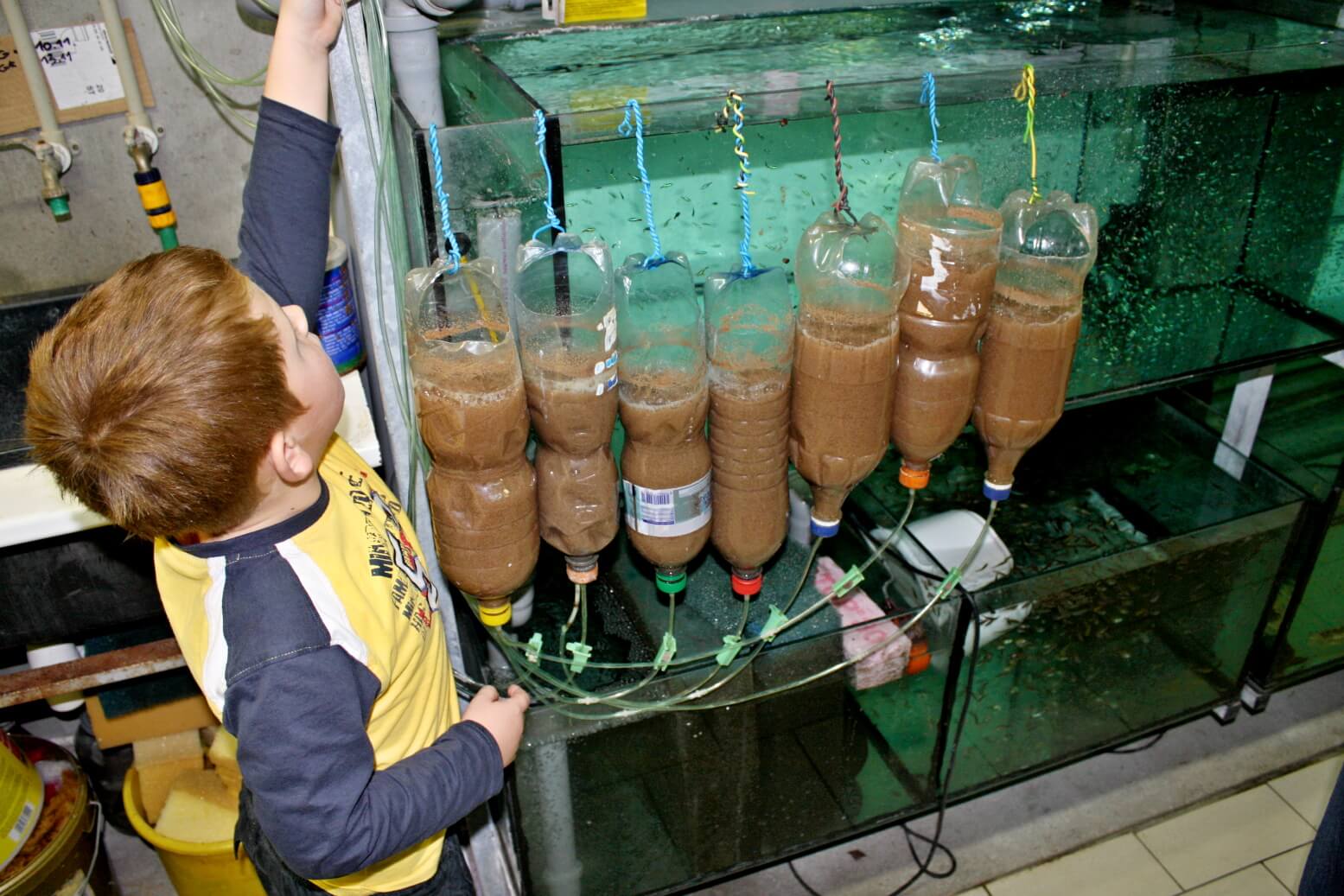
- Very good food are nauplii of brine shrimp, which especially professional breeders may have a sufficient supply of.
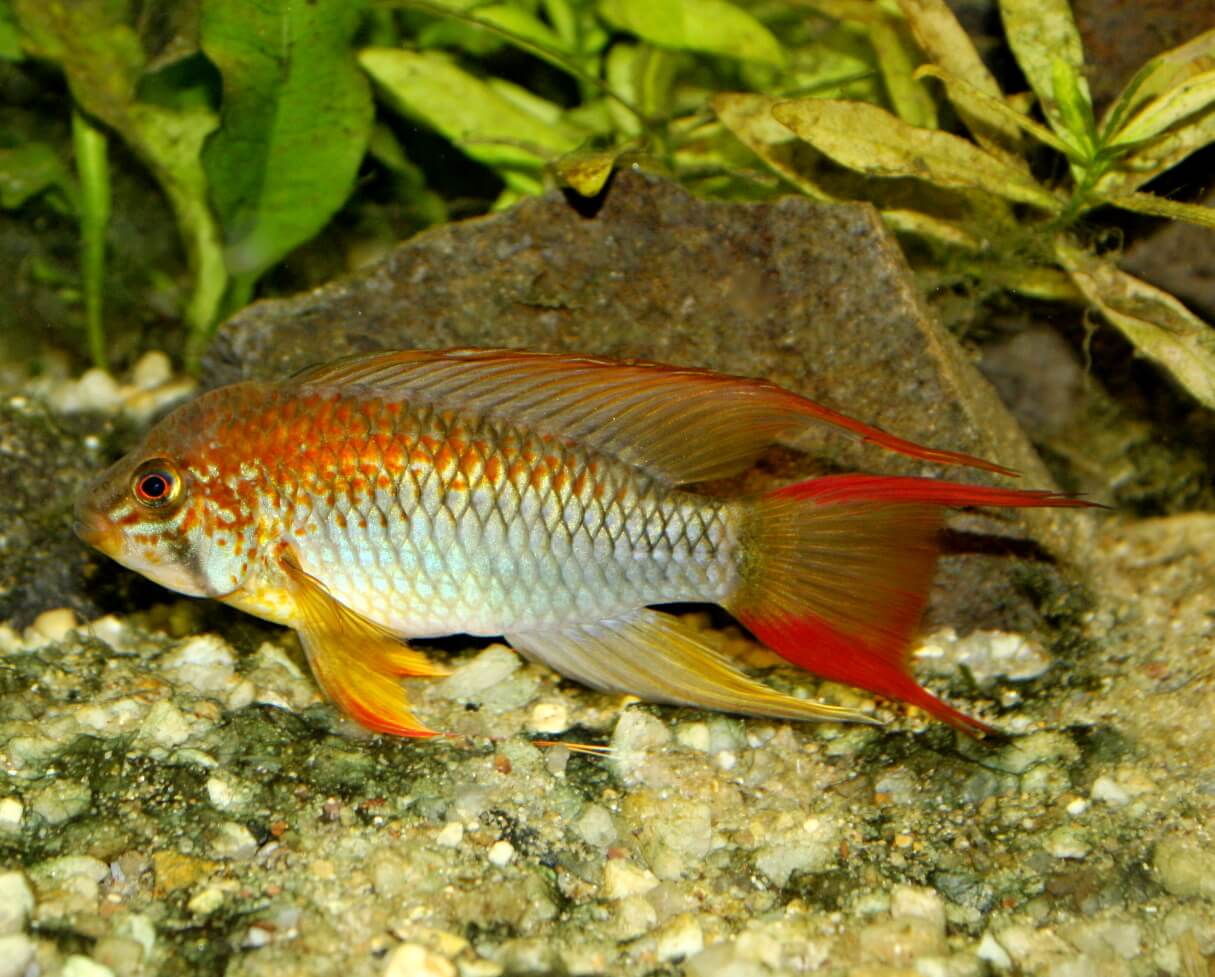
- Another breeding form of Apistogramma macmasteri, again a male. This is the original form with significantly smaller red spots, which we hardly see in aquariums anymore.