




Are you looking for extraordinary aquarium fish that will make you dive deep and discover the secrets of successful breeding? Then the Poecilocharax weitzmani might be the right choice for you. This article will guide you through their fascinating world, reveal the specific breeding requirements, and show why caring for them is so rewarding. You will find that with these shy yet beautiful fish comes the joy of discovery and sharing experiences.
Your fish
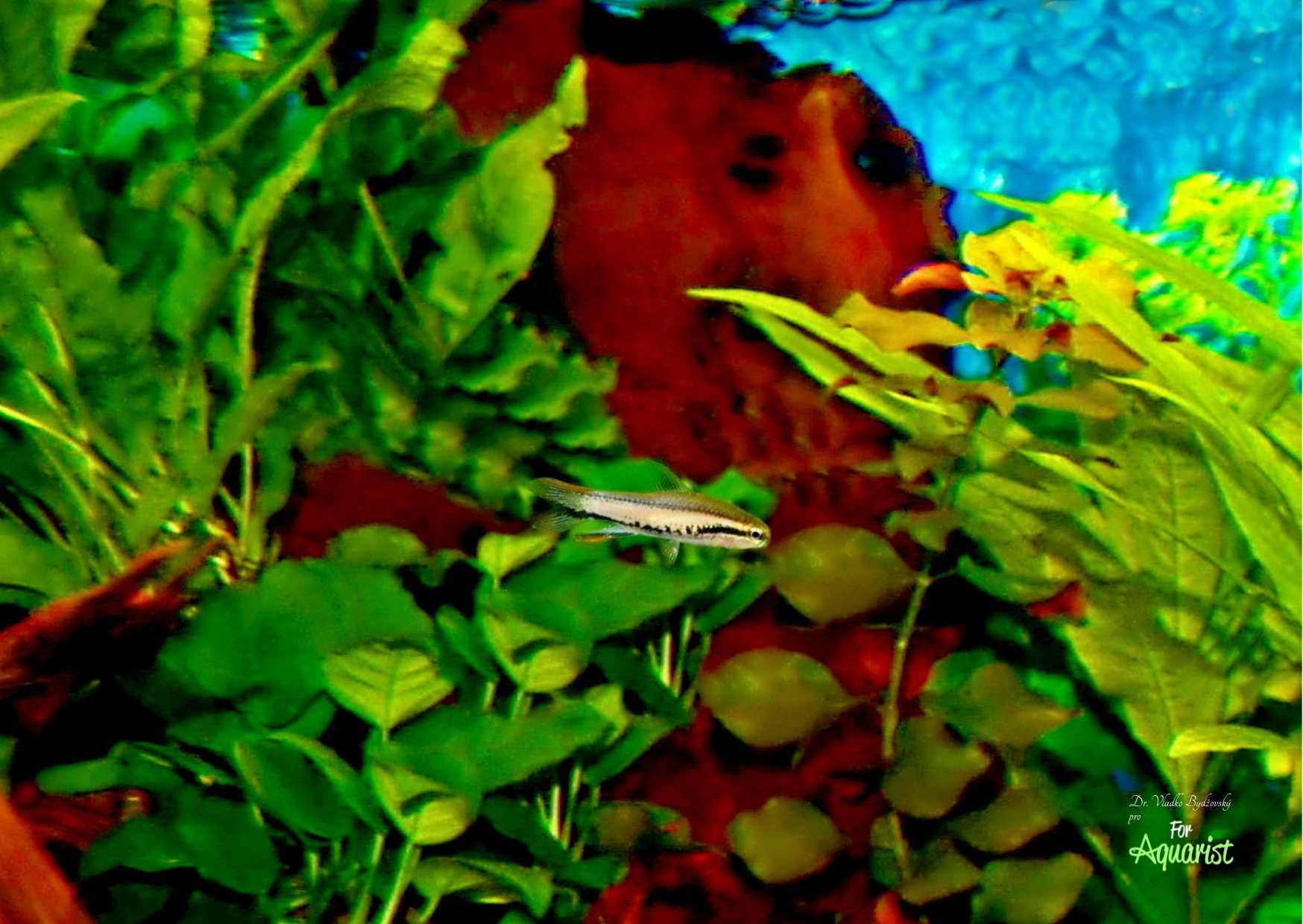
There are several species of fish that have grown dear to my heart and to which I constantly and gladly return. Among them are primarily dwarf cichlids, phantom tetras, and the common red and blue neon tetras. Then there are species that I am convinced I must "get to the bottom of," uncover the secrets of their relatively rare breeding or mostly unsuccessful breeding attempts. Alongside the pencilfish species Carnegiella (Carnegiella strigata and Carnegiella myersi) two representatives bred in Europe belong to these fish of the family Crenuchidae. I have already mentioned the largest representative of the family, Crenuchus spilurus. Poecilocharax bovali, the rarest representative of the family, is such a rare guest in European aquariums that most aquarists have no idea of its existence. It was perhaps only imported once from Guyana. Poecilocharax weitzmani is a fish worth writing a few lines about.
Characteristics and care of Poecilocharax weitzmani
Members of the family Crenuchidae may not seem like representatives of tetras to the uninitiated. Not only do they swim rather clumsily, but they also do not hunt for food as agilely, which they prefer to take live, but their body shape and fins resemble more pencilfish or cichlids. And it is precisely the similarity in breeding and raising with the beautiful dwarf cichlid Taeniacara candidi that ultimately led me to successfully raise young fish of these species. Weitzman's tetras are fish not suitable for the average aquarist, who admires the speed and color of typically schooling South American tetras.
Breeding in the aquarium and recommended companions
It is a fish that can be kept either alone in a tank, in several pairs, where it is always better to have a slight predominance of females, or we can keep them in a community tank. Suttner (1991) kept them, for example, in a tank measuring 100x40x40 cm, where 6 Otocinclus affinis occupied the bottom, 3 males and 7 females Poecilocharax weitzmani swam in the middle layers, and the upper layers were complemented by calmly floating pencilfish Nannostomus eques and a school of six pencilfish Carnegiella strigata fasciata.
Suttner also mentions the possibility of keeping these gems of South American waters in the company of South American cichlids, but logically warns of competition from similarly living fish. Schlüter recommends this combination for a 100 cm community tank: 2-4 males and 4-6 females Poecilocharax weitzmani, a school of 10-30 red neon tetras (Paracheirodon axelrodi) or red-headed tetras (Petitella bleheri), possibly dwarf cichlids (Nannostomus), pencilfish Carnegiella marmorata or Carnegiella strigata similarly to catfish of the genus Otocinclus. Similar fish communities can be found, for example, in the tributaries of the Rio Uaupes in Brazil, near the Colombian border.
Origin and occurrence in nature
The fish was described in 1965 by one of the world's leading experts on tetras (originally a surgeon) Géry. In the autumn of 1967, the fish first arrived in Germany , namely as a bycatch with red neon tetras, which, according to Meinken, came from the vicinity of Leticia, Colombia. They continue to arrive to this day, as they are usually caught together in their homeland.
They live in an area from Peru through Colombia, Brazil, and up to Venezuela. Fish from Colombia and Brazil are more intensely colored than specimens from Venezuela. The latter show virtually no red color in their coloration. Males from Venezuela have shorter fins and are yellow in the body area.
Schlüter caught the fish in June 1997 in a small stream with black water near São Gabriel de Cachoeira on the old Rio Negro. The water temperature was 32 °C at 14:00, the pH was very acidic in the area, unmeasurable, conductivity was 6 µS. The water in the stream was flowing slowly, its width was about 2 m, and the depth reached 50-100 cm. Alongside Poecilocharax weitzmani there were also cichlids Apistogramma uaupesi, which are certainly food competitors, as they similarly inhabit the bottom area covered with fallen leaves. Additionally, there were Copella nattereri, Hemigrammus cf.bellotti, Thayeria intermedia, representatives of the genus Fluviphylax with red tail fins, and two unknown species of tetras.
Sexual recognition and "predatory behavior"
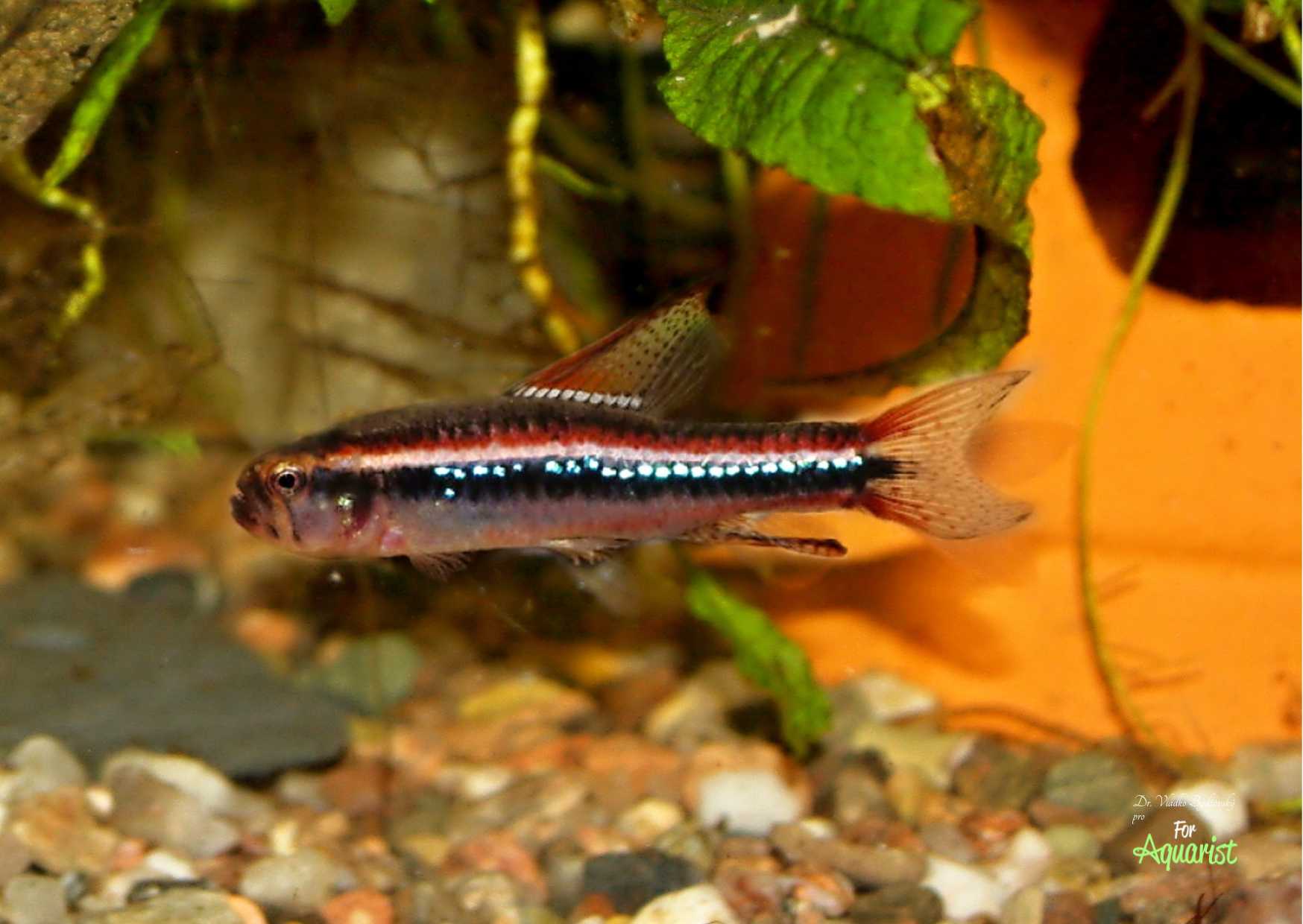
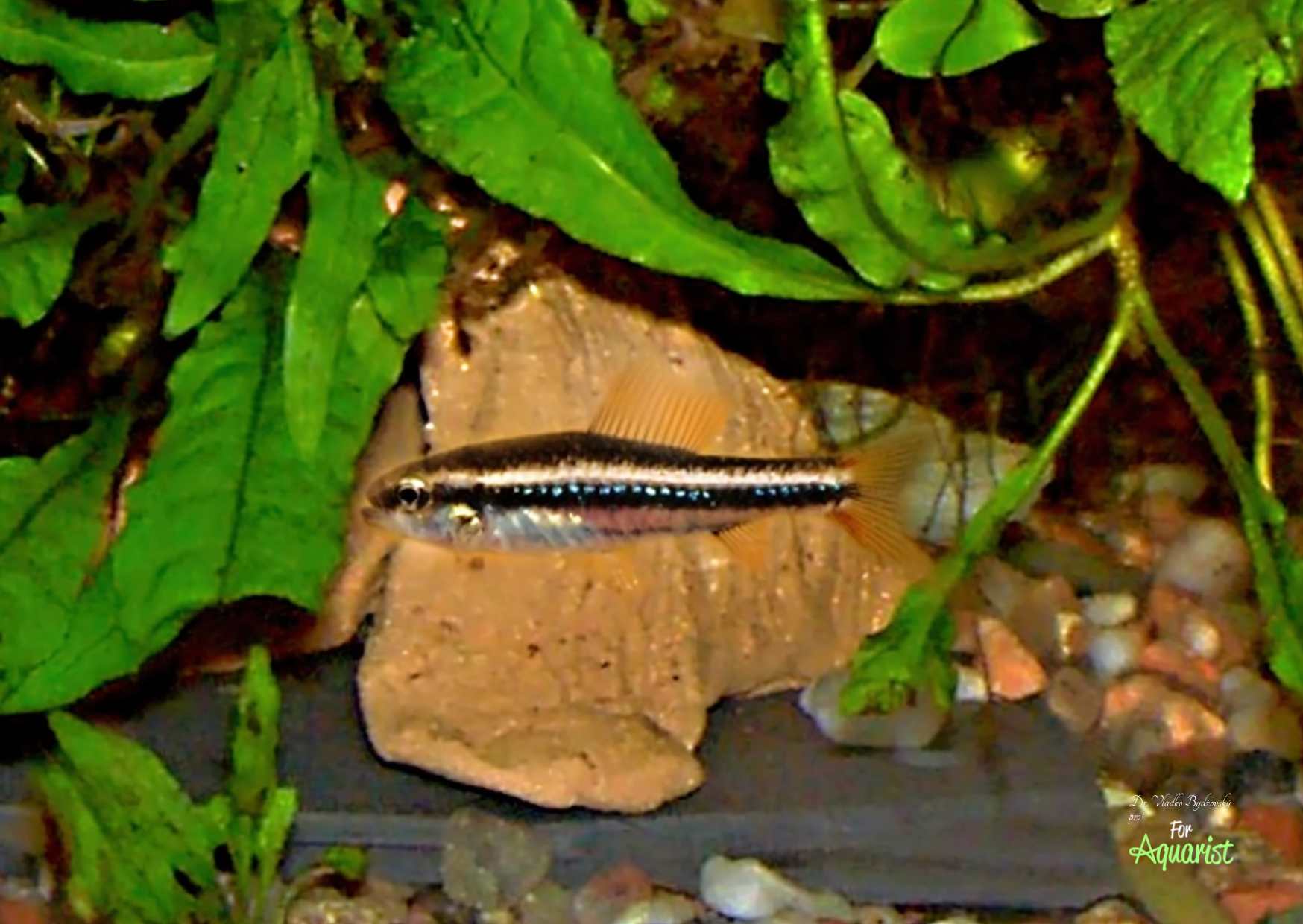
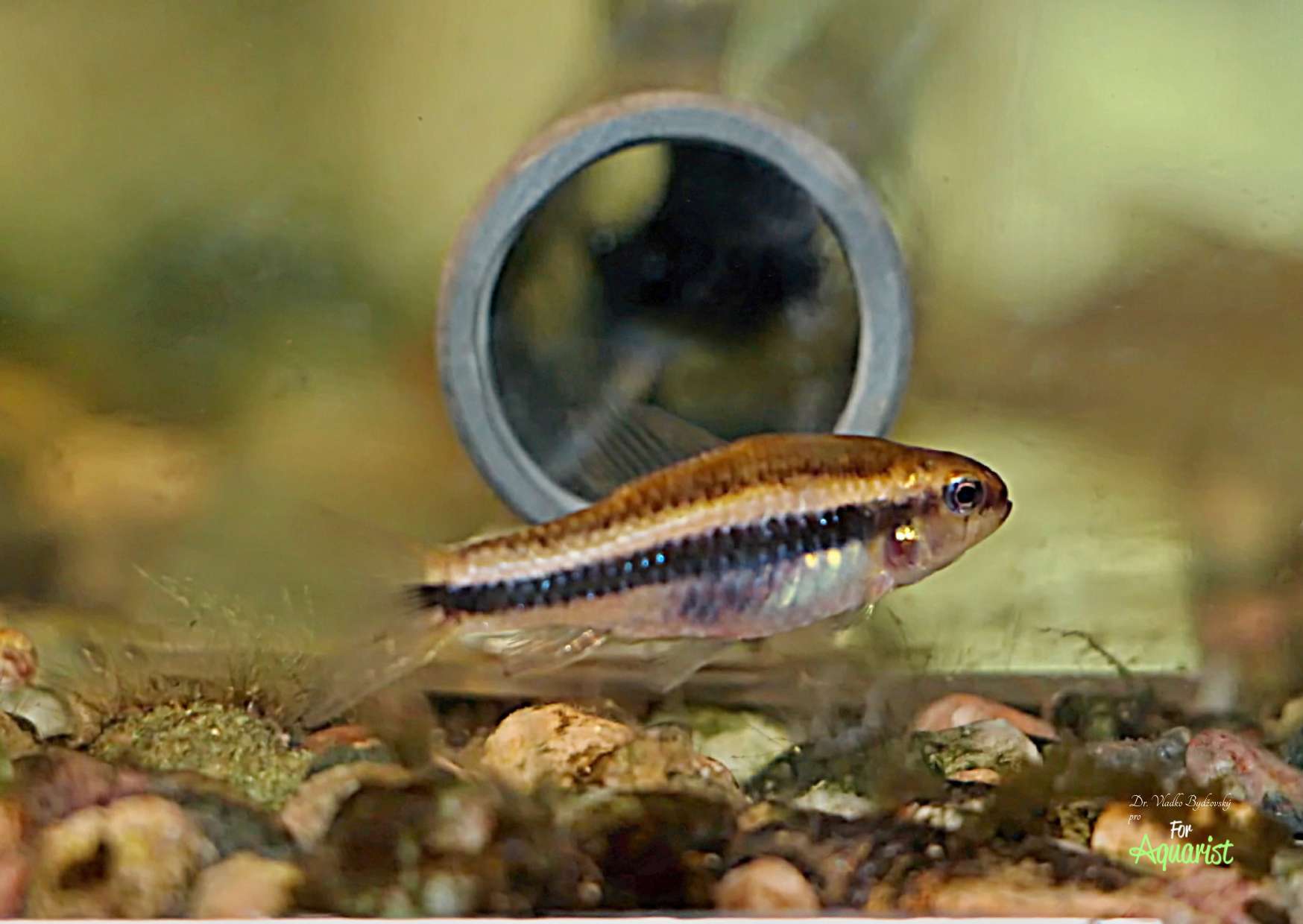
Fish of the family Crenuchidae exhibit clear sexual dimorphism, the male is more brightly colored, has longer fins, and grows up to 5 cm, while the female is smaller, less colorful, and has a fuller belly. At the time of sexual maturity, with good feeding, dark brown eggs can be seen shining through. Fish of this family are characterized by a paired organ located in the jaw area of the head, which has not yet been observed in any other group of fish.
It resembles the rays' receptors, which according to Géry may possibly serve to receive infrared rays or other radiation. However, no closer research on this organ has yet been published, so its closer function remains unknown.
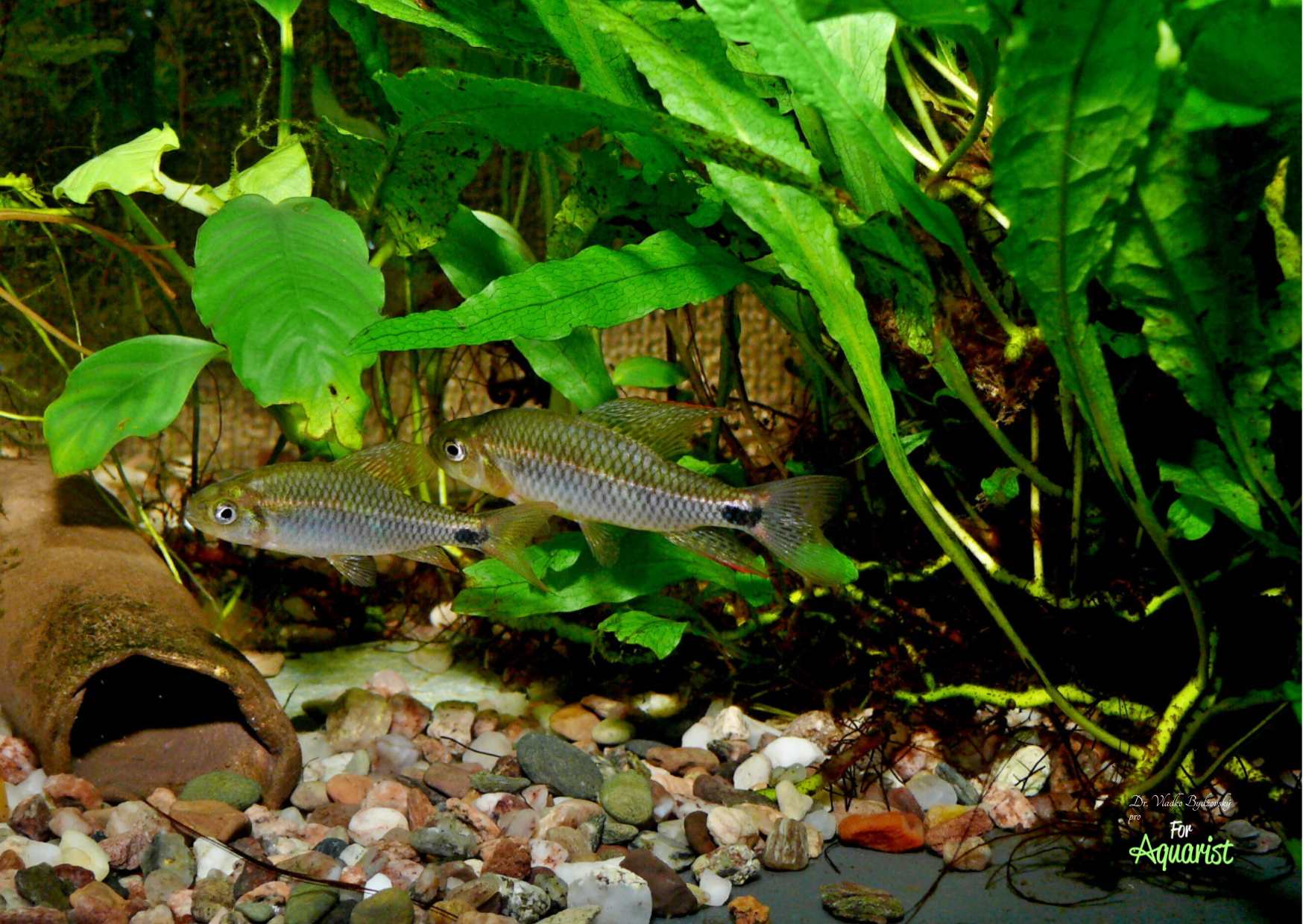
The large mouths of the fish and their overall appearance sometimes lead to them being labeled as predatory tetras ("Raubsalmler"). There is certainly some truth to this; I have often observed in a community tank where adult Crenuchus spilurus were present, a significant decrease in especially young or smaller tetras, particularly during the night hours. Ultimately, I believe that small fish in their diet are very important, if not decisive. Poecilocharax weitzmani hunts significantly smaller fish than its larger relatives, and given their size. In the tank, if kept alone, they are quite shy. They usually stay near the bottom and gradually establish small territories in which they move around.
Selection of fish
When selecting fish from imports, we pay attention to ensure they are in good condition. As soon as we see sunken bellies, it is clear to us that these fish are clear candidates for death and we will not save them at home. I received my first fish in November 1995 from my friend Hans Gruber. It was 6 pieces, only one was a male. Unfortunately, no other could be obtained at that time, and although it had a sunken belly, I still managed to have it spawn twice. But then came inevitable death, and I was left with 5 beautiful and perfectly filled females! The reason for the small occurrence of fish in stores may, according to Schlüter, also be their sensitivity to sudden changes in water chemistry. I have often seen fish decimated by ich (Ichthyophthirius sp.).
Setting up the aquarium and caring for the fish
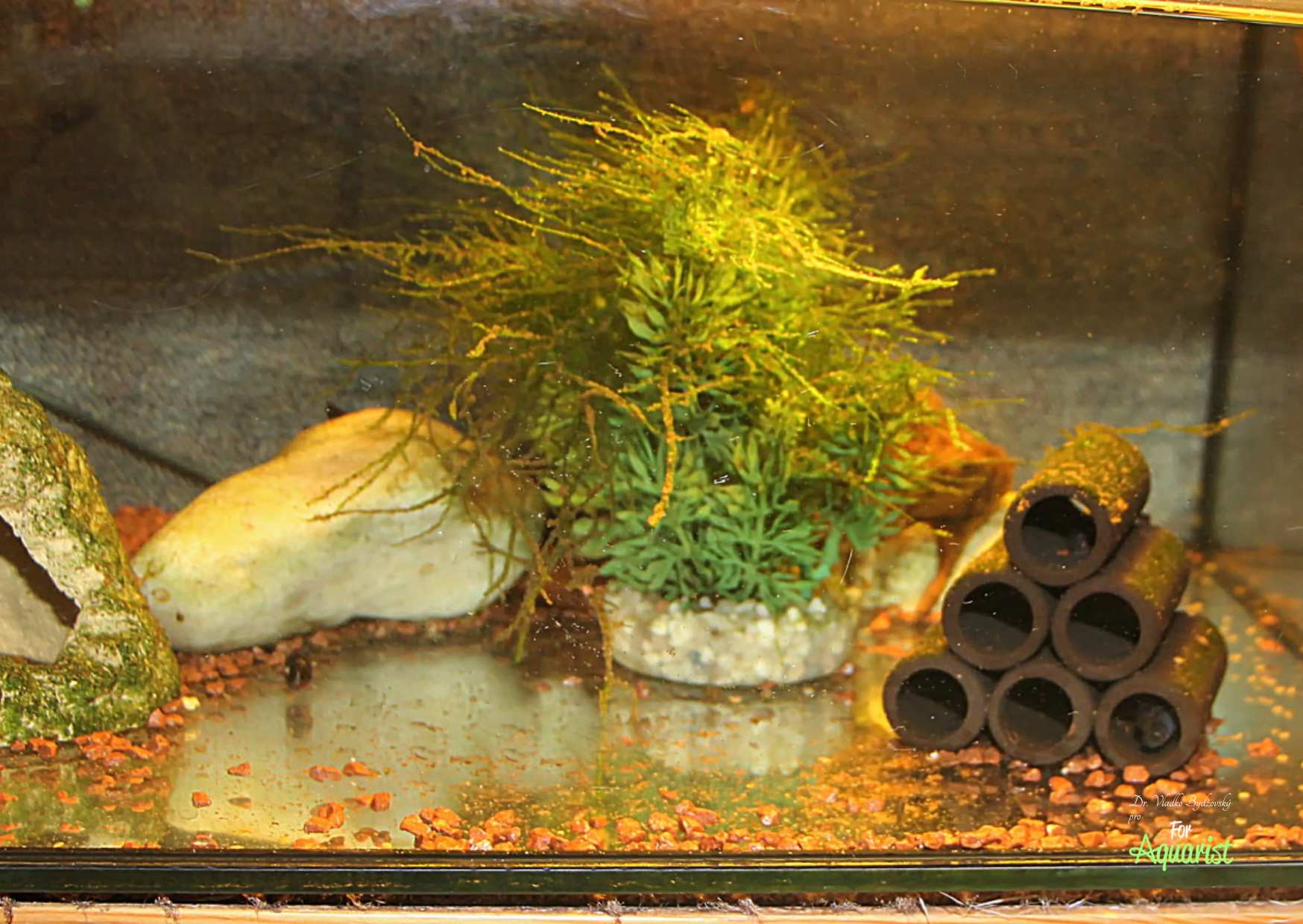
A community aquarium can be set up quite simply, as we are usually used to. For the bottom, use dark and fine-grained sand with various roots, coconut shells, or various tubes (preferably made of ceramics), so the fish have places to hide. For plants, we can use some appropriately sized species of the genus Echinodorus, clumps of fine-leaved plants (e.g., Hygrophylla, Cabomba), but some anubias (Anubias nana, Anubias barteri) are also advantageous.
The aquarium does not need to be large at all; I kept my first fish for 2 years in a 40-liter aquarium, which is well but definitely needs to be adequately stocked and secured with the aforementioned hiding options.
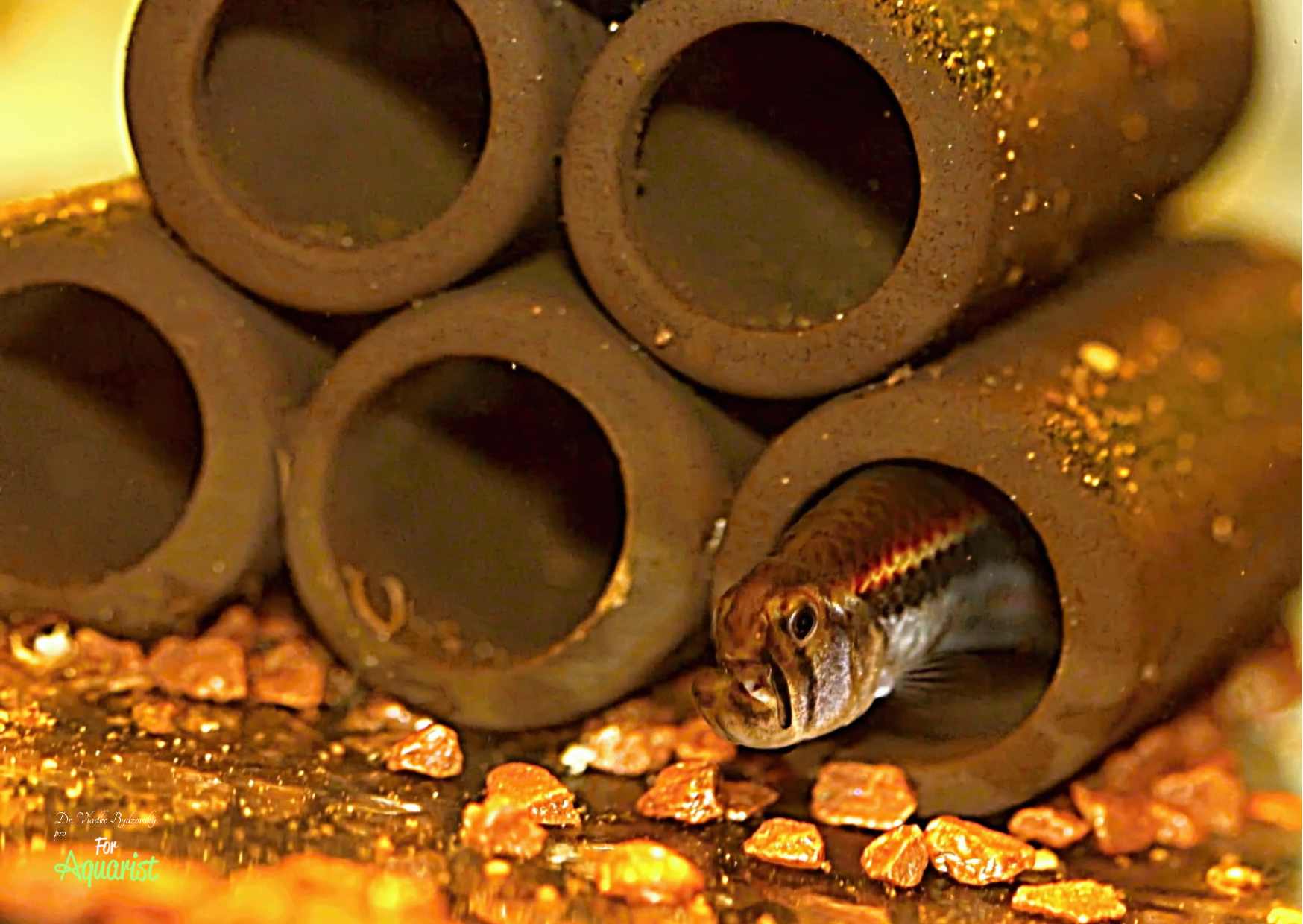
The fish are rather solitary, males tend to be hidden in tubes most of the day as they approach adulthood. The strongest individual always asserts itself among them, taking the most advantageous positions. Fights usually do not end in serious injuries, although it once happened to me that a strong and well-developed male killed a weak rival.
Usually, only fin nipping occurs; the defeated one is "pushed out" from the occupied territory, which then leaves with jerky movements and retracted fins. Females fight less vehemently and usually without consequences. We must not forget to cover the aquarium well, as the fish, apparently in panic reactions, may jump out of the aquarium. Before I realized this fact, I found my best male from the third generation of fish I had dried on the floor of the fish room.
Food and feeding
The food is very important. Fish, especially young ones, accept plankton, daphnia, water fleas, and even artemia nauplii without problems. As they grow, I would say that males are increasingly less willing to accept this smaller food, while females do not have problems. Males prefer copepods, daphnia, or black mosquito larvae, but they will not refuse smaller fish either. I have the impression that they simply do not want to hunt smaller pieces of food, and therefore prefer larger pieces in smaller quantities.
When hunting for food, they seem somewhat lazy, comfortable, but similarly to Crenuchus spilurus, also clumsy. When catching food, they often "miss," or catch "just next to it." Sometimes I have wondered whether this is due to poor eyesight or their poor motor coordination. They only accept dried or flake food in cases of extreme necessity (while Crenuchus spilurus accepts TetraMin flakes with pleasure). They can learn to eat frozen food, but then they barely "touch" this diet again, only the largest hunger will make them eat it.
Breeding and raising
For breeding, Suttner used a 20-liter tank (40 cm long, 20 cm wide, 25 cm high) with an external filter, slow water circulation in the aquarium. He used spring water with pH 7, conductivity 96 µS, and circulation through peat in the filter lowered the pH to 4.6, conductivity was 120 µS, temperature 24.5 °C.
Before transferring the breeding fish to the breeding tank, he fed them good live food, after transfer 5 copepods per day. He placed 6 bamboo tubes in the tank, two laid on the bottom, two positioned diagonally, all accessible to the fish from both sides. The last two were buried vertically in the sand at the bottom, so they were only accessible from above. Preparations for breeding took about a week, and the fish used the diagonally placed tube. Four days after spawning, the young began to hatch from relatively large yellow-orange eggs, and using approximately 4 mm long threads, they are attached to the eggs. On the first day, the larvae do not move continuously; after 3 days, their eyes darken, the fry moves only minimally and is about 4 mm long. A fine dark longitudinal stripe is clearly distinguishable along the entire length of the body. After another 3 days, they begin to swim freely.
According to the literature (e.g., Frey, Aquarien-Lexikon), the fish lay eggs on the underside of the leaves of plants. I initially tried this repeatedly but without success, and I must say that it could be, based on reliable observations, just a "desperation virtue." Similar experiences were made by Schlüter, who even joked that either he had different fish or his fish did not read this literature. I have only made observations of spawning in horizontally placed tubes, where Poecilocharax weitzmani lay eggs on the upper half of the tube with a diameter of 10 mm.
Crenechus spilurus spawns both on the upper and on the side walls of tubes with a diameter of about 3 cm. While the eggs of Crenechus spilurus reach nearly 2 mm, the orange-brown eggs of Poecilocharax weitzmani are about 1 mm in size. Primarily, the male feels like a fish in the water when there are tubes in the tank where it can hide. Without their presence in the aquarium, it is very shy, and the tank must be maximally densely planted with plants to even thrive!
Key water conditions
We all essentially agree that the water in the breeding tank should flow only slowly. For breeding, modified water from reverse osmosis or ion exchangers can be used; Schlüter lets the water flow through a peat filter before filling the 40 l breeding tank, which leads to a reduction in pH to 4-5, conductivity to 50 µS. Both of these values remain relatively constant, thanks to the gravel sand he uses in the breeding tank at the bottom of the aquarium. Total and carbonate hardness are not detectable. I have tried several options for water composition, initially as for ordinary neon tetras (Paracheirodon innesi), thus about 60 µS, pH 6.2; the next attempt was with water as for red neon tetras (20 µS, pH 6.0), but I still did not achieve the hatching of fry. I believe that water from ion exchangers is more suitable for breeding tetras than water used from reverse osmosis.
However, the best options for breeding fish from imports are natural water with a suitable composition, which in the case of these fish is, for example, natural water from Kvilda (15 µS, pH 5.8), which contributed to a certain share in successful breeding. The temperature can range between 22-28 °C. Some males permanently settle in caves and show no interest in breeding females, which need to be replaced. I have not been able to determine whether the selection of partners and the success of breeding depend on the female or if the male simply does not want to breed.
Care of eggs and fry
When spawning begins, it can be well recognized on the full males, which are darkly colored and the anal fin is brightly red. The female, in preparation for spawning, gradually and very cautiously approaches the spawning site; during the following days, she increasingly often lingers near the tube where the male resides. Usually, she stands about 5-6 cm away from its end, and even spends several minutes swimming inside and staying with the male.
The actual spawning act occurs about a week from the beginning of courtship. The actual spawning lasts about 2 hours. The female gradually glues the eggs to the ceiling of the tube, where they remain hanging. Then, the male fertilizes the eggs, which at this time have white tips on their anal fins. The number of eggs ranges between, in my case, between 30-60, Schlüter observed 50-100. At a temperature of 23-24 °C, at which I had breeding (I do not have a special heating for the aquarium, the temperature of their water correlates with the temperature in the apartment), they doubled in size within 5 days. The eyes and hearts of the larvae are clearly visible.
Then hatching begins with 2 mm larvae, which are still connected to the egg by a thin thread, moving continuously and are not yet pigmented; after two days, their eyes color and the thin longitudinal stripe becomes visible. The first larvae lie on the bottom of the tube and measure about 4 mm, moving only very little.
The male moves its tail fin during the care of the eggs to ensure the supply of oxygen. Unfertilized or mold-infested eggs occur only rarely and are immediately removed by the male. Schlüter observed that almost in every second spawning, another filled female present in the tank pairs with the male, and the laying of previous eggs occurs rarely. For successful breeding of the fish, it is necessary that older individuals are transferred to another tank. Otherwise, only a small number from the second spawning will survive.
When siphoning, the young male will temporarily leave the tube, but then goes back to care for the fry. Fry can be fed right after hatching with newly hatched fine artemia nauplii. After the fry begins to swim freely, the male's interest in the fry wanes, which stay in schools during the day. The male should then be fed with high-quality protein food, as during the care of the fry, it does not accept any food.. This is then clearly noticeable on its sunken belly, while the female fills up again and prepares for another spawning. During the care of the fry, the female can be left in the tank; usually, she does not even notice the eggs or larvae, nor does the male pursue her. The greatest danger threatens the fry after they start swimming freely. At this moment, we must be present at the aquarium to transfer the young to water with absolutely identical physical parameters. After about half a year, the young males reach a size of around 4 cm. At this time, some males develop beautiful dorsal and anal fins, while others have significantly smaller fins. However, the size of the fins is not a typical sign of dominance. Females at this time grow to a maximum of 3 cm and are sexually mature in about 7-8 months. Inadequate conditions in the care of the fry describe Schlüter as a cause of mortality. I have not encountered this problem myself. The fact is that these fish take more time for the breeder than the usual species favored by common aquarists (both in food selection and water changes, filtration, ...).
In conclusion
This beautiful fish has brought me, and I hope it will continue to bring, much joy. Joy not only in its breeding and raising, but also because in my presentation on the family Crenuchidae I was able to show the principles of successful breeding of these fish in several places in the Czech Republic, Austria, and Germany. Based on this, several enthusiasts have managed to breed these fish and pass on their observations and experiences. And as I mentioned at the beginning, it was enough to draw a parallel with Taeniacara candidi and use similar strategies for breeding. Primarily, thin tubes made of plastic placed horizontally (similar to those I also use for some catfish of the genus Loricaria or Rineloricaria).
It is extremely important to note a fact I was unaware of, and therefore in the beginning, "just to be safe," I transferred the tubes with the eggs to separate containers with developmental water. However, both the eggs and the unhatched fry are extremely sensitive without the male and mold very quickly. Initially, only the eggs themselves became moldy; that was in the first two attempts, then the fry also became moldy about 36 hours after hatching.
Therefore, it is good to remember the knowledge of breeding strategies in many species of fish and the significance of the action of antibacterial and fungicidal (anti-mold) substances present in some species in the spawning substrate.(Fish Betta, Colisa, Trichogaster and others) or in the mucus (terrestrial) or in the mouth of the parents caring for the fry (betta – mouthbrooders, cichlids – mouthbrooders, but also Weitzman's tetras).
Therefore, the alpha and omega of breeding is the necessity of the presence of a male during the development of eggs and larvae, which is constantly and continuously cared for by the mouth. To achieve healthy and well-grown fish, a quality and varied diet is needed, as well as soft water without excess waste products.
Images:
- Adult male Weitzman's tetra.
- Adult female Poecilocharax weitzmani.
- 40-liter aquarium for breeding.
- The male Weitzman's tetra spends most of the day hidden in a shelter.
- A well-prepared female for spawning stands in front of the spawning tube for several hours before spawning.
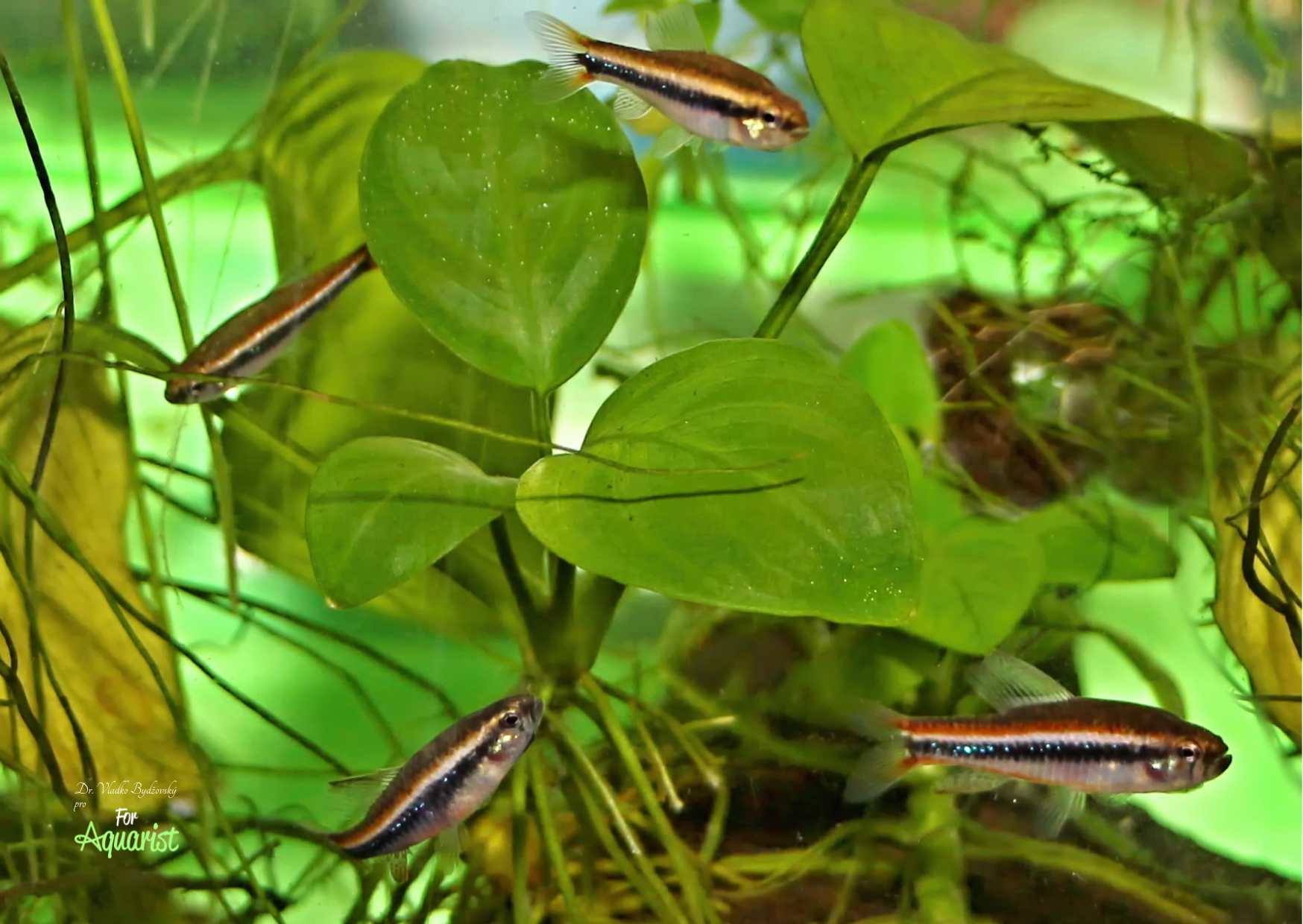
- It is ideal to keep one male with several females.
- The family Crenuchidae also includes Crenuchus spilurus.
- Poecilocharax bovali is an immense rarity that the author was able to photograph at a colleague's during his work stay in the Netherlands.