

Tanganyika Cichlids – Brief Portrait of Xenotilapia boulengeri
Habitat
• Wide distribution. For most of the year, it inhabits sandy bottoms at depths of 3-40 m, moving to the transition zone during the breeding season.
Characteristics
• Size: Xenotilapia boulengeri reaches a maximum length of up to 20 cm, with females maxing out at 15 cm.
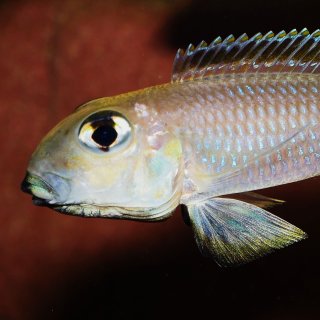
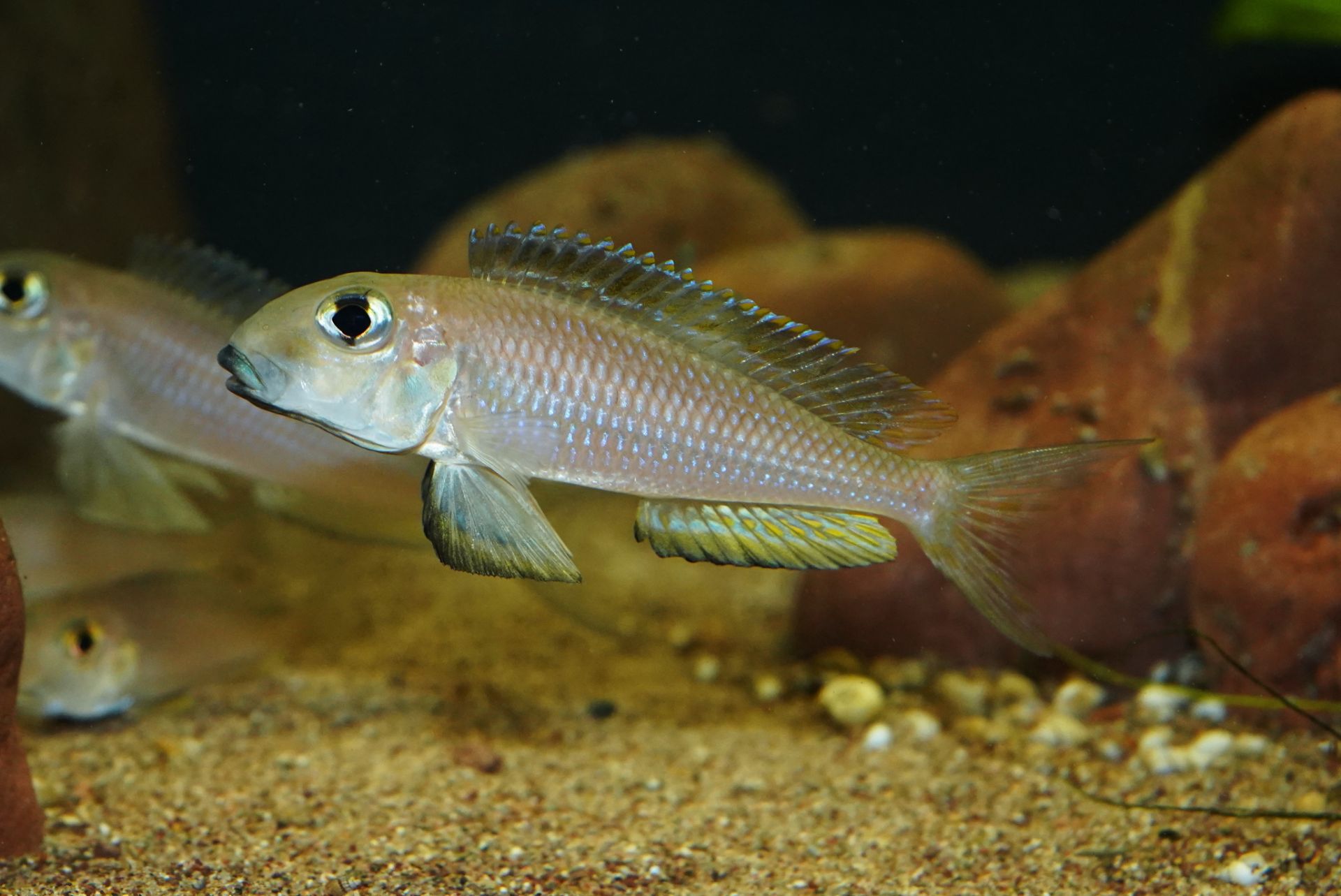
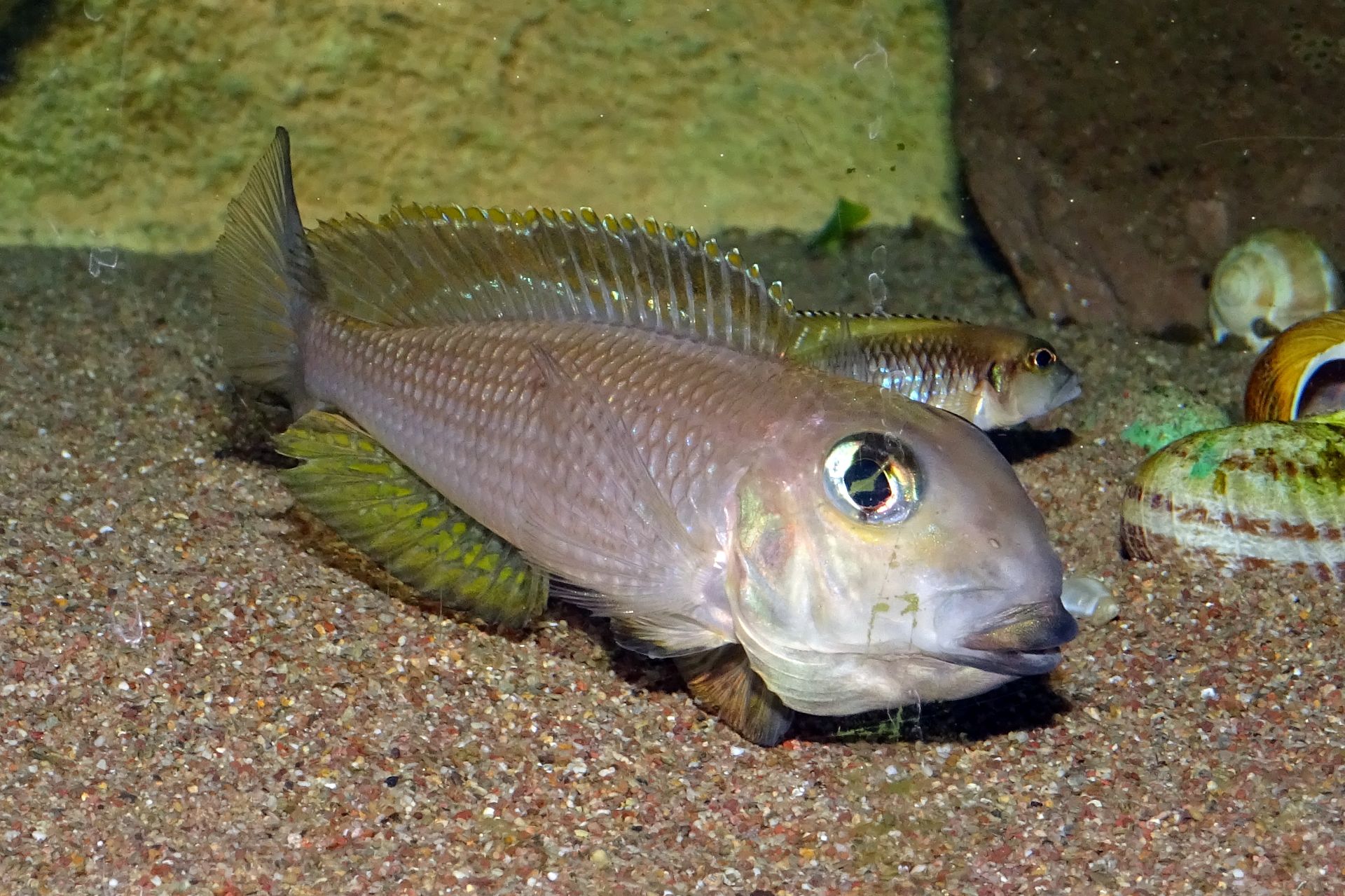
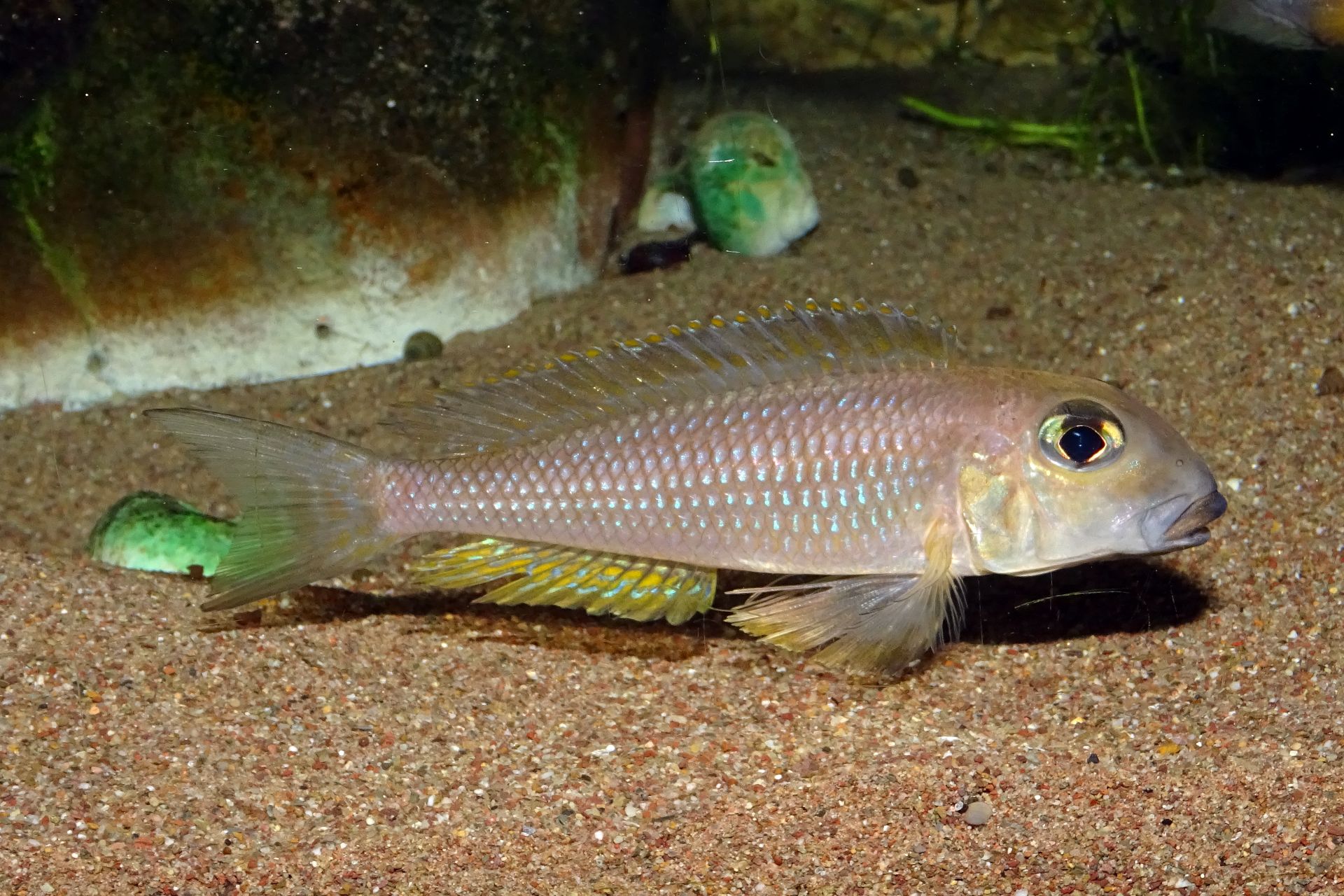
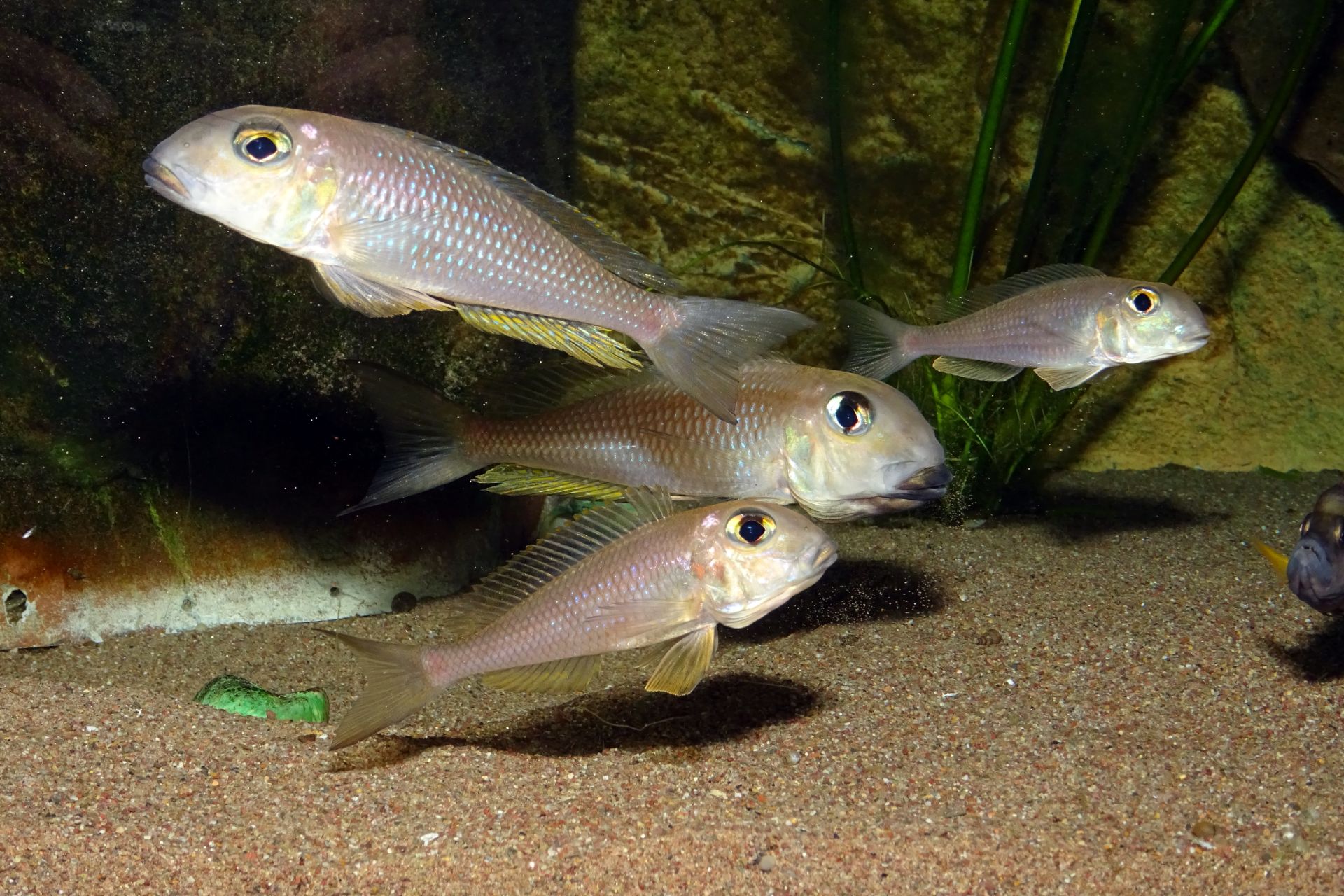
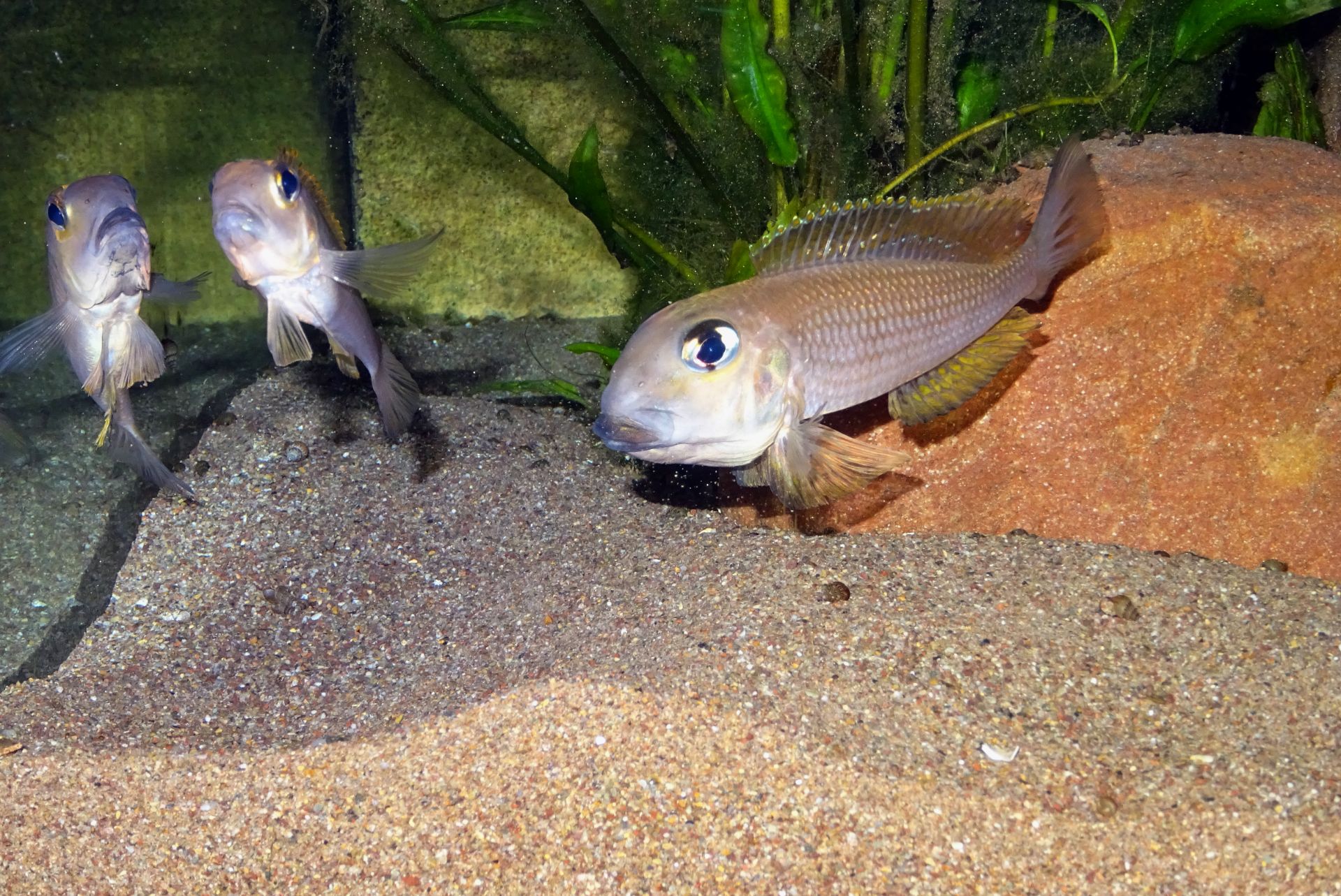
• Appearance: The fish has a slender, elongated body that is slightly flattened on the sides. The coloration is predominantly gray to brownish-gray. A distinctive feature is the light blue line along the lateral line. Light blue, yellowish, or golden spots may appear on the gill covers. The dorsal and anal fins often have a bluish base and a yellow edge.
• Sexual differences: Adult males are larger than females and have dark edges on the anal and ventral fins. During the breeding season, they also exhibit territorial behavior.
• Lateral lines: A unique characteristic of this genus is that it possesses three lateral lines: one on the front body parallel to the back, one in the middle of the rear body, and one on the tail.
Lifestyle and Behavior
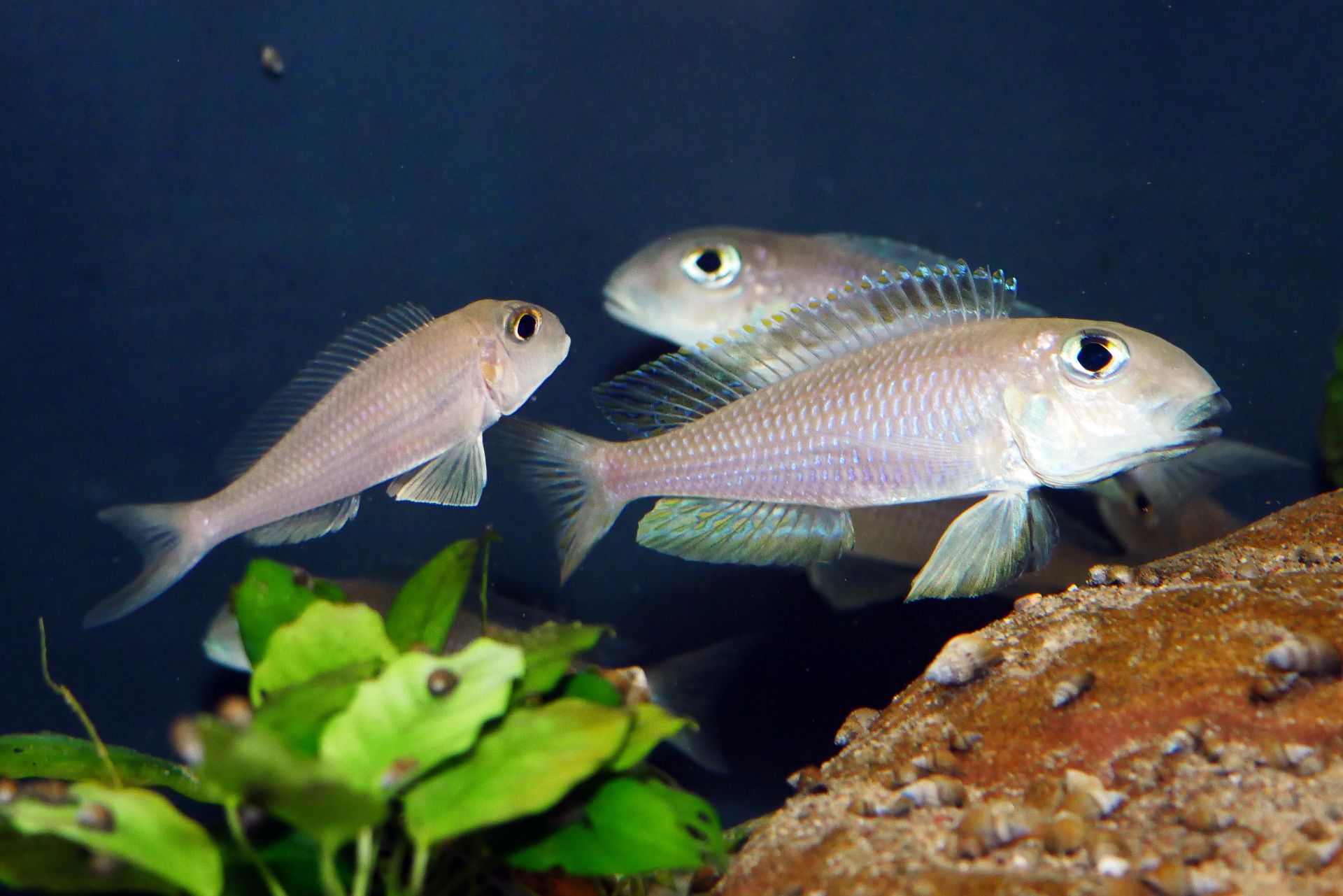
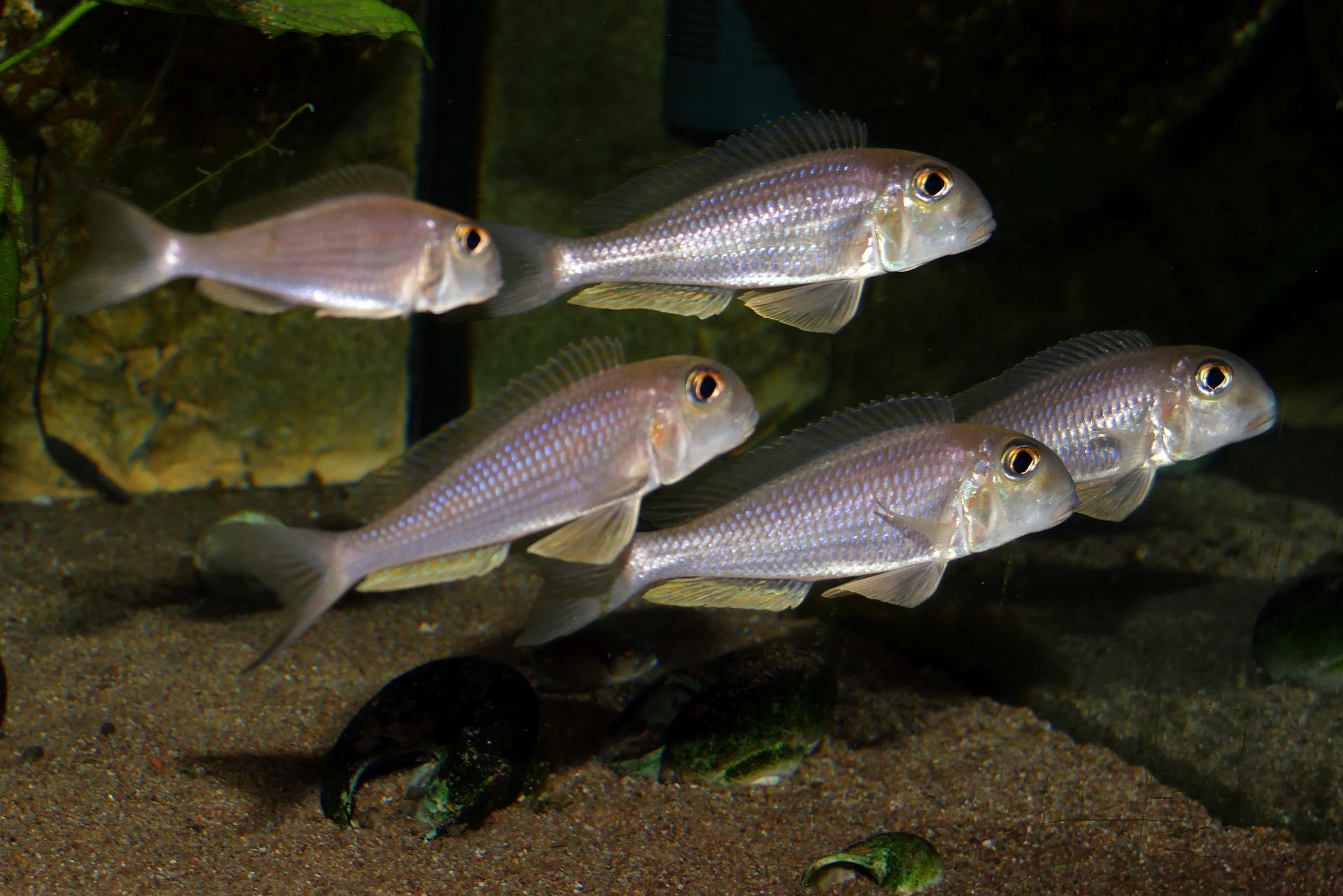
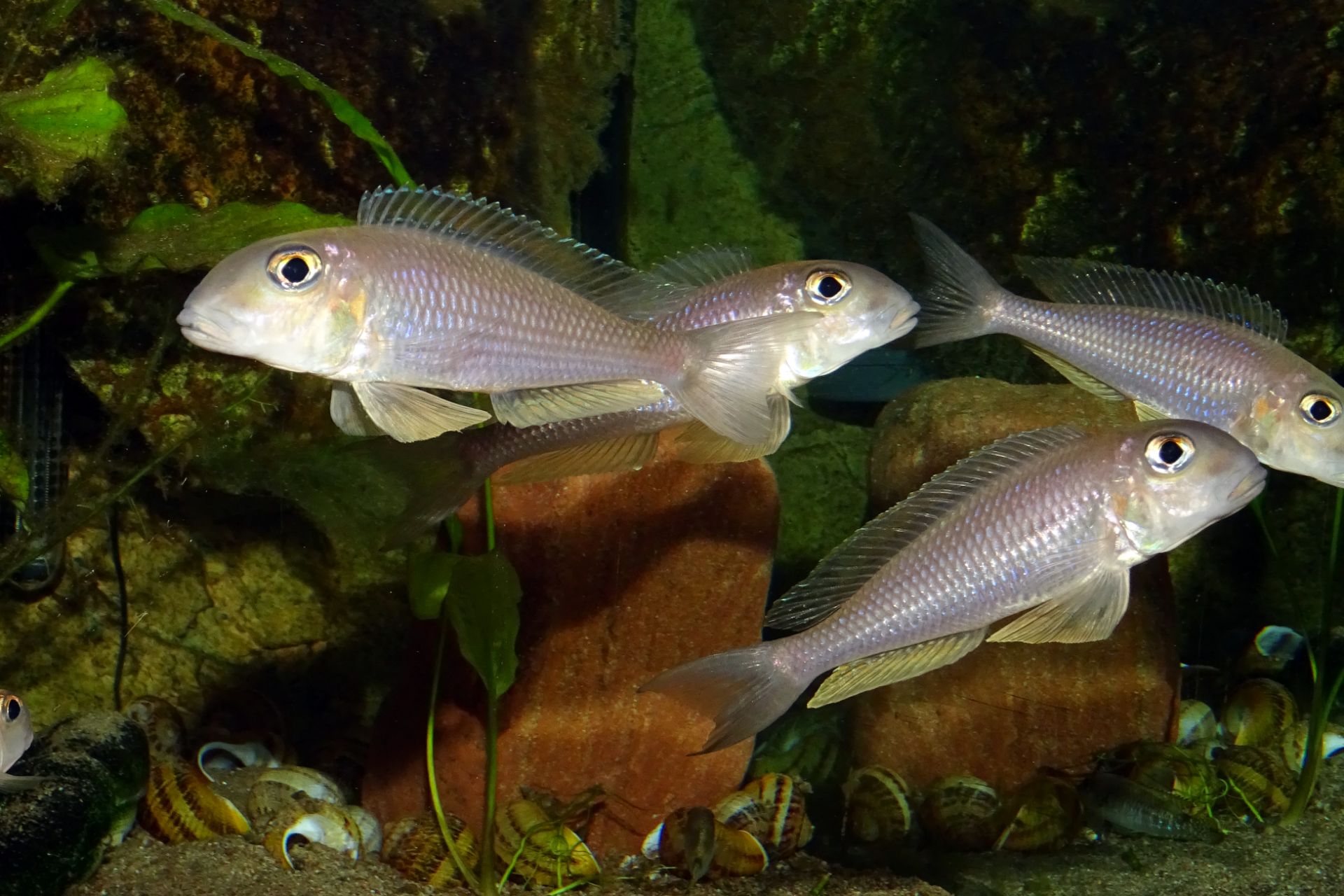
• Social behavior: Xenotilapia boulengeri is a relatively peaceful fish that is best kept in a group of 8 to 10 individuals. During the day, they are often found in schools, sifting through the sand for food.
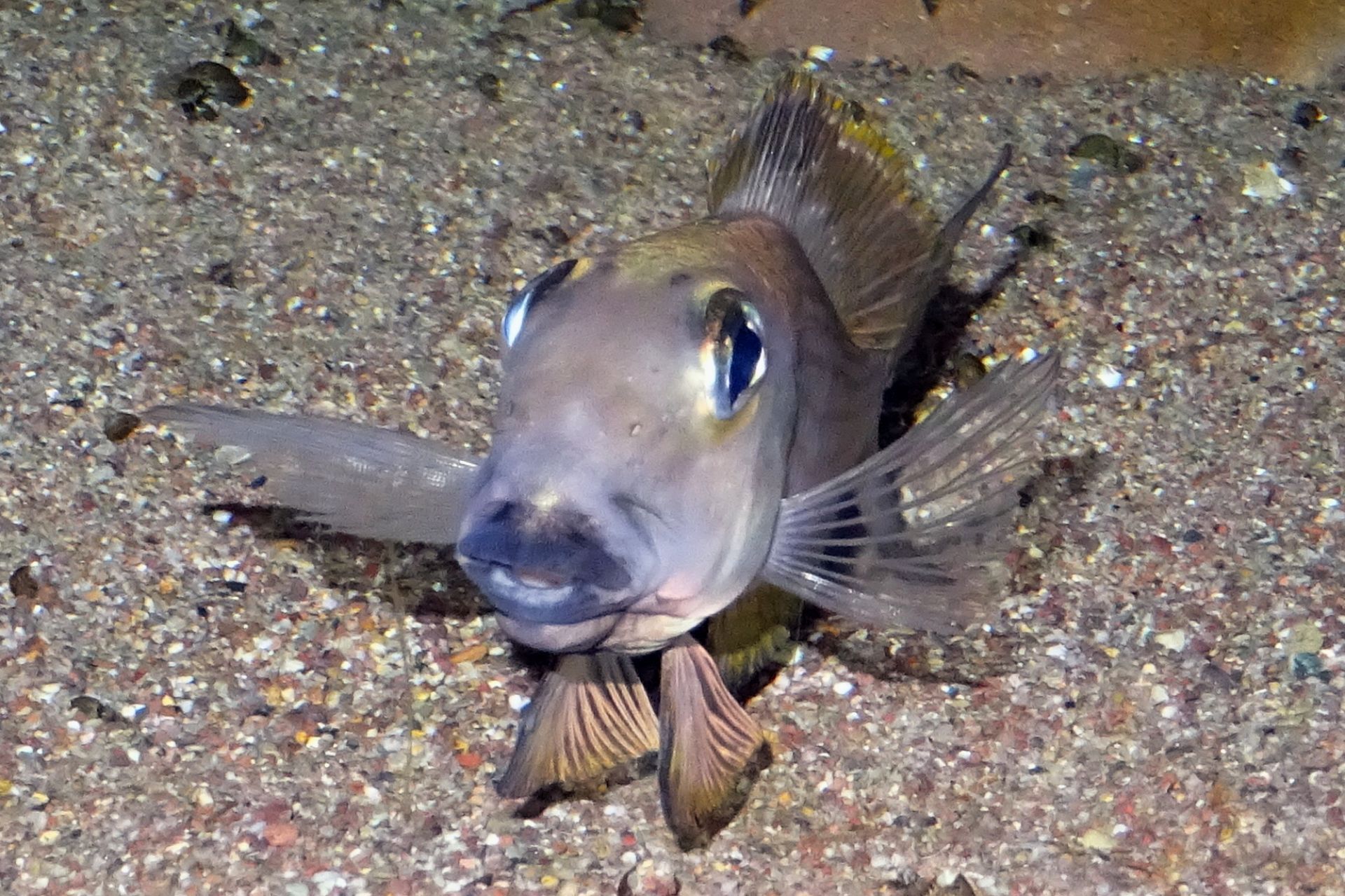
• Breeding: It is a maternal mouthbrooder. Males build sand castles that are up to 20 cm high, semi-circular, and open on one side. The breeding period lasts about 3 weeks. The female releases up to 50 relatively small fry and does not care for them afterward.
• Diet: The fish primarily feed on small invertebrates, such as tiny shrimp and copepods, which they filter from the sand.
Aquarium Care
• Tank: Due to their size and social structure, an aquarium should have a minimum length of 150 cm for a small group of 6-8 individuals.
• Setup: Since the fish sift through sand, a several-centimeter layer of fine sand as substrate is essential. Introduce individual stones as territorial boundaries in the tank.
• Water parameters: The water temperature should be between 23 °C and 26 °C, with a pH in the alkaline range of 7.5 to 8.5. Carbonate hardness should be 15-18 °dH.
• Feeding: In the aquarium, they can be fed suitable live food (water fleas, Cyclops, Artemia), frozen food, flake food, or food tablets.